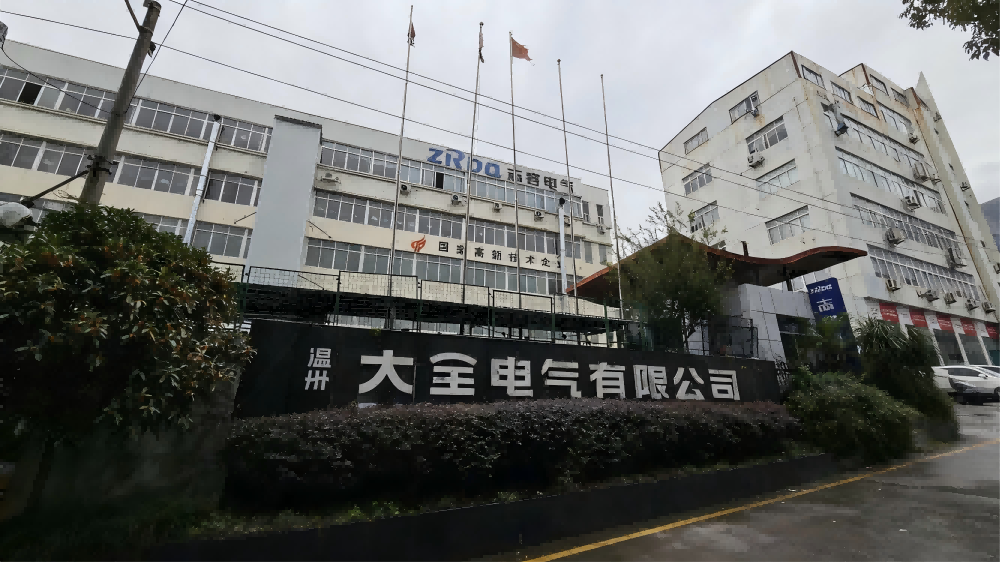

مقدمهای بر یکپارچگی اندازهگیری انرژی
در تأسیسات صنعتی مدرن، مصرف انرژی یکی از بزرگترین هزینههای عملیاتی محسوب میشود. نظارت دقیق بر این منبع تنها مسئلهای مربوط به مسئولیت محیطی نیست؛ بلکه مستقیماً بر برنامهریزی مالی و سودآوری شرکت تأثیر میگذارد. کنتورهای انرژی صنعتی بهعنوان «دستگاههای پرداخت نقدی» سیستمهای برق عمل میکنند و با انتظار دقت مطلق، مگاواتساعت را ثبت میکنند. چه برای صدور قبضهای فرعی به واحدهای اجارهای، چه برای تخصیص هزینههای بخشها یا تأیید قبضهای شرکتهای تأمین انرژی، این کنتورها باید در طول سالها کارکرد مداوم، دقت بسیار بالایی حفظ کنند. با این حال، مانند هر دستگاه الکترونیکی دقیق دیگری، کنتورهای انرژی نیز تحت تأثیر عوامل زیستمحیطی، اختلالات الکتریکی و فرسودگی قطعات قرار میگیرند که همه اینها میتوانند منجر به انحراف در اندازهگیری شوند. برای مدیران خرید B2B و مدیران نگهداری تأسیسات، ایجاد یک برنامه جامع نگهداری پیشگیرانه ضروری است تا از اختلافات پرهزینه در صورتحسابها جلوگیری شده و مشکلات پیش از آنکه بر سود خالص تأثیر بگذارند، شناسایی شوند. این راهنما مروری فنی دقیق بر نحوه انجام این بررسیهای حیاتی و تضمین صحت بلندمدت اندازهگیریها ارائه میدهد.
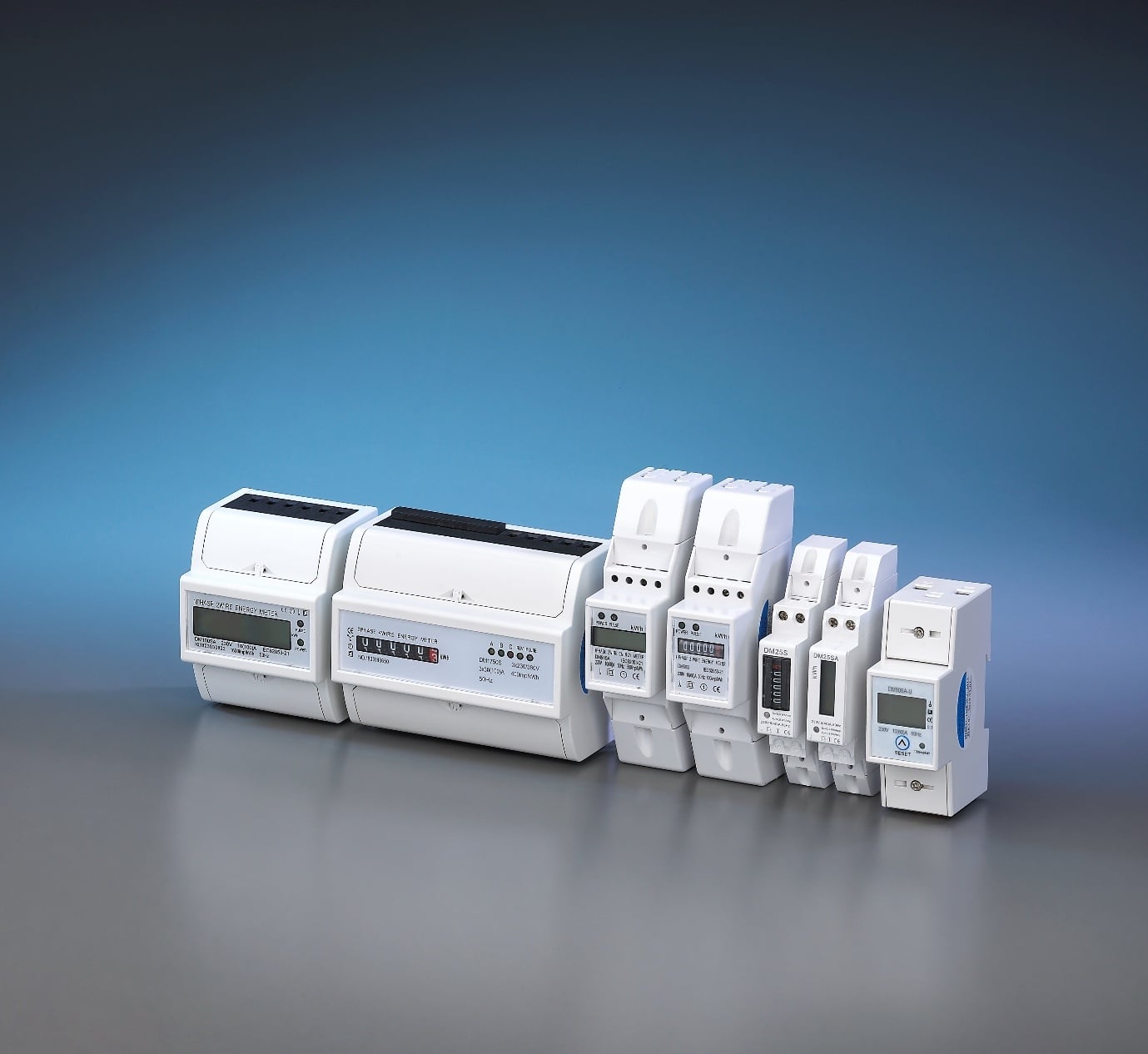
سوال: چگونه بررسی پیشگیرانهی نگهداری را روی کنتورهای انرژی انجام دهیم تا دقت صورتحساب در بلندمدت تضمین شود؟
پاسخ:
برای انجام بررسی جامع پیشگیرانهی نگهداری روی کنتورهای صنعتی انرژی، تیمهای نگهداری باید از یک پروتکل ساختاریافته و چندمرحلهای پیروی کنند. این فرآیند با بازرسیهای بصری آغاز میشود تا آسیبهای فیزیکی یا نشانههای گرمشدن بیش از حد شناسایی شوند؛ سپس سفتکردن ترمینالهای مکانیکی برای جلوگیری از خطاهای ناشی از مقاومت در اندازهگیری انجام میشود. در مرحلهی بعد، تکنسینها باید با استفاده از کنتورهای مرجع با دقت بالا، ورودیهای ولتاژ و جریان را بررسی کنند، وضعیت ترانسفورماتورهای جریان (CT) و ترانسفورماتورهای پتانسیل (PT) را از نظر اشباع یا مشکلات سیمکشی بررسی نمایند و اتوبوسهای ارتباطی را از نظر خطاهای انتقال داده بازرسی کنند. در نهایت، بررسی انحراف استاندارد و اجرای تشخیصهای نرمافزاری باید سالانه انجام شود تا اطمینان حاصل شود که کالیبراسیون داخلی کنتور همچنان در کلاس دقت تعیینشدهی خود باقی مانده است.
پروتکل گامبهگام نگهداری پیشگیرانهی کنتور انرژی
اجراي يک چرخه نگهداري پيشگيرانه موفقيتآميز، نيازمند توجه به جزييات است. در ادامه، تحليل فني مراحل نگهداري ارائه شده است:
مدیریت کالیبراسیون و انحراف در طول زمان
تمامی اجزای الکترونیکی، بهویژه دیودهای ولتاژ مرجع و تراشههای تبدیل آنالوگ به دیجیتال (ADC)، در طول زمان دچار فرآیند طبیعی پیرشدن میشوند. این پیرشدن باعث انحراف کالیبراسیون میشود؛ یعنی نتایج اندازهگیری کنتور بهتدریج از مقدار واقعی مطلق فاصله میگیرند. برای مقابله با این پدیده، کنتورهای صنعتی استاندارد (معمولاً از کلاس ۰٫۵S یا کلاس ۰٫۲S) باید هر دو تا سه سال یکبار تحت آزمون کامل کالیبراسیون قرار گیرند.
کالیبراسیون باید توسط آزمایشگاهی معتبر یا در محل با استفاده از استاندارد کالیبراسیون قابل اعتماد قابل حمل انجام شود. کنتور تحت چندین بار تست در محدودهای از ده درصد تا صد درصد ظرفیت نامی خود، و همچنین در ضریب توان واحد و پسفت (لاگینگ) قرار میگیرد. اگر خطای اندازهگیری از آستانه مجاز برای رده دقت آن فراتر رود، کنتور باید دوباره کالیبره یا تعویض شود.
ثبت دقیق و دقیق این آزمونها برای مقامات تأمینکننده و انطباقطلب در محیطهای B2B امری حیاتی است. در صورت بروز اختلاف صورتحساب با ارائهدهنده خدمات برق یا مستأجر، سوابق نگهداری و کالیبراسیون بهعنوان مدرکی قابل دفاع در برابر قانون برای دقت صورتحساب سیستم شما عمل میکنند.
تأمین زیرساختهای قابل اعتماد اندازهگیری
اگرچه نگهداری پیشگیرانه از اهمیت بالایی برخوردار است، اما قابلیت اطمینان پایهای سیستم اندازهگیری شما بهطور قابل توجهی به کیفیت سختافزار انتخابشده در مرحله تأمین وابسته است. دستگاههای اندازهگیری با کیفیت پایینتر ممکن است در هزینههای اولیه صرفهجویی کنند، اما اغلب با پایداری حرارتی ضعیف، اجزای داخلی با کیفیت پایین و انحراف سریع کالیبراسیون روبهرو میشوند که منجر به نیاز به نگهداری و تعویض بیشتر میگردد.
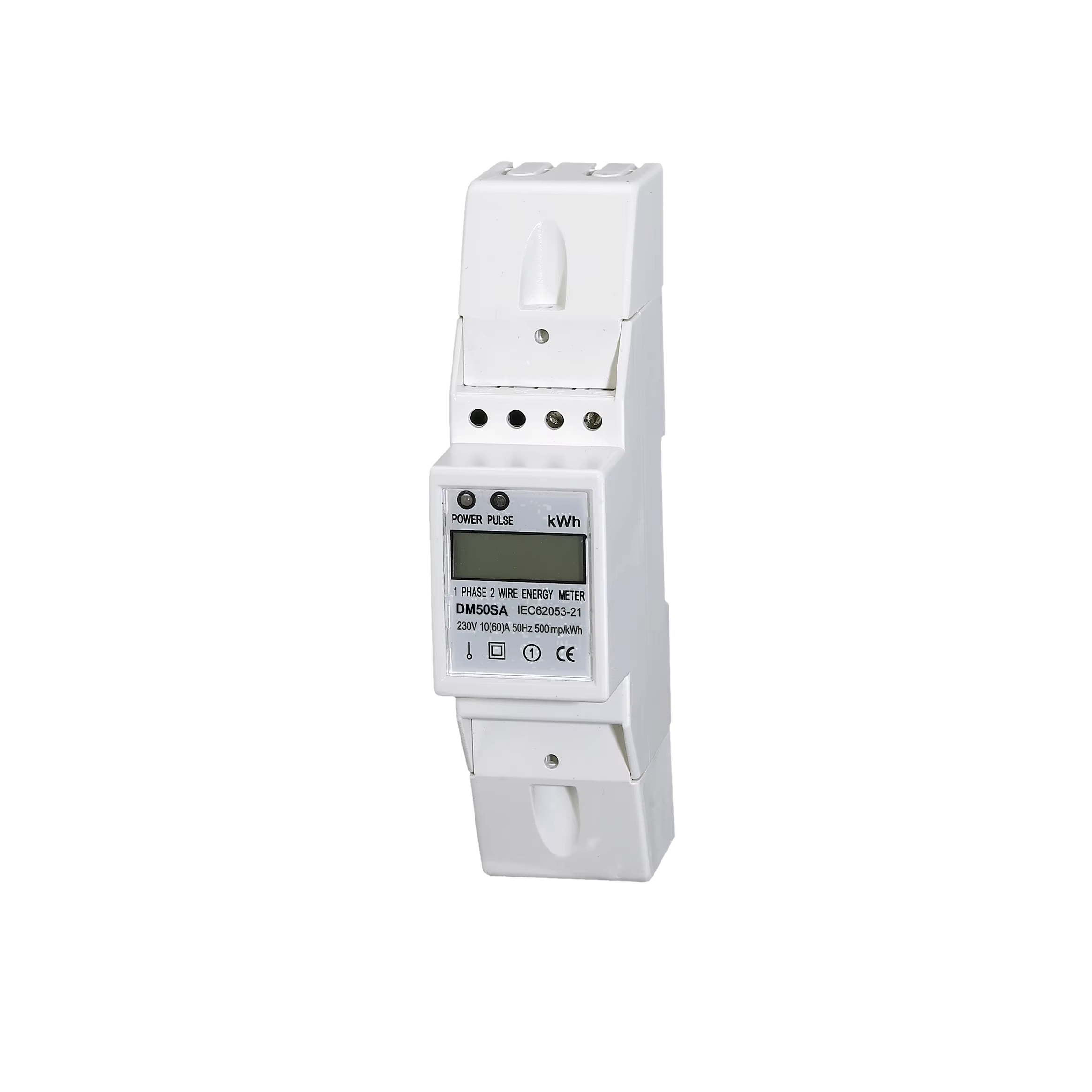
در DAQCN، ما دستگاههای اندازهگیری دیجیتال انرژی و آنالیزورهای توان صنعتی را طراحی و تولید میکنیم که برای پایداری بلندمدت در محیطهای صنعتی سخت طراحی شدهاند. دستگاههای DAQCN از مبدلهای آنالوگ به دیجیتال (ADC) با دقت بالا و مرجعهای ولتاژ جبرانشده از نظر دما استفاده میکنند تا انحراف حرارتی را در محدوده گستردهای از دماها به حداقل برسانند. دستگاههای DAQCN مطابق استانداردهای جهانی دقت، از جمله IEC 62053-22 کلاس ۰٫۵S و کلاس ۰٫۲S، تأیید شدهاند و اطمینان میدهند که از روز اول، قابلیت اطمینان اندازهگیری معادل شبکه برق را در اختیار شما قرار میدهند.
علاوه بر این، طراحیهای ما از بلوکهای ترمینال پیچی با ظرفیت عبور جریان بالا بهره میبرند که خطر گرمشدن بیش از حد ترمینالها را کاهش میدهند، و همچنین از فیلترهای دیجیتال پیشرفته برای جلوگیری از اعوجاج هارمونیکی که ممکن است محاسبات صورتحساب را تحت تأثیر قرار دهد، استفاده میکنند.
نتیجهگیری و برنامهریزی نگهداری
حفظ دقت صورتحساب در یک مجتمع صنعتی بزرگ نیازمند رویکردی پیشگیرانه و ساختاریافته است. با اجرای یک برنامه منظم نگهداری پیشگیرانه که شامل بازرسیهای بصری، اطمینان از گشتاور مناسب پیچهای ترمینال، بازرسی ترانسفورماتورهای جریان (CT) و ولتاژ (PT)، و کالیبراسیون دورهای توسط متخصصان است، مدیران تأسیسات میتوانند عملیات مالی خود را در برابر خطاهای اندازهگیری محافظت کنند. سرمایهگذاری در تجهیزات اندازهگیری باکیفیت و پایدار از تولیدکنندگان معتبری مانند DAQCN، پایه این استراتژی است و اطمینان میدهد که ثبتکنندههای انرژی شما برای سالها آینده دقیق و قابل اعتماد باقی بمانند.
رلهها، تایمرها، کنتورهای انرژی و کلیدهای هوشمند وایفای DAQUAN با گواهی CE/TUV را کشف کنید، مناسب اتوماسیون صنعتی. کارخانه مجهز به استاندارد ISO9001 در ونتشو، 30 کیلومتر تا فرودگاه، قابلیت تولید OEM/ODM جهانی.
شماره 172، خیابان شینگوانگ، منطقه صنعتی شینگوانگ، شهر لیوشی
کپیرایت © 2026 شرکت الکتریک ونژو داقوان، محدوده همه حقوق محفوظ است. سیاست حفظ حریم خصوصی
 EN
EN
 اخبار داغ