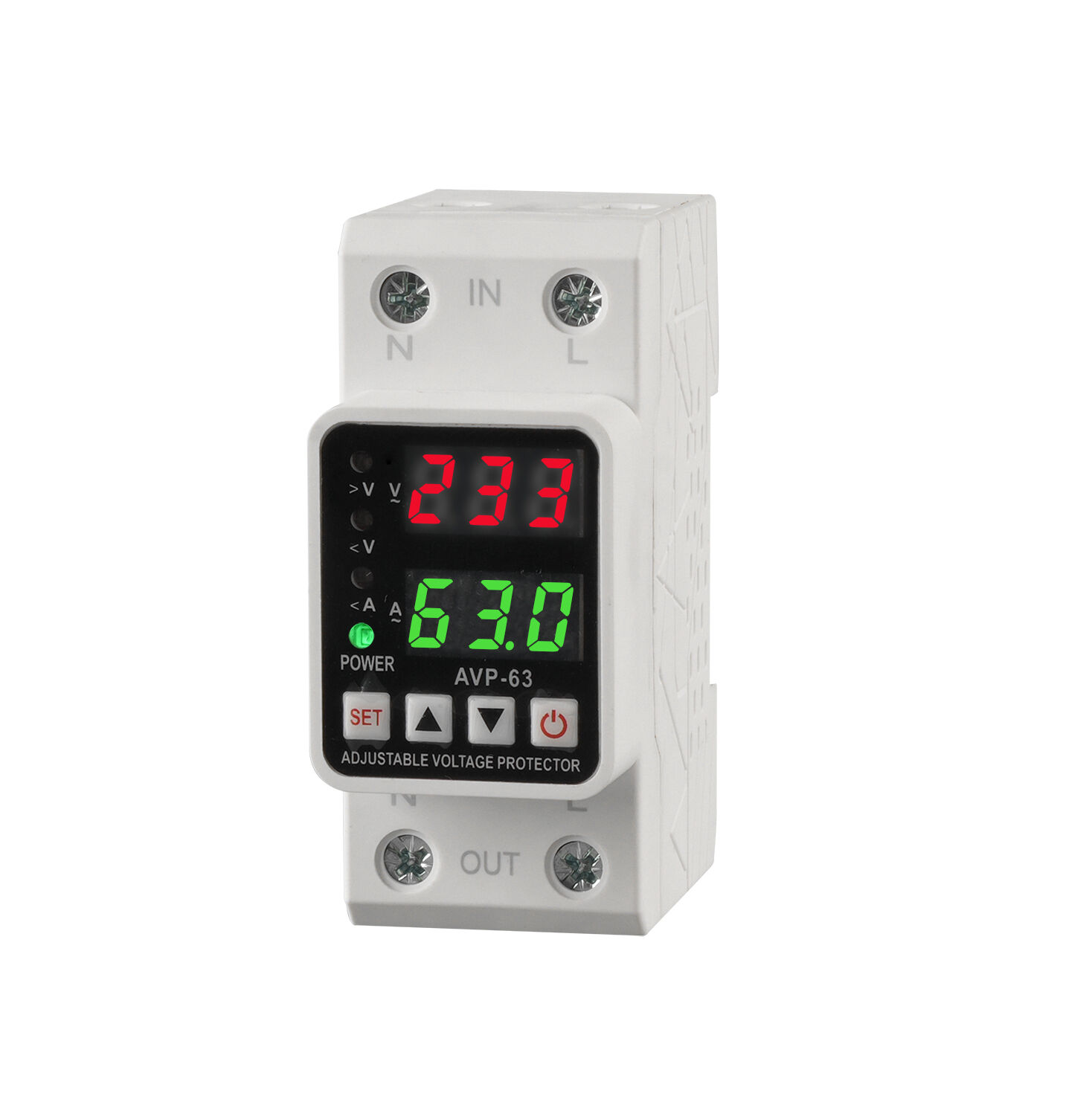
220v wifi switch
The 220v wifi switch represents a significant advancement in home automation technology, offering users seamless control over their electrical devices through wireless connectivity. This innovative electrical component operates on standard 220-volt power systems, making it compatible with most residential and commercial electrical installations worldwide. The 220v wifi switch integrates cutting-edge wireless communication protocols with traditional switching mechanisms, creating a bridge between conventional electrical systems and modern smart home ecosystems. At its core, this device functions as a remotely controllable electrical switch that can be operated through smartphone applications, voice commands, or automated scheduling systems. The technological foundation of the 220v wifi switch relies on robust wireless networking capabilities, typically supporting both 2.4GHz and 5GHz frequency bands for optimal connectivity performance. Advanced models incorporate sophisticated microprocessors that enable real-time monitoring of electrical consumption, load detection, and fault protection mechanisms. The switch features built-in relay systems designed to handle substantial electrical loads safely while maintaining precise switching accuracy. Installation compatibility extends across various electrical configurations, including single-pole, double-pole, and three-way switching arrangements. Security protocols embedded within the 220v wifi switch ensure encrypted communication channels, protecting against unauthorized access and potential cyber threats. The device supports multiple control interfaces, ranging from dedicated mobile applications to integration with popular smart home platforms like Amazon Alexa, Google Assistant, and Apple HomeKit. Remote monitoring capabilities allow users to track energy consumption patterns, receive real-time status updates, and configure automated operation schedules based on personal preferences or energy efficiency goals. The 220v wifi switch applications span residential lighting control, industrial equipment management, HVAC system automation, and security lighting coordination, making it an essential component for modern electrical infrastructure.
 EN
EN