Circuit Breaker for Motor Control: Advanced Protection and Control Solutions

All Categories

Get a Free Quote

Our representative will contact you soon.
Email
Name
Company Name
Mobile/WhatsApp
Message
0/1000

circuit breaker for motor control

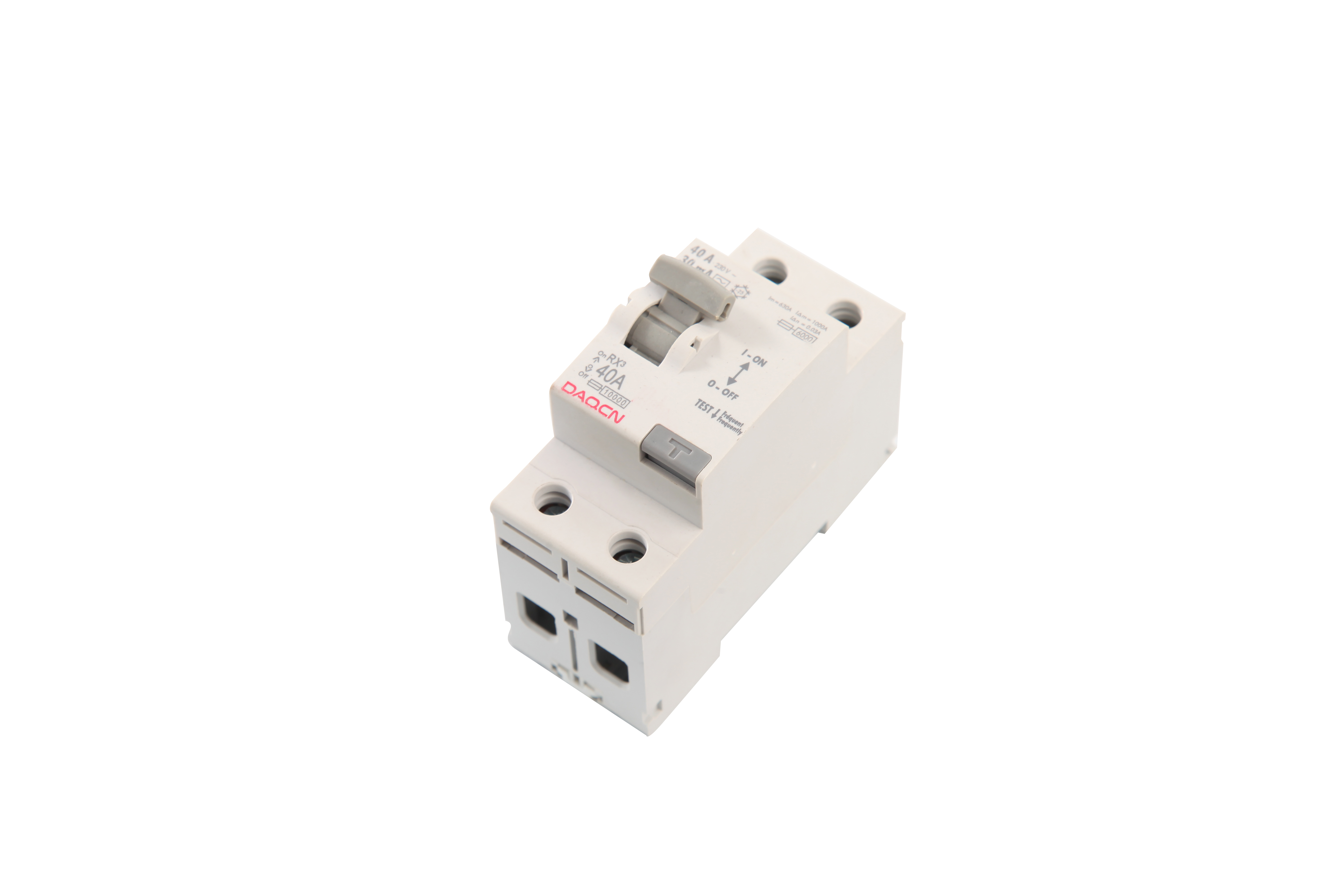
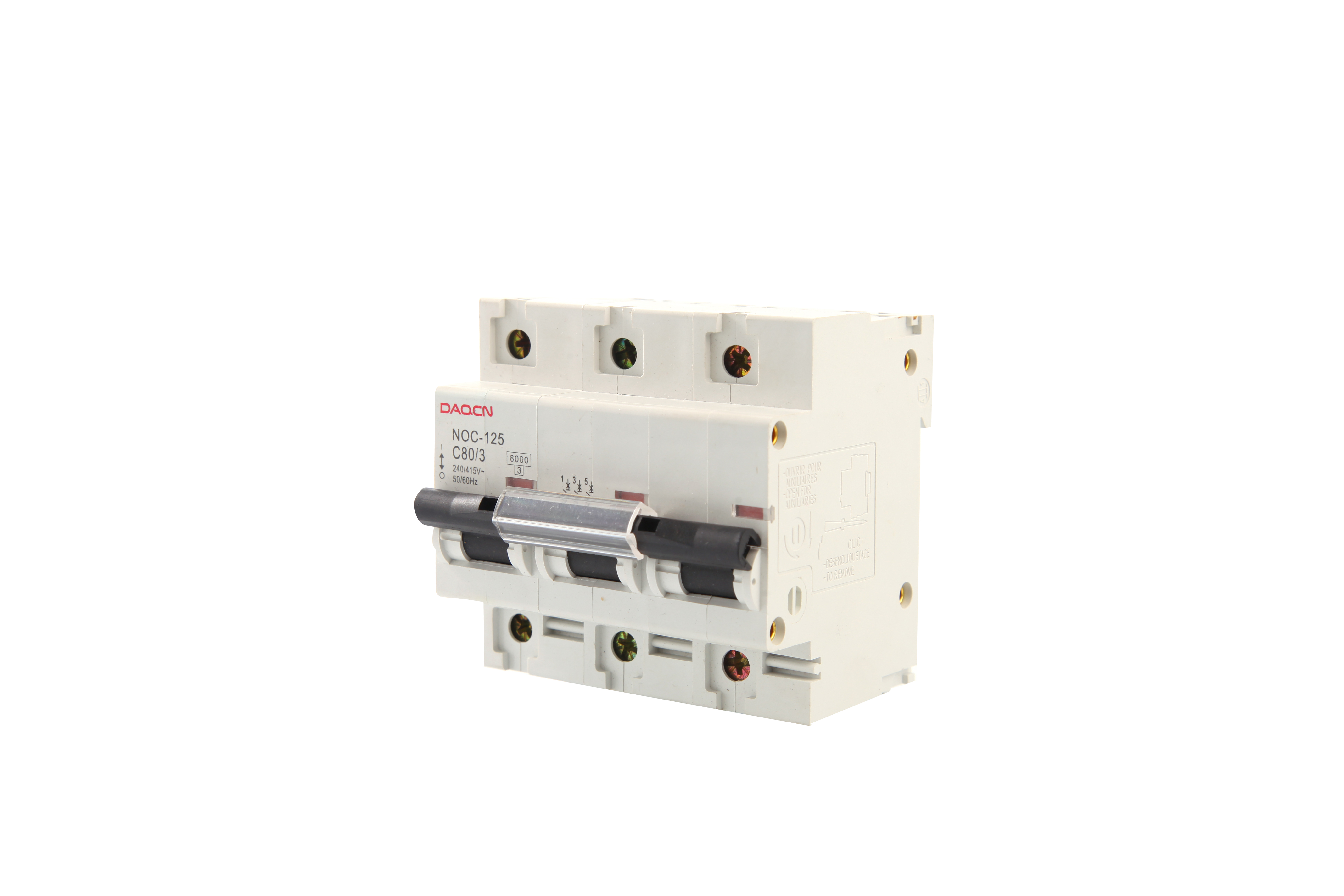
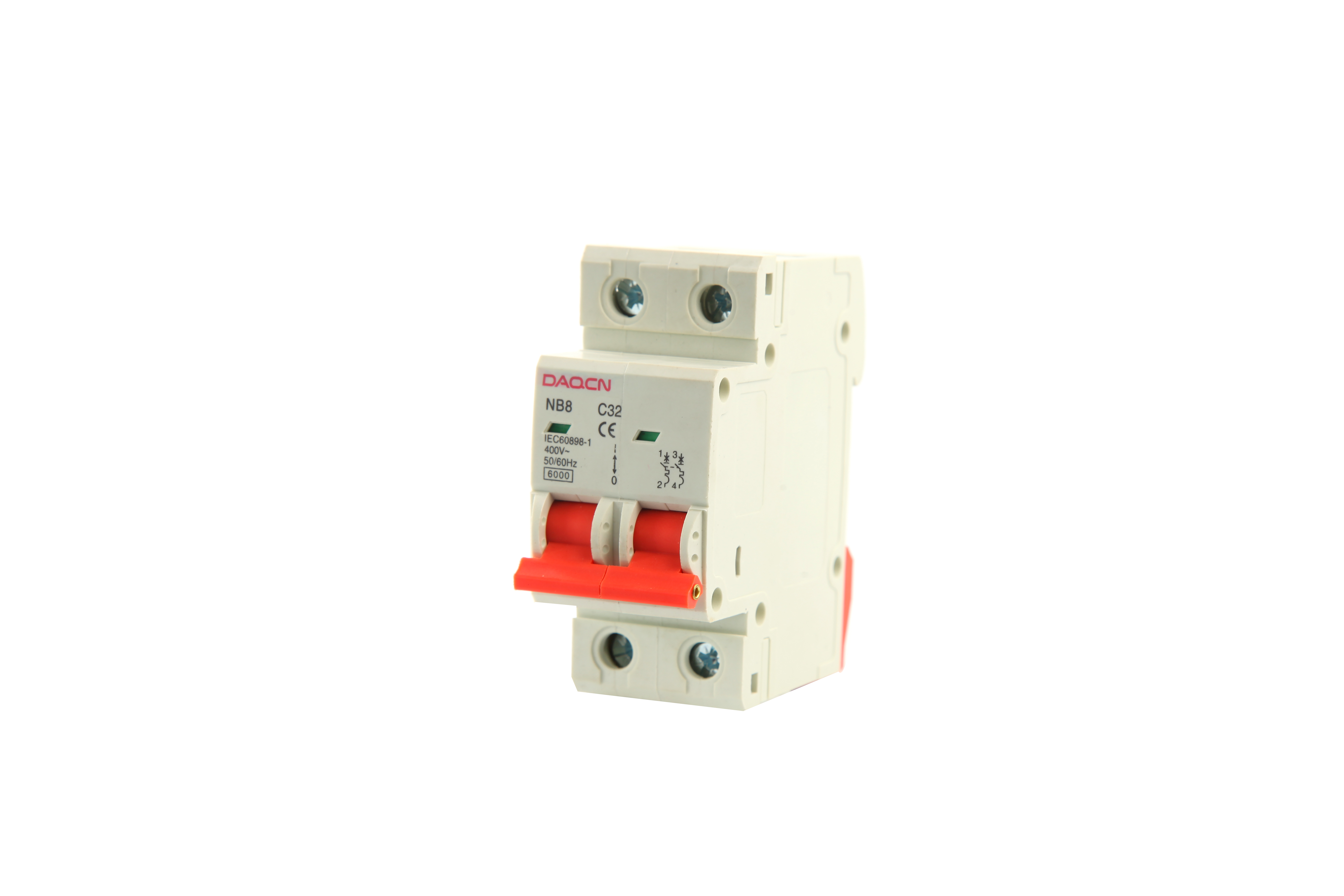
A circuit breaker for motor control represents an essential electrical protection device that combines the functionality of traditional circuit breakers with specialized features designed specifically for motor applications. This sophisticated device serves as both a protective mechanism and a control element, ensuring safe and efficient operation of electric motors across various industrial and commercial settings. The circuit breaker for motor control operates by monitoring electrical current flow and automatically interrupting the circuit when abnormal conditions occur, such as overcurrent, short circuits, or ground faults. Unlike standard circuit breakers, these specialized units incorporate advanced thermal and magnetic protection elements that accommodate the unique starting characteristics of electric motors. During motor startup, these devices allow for temporary current surges while maintaining protection against sustained overloads. The technological features of a circuit breaker for motor control include adjustable trip settings, which enable precise calibration based on specific motor requirements. Many modern units feature electronic trip units with digital displays, providing real-time monitoring of electrical parameters such as current, voltage, and power consumption. Remote control capabilities allow operators to start, stop, and monitor motor circuits from centralized control panels or through automated systems. Temperature compensation features ensure consistent performance across varying environmental conditions, while arc extinction technology safely manages the high-energy arcs that can occur during circuit interruption. Applications for circuit breaker motor control span numerous industries, including manufacturing facilities, HVAC systems, water treatment plants, and mining operations. These devices protect expensive motor equipment from damage while ensuring compliance with electrical safety standards. In manufacturing environments, they safeguard production machinery, conveyor systems, and robotic equipment. HVAC applications benefit from their ability to protect large compressors and ventilation fans. The versatility of circuit breaker motor control makes them indispensable components in modern electrical systems where motor reliability and safety are paramount concerns.

New Products

The advantages of using a circuit breaker for motor control extend far beyond basic electrical protection, offering significant benefits that directly impact operational efficiency and cost savings. First and foremost, these devices provide comprehensive motor protection that prevents costly equipment damage and unexpected downtime. When motors experience overload conditions or electrical faults, the circuit breaker for motor control responds instantly, stopping damage before it occurs and saving thousands of dollars in repair or replacement costs. This proactive protection approach means your operations continue running smoothly without interruptions that could affect productivity and profitability. Another major advantage lies in the enhanced safety features that protect both equipment and personnel. Circuit breaker motor control devices eliminate dangerous electrical conditions that could lead to fires, explosions, or electrocution hazards. The built-in ground fault protection detects even small electrical leaks that could create unsafe conditions, automatically shutting down the circuit before anyone gets hurt. This safety enhancement reduces liability concerns and creates a safer working environment for your employees. The convenience factor cannot be overlooked when considering circuit breaker motor control advantages. These devices combine multiple functions into a single unit, eliminating the need for separate contactors, overload relays, and disconnect switches. This integration simplifies installation, reduces panel space requirements, and minimizes wiring complexity. Maintenance becomes easier because technicians only need to work with one device instead of multiple components, reducing service time and associated costs. Energy efficiency represents another compelling advantage of modern circuit breaker motor control systems. Advanced models include energy monitoring capabilities that track power consumption patterns, helping identify inefficient operations and opportunities for energy savings. Some units can automatically optimize motor performance based on load conditions, reducing energy waste and lowering utility bills. The diagnostic capabilities built into many circuit breaker motor control devices provide valuable insights into motor performance and health. Real-time monitoring alerts operators to developing problems before they cause failures, enabling predictive maintenance strategies that maximize equipment lifespan. Historical data collection helps identify trends and patterns that inform better operational decisions. Finally, the flexibility and adaptability of circuit breaker motor control systems make them suitable for diverse applications and changing operational requirements. Adjustable settings allow fine-tuning for different motor types and operating conditions, while communication interfaces enable integration with modern automation systems and smart grid technologies.

Tips And Tricks

What is a timer relay and how does it work in 2025?

25

Dec

What is a timer relay and how does it work in 2025?

A timer relay represents one of the most essential components in modern electrical control systems, providing precise timing functions across countless industrial applications. These sophisticated devices combine traditional relay switching capabilit...
View More
What makes relay switching faster than manual controls?

25

Dec

What makes relay switching faster than manual controls?

Modern industrial automation demands precision, speed, and reliability that manual control systems simply cannot match. The evolution from manual switching to automated relay systems represents one of the most significant advances in electrical contr...
View More
Which relay type offers the best durability for my needs?

06

Jan

Which relay type offers the best durability for my needs?

Selecting the right relay for your application requires understanding the various types available and their durability characteristics. Industrial professionals face numerous options when choosing between electromagnetic relays, solid-state relays, a...
View More
How to select the right timer relay for your project?

06

Jan

How to select the right timer relay for your project?

Selecting the appropriate timer relay for industrial applications requires careful consideration of various technical specifications and operational requirements. A timer relay serves as a critical component in automation systems, controlling time-de...
View More

Get a Free Quote

Our representative will contact you soon.
Email
Name
Company Name
Mobile/WhatsApp
Message
0/1000

circuit breaker for motor control

Advanced Protection Technology with Intelligent Trip Curves

Advanced Protection Technology with Intelligent Trip Curves

The circuit breaker for motor control incorporates sophisticated protection technology that sets it apart from conventional protective devices through its intelligent trip curve functionality and adaptive protection algorithms. This advanced system utilizes precisely engineered thermal-magnetic characteristics specifically designed to accommodate the unique electrical behavior of motors during various operating phases. During motor startup, when current can reach six to eight times the rated running current, the circuit breaker for motor control employs time-delayed trip curves that permit these necessary inrush currents while maintaining vigilant protection against genuine fault conditions. The intelligent trip system distinguishes between normal startup transients and actual overcurrent faults through advanced sensing technology that analyzes current waveforms and duration patterns. This sophisticated approach prevents nuisance tripping that could disrupt operations while ensuring immediate protection when real hazards occur. The protection technology extends beyond basic overcurrent detection to include comprehensive fault analysis capabilities. Ground fault protection monitors for leakage currents that could indicate insulation breakdown or moisture infiltration, conditions that often precede more serious failures. Phase loss detection immediately identifies when one phase of a three-phase motor supply fails, preventing damaging single-phase operation that could destroy motor windings. Voltage monitoring ensures motors operate within acceptable parameters, protecting against both overvoltage and undervoltage conditions that can cause premature failure. The adaptive nature of the protection algorithms means the circuit breaker for motor control continuously learns and adjusts to the specific characteristics of the connected motor, optimizing protection sensitivity while minimizing false trips. Temperature compensation features automatically adjust trip thresholds based on ambient conditions, ensuring consistent protection performance regardless of environmental variations. Arc fault detection technology identifies dangerous arcing conditions that could lead to fires, providing an additional layer of safety protection. The integration of multiple protection functions into a single, coordinated system ensures comprehensive motor protection while simplifying system design and reducing potential points of failure compared to systems using multiple separate protective devices.
Integrated Control and Monitoring Capabilities

Integrated Control and Monitoring Capabilities

Modern circuit breaker for motor control devices represent a significant advancement in electrical control technology by seamlessly integrating comprehensive monitoring, control, and communication capabilities into a single, sophisticated unit. This integration eliminates the traditional separation between protection and control functions, creating a unified solution that enhances operational efficiency while reducing system complexity and installation costs. The integrated control functionality allows operators to start, stop, and manage motor operations directly through the circuit breaker for motor control, eliminating the need for separate contactors and control relays in many applications. Local control interfaces provide immediate access to essential functions, while remote control capabilities enable centralized management of multiple motors from control rooms or supervisory systems. The monitoring capabilities embedded within these devices provide unprecedented visibility into motor performance and electrical parameters. Real-time measurement of current, voltage, power, and frequency gives operators instant insight into motor operating conditions, enabling proactive management and optimization. Power quality monitoring identifies harmonic distortion, voltage fluctuations, and other electrical anomalies that could affect motor performance or indicate problems elsewhere in the electrical system. Energy consumption tracking provides detailed data for efficiency analysis and cost allocation, supporting sustainability initiatives and operational optimization efforts. Historical data logging captures performance trends over time, enabling predictive maintenance strategies and facilitating troubleshooting when problems occur. Communication interfaces built into the circuit breaker for motor control support integration with modern automation systems, SCADA networks, and Industrial Internet of Things platforms. Standard protocols such as Modbus, Ethernet/IP, and Profibus ensure compatibility with existing control infrastructure while supporting future expansion and upgrades. Alarm and notification systems can alert maintenance personnel to developing problems before they cause failures, reducing downtime and maintenance costs. The diagnostic capabilities of integrated circuit breaker motor control systems extend far beyond basic parameter monitoring to include sophisticated analysis functions that identify subtle performance changes indicating potential problems. Vibration monitoring through current signature analysis can detect mechanical issues such as bearing wear or shaft misalignment without requiring additional sensors. Insulation monitoring tracks the health of motor windings, providing early warning of deterioration that could lead to failures.
Simplified Installation and Maintenance Benefits

Simplified Installation and Maintenance Benefits

The circuit breaker for motor control delivers exceptional value through its streamlined installation process and simplified maintenance requirements, significantly reducing both initial implementation costs and ongoing operational expenses. Traditional motor control systems typically require multiple separate components including contactors, overload relays, disconnect switches, and control transformers, each requiring individual mounting, wiring, and configuration. The integrated design of a circuit breaker for motor control eliminates this complexity by combining all essential functions into a single compact unit that can be installed quickly and efficiently with minimal wiring requirements. This consolidation reduces installation time by up to sixty percent compared to conventional systems, translating directly into lower labor costs and faster project completion. The standardized mounting configurations and connection methods ensure compatibility with existing electrical panels and infrastructure, minimizing the need for costly modifications or specialized installation procedures. Pre-configured settings and plug-and-play connectivity options further accelerate installation while reducing the potential for wiring errors that could cause operational problems or safety hazards. The maintenance advantages of circuit breaker motor control systems stem from their integrated design and advanced diagnostic capabilities. Instead of troubleshooting multiple separate devices when problems occur, maintenance technicians work with a single unit that provides comprehensive diagnostic information and self-monitoring capabilities. Built-in test functions allow verification of protective settings and operational parameters without requiring external test equipment or complex procedures. Status indicators and display screens provide immediate visual confirmation of device condition and operational status, enabling rapid assessment during routine inspections. The modular construction of many circuit breaker motor control units allows replacement of individual components without disturbing the entire system, minimizing downtime during maintenance activities. Predictive maintenance capabilities built into advanced models monitor device health and performance trends, alerting maintenance personnel to developing issues before they cause failures. This proactive approach enables scheduled maintenance during planned outages rather than emergency repairs during critical operations. The reduced component count inherent in integrated circuit breaker motor control systems directly correlates to improved reliability and reduced maintenance requirements. Fewer connections mean fewer potential failure points, while the coordinated design ensures optimal interaction between protection and control functions. Firmware updates can be applied remotely in many cases, adding new features and improvements without requiring physical device replacement. The comprehensive documentation and diagnostic data provided by these systems simplify troubleshooting procedures and reduce the specialized knowledge required for effective maintenance, making it easier to train personnel and ensure consistent service quality across multiple facilities and applications.

Get a Free Quote

Our representative will contact you soon.
Email
Name
Company Name
Mobile/WhatsApp
Message
0/1000