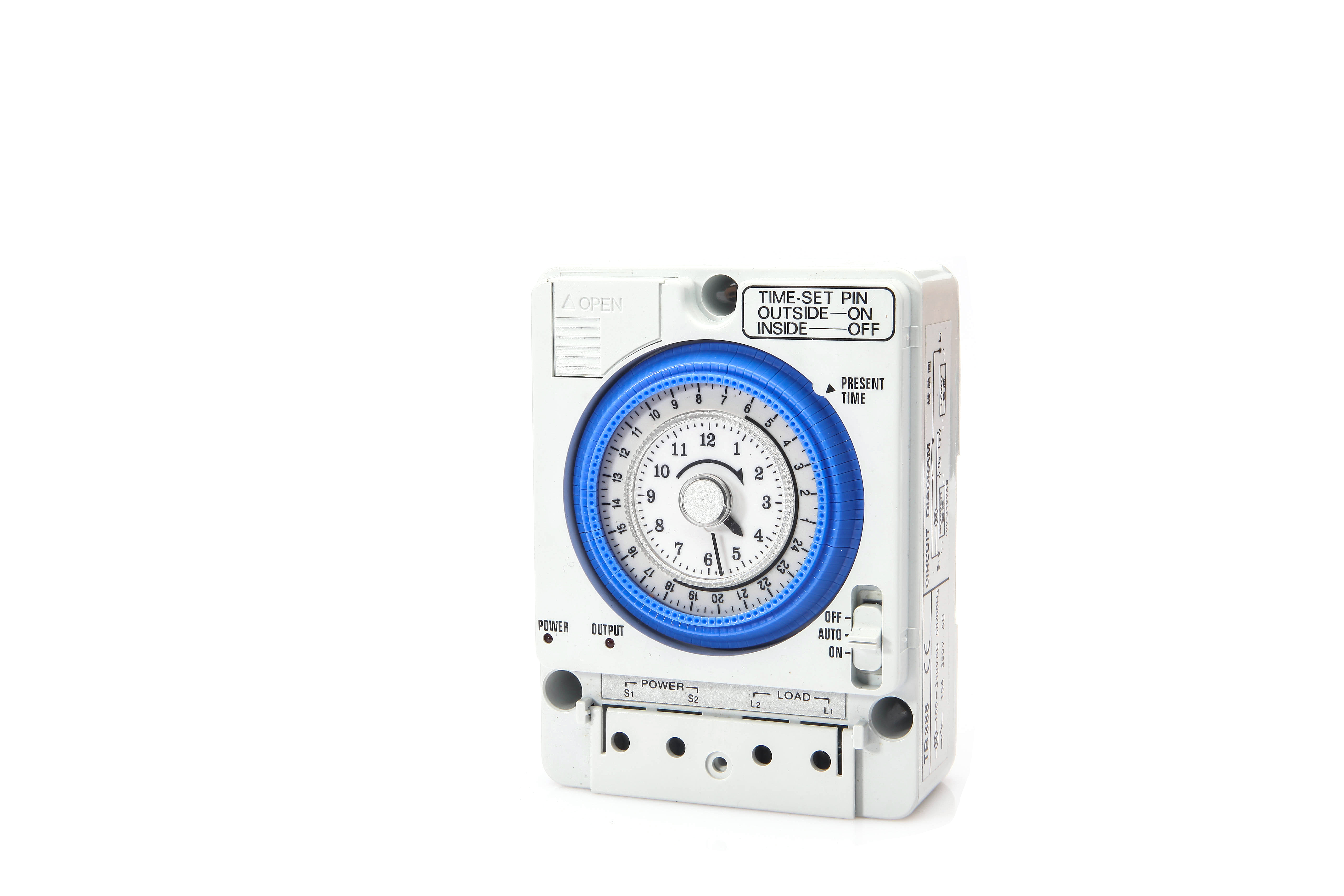
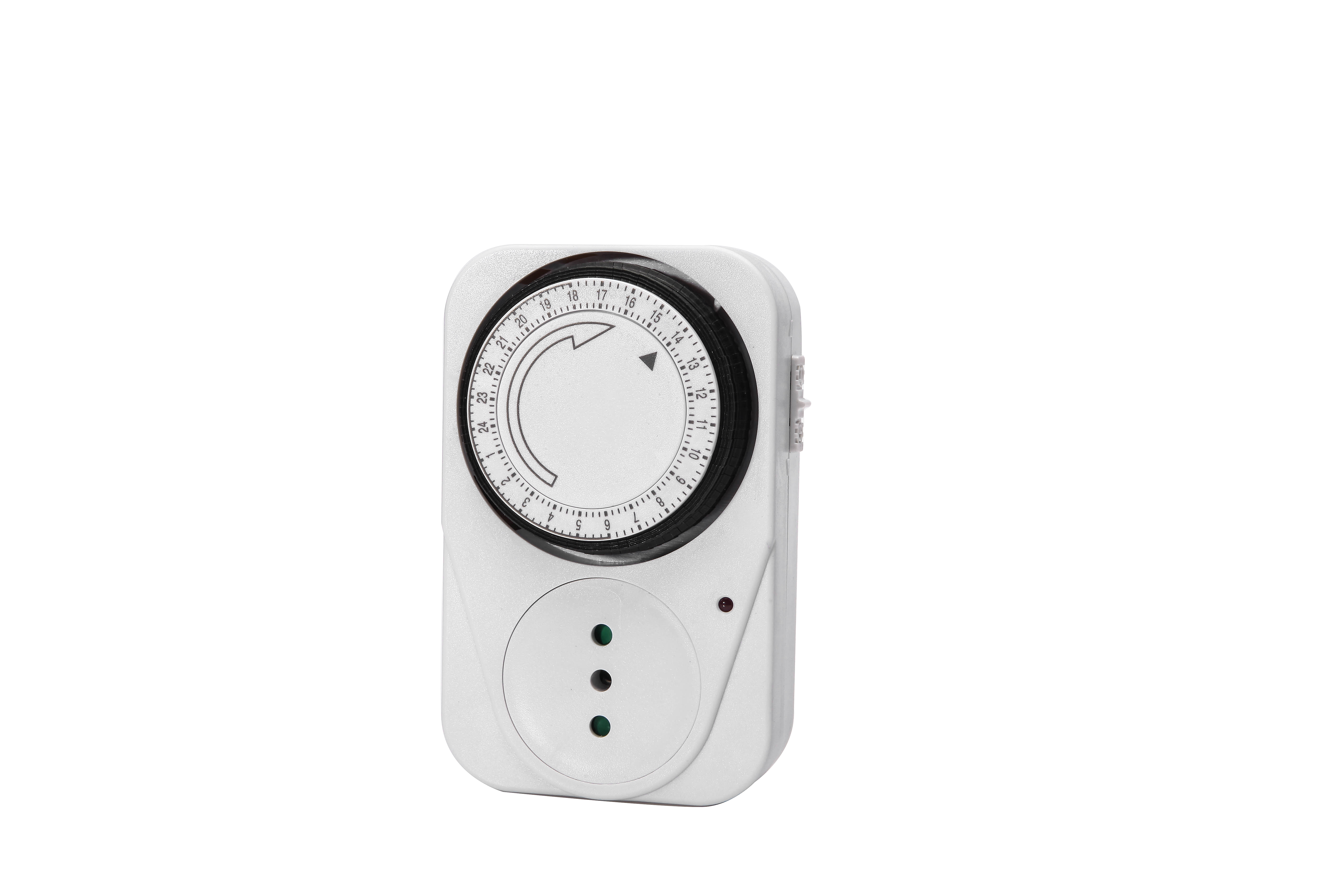
Industrial Timer Switch - Advanced Programmable Control Solutions for Automated Equipment Management

All Categories

Get a Free Quote

Our representative will contact you soon.
Email
Name
Company Name
Mobile/WhatsApp
Message
0/1000

industrial timer switch

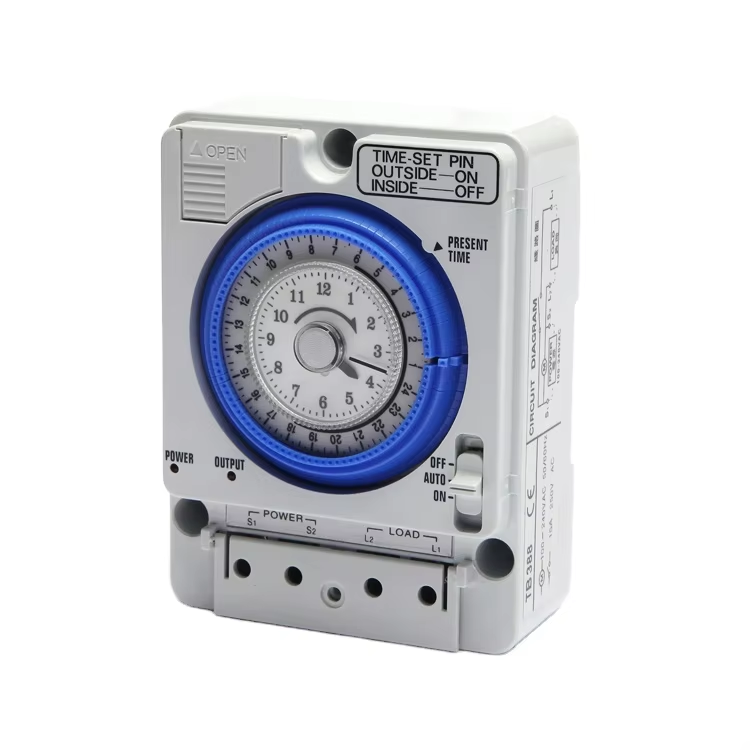
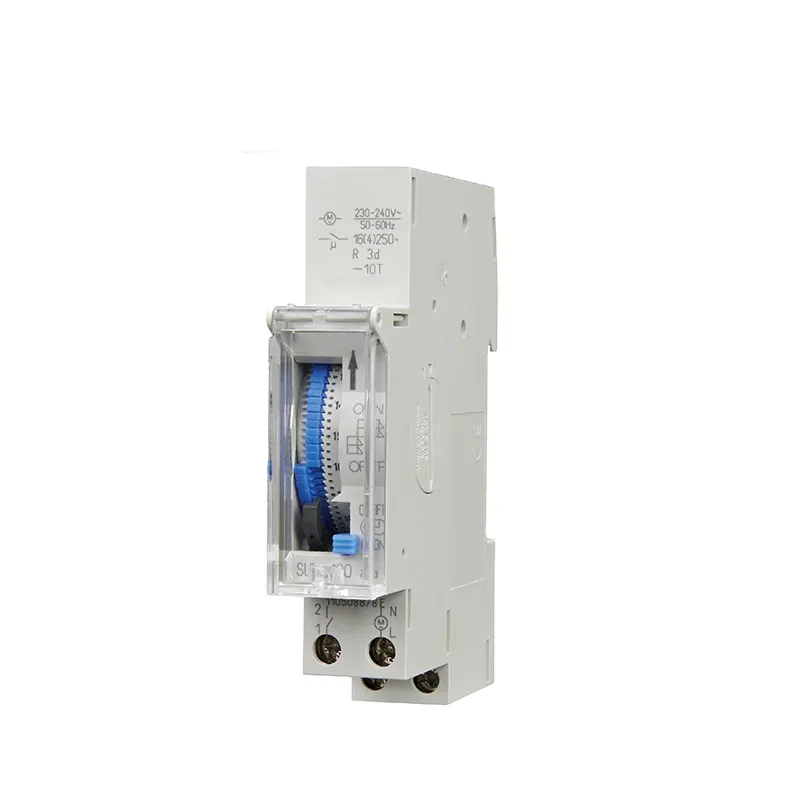
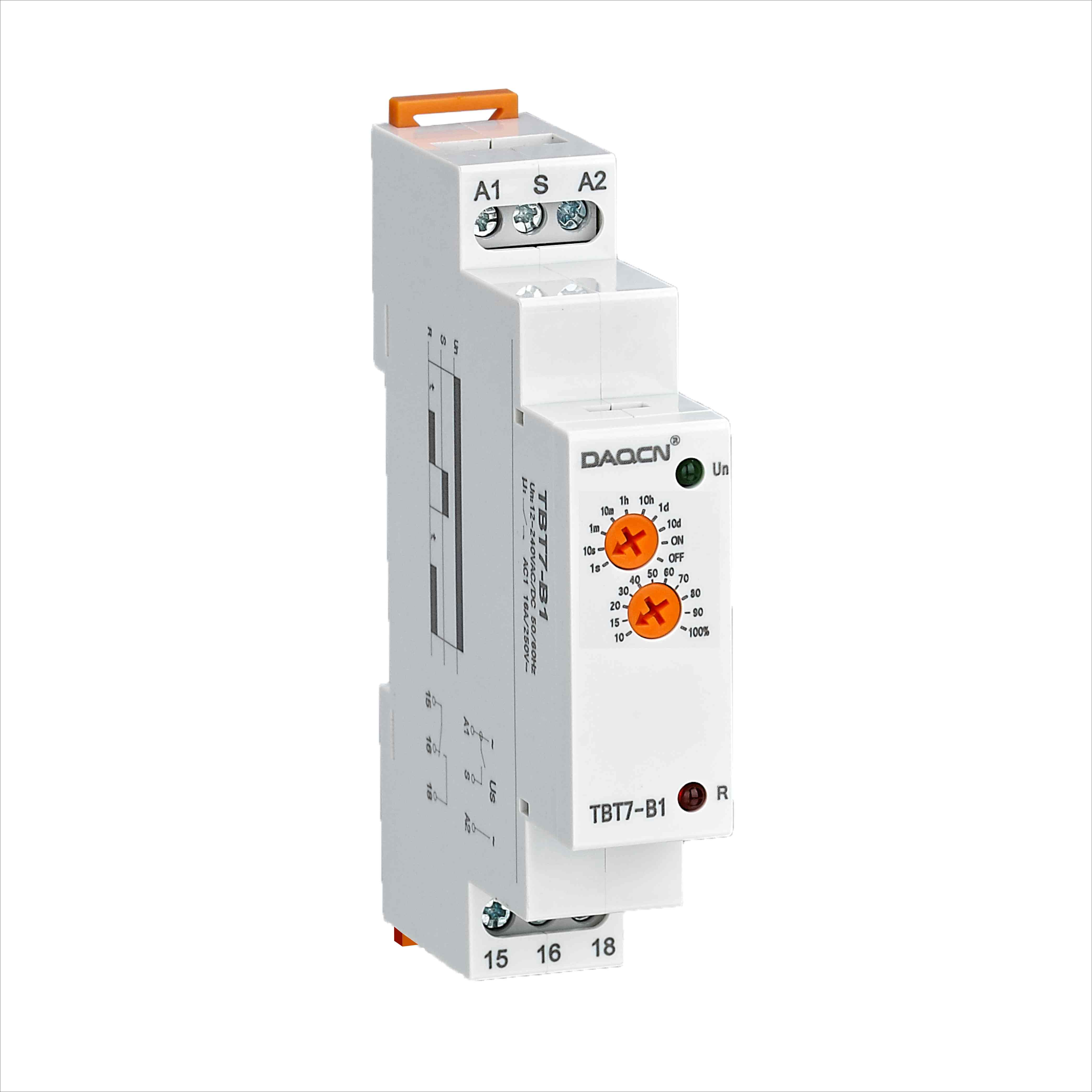
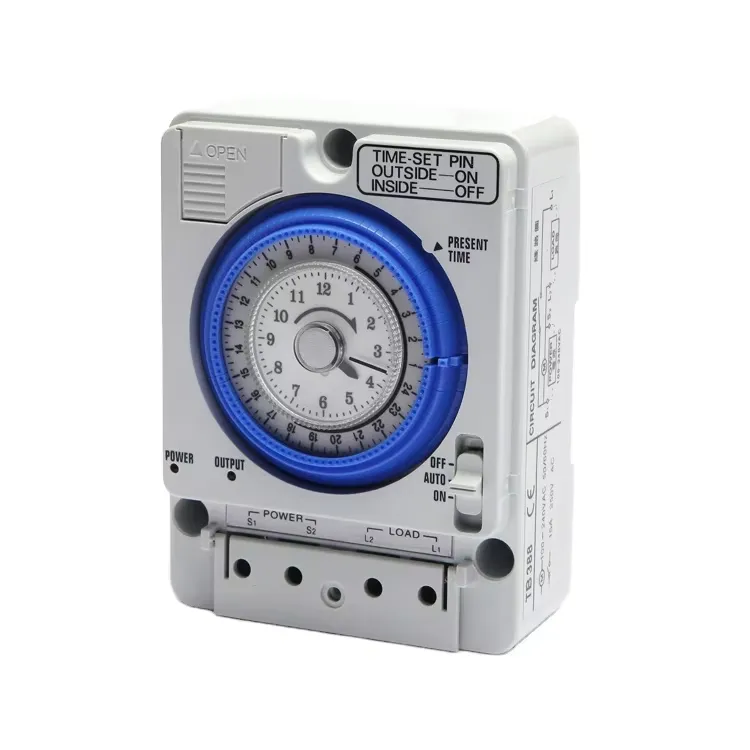
An industrial timer switch represents a sophisticated control device engineered to manage electrical circuits and equipment operations with precise timing capabilities across demanding manufacturing and commercial environments. These robust devices function as automated scheduling systems that activate or deactivate electrical loads at predetermined intervals, ensuring consistent operational efficiency while reducing manual intervention requirements. The industrial timer switch incorporates advanced microprocessor technology, delivering exceptional accuracy in time measurement and execution of switching commands. Modern units feature programmable interfaces that accommodate multiple timing patterns, from simple on-off cycles to complex weekly schedules with hundreds of switching events. The device typically operates through electromagnetic relay systems or solid-state switching mechanisms, providing reliable performance under harsh industrial conditions including extreme temperatures, vibration, and electromagnetic interference. Key technological features include battery backup systems that maintain programmed settings during power outages, ensuring continuous operation without reprogramming requirements. Digital displays provide clear visibility of current settings and remaining time intervals, while intuitive programming interfaces enable quick configuration changes. Many industrial timer switch models incorporate communication protocols such as Modbus or Ethernet connectivity, facilitating integration with supervisory control systems and remote monitoring capabilities. The switching capacity ranges from low-power signal applications to heavy-duty loads exceeding several hundred amperes, accommodating diverse industrial requirements. Protection features include surge suppression, overload detection, and fail-safe mechanisms that prevent equipment damage during abnormal operating conditions. These devices support various timing modes including interval timing, delay-on-make, delay-on-break, and cycling operations, providing flexibility for different application needs. The industrial timer switch construction utilizes materials resistant to corrosion, moisture, and chemical exposure, ensuring longevity in challenging industrial environments while maintaining consistent performance standards throughout extended operational periods.

New Products

Industrial timer switch technology delivers substantial operational benefits that directly impact productivity, energy efficiency, and maintenance costs across diverse industrial applications. The primary advantage lies in automated scheduling capabilities that eliminate human error while ensuring consistent equipment operation regardless of staff availability or shift changes. This automation reduces labor costs by minimizing the need for manual equipment activation and monitoring, allowing personnel to focus on higher-value tasks that require specialized skills and attention. Energy conservation represents another significant benefit, as precise timing control prevents unnecessary equipment operation during non-productive periods, resulting in measurable reductions in electricity consumption and associated utility costs. The programmable nature of these devices enables optimized equipment utilization patterns that align with production schedules, peak demand periods, and energy rate structures, maximizing operational efficiency while minimizing expenses. Enhanced equipment protection emerges through controlled startup sequences and regulated operating cycles that reduce mechanical stress and extend component lifespan, resulting in lower maintenance requirements and reduced replacement costs over time. The industrial timer switch provides consistent performance standards that improve product quality by ensuring equipment operates within specified parameters and timing requirements, eliminating variations that could compromise manufacturing processes or output specifications. Safety improvements result from automated shutdown procedures that activate during emergency conditions or maintenance periods, protecting both personnel and equipment from potential hazards associated with uncontrolled operation. Remote monitoring and control capabilities enable real-time oversight of distributed equipment installations, allowing operators to detect issues promptly and implement corrective actions before problems escalate into costly failures or production delays. The flexibility of programmable timing patterns accommodates seasonal variations, production changes, and maintenance schedules without requiring hardware modifications or system reconfiguration, providing adaptability that supports evolving operational requirements. Data logging features available in advanced models create comprehensive operational records that support performance analysis, maintenance planning, and regulatory compliance documentation, delivering valuable insights for continuous improvement initiatives. Integration capabilities with existing control systems streamline implementation while preserving investments in current infrastructure, ensuring seamless operation without requiring comprehensive system overhauls or extensive personnel retraining programs.

Latest News

What is a timer relay and how does it work in 2025?

25

Dec

What is a timer relay and how does it work in 2025?

A timer relay represents one of the most essential components in modern electrical control systems, providing precise timing functions across countless industrial applications. These sophisticated devices combine traditional relay switching capabilit...
View More
When should you replace a faulty relay in your system?

25

Dec

When should you replace a faulty relay in your system?

Industrial electrical systems depend heavily on reliable switching components, and understanding when to replace critical components can prevent costly downtime and equipment failure. A relay serves as an electromagnetic switch that controls high-pow...
View More
Why choose analog vs digital timer relay systems?

06

Jan

Why choose analog vs digital timer relay systems?

Industrial automation demands precise timing control, and selecting the right timer relay system can significantly impact operational efficiency and maintenance costs. The choice between analog and digital timer relay technologies represents a fundam...
View More
What is an energy meter and how does it work in 2025?

06

Jan

What is an energy meter and how does it work in 2025?

In today's increasingly connected world, understanding energy consumption has become essential for both residential and commercial applications. An energy meter serves as the fundamental device that measures electrical energy consumption in buildings...
View More

Get a Free Quote

Our representative will contact you soon.
Email
Name
Company Name
Mobile/WhatsApp
Message
0/1000

industrial timer switch

Advanced Programmable Control Technology

Advanced Programmable Control Technology

The sophisticated programmable control technology integrated within modern industrial timer switch systems represents a revolutionary advancement in automated equipment management, delivering unprecedented precision and flexibility for complex industrial applications. This advanced technology incorporates high-resolution microprocessors that execute timing functions with millisecond accuracy, ensuring consistent performance even in applications requiring extremely precise timing intervals. The programmable interface supports multiple timing modes simultaneously, enabling operators to configure complex scheduling patterns that accommodate varying operational requirements throughout different production cycles, seasonal demands, and maintenance windows. Users can establish intricate timing sequences that include delayed starts, staged equipment activation, and coordinated shutdown procedures that optimize system performance while protecting valuable equipment from operational stress. The programming capabilities extend beyond simple on-off functions to include sophisticated logic operations that respond to external inputs, sensor feedback, and system conditions, creating intelligent control solutions that adapt automatically to changing operational parameters. Memory storage systems preserve multiple program configurations, allowing operators to switch between different operational modes without reprogramming requirements, significantly reducing setup time and minimizing the potential for configuration errors. The industrial timer switch programming interface typically features intuitive menu systems and clear display screens that simplify configuration processes, enabling personnel with varying technical backgrounds to implement complex timing strategies effectively. Advanced models incorporate simulation modes that allow operators to test programming logic before implementation, preventing costly mistakes and ensuring optimal performance from the initial deployment. The technology supports cascading operations where multiple timer switches coordinate their activities to create sophisticated automation sequences that would be impossible to achieve through manual control methods. Real-time monitoring capabilities provide continuous feedback on system performance, enabling operators to identify optimization opportunities and detect potential issues before they impact production schedules or equipment reliability. The programmable technology also includes diagnostic features that monitor internal functions and alert operators to maintenance requirements or component degradation, supporting proactive maintenance strategies that minimize unexpected downtime and extend equipment service life.
Robust Industrial-Grade Construction

Robust Industrial-Grade Construction

The exceptional durability and reliability of industrial timer switch construction represents a critical advantage for demanding manufacturing environments where equipment failure can result in significant production losses and safety hazards. These devices undergo rigorous engineering processes that ensure consistent performance under extreme conditions including temperature fluctuations ranging from sub-zero environments to high-heat industrial processes, vibration from heavy machinery operations, and exposure to corrosive chemicals commonly found in manufacturing facilities. The housing materials utilize specialized polymers and metal alloys that resist degradation from ultraviolet radiation, moisture infiltration, and chemical exposure while maintaining structural integrity throughout extended service periods. Sealing systems incorporate advanced gasket technologies and precision-machined surfaces that prevent contamination from dust, oil, and other particulates that could compromise internal components or affect switching accuracy. The internal components feature industrial-grade specifications that exceed commercial standards, including enhanced temperature ratings, extended contact life ratings, and improved insulation properties that ensure reliable operation throughout the expected service life. Electromagnetic interference shielding protects sensitive control circuits from disruption caused by nearby equipment operations, ensuring consistent timing accuracy even in electrically noisy industrial environments. The switching mechanisms utilize proven relay technologies or solid-state components specifically selected for their ability to handle frequent switching cycles without degradation, supporting applications that require thousands of operations daily over multiple years of service. Quality assurance testing procedures subject each industrial timer switch to accelerated aging tests, thermal cycling, vibration testing, and electrical stress evaluations that simulate years of operational conditions before shipment, ensuring reliable performance from initial installation. The modular construction approach enables field servicing and component replacement without requiring complete device replacement, reducing maintenance costs and minimizing downtime associated with service activities. Surge protection circuits safeguard internal components from electrical transients and voltage spikes commonly encountered in industrial power systems, preventing damage that could result in unexpected failures or safety hazards. The robust construction extends to mounting systems and connection terminals that maintain secure installation and electrical connections despite environmental stresses and routine maintenance activities.
Comprehensive Safety and Protection Features

Comprehensive Safety and Protection Features

The extensive safety and protection features integrated into industrial timer switch systems provide essential safeguards that protect personnel, equipment, and processes from potential hazards while ensuring regulatory compliance and operational reliability. These comprehensive protection mechanisms include multiple layers of safety circuits that monitor system conditions continuously and implement automatic protective actions when abnormal conditions are detected, preventing equipment damage and reducing the risk of accidents that could endanger personnel or disrupt production operations. Emergency stop integration allows immediate shutdown of controlled equipment through manual activation or automatic triggers, providing rapid response capabilities during crisis situations while maintaining system integrity for subsequent restart procedures. Overload protection circuits monitor electrical current levels and automatically disconnect loads that exceed safe operating parameters, preventing equipment damage from electrical faults while protecting distribution systems from cascading failures. The industrial timer switch incorporates fail-safe design principles that ensure safe system states during power failures, communication interruptions, or internal component malfunctions, preventing uncontrolled equipment operation that could create hazardous conditions. Ground fault detection systems identify electrical leakage currents that indicate insulation breakdown or other electrical faults, automatically isolating affected circuits before dangerous conditions develop. Thermal monitoring capabilities track internal temperatures and implement protective measures when excessive heat conditions are detected, preventing component degradation and extending service life while maintaining safe operating conditions. Voltage monitoring circuits ensure stable power supply conditions and implement protective actions when voltage levels exceed acceptable ranges, protecting sensitive equipment from damage caused by power quality issues. The safety systems include comprehensive status indication through visual and audible alarms that alert operators to system conditions requiring attention, enabling prompt response to developing issues before they escalate into serious problems. Lockout and tagout compatibility features support safe maintenance procedures by preventing unauthorized equipment activation during service activities, protecting maintenance personnel from unexpected equipment startup. Access control mechanisms restrict programming and configuration changes to authorized personnel, preventing unauthorized modifications that could compromise safety or operational performance. Documentation and traceability features maintain comprehensive records of system operations, alarm conditions, and maintenance activities, supporting safety audits and regulatory compliance requirements while providing valuable data for continuous safety improvement initiatives.

Get a Free Quote

Our representative will contact you soon.
Email
Name
Company Name
Mobile/WhatsApp
Message
0/1000