over voltage protection circuit for ac
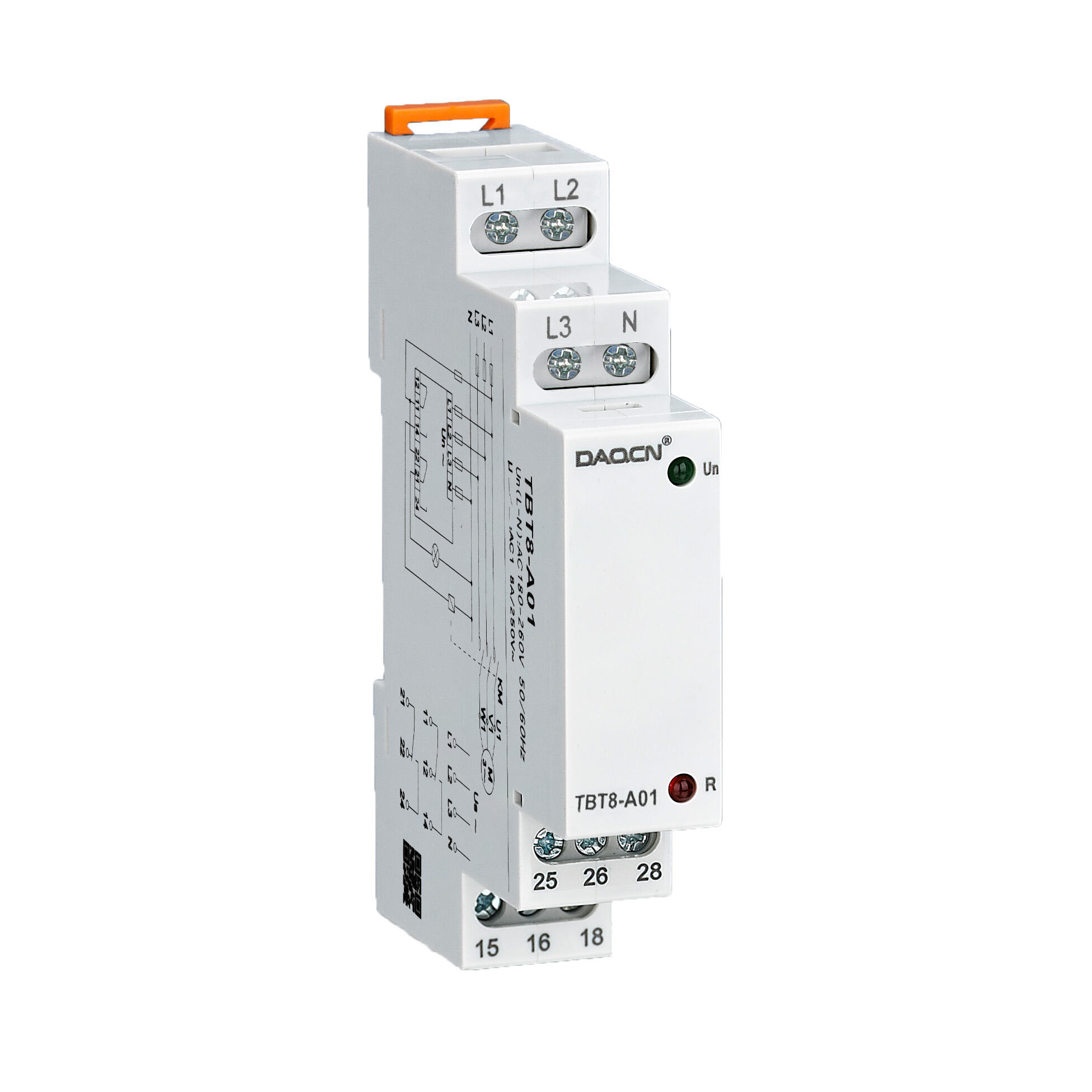
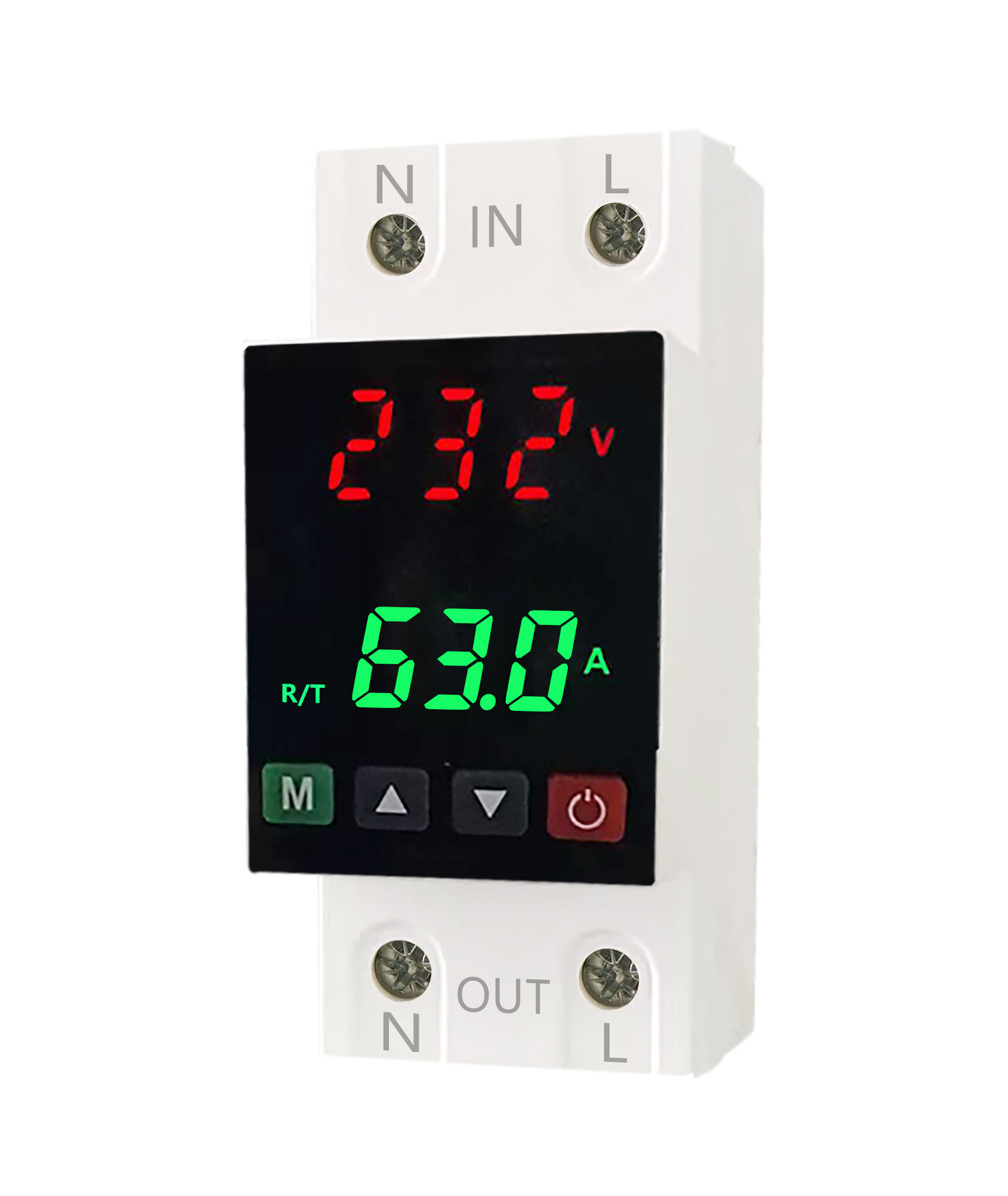
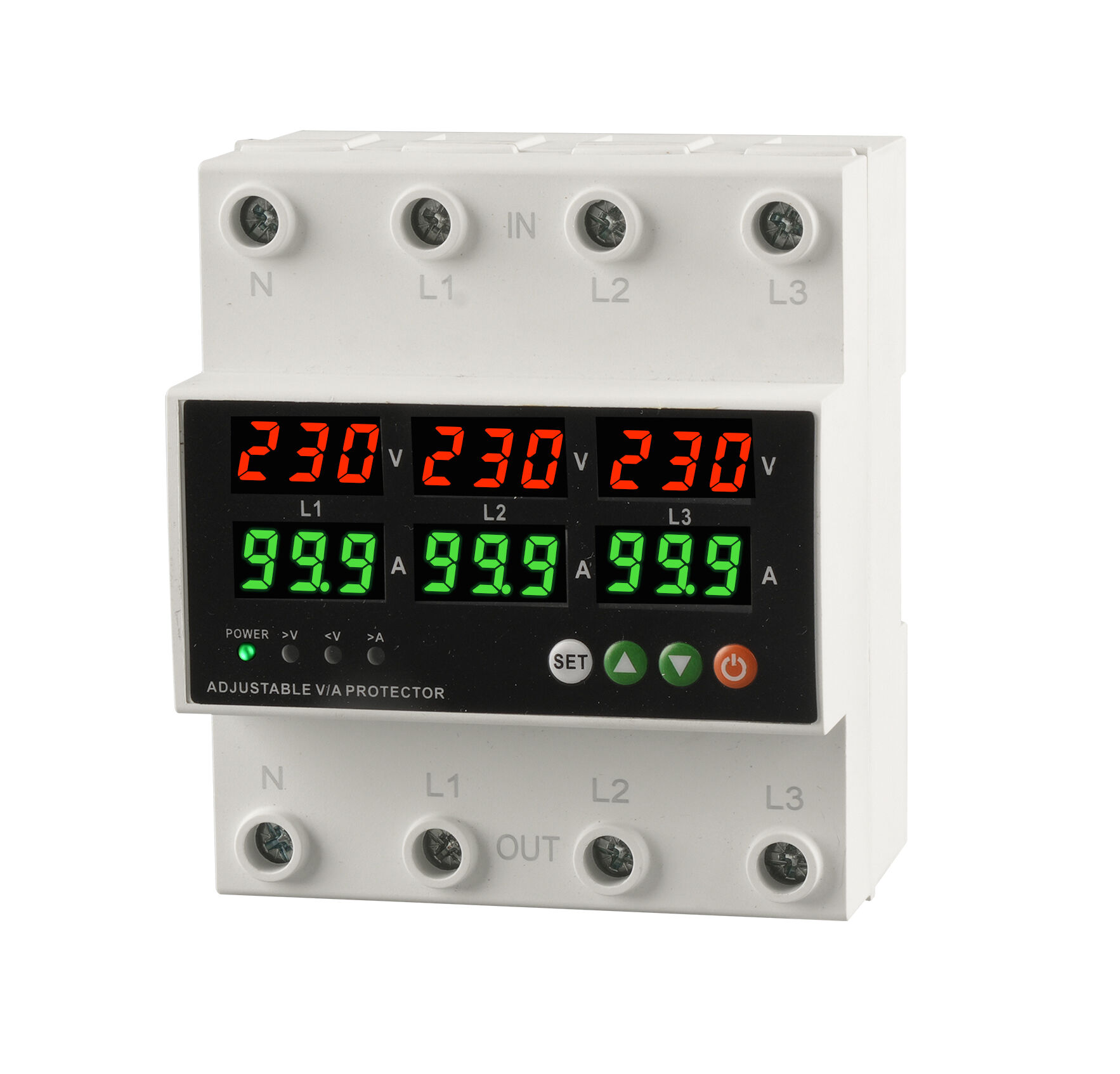
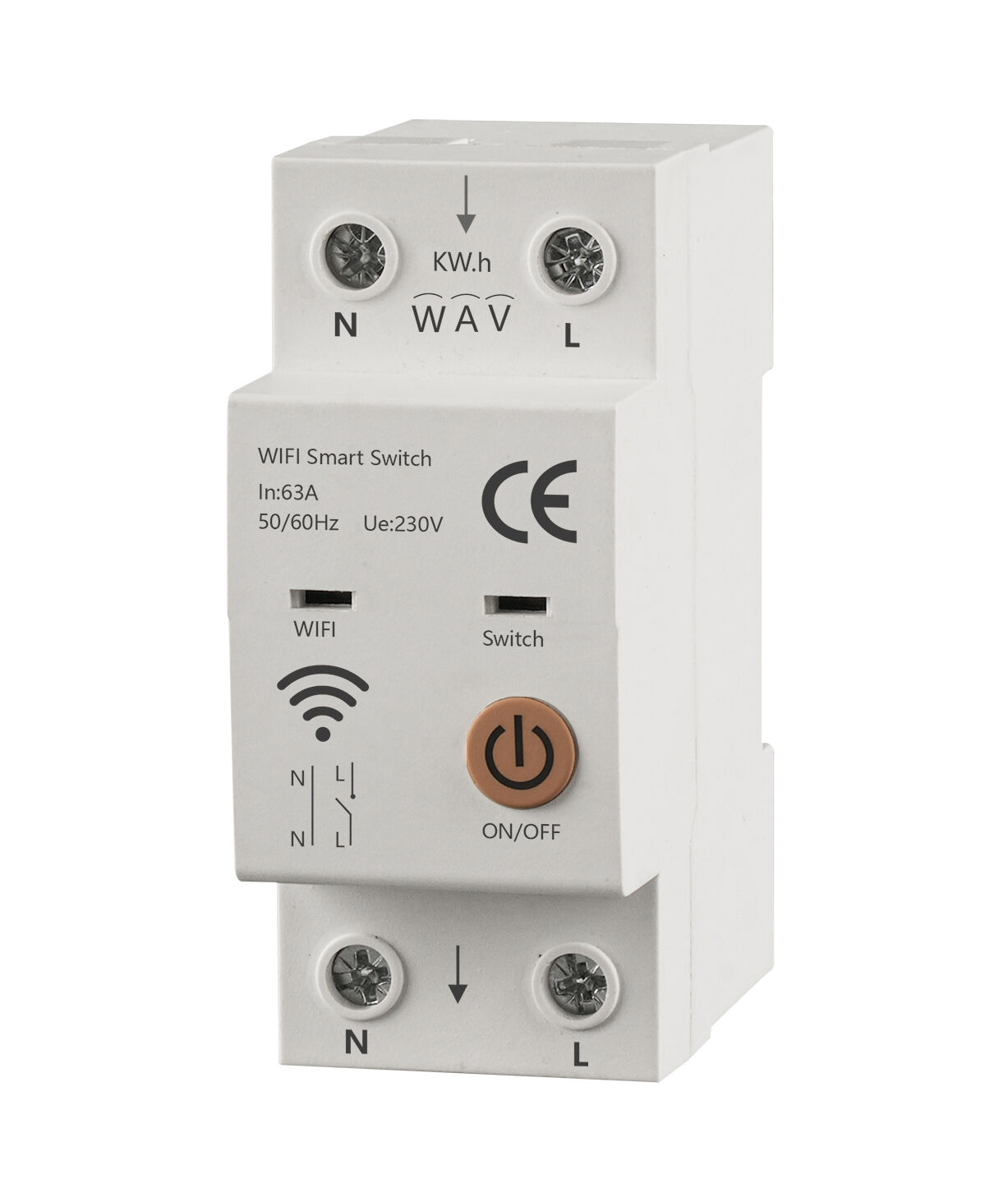
An over voltage protection circuit for ac serves as a critical safety component designed to safeguard electrical equipment and systems from potentially damaging voltage surges and spikes. This specialized protection device monitors incoming alternating current voltage levels continuously and automatically disconnects or isolates connected equipment when voltage exceeds predetermined safe thresholds. The over voltage protection circuit for ac operates through sophisticated sensing mechanisms that detect abnormal voltage conditions within microseconds, ensuring rapid response to protect valuable electrical devices from permanent damage. Modern over voltage protection circuits for ac incorporate advanced semiconductor technology, precision voltage references, and fast-acting switching components to deliver reliable protection across various voltage ranges. These circuits typically feature adjustable voltage thresholds, allowing customization based on specific application requirements and equipment sensitivity levels. The technological foundation of an over voltage protection circuit for ac includes voltage divider networks, comparator circuits, timing elements, and output switching stages that work together to provide comprehensive protection. Key functions include real-time voltage monitoring, threshold comparison, delay timing to prevent false triggering from transient spikes, and controlled disconnection of protected loads. Many over voltage protection circuits for ac also incorporate visual and audible alarm systems to alert operators of voltage anomalies and protection events. Applications span residential, commercial, and industrial environments where sensitive electronic equipment requires protection from utility voltage fluctuations, lightning-induced surges, and switching transients. The circuit design typically incorporates failsafe mechanisms ensuring protection remains active even during component aging or partial circuit failures. Integration capabilities allow these protection systems to interface with building management systems, providing remote monitoring and diagnostic capabilities. Temperature compensation features ensure consistent protection performance across varying environmental conditions, while compact designs facilitate easy installation in existing electrical panels and distribution systems.
 EN
EN