Industrial PLC Terminal Blocks - Advanced Connection Solutions for Automation Systems

All Categories

Get a Free Quote

Our representative will contact you soon.
Email
Name
Company Name
Mobile/WhatsApp
Message
0/1000

plc terminal block

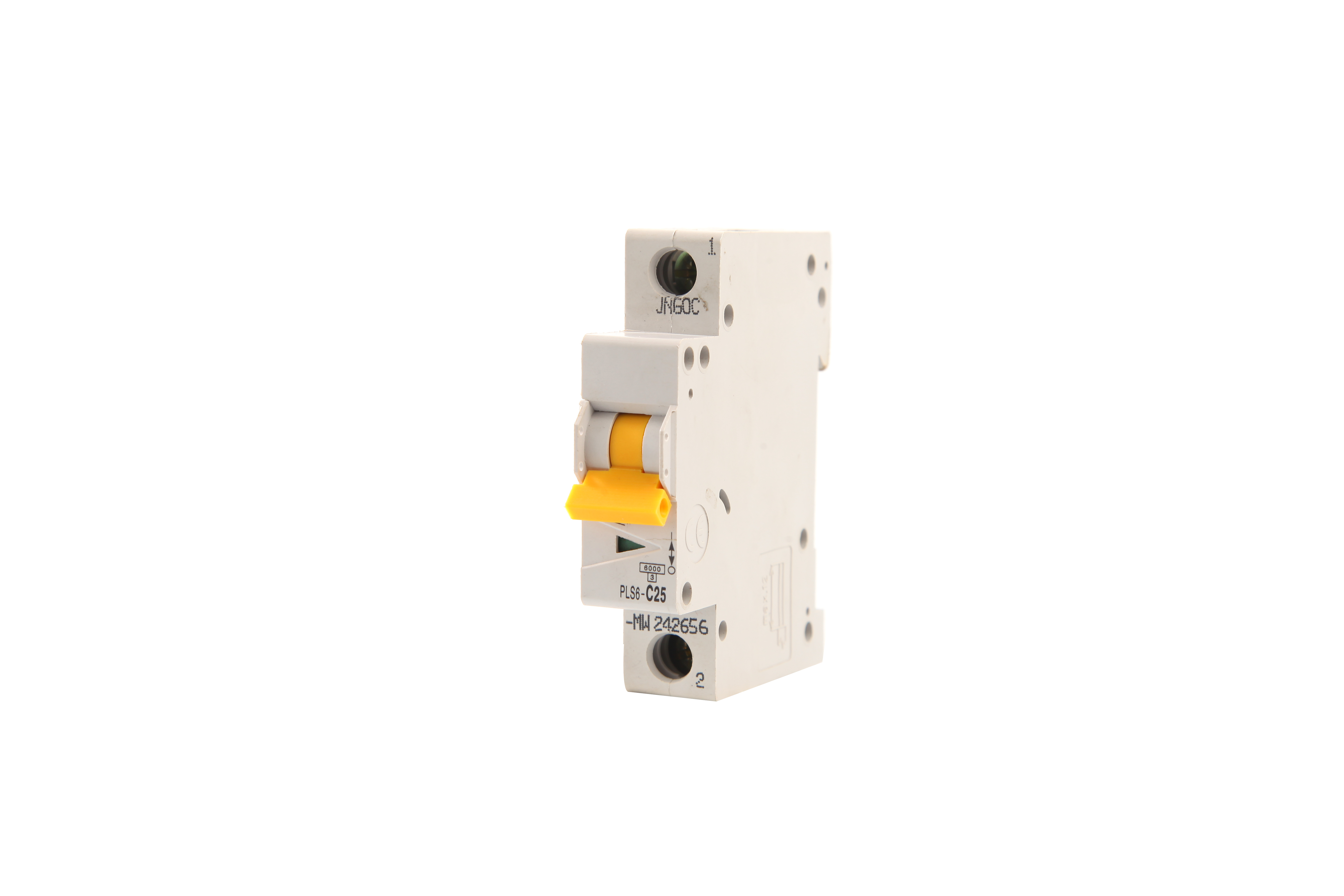
A plc terminal block serves as a crucial interface component in programmable logic controller systems, establishing secure electrical connections between field devices and control modules. This specialized hardware component facilitates the organized distribution of signals, power, and communication lines throughout industrial automation networks. The plc terminal block functions as a centralized hub where various sensors, actuators, and other field instruments connect to the main controller unit, ensuring reliable data transmission and operational control. Modern plc terminal blocks incorporate advanced design features that enhance system reliability while simplifying installation procedures. These components support multiple signal types including digital inputs, digital outputs, analog signals, and communication protocols, making them versatile solutions for diverse industrial applications. The terminal block design includes clearly marked connection points, removable elements for maintenance access, and standardized mounting systems compatible with DIN rail installations. Safety mechanisms integrated within plc terminal blocks include short-circuit protection, overcurrent safeguards, and isolation barriers that prevent signal interference between different circuits. The modular architecture allows system designers to configure custom arrangements based on specific project requirements, supporting scalable automation solutions. Temperature resistance and environmental protection ratings ensure consistent performance across harsh industrial conditions, including exposure to dust, moisture, and vibration. Advanced plc terminal blocks feature LED indicator lights that provide real-time status monitoring, enabling operators to quickly identify connection issues or signal anomalies. The standardized pin configurations and color-coded terminals reduce installation errors while accelerating commissioning processes. Quality plc terminal blocks utilize corrosion-resistant materials and spring-loaded contact systems that maintain secure connections over extended operational periods, minimizing maintenance requirements and system downtime.

New Products

The plc terminal block delivers significant operational benefits that directly impact system performance and maintenance efficiency. Installation speed increases dramatically when using properly designed plc terminal blocks, as technicians can quickly establish multiple connections without complex wiring procedures. The organized connection layout reduces installation time by up to sixty percent compared to traditional point-to-point wiring methods. Error reduction represents another major advantage, since the clearly labeled terminals and standardized connection points minimize wiring mistakes during installation and maintenance activities. System troubleshooting becomes more straightforward when plc terminal blocks provide easy access to test points and signal monitoring capabilities. Maintenance teams can isolate specific circuits without disrupting the entire system operation, reducing downtime and improving overall equipment effectiveness. Cost savings accumulate through reduced labor requirements, fewer installation errors, and simplified maintenance procedures that extend equipment lifespan. The modular design philosophy allows facilities to expand their automation systems incrementally without major infrastructure modifications. Signal integrity improves significantly through proper isolation and shielding mechanisms built into quality plc terminal blocks, resulting in more accurate sensor readings and reliable control outputs. Safety enhancement occurs through integrated protection features that prevent accidental contact with live circuits and provide clear visual indicators of system status. Documentation becomes more manageable since the standardized labeling system creates consistent reference points for technical drawings and maintenance records. Space efficiency gains result from the compact design that accommodates multiple connection points within minimal cabinet space, allowing for more equipment installation in existing enclosures. Environmental resilience ensures consistent performance across temperature variations, humidity changes, and vibration conditions commonly found in industrial settings. The hot-swappable capabilities of advanced plc terminal blocks enable component replacement without system shutdown, maximizing production uptime. Quality assurance improves through factory-tested components that meet international standards, reducing the risk of field failures and warranty claims. Training requirements decrease as technicians become familiar with standardized connection procedures and troubleshooting techniques applicable across different projects and equipment types.

Practical Tips

What is a timer relay and how does it work in 2025?

25

Dec

What is a timer relay and how does it work in 2025?

A timer relay represents one of the most essential components in modern electrical control systems, providing precise timing functions across countless industrial applications. These sophisticated devices combine traditional relay switching capabilit...
View More
How does a timer relay control electrical circuits?

25

Dec

How does a timer relay control electrical circuits?

A timer relay serves as a critical component in electrical circuit control systems, providing precise timing functions that enable automated switching operations across numerous industrial and commercial applications. These sophisticated devices comb...
View More
When should you use a timer relay for automation?

25

Dec

When should you use a timer relay for automation?

Industrial automation systems require precise timing control to ensure optimal performance, safety, and efficiency across manufacturing processes. A timer relay serves as a crucial component in these systems, providing accurate time-based switching c...
View More
When should you replace a faulty relay in your system?

25

Dec

When should you replace a faulty relay in your system?

Industrial electrical systems depend heavily on reliable switching components, and understanding when to replace critical components can prevent costly downtime and equipment failure. A relay serves as an electromagnetic switch that controls high-pow...
View More

Get a Free Quote

Our representative will contact you soon.
Email
Name
Company Name
Mobile/WhatsApp
Message
0/1000

plc terminal block

Advanced Signal Isolation and Protection Technology

Advanced Signal Isolation and Protection Technology

The sophisticated signal isolation technology integrated within modern plc terminal blocks represents a breakthrough in industrial automation safety and reliability. This advanced feature creates electrical barriers between different circuit groups, preventing dangerous voltage levels from affecting sensitive control circuits while maintaining signal integrity across the entire system. The isolation barriers utilize optocouplers and transformer-based separation techniques that can withstand voltage differentials exceeding two thousand volts, ensuring personnel safety during maintenance operations. Ground loop elimination becomes automatic through proper isolation design, preventing signal degradation caused by potential differences between remote equipment locations. The protection circuitry includes surge suppression elements that absorb transient voltage spikes generated by motor switching, lightning strikes, or power grid fluctuations. These protective measures extend the operational lifespan of connected instruments and control modules by preventing damage from electrical anomalies. Multi-level protection schemes incorporate both primary and secondary safeguards, creating redundant safety barriers that maintain system operation even when individual protection elements experience failure. The isolation technology supports mixed signal environments where high-power actuator circuits operate alongside sensitive measurement instruments without mutual interference. Advanced filtering capabilities remove electromagnetic noise that could compromise analog signal accuracy or cause erratic digital signal behavior. Temperature compensation features ensure consistent isolation performance across the entire operating temperature range, maintaining protection effectiveness in extreme environmental conditions. The diagnostic capabilities built into the isolation system provide continuous monitoring of barrier integrity, alerting maintenance personnel to potential degradation before complete failure occurs. Certification compliance with international safety standards including UL, CE, and IEC requirements ensures reliable operation across global markets and regulatory environments. The isolation design accommodates various signal types including four-to-twenty milliamp current loops, voltage signals, digital communications, and high-speed pulse trains without signal distortion. Installation flexibility allows the isolation barriers to be configured for different voltage ratings and signal types through simple jumper settings or removable modules.
Intelligent Diagnostic and Monitoring Capabilities

Intelligent Diagnostic and Monitoring Capabilities

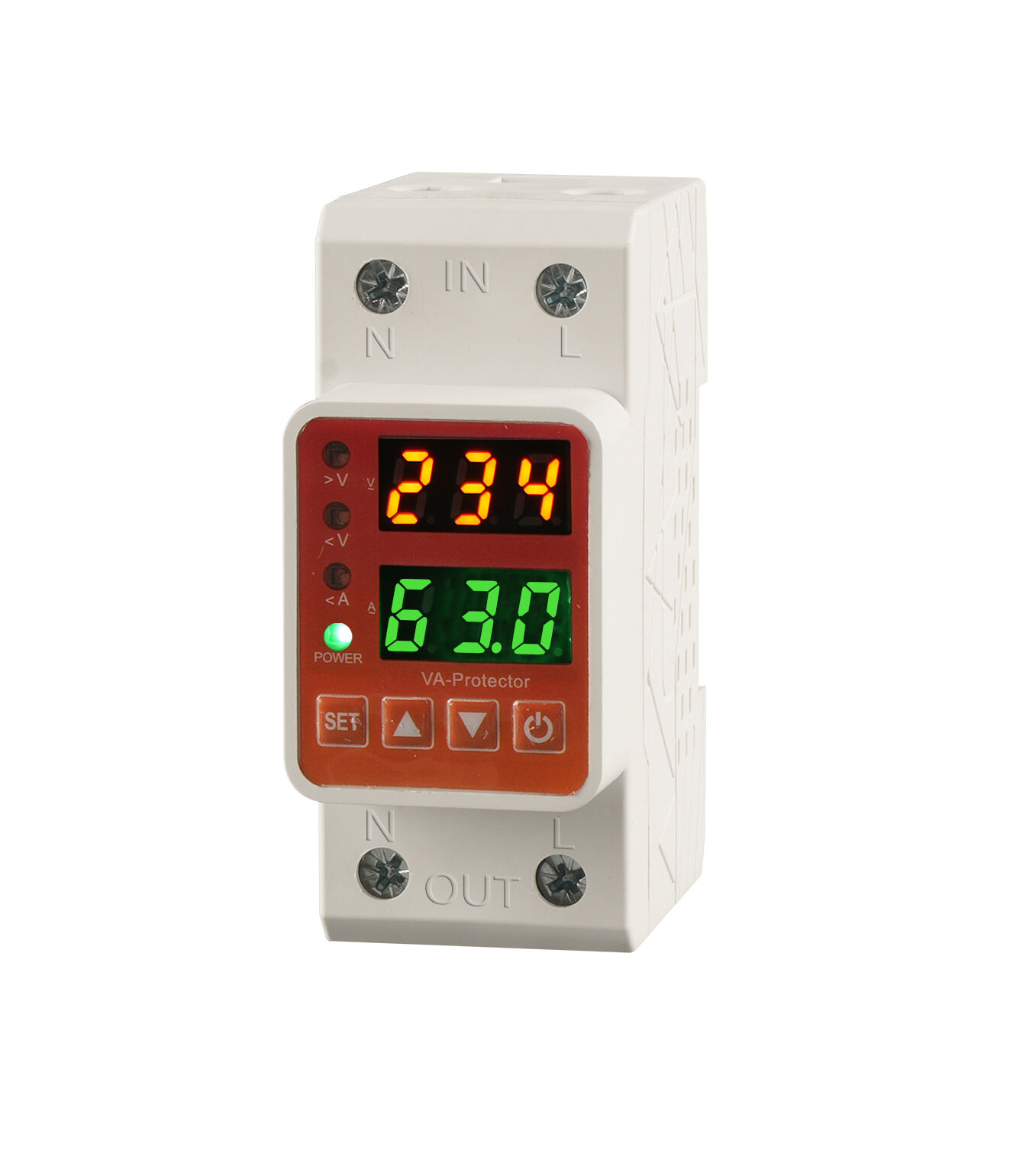
The intelligent diagnostic functionality embedded within advanced plc terminal blocks transforms traditional passive connection points into active system monitoring nodes that provide comprehensive insight into system health and performance. Real-time current monitoring capabilities track power consumption patterns for each connected device, enabling predictive maintenance strategies that identify potential equipment failures before they cause system shutdowns. Voltage level monitoring ensures that connected instruments receive proper supply voltages within specified tolerances, automatically alerting operators when power quality issues could affect measurement accuracy or actuator performance. Communication protocol diagnostics verify data integrity across digital communication links, detecting transmission errors, timing issues, and protocol violations that could compromise system reliability. The built-in microprocessor systems collect and analyze performance data continuously, creating historical trend information that supports long-term maintenance planning and system optimization initiatives. Wire integrity testing utilizes advanced techniques to identify loose connections, corrosion buildup, and insulation degradation before these issues cause circuit failures or safety hazards. Temperature monitoring at individual connection points prevents overheating conditions that could damage equipment or create fire hazards in industrial environments. The diagnostic system interfaces directly with plant-wide monitoring networks through standard communication protocols, enabling centralized maintenance management and automated alarm generation. Loop testing capabilities allow maintenance personnel to verify circuit continuity and signal paths without disconnecting field devices, reducing maintenance time and eliminating potential reconnection errors. Insulation resistance monitoring provides continuous assessment of electrical safety conditions, ensuring that protective barriers maintain their integrity throughout extended operational periods. The self-diagnostic features include built-in test routines that verify internal component functionality during system startup and periodic maintenance intervals. Data logging capabilities store diagnostic information in non-volatile memory, creating permanent records of system events that support troubleshooting efforts and regulatory compliance requirements. Remote diagnostic access through network connections allows expert technicians to analyze system performance from off-site locations, reducing response times for technical support and emergency repairs.
Modular Configuration and Scalability Solutions

Modular Configuration and Scalability Solutions

The revolutionary modular architecture of contemporary plc terminal blocks delivers unprecedented flexibility for automation system design and future expansion, accommodating evolving operational requirements without extensive infrastructure modifications. The standardized module interface allows system integrators to select specific functionality blocks for each application, combining input modules, output modules, communication interfaces, and power distribution elements in custom configurations. Hot-swappable module replacement capabilities enable maintenance activities during system operation, eliminating production shutdowns for routine component servicing or emergency repairs. The building-block approach supports incremental system growth as facilities expand their automation coverage, adding new modules to existing installations without disrupting operational circuits. Standardized mounting systems based on DIN rail technology ensure compatibility across different manufacturers and product generations, protecting long-term investment in infrastructure hardware. The modular design philosophy extends to software configuration tools that provide graphical interfaces for system layout planning and automated documentation generation. Color-coded module identification systems simplify installation and maintenance procedures, reducing the potential for connection errors during system modifications or troubleshooting activities. Advanced keying mechanisms prevent incorrect module insertion, ensuring that replacement components match the original specifications and maintain system safety standards. The scalable power distribution architecture automatically adjusts to accommodate additional modules without requiring external power supply modifications or complex load calculations. Flexible addressing schemes allow modules to be relocated within the system without reprogramming, supporting efficient plant layout changes and equipment relocations. Future-proof design considerations ensure compatibility with emerging communication protocols and signal standards, protecting system investments against technological obsolescence. The modular approach reduces inventory requirements by utilizing common components across multiple applications, simplifying spare parts management and reducing procurement costs. Quality assurance programs test module combinations to verify performance characteristics and environmental compliance across the entire operating range. Training programs focus on standardized procedures that apply across different module types and configurations, reducing learning curves for maintenance personnel and system integrators.

Get a Free Quote

Our representative will contact you soon.
Email
Name
Company Name
Mobile/WhatsApp
Message
0/1000