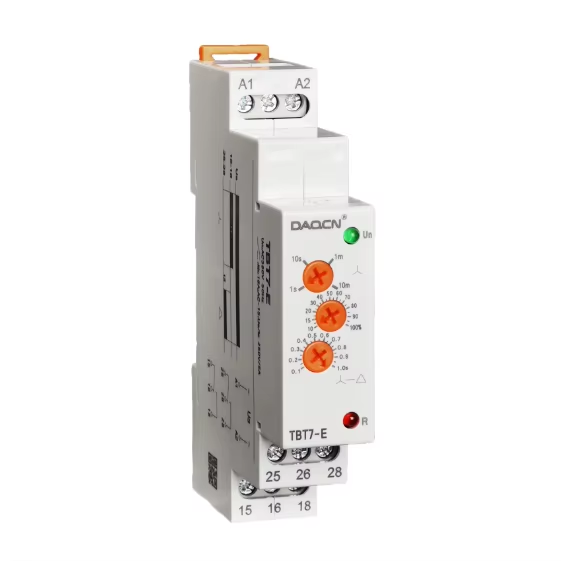
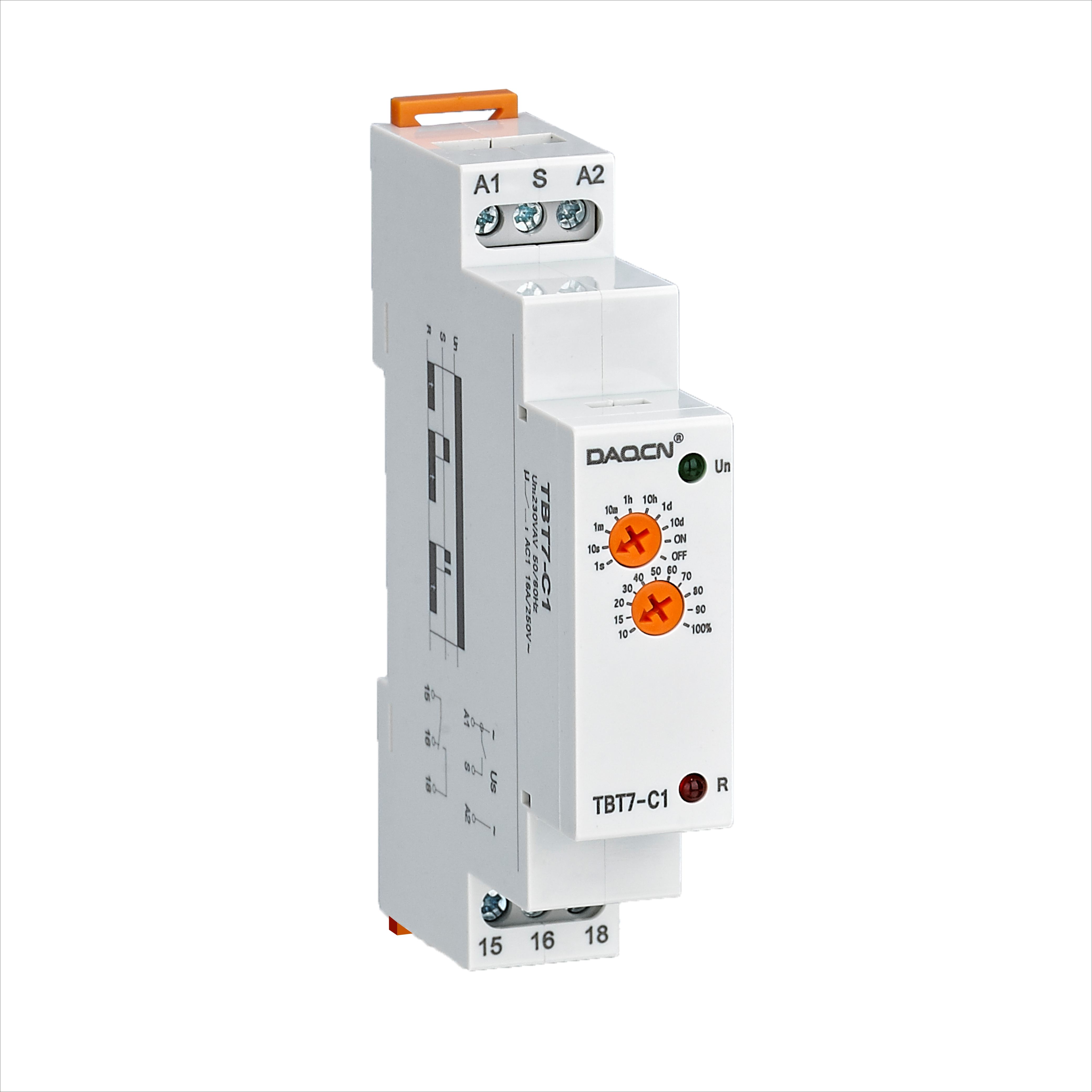
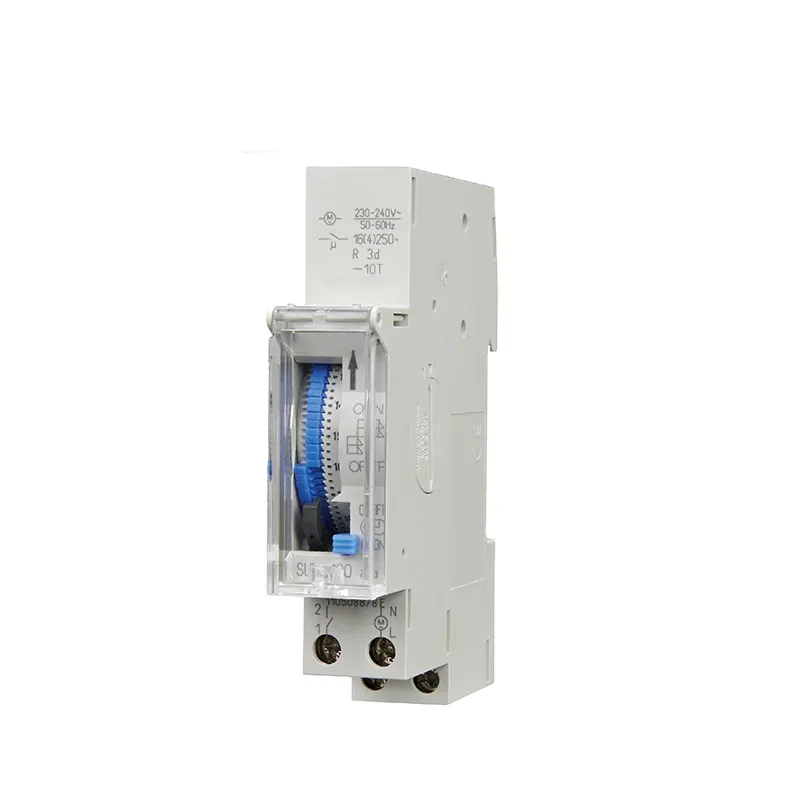
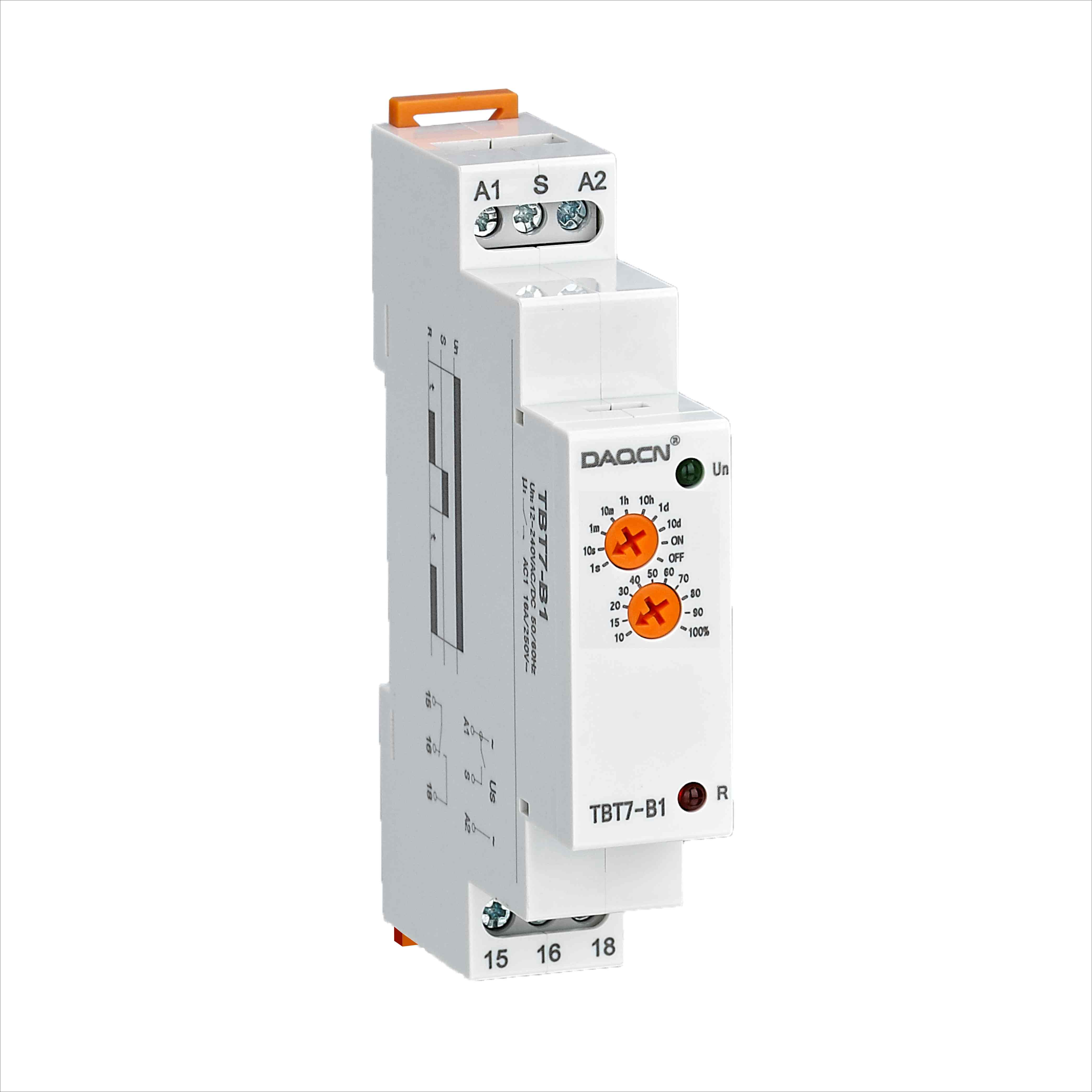
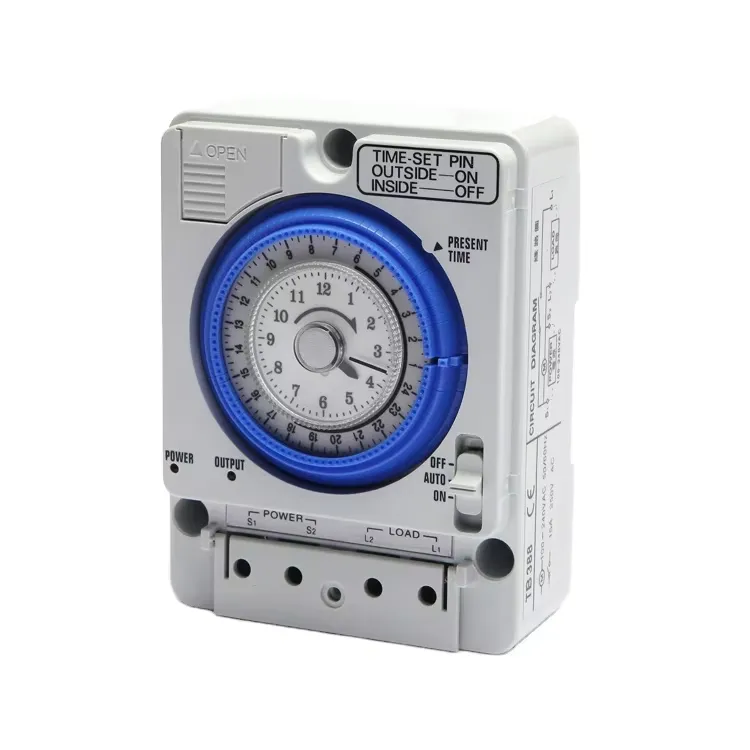
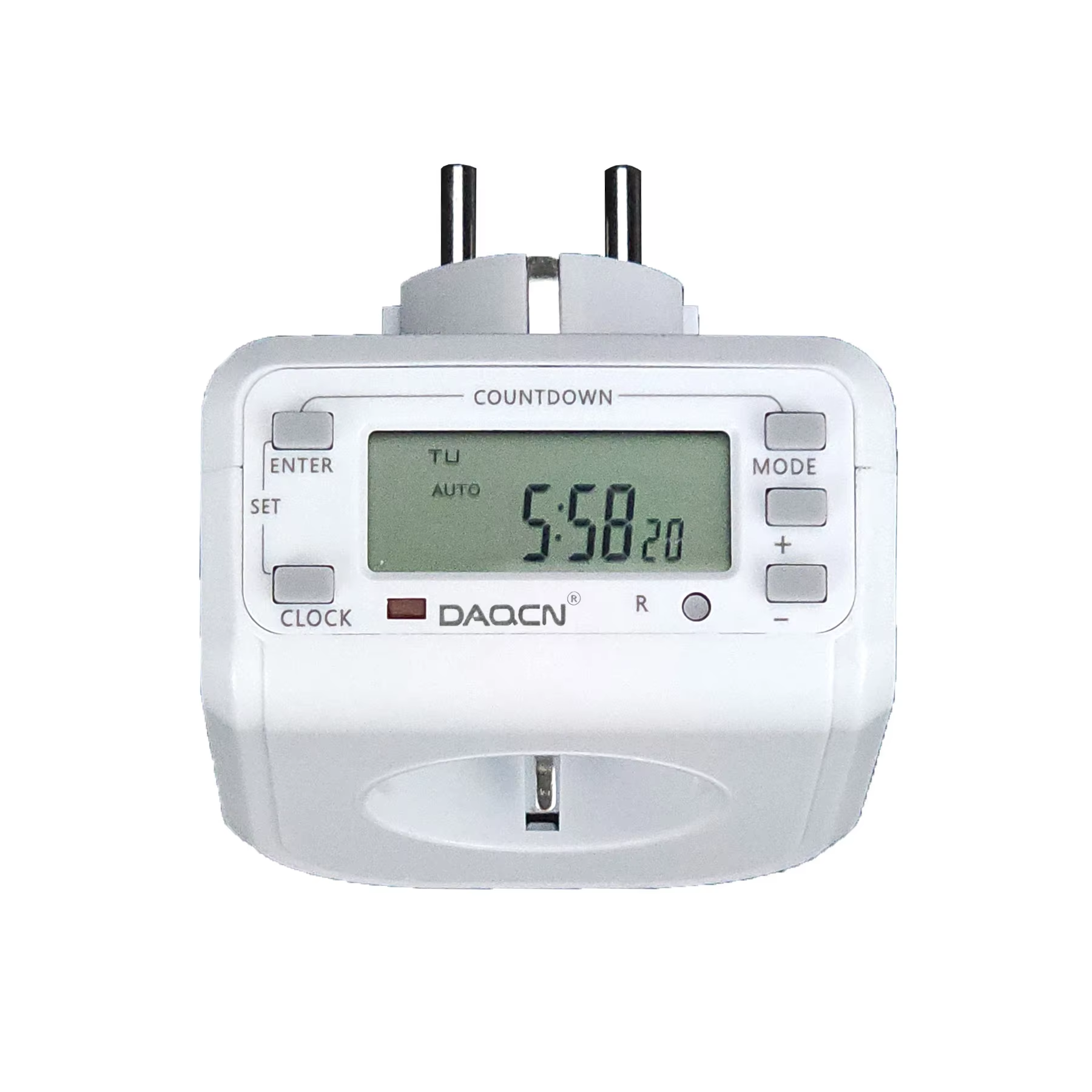
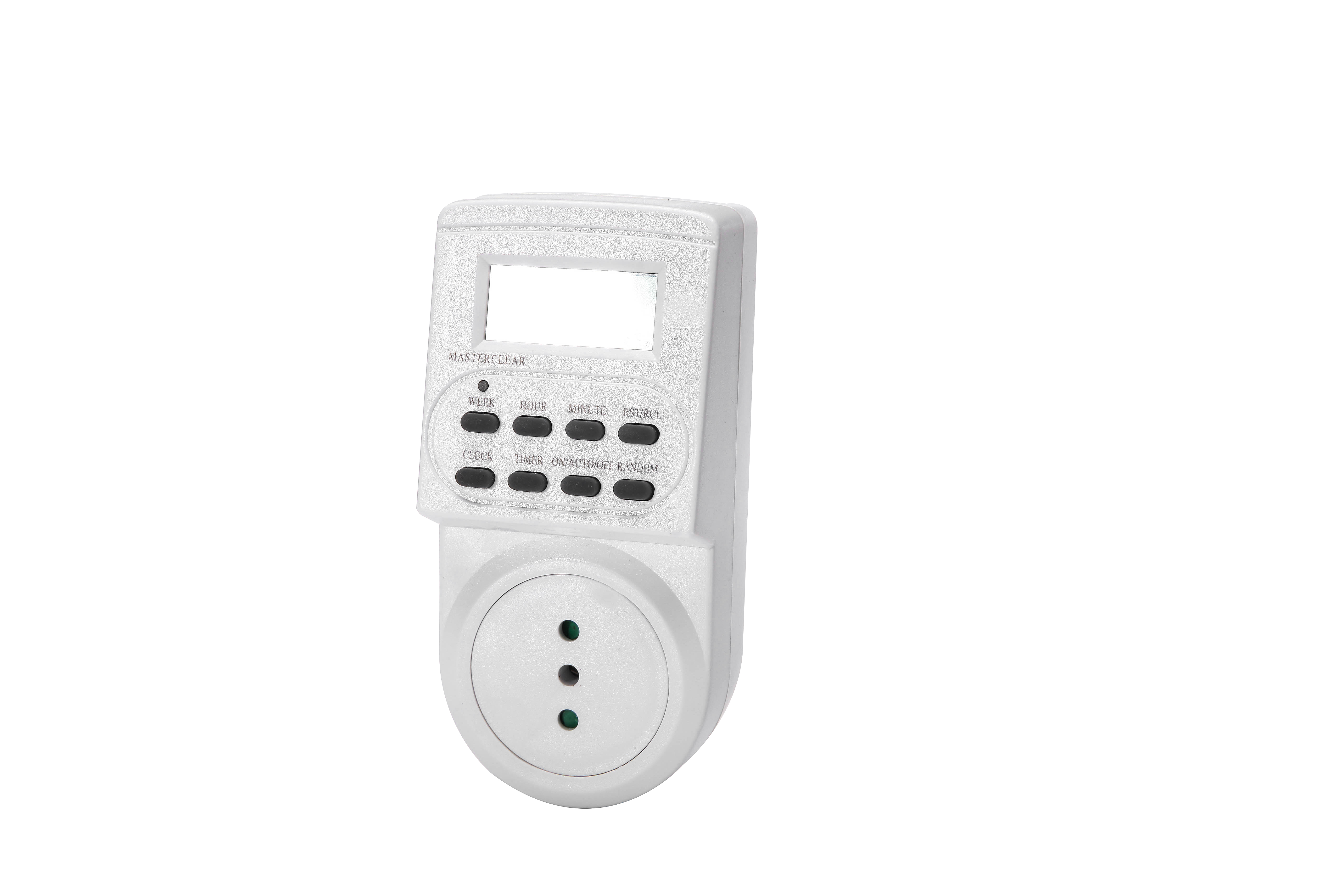
single phase timer switch
A single phase timer switch represents an essential electrical control device designed to automatically manage power supply to various electrical appliances and systems operating on single-phase alternating current. This sophisticated timing mechanism enables users to schedule the operation of connected devices with remarkable precision and reliability. The primary function of a single phase timer switch centers on providing automated control over electrical circuits, eliminating the need for manual intervention while ensuring optimal energy management and operational efficiency. Modern single phase timer switches incorporate advanced digital technology, featuring programmable settings that allow users to customize operation schedules according to specific requirements. These devices typically operate on standard voltage levels, ranging from 110V to 240V, making them compatible with residential and commercial electrical systems worldwide. The technological architecture of single phase timer switches includes microprocessor-based control systems, LCD displays for user interface, and robust relay mechanisms for reliable switching operations. Key features encompass multiple programming options, including daily, weekly, and seasonal scheduling capabilities, along with manual override functions for immediate control when necessary. The internal circuitry utilizes precision timing components that maintain accuracy even during power fluctuations, ensuring consistent performance over extended periods. Applications for single phase timer switches span numerous sectors, including residential lighting systems, commercial advertising displays, irrigation systems, pool pumps, water heaters, and industrial machinery. In residential settings, these devices provide convenient automation for outdoor lighting, security systems, and energy-intensive appliances, contributing to enhanced safety and reduced electricity costs. Commercial applications leverage single phase timer switches for managing storefront lighting, HVAC systems, and production equipment, optimizing operational costs while maintaining consistent service delivery. Industrial environments utilize these switches for controlling ventilation systems, conveyor belts, and processing equipment, ensuring coordinated operations while minimizing energy consumption during non-productive hours.
 EN
EN