Energy Efficiency and Cost Savings
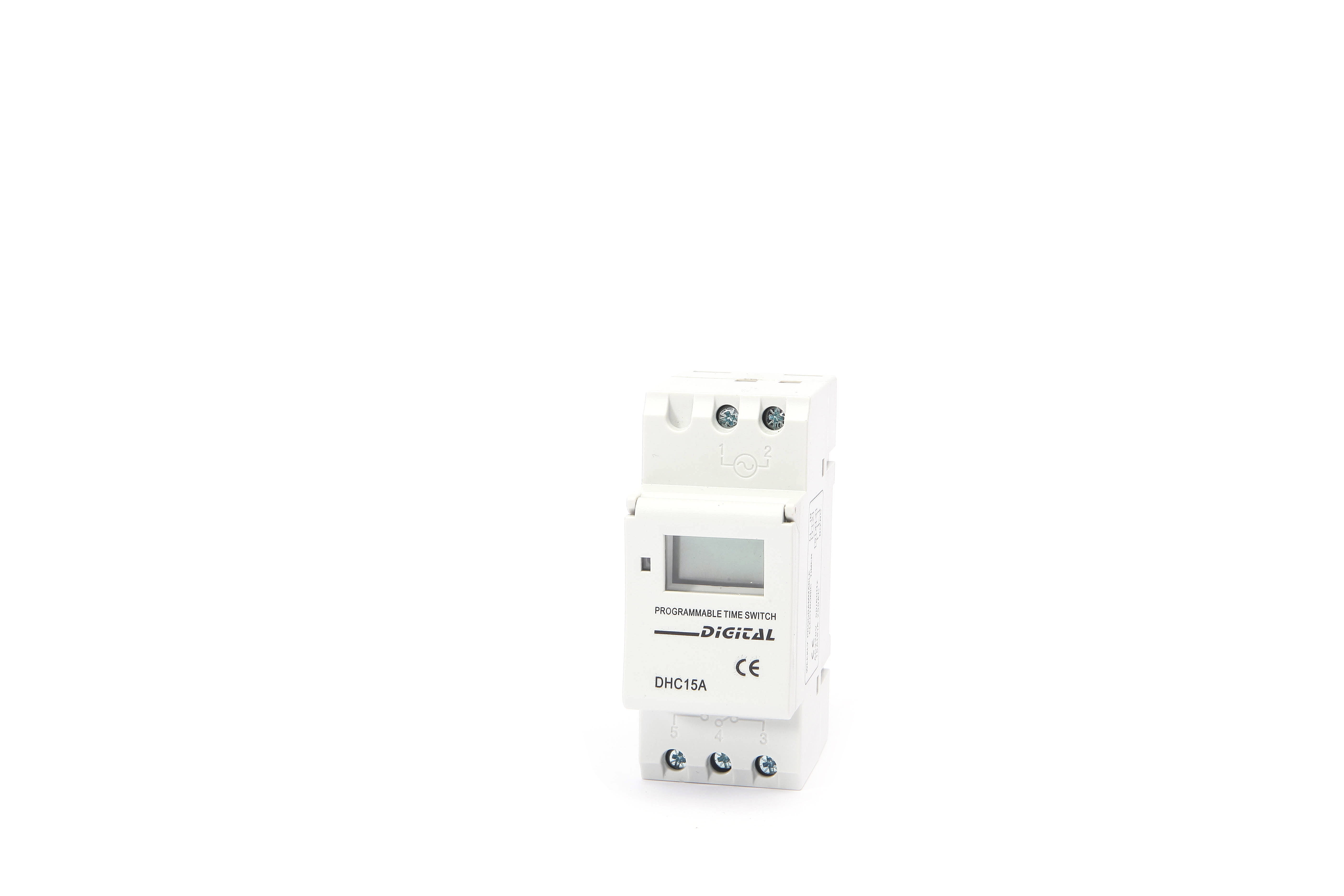
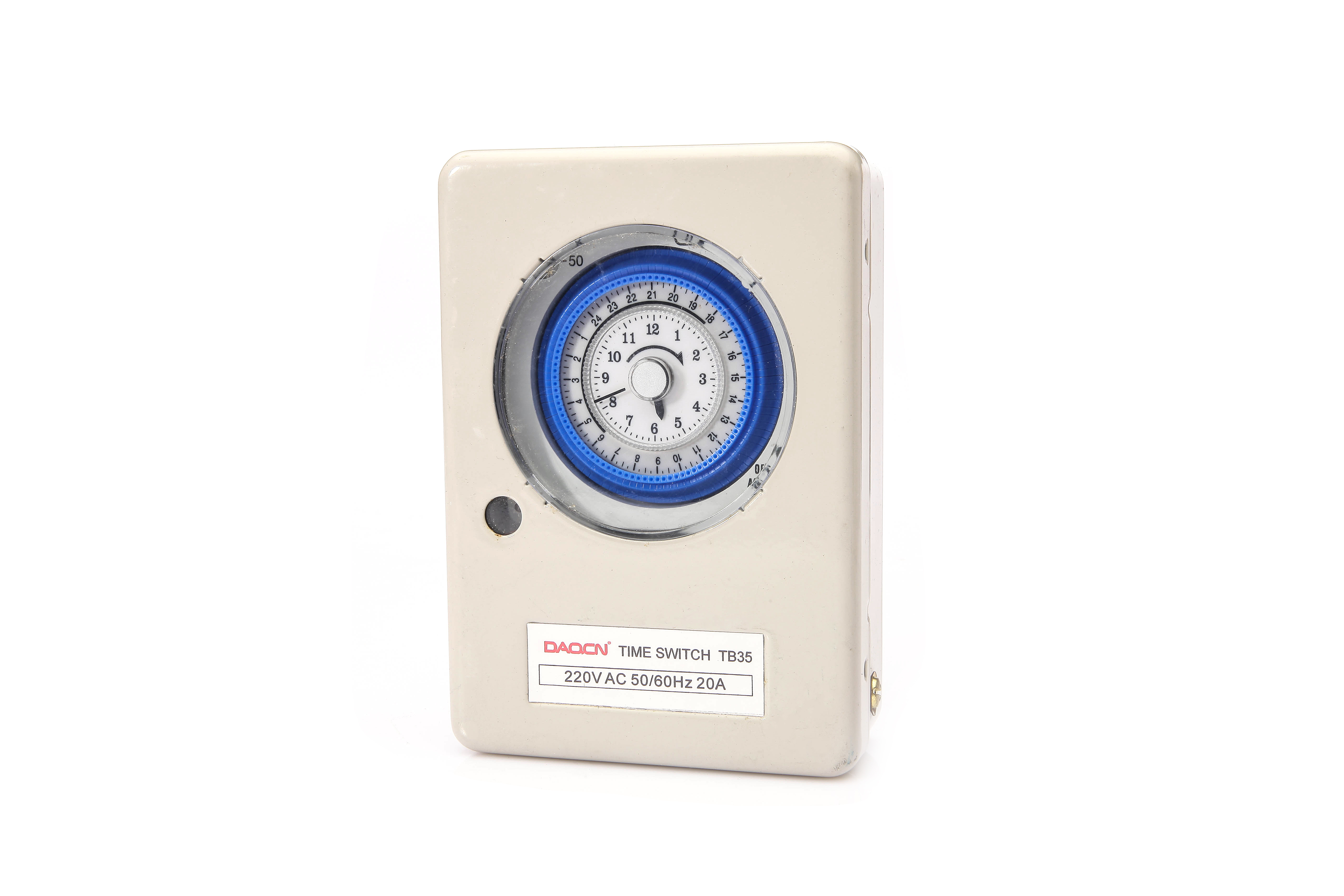
The exceptional energy efficiency delivered by staircase timer systems represents one of their most compelling value propositions, generating substantial cost savings while supporting environmental sustainability goals. These intelligent devices eliminate the widespread problem of lights being left on continuously in staircase areas, which commonly occurs with traditional manual switches due to user oversight or inconvenience. Statistical analysis of installations shows average energy consumption reductions of 65-85% compared to conventional always-on or manually controlled lighting systems. The automatic shut-off mechanism ensures lights operate only during actual occupancy periods, which typically represent less than 5% of total time in most residential and commercial staircase applications. This dramatic reduction in operational hours translates directly into proportional electricity bill savings, often recovering the initial staircase timer investment within 6-12 months through reduced utility costs. The energy efficiency benefits multiply when combined with modern LED lighting fixtures, creating a powerful synergy that maximizes both illumination quality and power conservation. Smart power management features in advanced staircase timer models include soft-start capabilities that gradually increase light intensity, reducing electrical surge impacts and extending bulb lifespan. Standby power consumption in quality units remains minimal, typically less than 1 watt, ensuring the device itself does not contribute significantly to overall energy usage. The solid-state switching technology eliminates energy losses associated with mechanical contactors and relays, improving overall system efficiency. Programmable dimming features in premium staircase timer models allow reduced intensity illumination during low-traffic periods, providing adequate safety lighting while minimizing energy consumption. The cumulative effect of these efficiency measures becomes particularly significant in buildings with multiple staircase areas, where traditional lighting approaches can result in substantial unnecessary energy consumption. Environmental benefits extend beyond individual cost savings, as widespread staircase timer adoption contributes to reduced carbon emissions and decreased demand on electrical generation systems. Many utility companies recognize these benefits by offering rebates or incentives for energy-efficient lighting control installations, further improving the economic attractiveness of staircase timer systems. Long-term reliability ensures these efficiency benefits continue for many years without degradation, making the staircase timer a sustainable solution for modern building lighting management.
 EN
EN