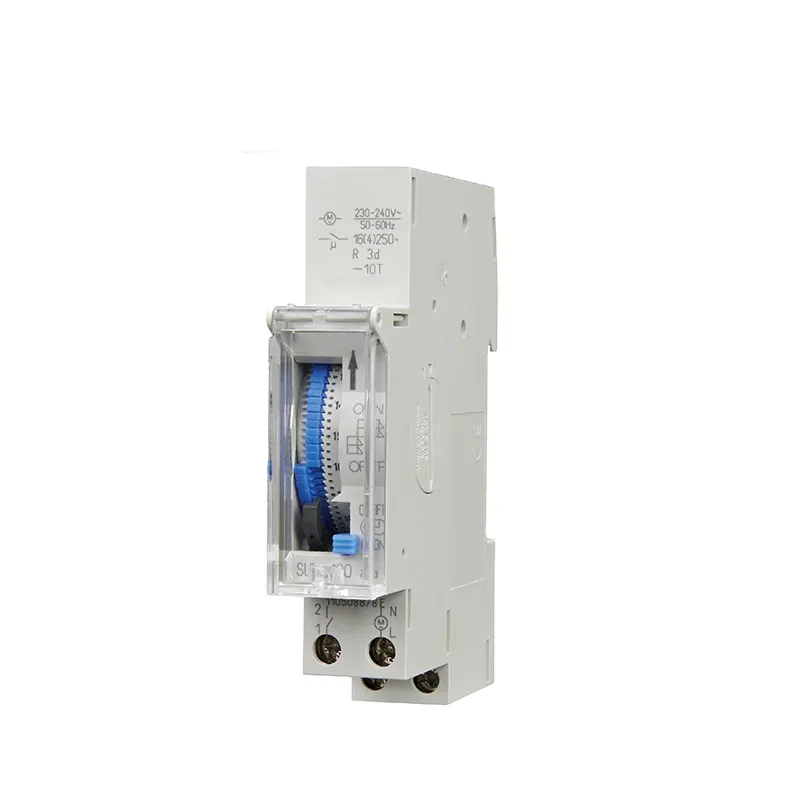
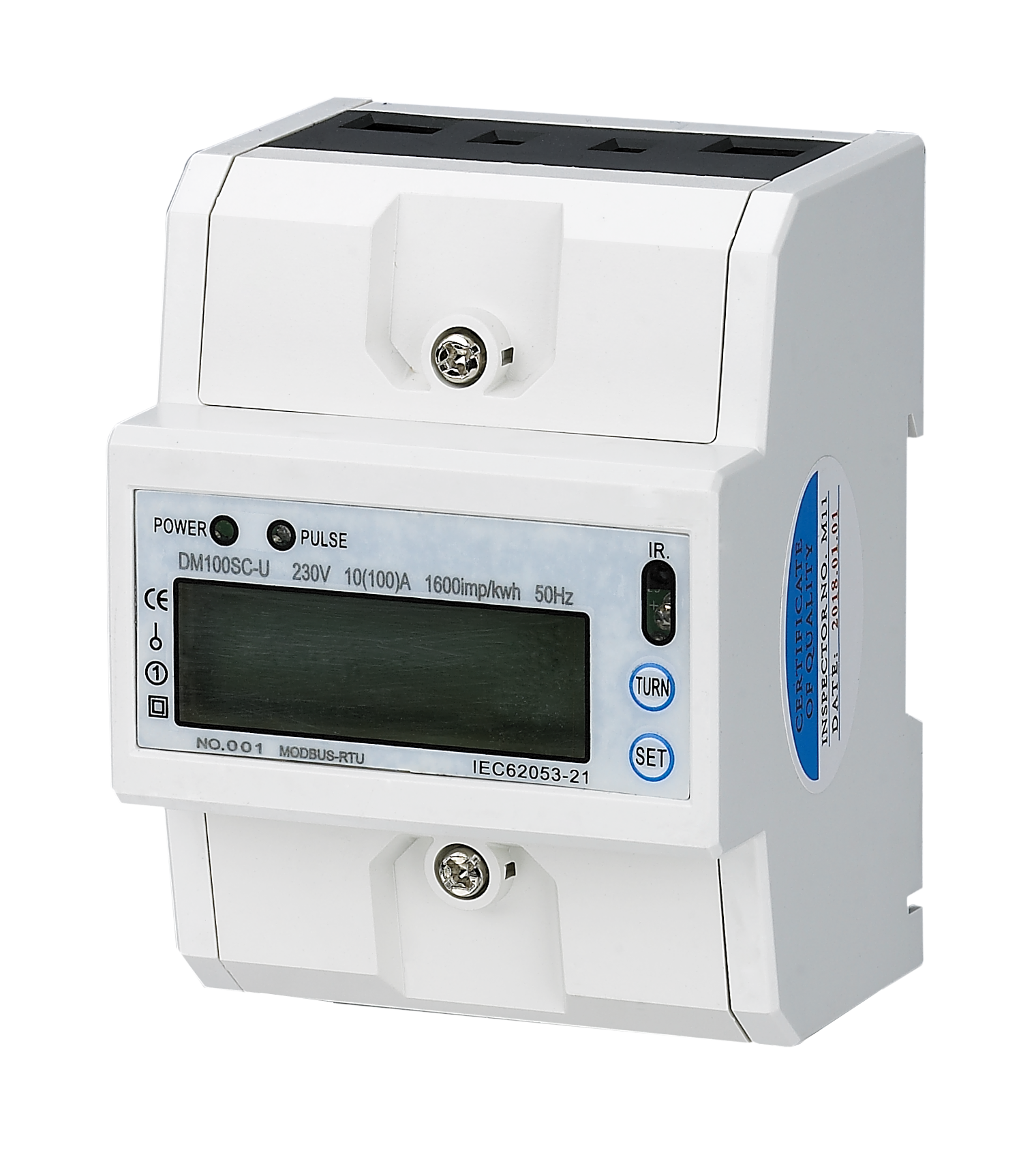
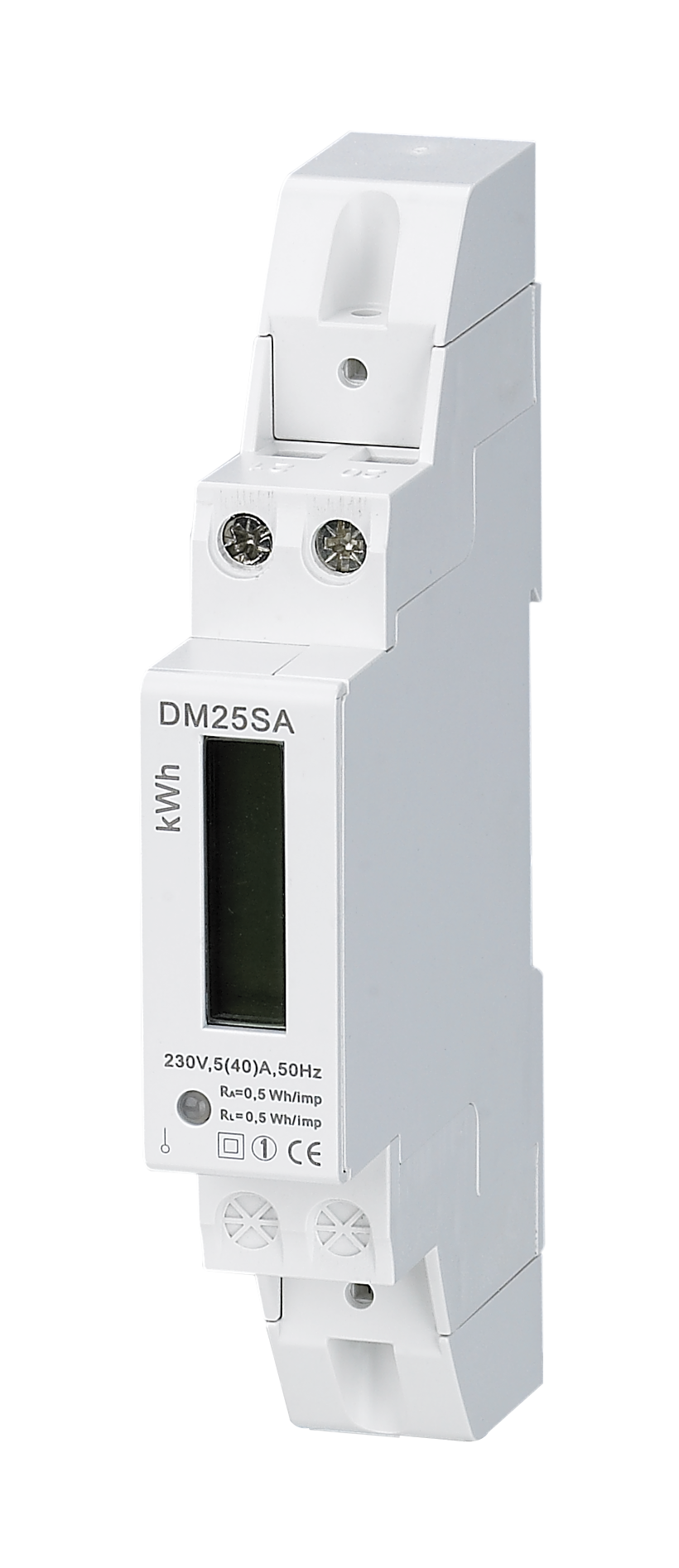
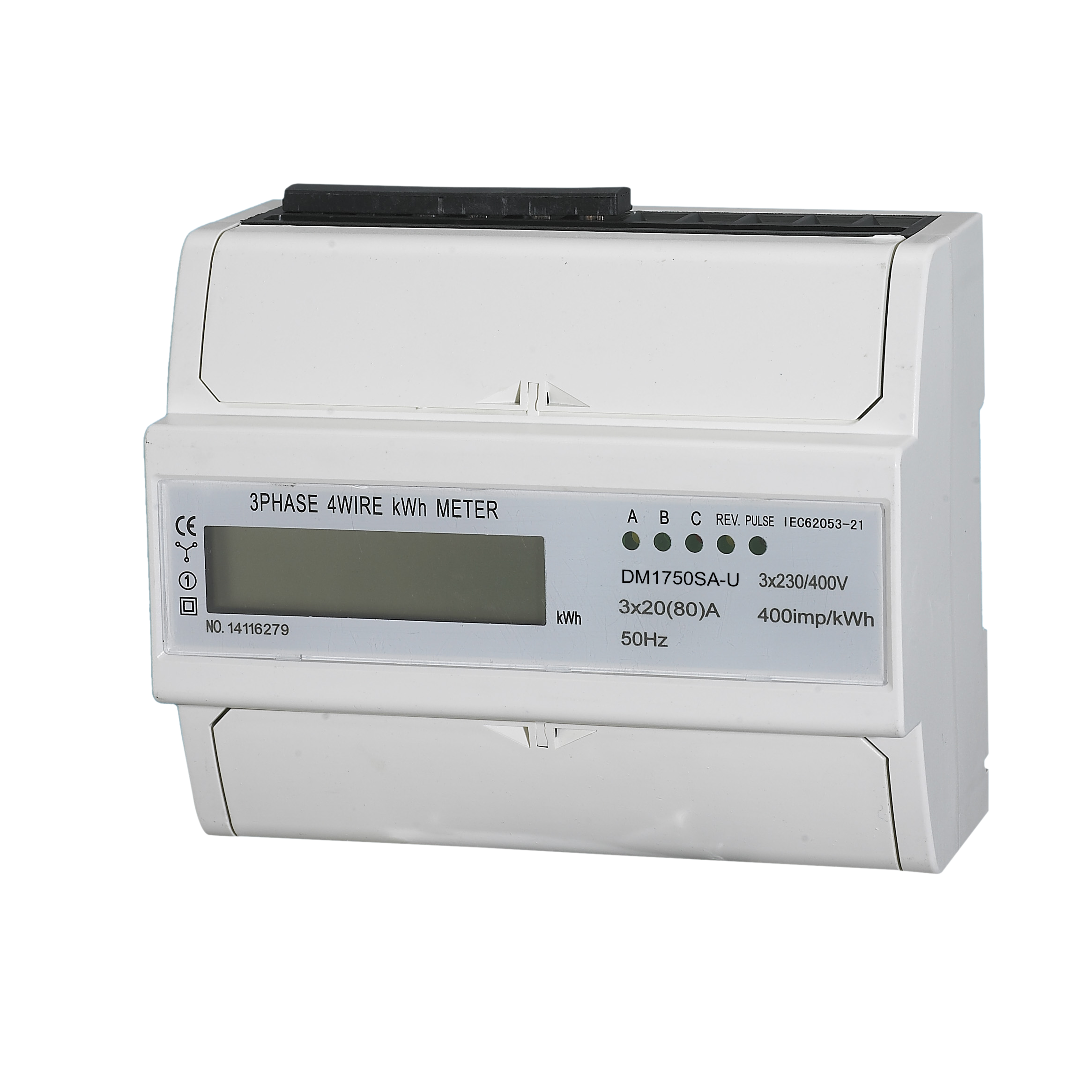
static energy meter
The static energy meter represents a revolutionary advancement in electrical measurement technology, serving as a sophisticated electronic device designed to accurately measure and record electrical energy consumption in residential, commercial, and industrial applications. Unlike traditional electromechanical meters that rely on rotating discs and mechanical components, the static energy meter utilizes solid-state electronic circuits and digital processing capabilities to deliver precise measurements without any moving parts. This innovative metering solution incorporates advanced microprocessor technology, high-resolution analog-to-digital converters, and sophisticated algorithms to calculate energy consumption with exceptional accuracy and reliability. The static energy meter functions by continuously sampling voltage and current waveforms at high frequencies, processing these signals through digital signal processing techniques to determine real-time power consumption, reactive power, and various electrical parameters. Modern static energy meters feature comprehensive data logging capabilities, storing consumption patterns, peak demand records, and detailed usage analytics for extended periods. These devices support multiple communication protocols including GSM, Wi-Fi, Ethernet, and power line communication, enabling seamless integration with smart grid infrastructure and automated meter reading systems. The technological architecture of static energy meters incorporates tamper detection mechanisms, load profiling capabilities, and remote configuration options that enhance operational efficiency and security. Advanced static energy meter models provide bi-directional measurement functionality, making them ideal for renewable energy applications where energy flows in both directions. The display systems typically feature LCD or LED screens presenting real-time consumption data, historical records, and diagnostic information in user-friendly formats. Static energy meters support various tariff structures including time-of-use pricing, seasonal rates, and demand-based billing schemes, providing utilities with flexible revenue management tools while offering consumers detailed insights into their energy usage patterns and associated costs.
 EN
EN