timer relay socket
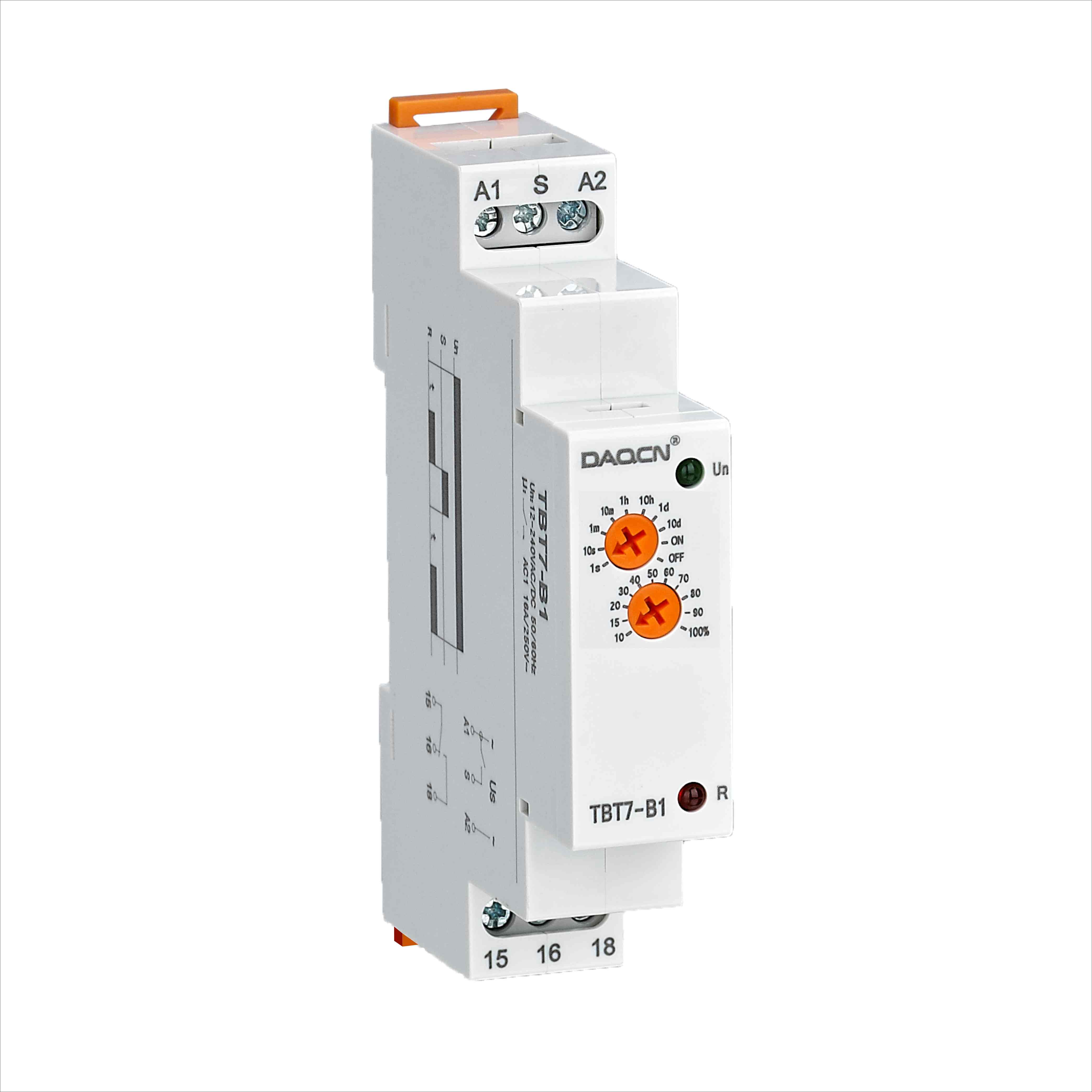
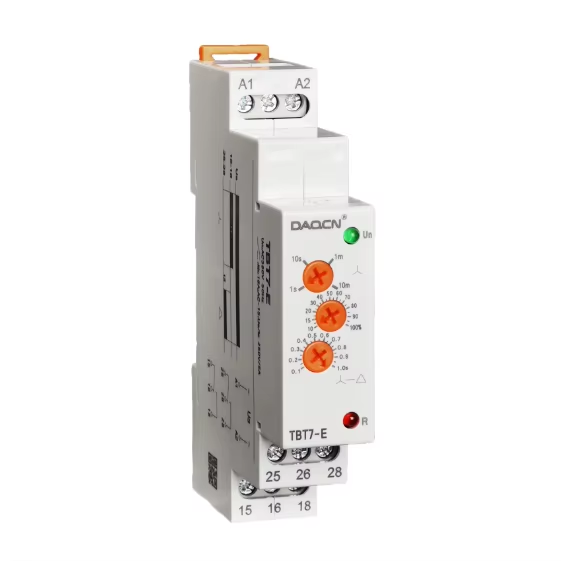
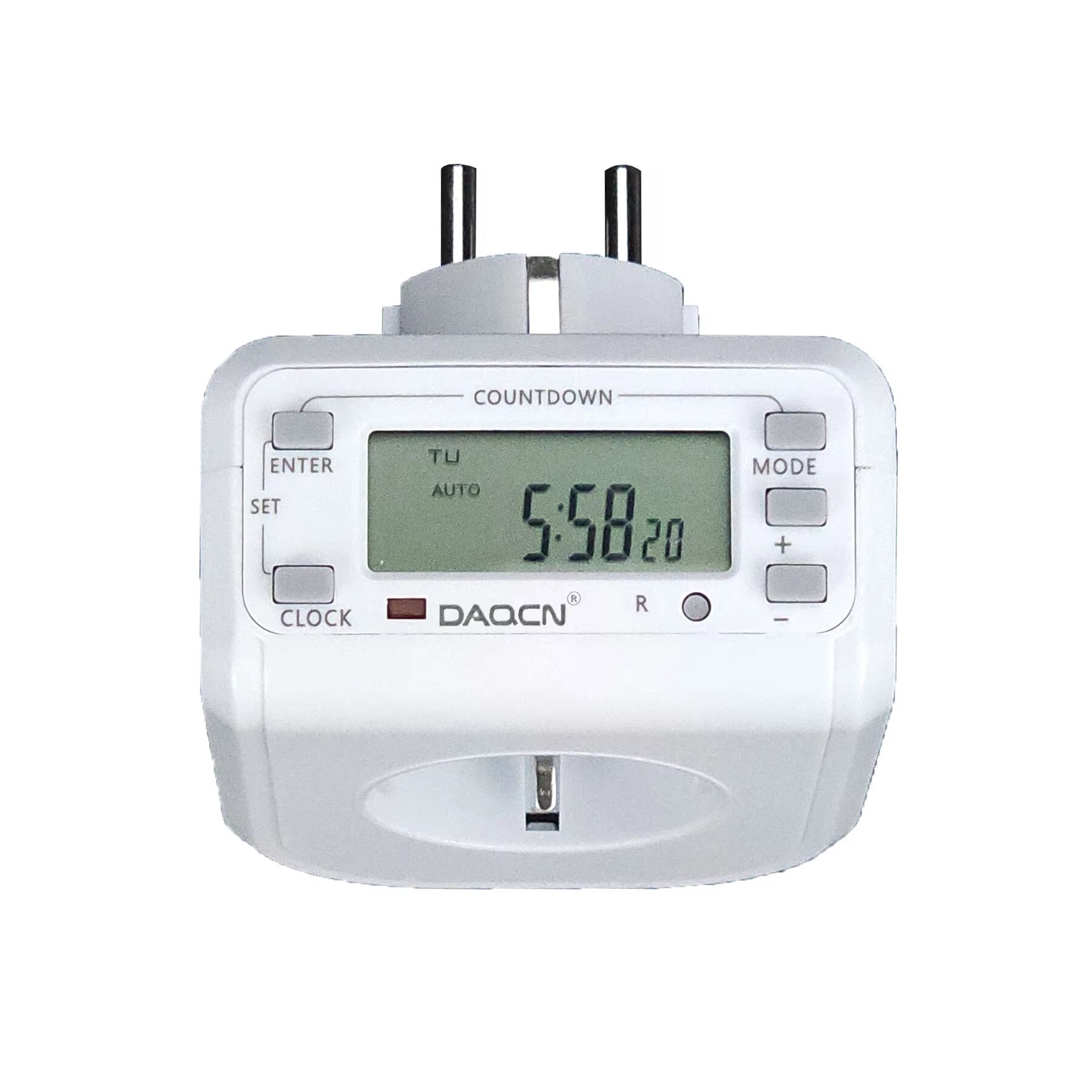
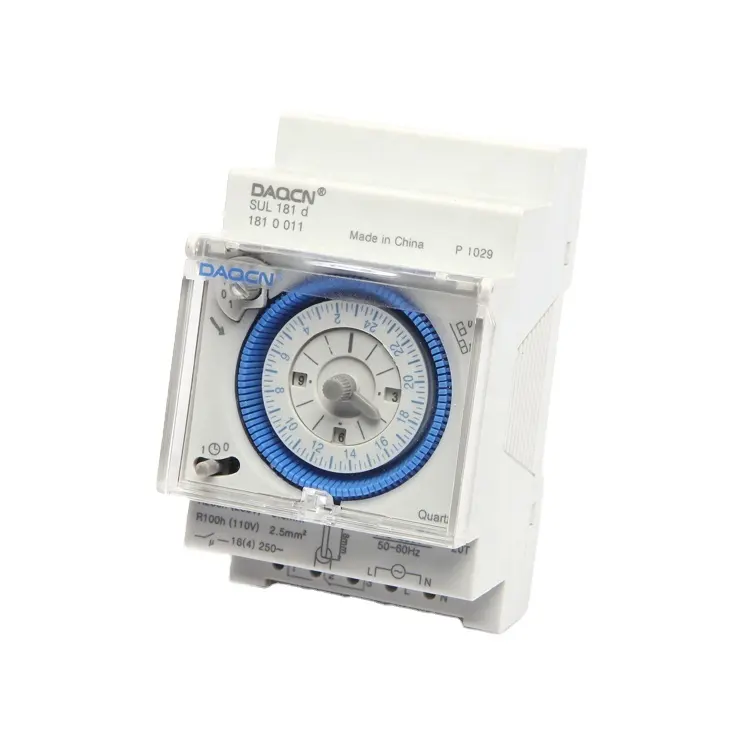
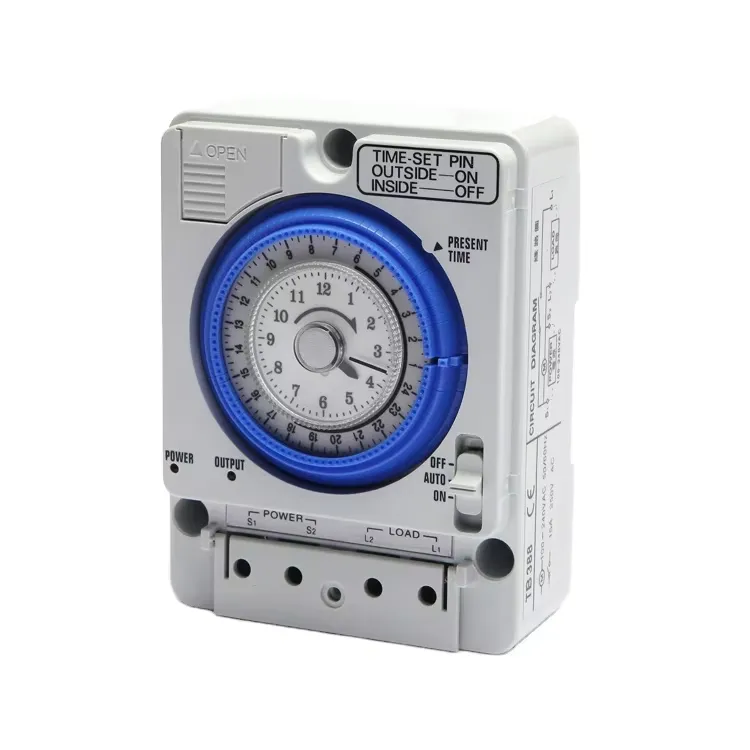
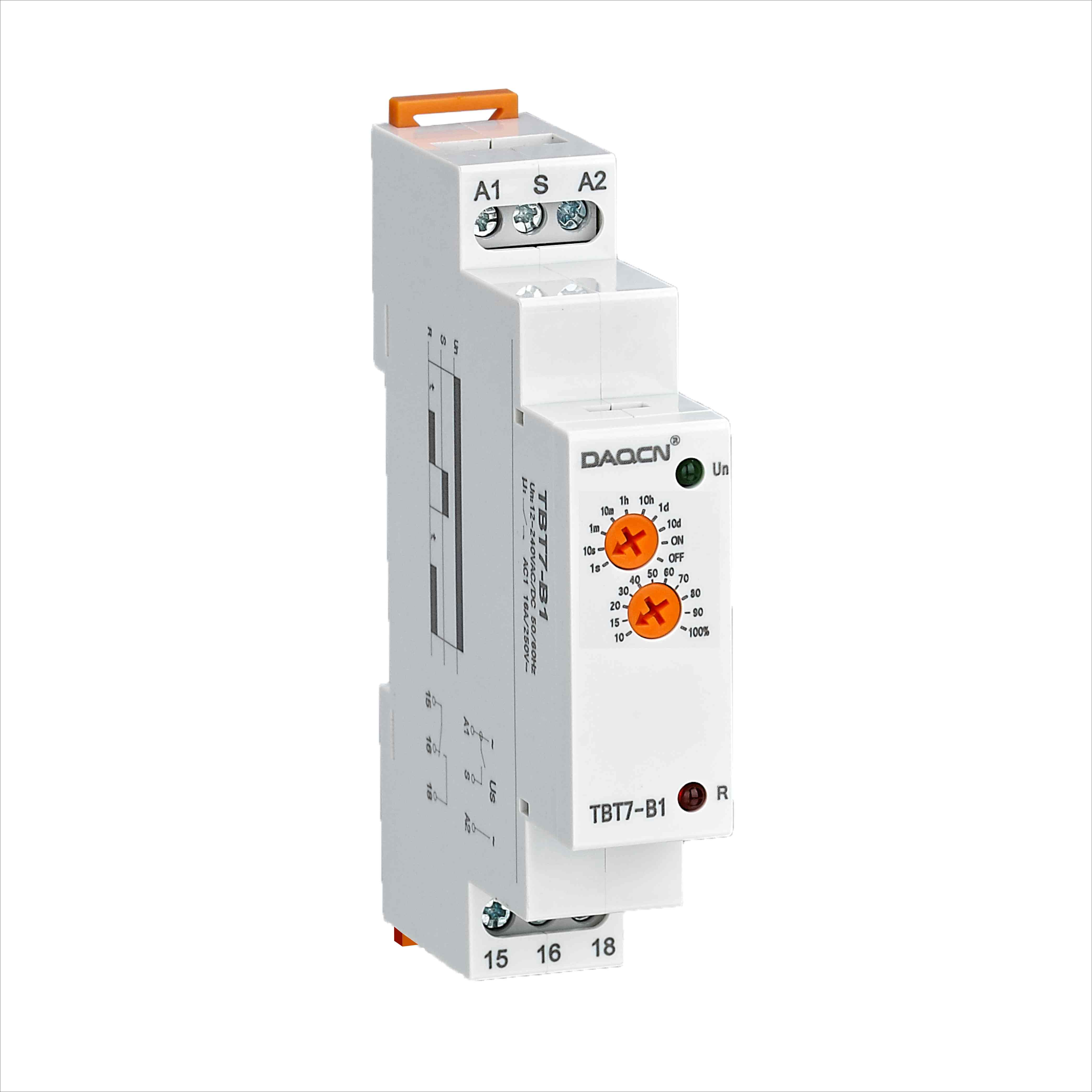
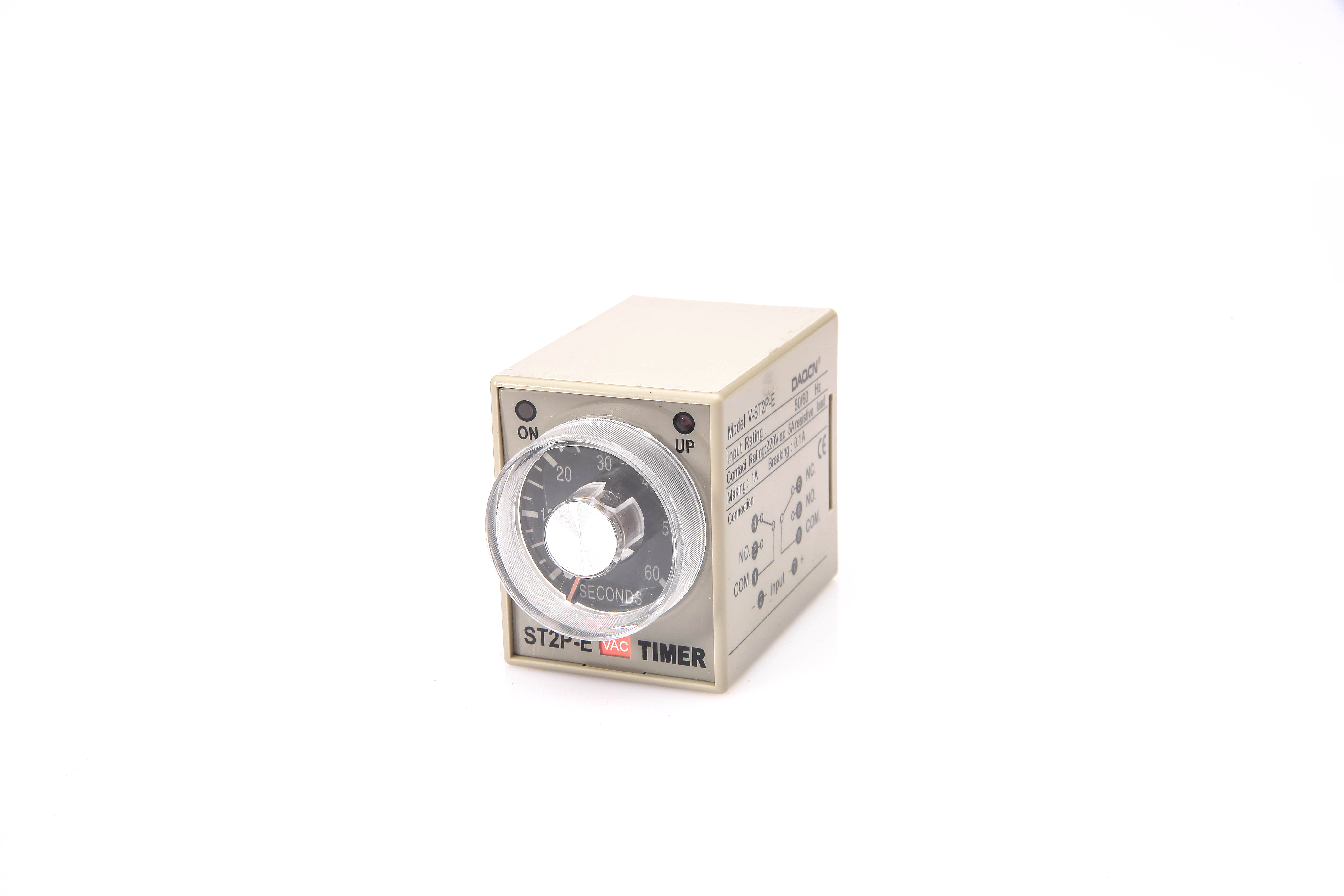
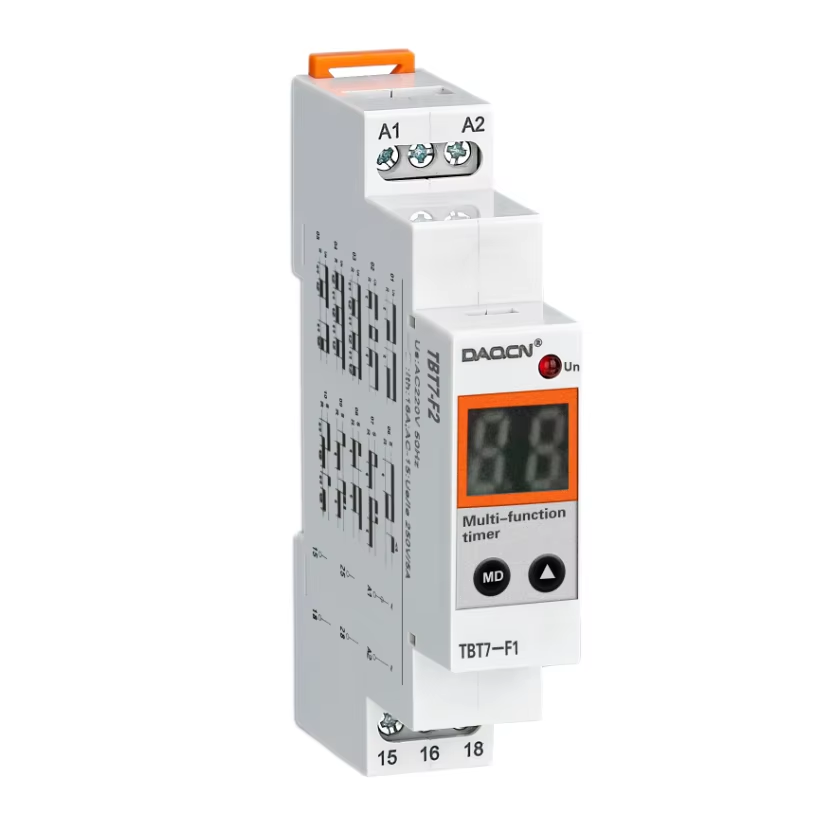
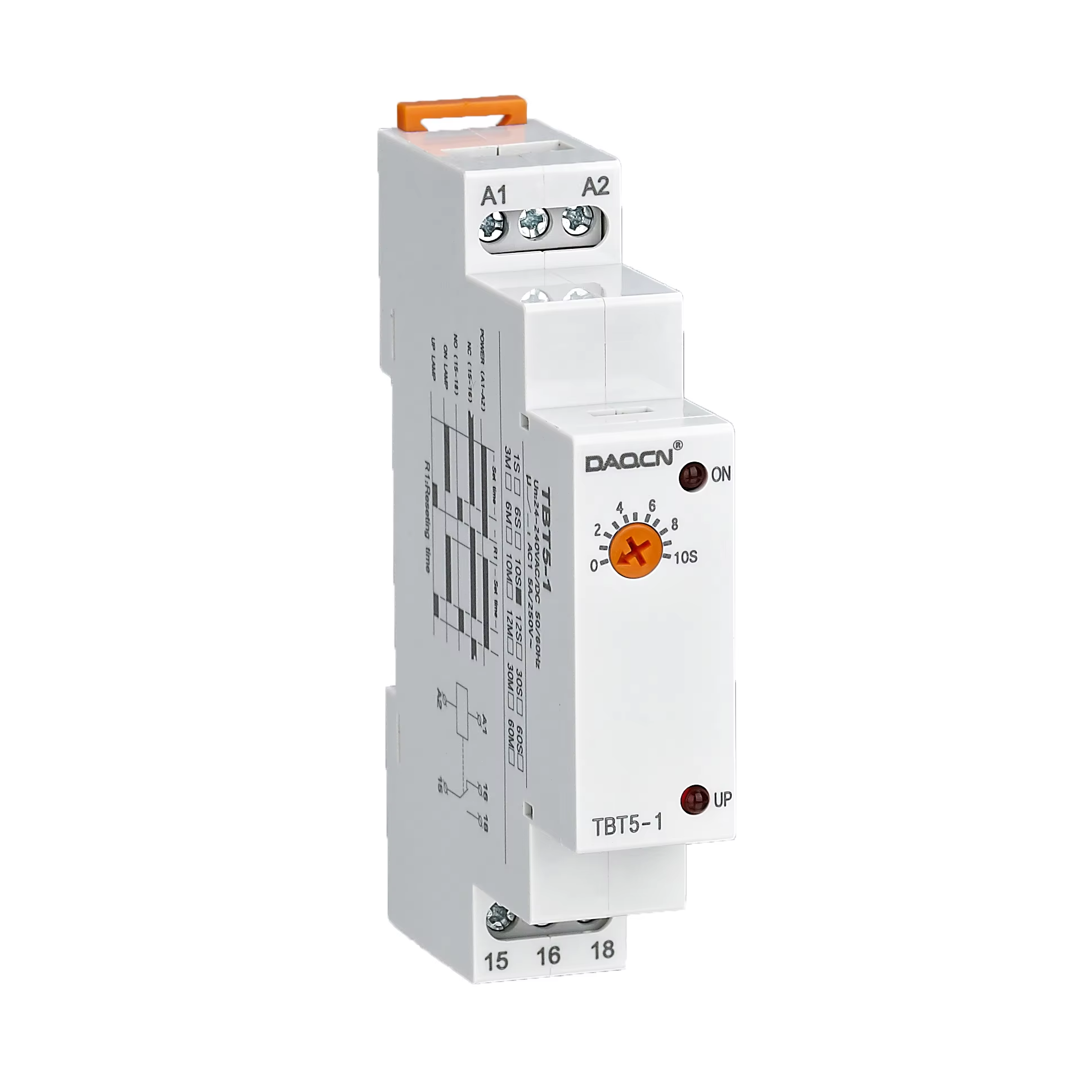
A timer relay socket represents an essential electrical control component that combines the functionality of both timing mechanisms and relay switching operations within a single, integrated unit. This innovative device serves as a crucial interface between control circuits and load circuits, enabling precise time-based automation across numerous industrial and commercial applications. The timer relay socket functions by receiving electrical signals and activating predetermined switching sequences after specified time delays, making it indispensable for equipment protection, process control, and energy management systems. The core structure of a timer relay socket incorporates multiple connection terminals that accommodate various input and output configurations, allowing seamless integration with existing electrical infrastructure. Modern timer relay socket units feature advanced microprocessor-based timing circuits that deliver exceptional accuracy and reliability compared to traditional mechanical timing devices. These sophisticated components typically support multiple timing modes, including delay-on, delay-off, interval timing, and cyclic operations, providing versatility for diverse operational requirements. The robust construction of quality timer relay socket products ensures long-term performance in challenging environmental conditions, with many models offering protection against moisture, vibration, and temperature fluctuations. Installation procedures for timer relay socket systems remain straightforward, requiring minimal technical expertise while delivering maximum operational efficiency. Contemporary timer relay socket designs incorporate LED status indicators and diagnostic features that simplify troubleshooting and maintenance procedures. The standardized mounting configurations enable quick replacement and upgrade capabilities, reducing system downtime and maintenance costs. Advanced timer relay socket models support programmable parameters through digital interfaces, allowing operators to customize timing sequences according to specific application needs. These versatile components find extensive use in motor control applications, lighting systems, heating and cooling equipment, and automated manufacturing processes where precise timing control remains critical for optimal performance and safety compliance.
 EN
EN