 EN
EN

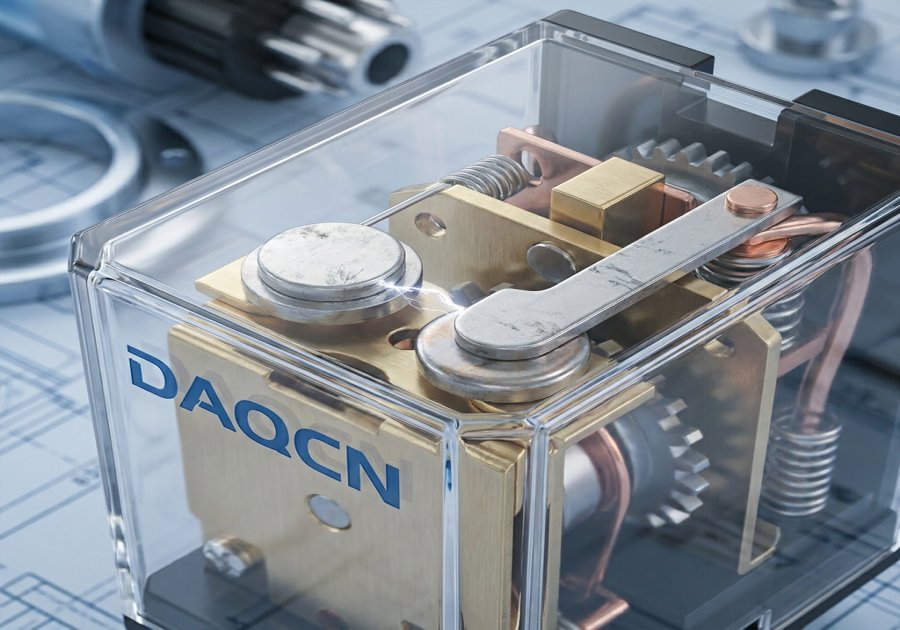
מבוא: הגב העצמי הבלתי נראה של האוטומציה התעשייתית
בעולם המרחב הגבוה של האוטומציה התעשייתית, אמינות איננה רק תכונה — היא דרישה מוקדמת. בין אם מדובר בכלים מדעיים מדויקים או במפעל ענק לערבוב אוטומטי, כשל של רכיב בידוד יחיד עלול לגרום לעצירת ייצור יקרה, לסיכונים לביטחון ולאי-יעילות מערכת-רחבת היקף. בליבה של מערכות אלו נמצא הרליאי האלקטרומגנטי מִמסָר , התקן שברוב המקרים נזנח אך הוא טכנולוגית מתוחכם. כדי להבטיח הצלחה תפעולית ארוכת טווח, מהנדסי עיצוב ויצרני ציוד מקורי (OEM) חייבים לעבור את דירוגי המתח הבסיסיים ולהעמיק במדע החומרים של נקודות המגע ובארכיטקטורה של תצורות המגעים.
כמובילה עולמית בייצור חשמל מאז 1996, DAQCN (Wenzhou DAQUAN Electric Co., Ltd) הקדישה עשרות שנים לשכלול הניואנסים הטכניים הללו. בניתוח מעמיק זה, אנו חוקרים כיצד מגעים מסגסוגת כסף ותצורות פינים סטנדרטיות כמו תצורות 8 ו-11 פינים מגדירים את האמינות של מיתוג תעשייתי מודרני.
המדע של חומרי המגעים: למה אלחוצי הכסף שולטים
נקודת המגע היא הרכיב החשוב ביותר ברילאי. כאן מתרחשת הפעולה הפיזית של 'הכרעה' או 'הפרדה' במעגל החשמלי. בכל פעם שרילאי מתחלף, הוא נאלץ להתמודד עם שלושה אויבים עיקריים: קשת חשמלית, העברת חומר ואוקסידציה.
#### הגבלות הכסף הטהור
למרות שכסף טהור (Ag) בעל מוליכות חשמלית ותרמית הגבוהה ביותר מבין כל המתכות, הוא יחסית רך ונוטה ל"הילחץ" תחת עומסים חשמליים גבוהים. בנוסף, הוא מטשטש בקלות בסביבות המכילות גופרית, ויוצר שכבות של סולפיד הכסף שמגבירות את התנגדות המגע. כדי להתגבר על מכשולים אלו, מסבים תעשייתיים משתמשים באיחודים של כסף.
#### כסף-ניקל (AgNi)
נפוץ בשימוש במסבים כלליים כמו סדרת DAQCN MY, כסף-ניקל מציע איזון מעולה בין מוליכות לקשיחות. הוא עמיד להעברת חומר במהלך החלפת זרם ישר ומספק ביצועים מהימנים לאורך מיליוני מחזורים לעומסים בינוניים.
#### כסף-אكسיד בדיל (AgSnO2)
לישומים עם זרמים גדולים בהפעלה—כגון מנועים או מעגלי תאורה—אכסן אבץ-אכסן (AgSnO2) הוא הסטנדרט העולמי בתעשייה. חומר זה מציג תכונות יוצאות דופן של עמידות בפני התחברות בלתי רצויה (welding) ועמידות גבוהה בפני נזק קשת חשמלית (arc erosion). הריליזים בעלי ההספק הגבוה של DAQCN משתמשים לעיתים קרובות באכסן אבץ-אכסן (AgSnO2) כדי להבטיח שהמגע לא יתמזגו יחד במהלך החום הרב שנוצר בעת החלפת עומסים השראתיים.
#### היתרונות של DAQCN באיכות החומרים
במתקן המוארד שלנו, אשר מאושר על פי תקן ISO9001, אנו מיישמים בקרת איכות מחמירה בתהליך שיבוץ האליאז'ים. על ידי הבטחת מבנה גרגרים תקין בחומרי המגע שלנו, אנו מאריכים את العمر החשמלי של הריליזים שלנו, ומספקים לייצרנים (OEMs) רכיבים שעוברים את סדרות המדידה התקניות של IEC ו-TUV.
פענוח תצורות המגעים: ארכיטקטורת 8 מגעים לעומת ארכיטקטורת 11 מגעים
מעבר לחומר, הממשק הפיזי של הרילאי — תצורת הפסיגות שלו — קובע כיצד הוא מתאמה למערכת הבקרה הרחבה יותר. ליישומים תעשייתיים, תצורות הפסיגות המעגליות של 8 ו-11 פסיגות (אוקטאל/אונדקל) הן הנפוצות ביותר, וזכו לפרסום רב בזכות סדרות כמו LY2 ו-70.3.
#### רילאים עם 8 פסיגות (DPDT – כפול קוטב, כפול מעבר)
תצורת ה-8 פסיגות, שנמצאת במערכות DAQCN LY2 ו-58.02, מספקת בדרך כלל שני סטים עצמאיים של מגעים מחליפים. תצורה זו אידיאלית ללוגיקת בקרה בסיסית שבה רילאי אחד צריך להחליף בו זמנית שתי מערכות נפרדות. גודלו הקומפקטי הופך אותו לאהוב על לוחות בקרה בעלי מגבלת מקום.
#### רילאים עם 11 פסיגות (3PDT – משולש קוטב, כפול מעבר)
כאשר נדרשת לוגיקה מורכבת יותר, נכנס לתמונה תצורת ה-11 פינים (למשל סדרת DAQCN 70.3). עם שלוש קבוצות נפרדות של מגעים, היא מאפשרת נעילות מתקדמות יותר ומסגרות משוב מורכבות יותר. לדוגמה, במפעיל מנוע תעשייתי, קוטב אחד עלול לשלוט בסליל הראשי, הקוטב השני מספק אות משוב של מצב למיקרו-בקר תעשייתי (PLC), והקוטב השלישי מפעיל נורה של מצב 'פעיל'.
#### הסטנדרטיזציה וקלות התיקון
היתרון של תצורות הפינים הללו הוא בהסטנדרטיזציה שלהן. השימוש ברelay-ים מסוג DAQCN עם שקעים מתאימים (למשל MT750-3Z) מאפשר לצוותי התיקון לבצע החלפות לפי עיקרון 'הכנס והפעל'. זה מקטין את זמן התיקון הממוצע (MTTR) ומבטיח שאפילו אם רכיב מגיע לסוף חייו לאחר מיליוני פעולות, ניתן לשחזר את המערכת תוך שניות ללא צורך בשינוי החיווט.
הנדסה לעולם האמיתי: ביצועים בסביבות קשות
סביבות תעשייתיות נדירים מהוות סביבה נקייה או יציבה. רטט, תנודות בטמפרטורה ופרעות אלקטרומגנטיות (EMI) הן איומים מתמידים.
1. ניהול תרמי: רליזי DAQCN מעוצבים עם כריכות סליל באיכות גבוהה ומעטפות עמידות לחום. זה מונע את הידרדרות המגענים המصنوعים מאלחוי כסף גם כאשר הרלי מופעל לאורך תקופות ארוכות בלוחות סגורים.
2. עמידות לרטט: ביישומים כגון ערבוב תעשייתי אוטומטי, רטט מכני עלול לגרום ל'קפיצת מגע'. מנגנוני הקפיץ שלנו, שתוכננו بدقة, מבטיחים כוח מגע חזק, ובכך מפחיתים למינימום את הסיכון לרעשים ב señal או לקשת חשמלית.
3. איטום והגנה: רבים מרליזי היעד הכללי שלנו מצוידים במכסים שקופים נגד אבק, המגנים על המנגנונים הפנימיים הדקים מפני זרמים אוויריים של זרעים, תוך כדי אפשרות לבדיקה ויזואלית קלה של מצב המגע.
מסקנה: בחירה להצלחה
הבנת המפרט הטכני של חומרי היציקות ותצורות הסיכות היא הצעד הראשון בבניית מערכת תעשייתית עמידה. על ידי בחירת יציקות סגסוגת ארגנטום בשל עמידותן והקמת תצורת הסיכות המתאימה – 8 או 11 סיכות – בהתאם לדרישות הלוגיקה, מהנדסי העיצוב יכולים למנוע את הסיבות הנפוצות ביותר לכשלים חשמליים.
חברת DAQCN Electric ממשיכה להיות מחויבת למשימה 'גבוה יותר, עדין יותר, מקיף יותר'. עם צוות של למעלה מ-499 מקצוענים וממרכז R&D חזק, אנו ממשיכים לחדש בתחום המפסקים התעשייתיים. לייצרנים מתחומים שונים (OEMs) שמעוניינים להעלות את סטנדרטי המוצרים שלהם, הרליז שלנו מציעים שילוב מושלם של מדעי החומרים והדיוק המכניקלי.
גלו את טווח הרליז והזקקים המוכנים ל-CE ו-TUV שלנו כבר היום בכתובת cndaqcn.com ותגלו מדוע שותפים גלובליים סומכים על DAQCN לצורך הצרכים האוטומטיים הקריטיים ביותר שלהם.