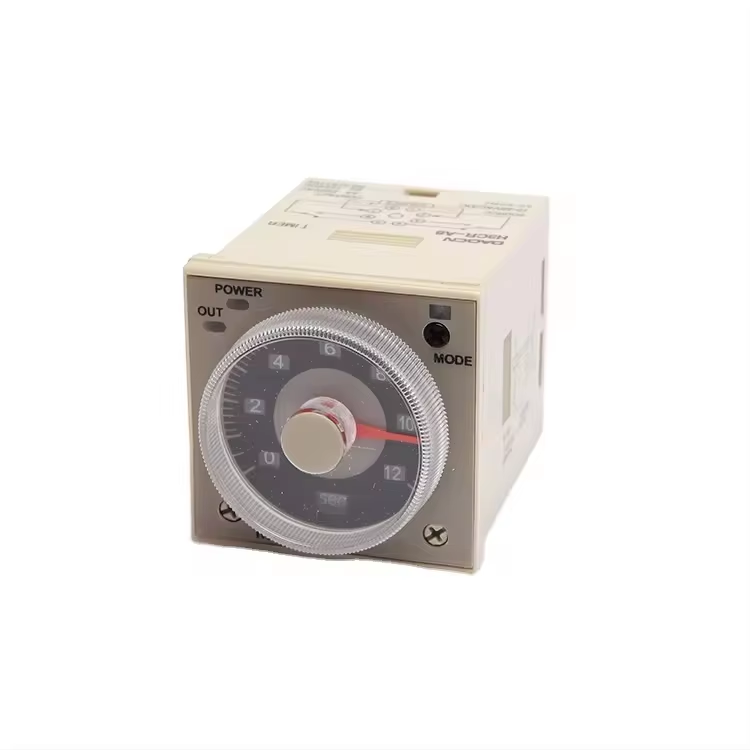
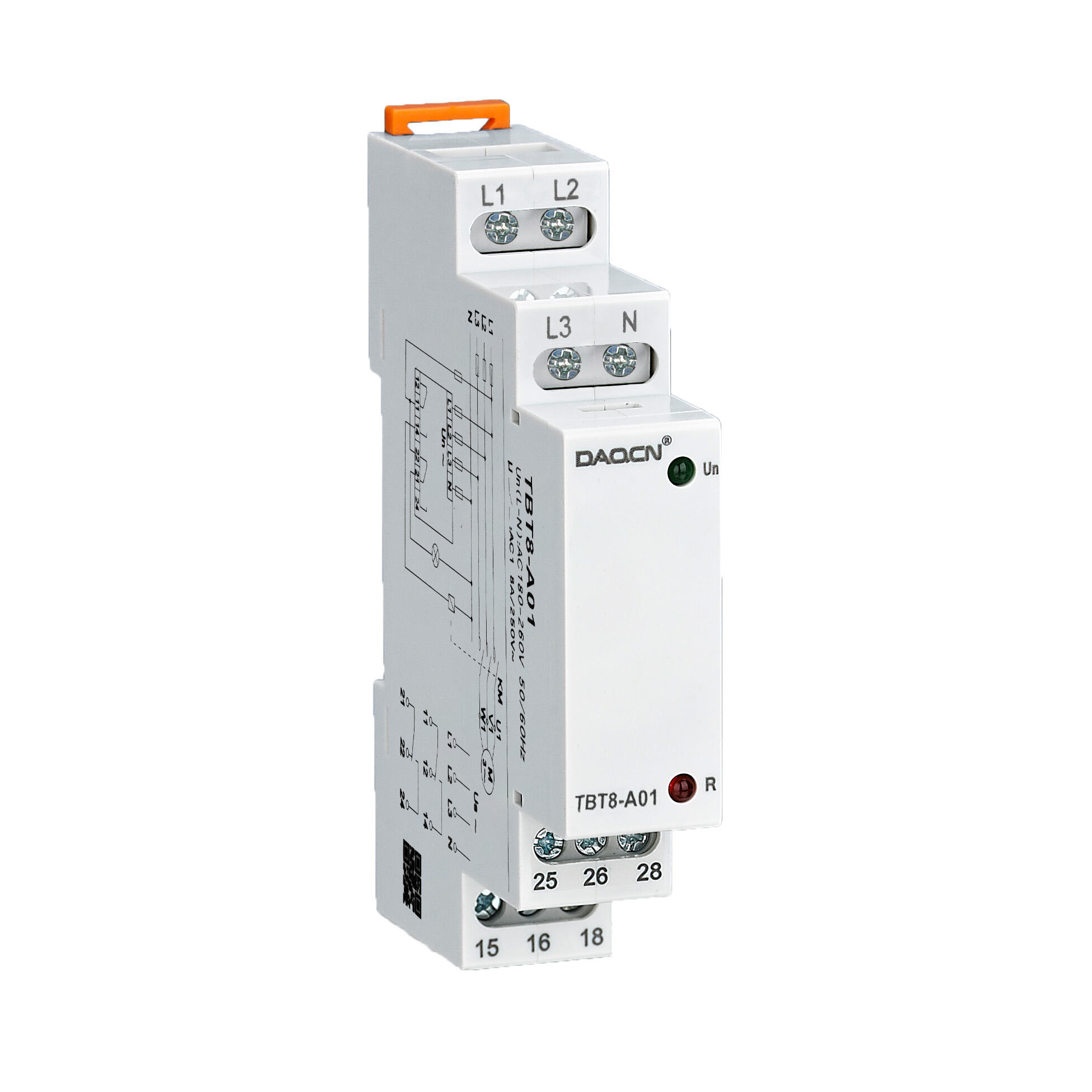
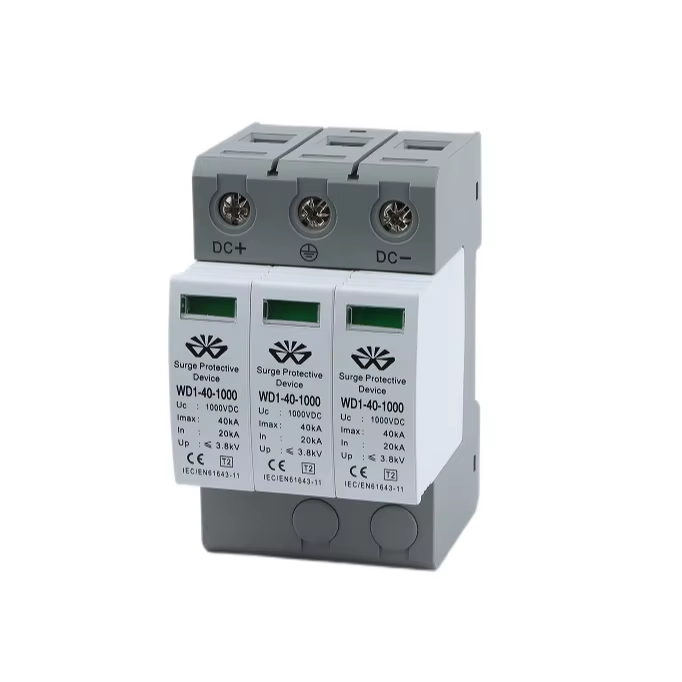
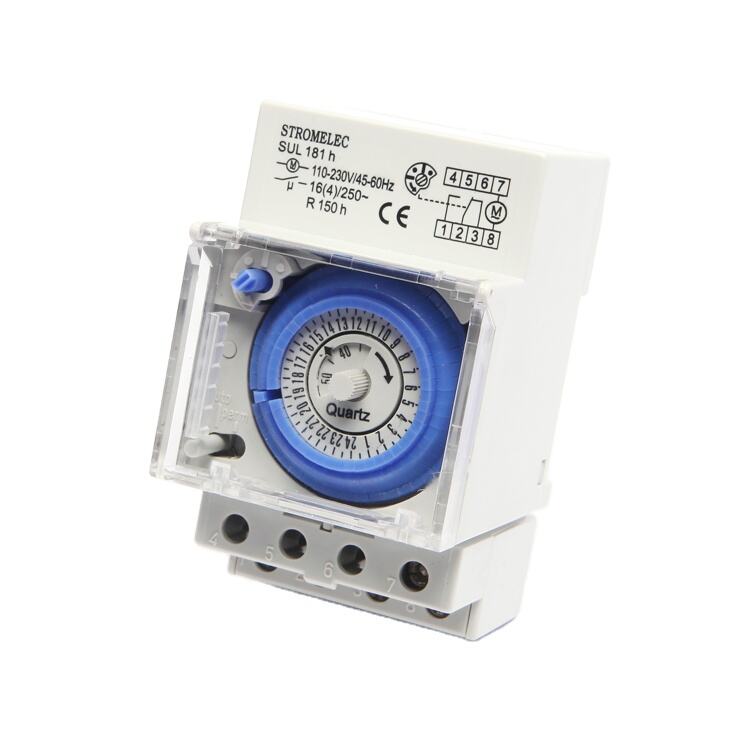
daquan circuit breaker
The daquan circuit breaker represents a cutting-edge solution in electrical protection technology, designed to safeguard electrical systems from overcurrent conditions, short circuits, and fault situations. This advanced protective device serves as a crucial component in residential, commercial, and industrial electrical installations, automatically interrupting electrical flow when dangerous conditions arise. The daquan circuit breaker combines innovative engineering with proven reliability to deliver superior performance across diverse applications. Its primary function involves monitoring electrical current flow and instantly disconnecting circuits when predetermined thresholds are exceeded, preventing equipment damage, fire hazards, and electrical accidents. The device incorporates sophisticated trip mechanisms that respond rapidly to various fault conditions including overload situations, ground faults, and arc faults. Modern daquan circuit breaker models feature intelligent electronic controls that provide precise trip characteristics and enhanced diagnostic capabilities. The technological framework includes magnetic trip units for instantaneous short-circuit protection and thermal trip elements for overload protection, ensuring comprehensive system security. Advanced versions integrate microprocessor-based controls that enable programmable trip settings, communication capabilities, and detailed fault recording. The daquan circuit breaker construction utilizes high-grade materials including silver-tungsten contacts for superior arc interruption, robust insulation systems for enhanced safety, and corrosion-resistant housings for extended service life. Applications span across residential panel boards, commercial distribution systems, industrial motor control centers, and specialized equipment protection scenarios. The device accommodates various voltage ratings, current capacities, and mounting configurations to meet specific installation requirements, making it versatile for different electrical environments and operational demands.
 EN
EN