Versatile Timing Modes for Complete Application Flexibility
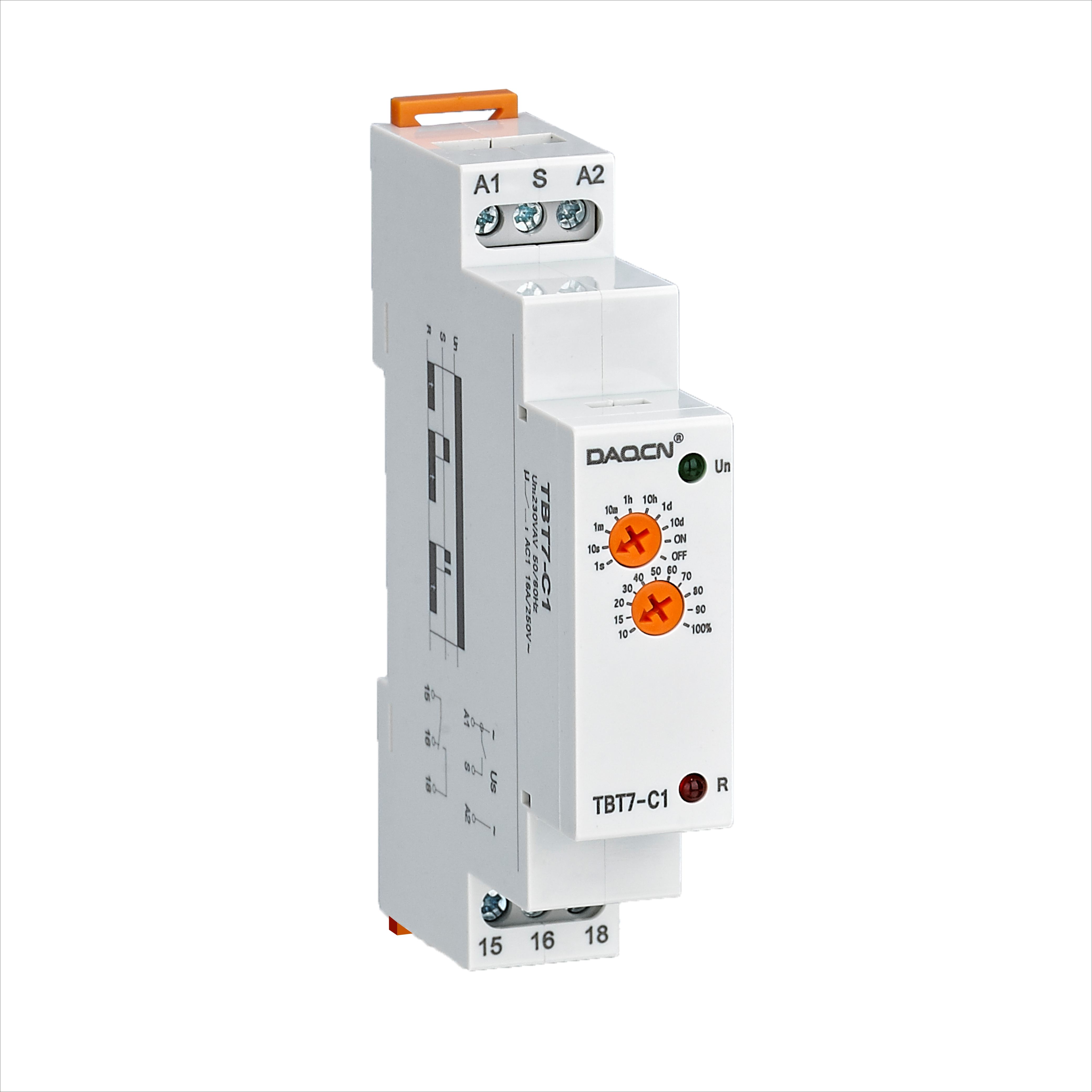
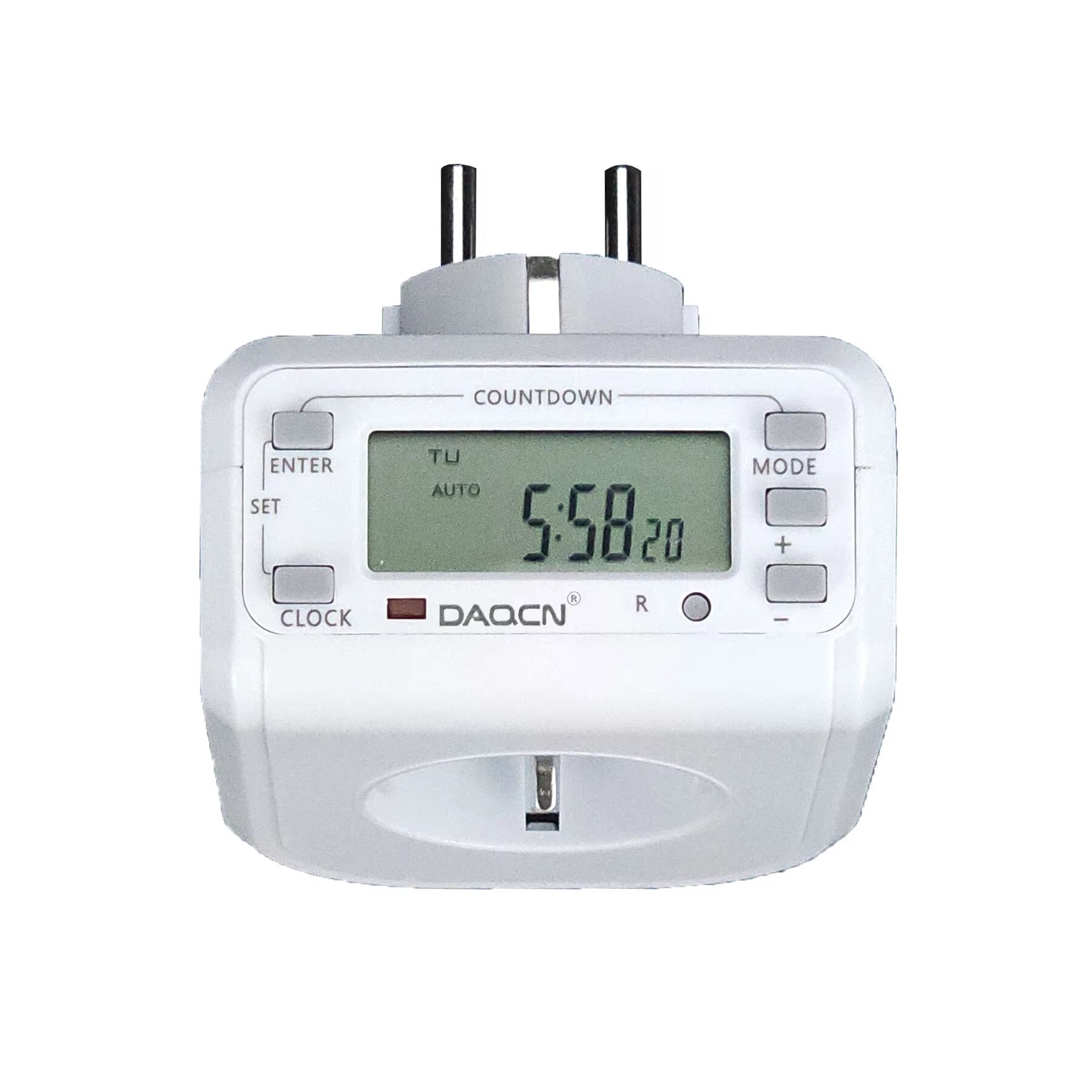
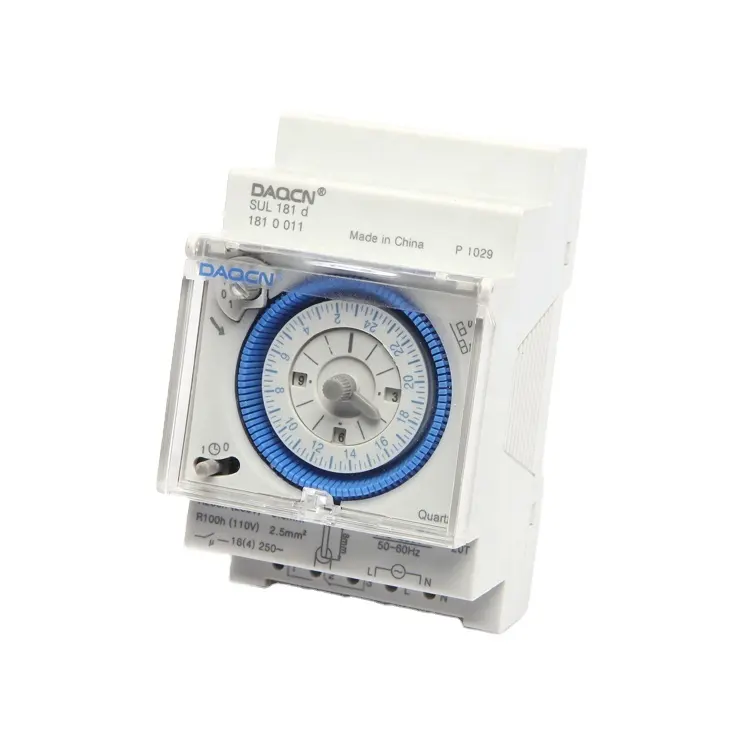
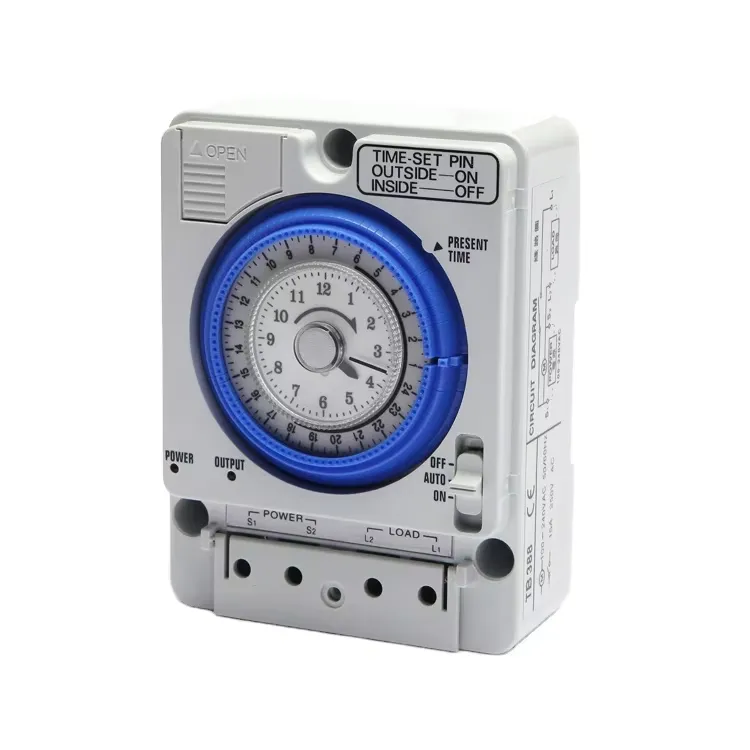
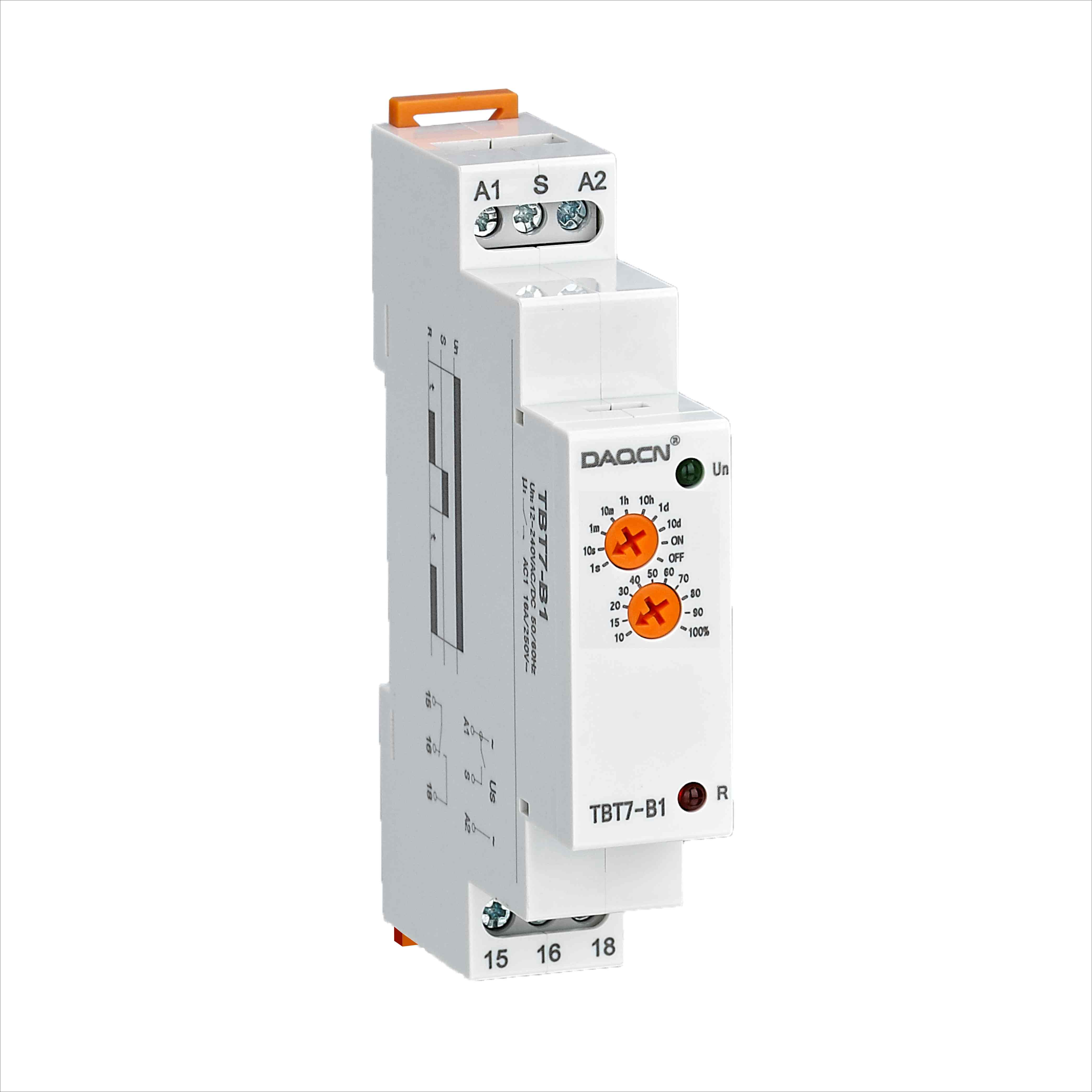
The daquan timer relay offers an extensive range of timing modes that provide unmatched flexibility for diverse industrial and commercial applications. This comprehensive timing capability includes standard delay-on and delay-off functions, interval timing, pulse generation, and complex sequential timing patterns that can be customized to meet specific operational requirements. The device supports programmable timing ranges from milliseconds to hours, enabling applications ranging from rapid cycling operations to extended duration processes. Each timing mode can be independently configured with precise timing parameters, allowing operators to create sophisticated control sequences that optimize equipment performance and energy consumption. The daquan timer relay's versatility extends to its ability to operate in multiple timing modes simultaneously, providing coordinated control of different system components through a single device. This multi-mode capability eliminates the complexity and cost associated with multiple timing devices while ensuring precise coordination between different operational phases. The relay supports both time-based and event-based timing functions, allowing control sequences to respond to external signals or predetermined schedules as needed for specific applications. Advanced timing modes include adjustable duty cycle control for equipment that requires specific on-off ratios, and cascading timer functions that enable complex sequential operations across multiple system components. The daquan timer relay's timing flexibility accommodates seasonal variations, production schedule changes, and process optimization requirements without requiring hardware modifications or extensive reprogramming. Conditional timing modes allow the relay to modify timing parameters based on input signals or system status, providing adaptive control that responds to changing operational conditions. This versatility makes the daquan timer relay suitable for applications including motor control, lighting systems, heating and cooling equipment, pump control, and manufacturing process automation. The ability to store multiple timing programs enables quick switching between different operational modes, supporting facilities that operate under various schedules or production requirements throughout different time periods.
 EN
EN