Versatile Application Integration and Smart Diagnostics
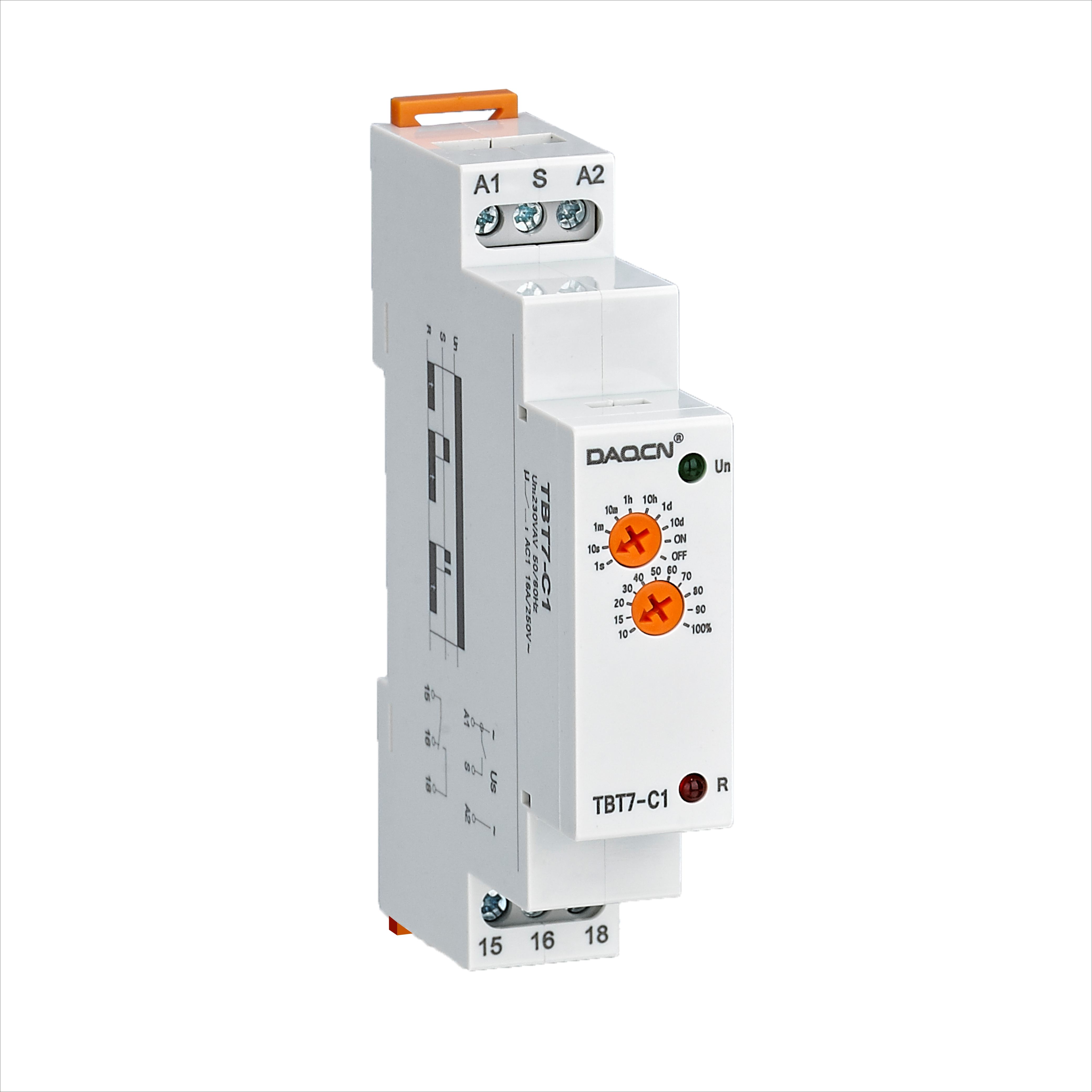
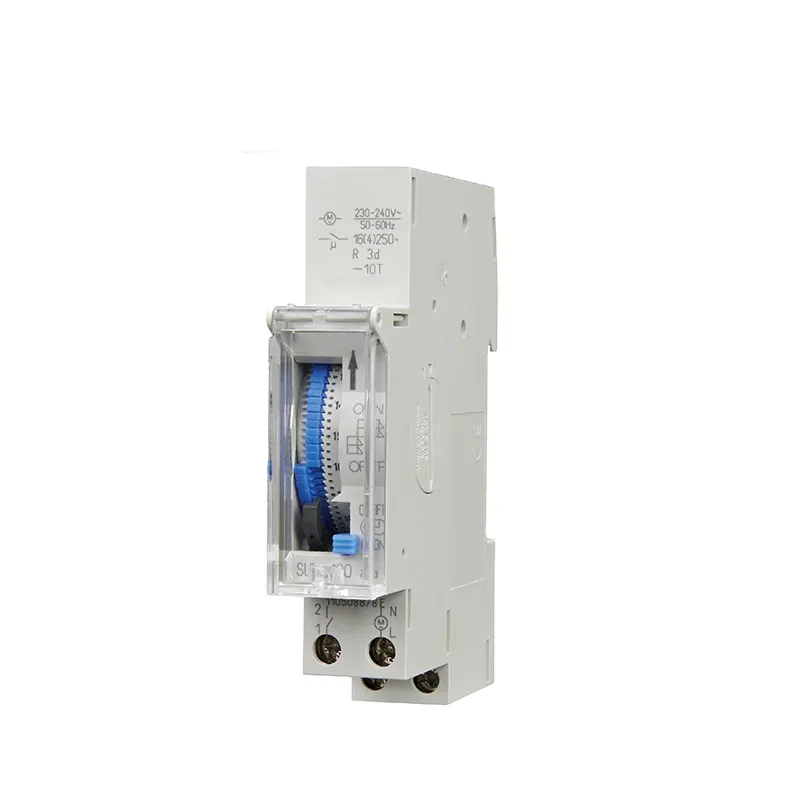
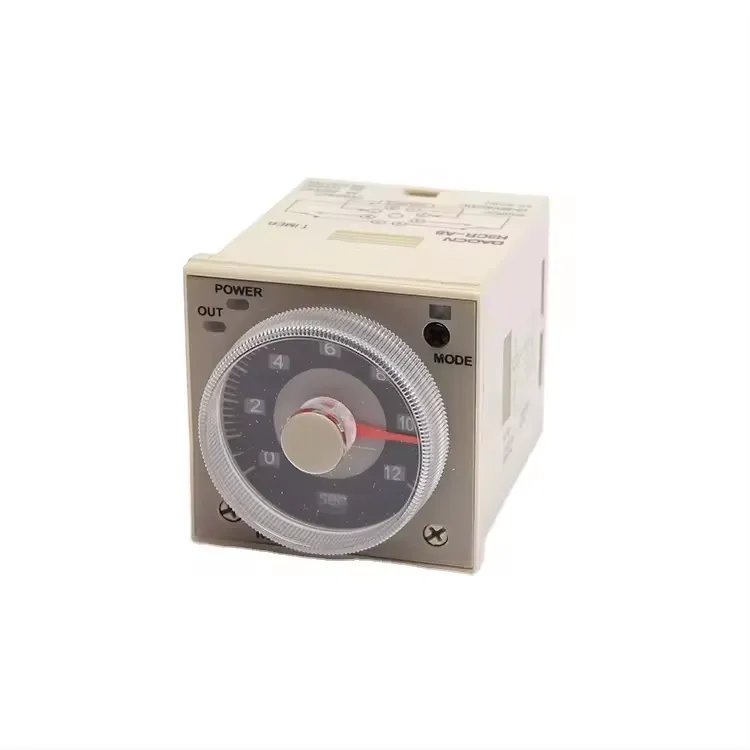
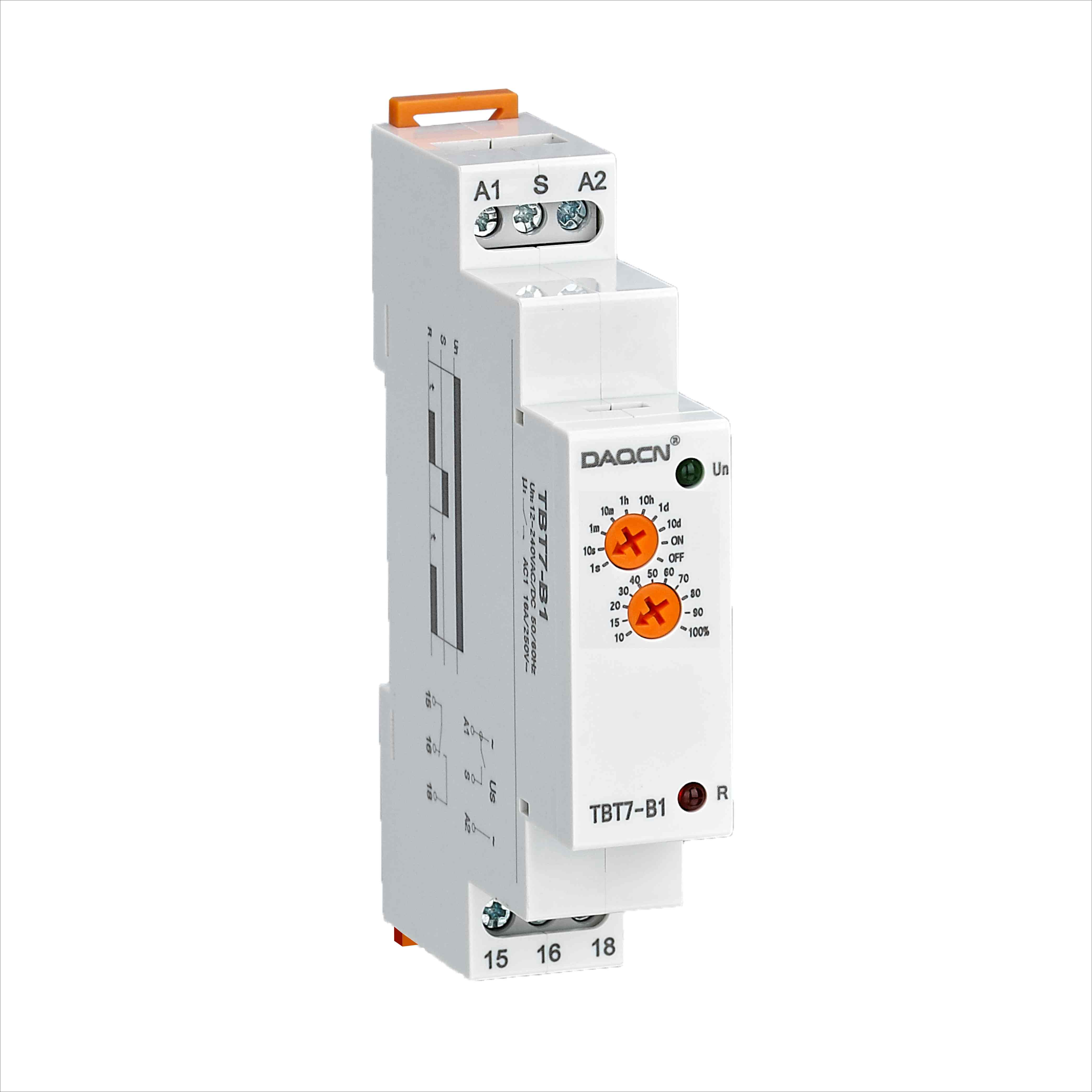
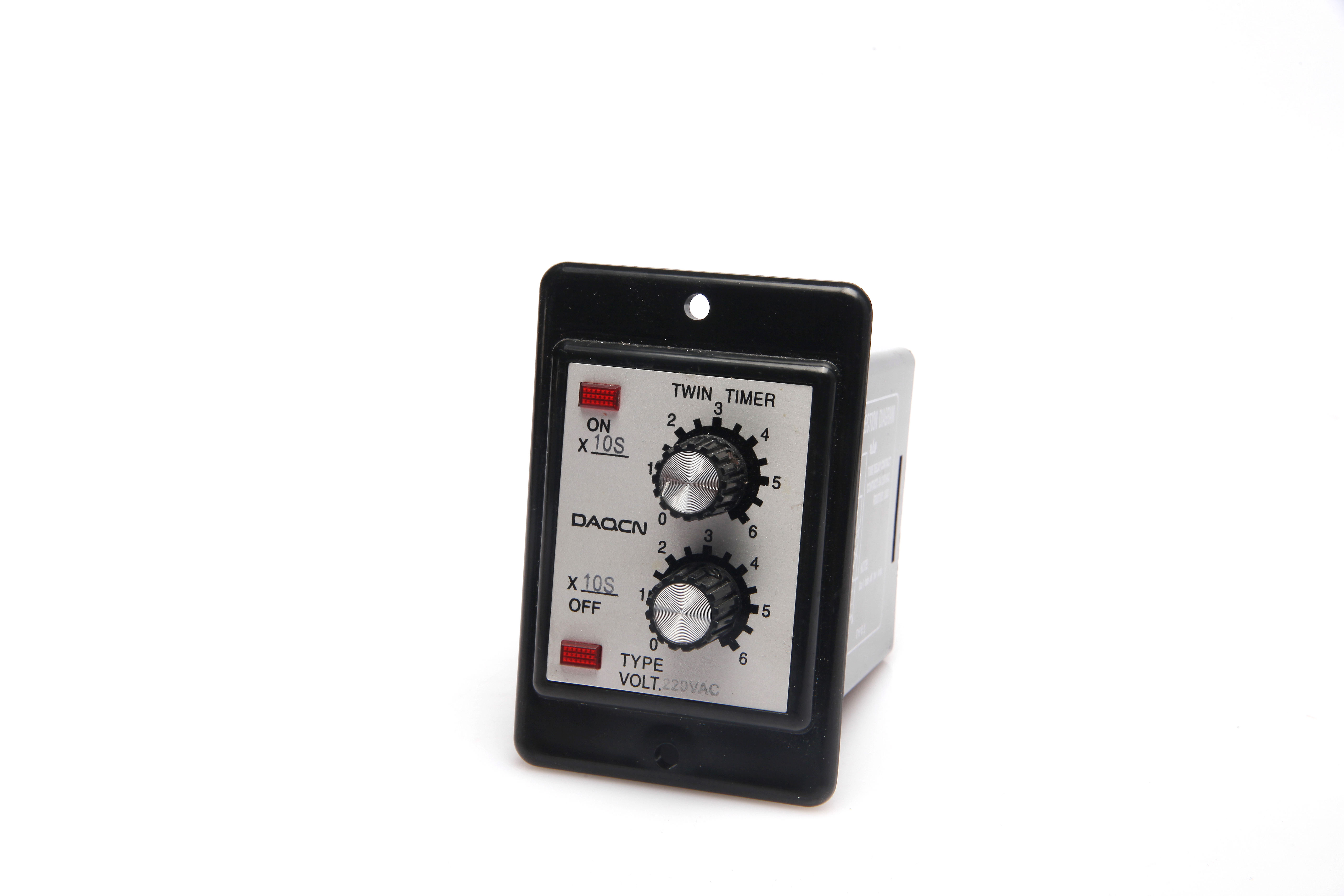
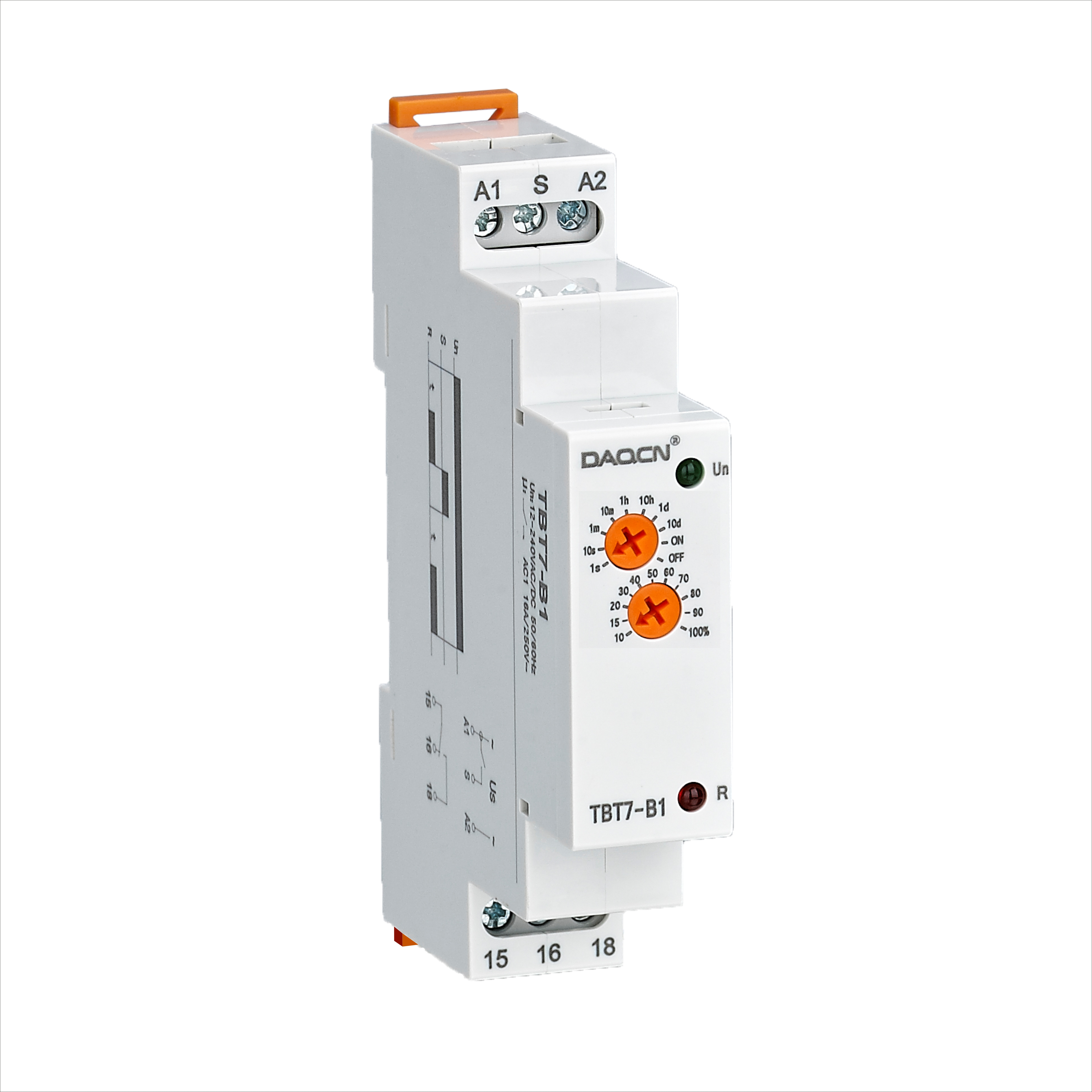
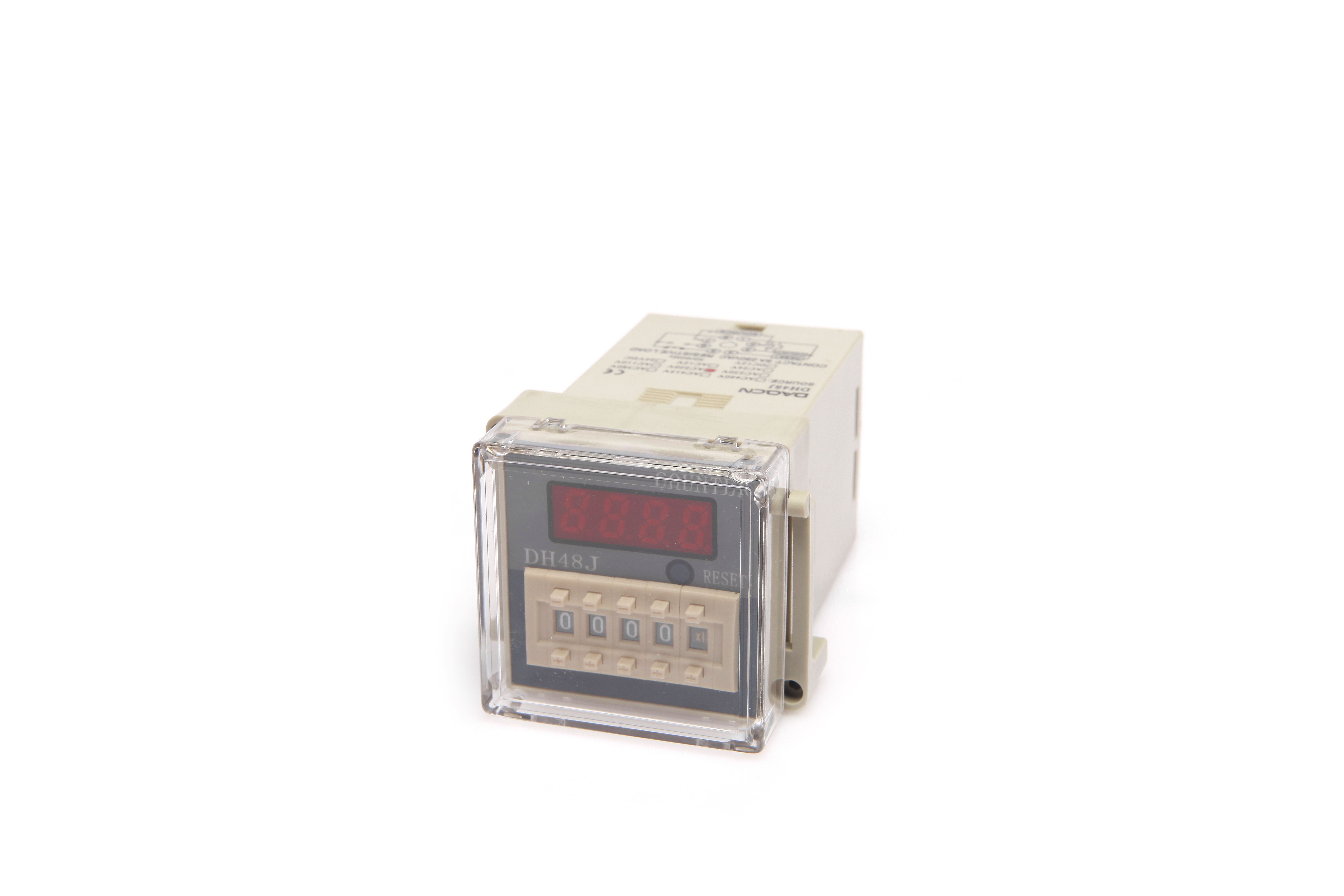
The delay on break time delay relay distinguishes itself through exceptional versatility in application integration and advanced diagnostic capabilities that streamline system monitoring and maintenance. Modern delay on break time delay relays feature multiple contact configurations, including SPDT, DPDT, and multi-pole arrangements, enabling seamless integration into diverse control schemes without requiring additional interface components. The relay's compatibility extends across various voltage levels, from low-voltage control circuits operating at 24V DC to industrial systems requiring 480V AC switching capability, making it suitable for everything from building automation to heavy industrial applications. Integration flexibility includes multiple mounting options such as DIN rail mounting, panel mounting, and plug-in socket configurations, allowing engineers to select the most appropriate installation method for specific applications. The relay's communication capabilities in advanced models include digital interfaces such as Modbus, Profibus, and Ethernet protocols, enabling integration with modern SCADA systems and industrial IoT networks for centralized monitoring and control. Smart diagnostic features represent a significant advancement in delay on break time delay relay technology, providing real-time status information through LED indicators, digital displays, and communication interfaces. These diagnostics include timing status indication, contact position feedback, fault detection capabilities, and operational cycle counting that helps predict maintenance requirements. The relay can detect and report various fault conditions such as contact welding, coil degradation, timing circuit malfunctions, and environmental stress factors that could affect performance. Predictive maintenance capabilities allow facility managers to schedule maintenance activities based on actual relay condition rather than arbitrary time intervals, reducing both maintenance costs and unexpected failures. The diagnostic data collection enables trend analysis that helps identify patterns in equipment behavior, leading to improved system optimization and enhanced reliability. Remote monitoring capabilities through communication networks allow maintenance personnel to assess relay status from central control rooms, reducing the need for field inspections and enabling faster response to potential issues. Configuration software provided with advanced delay on break time delay relays simplifies parameter setting and diagnostic analysis through intuitive graphical interfaces that require minimal specialized training, making these sophisticated devices accessible to a broader range of technical personnel and reducing implementation complexity in various applications.
 EN
EN