Hour Meter - Precision Equipment Usage Tracking & Maintenance Optimization Solutions

All Categories

Get a Free Quote

Our representative will contact you soon.
Email
Name
Company Name
Mobile/WhatsApp
Message
0/1000

hour meter

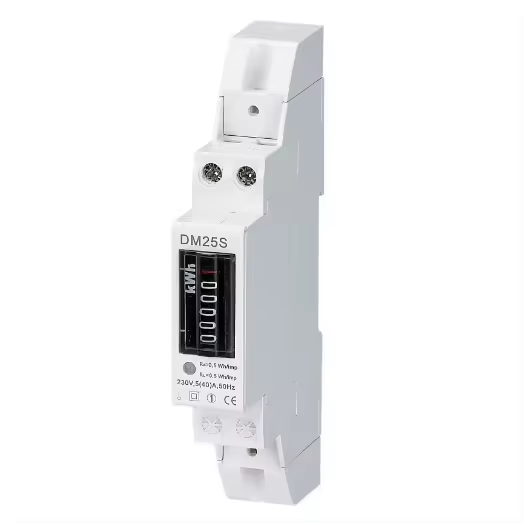
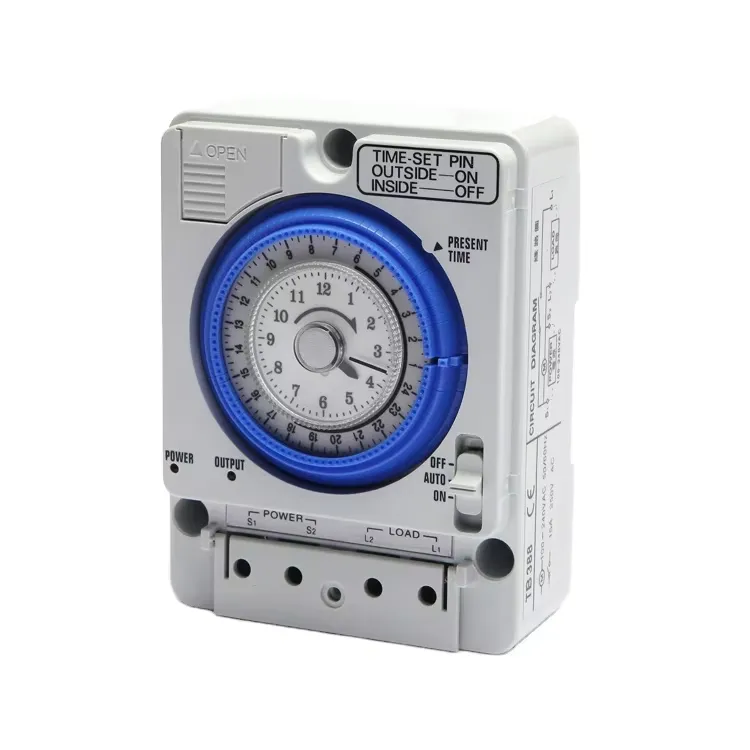
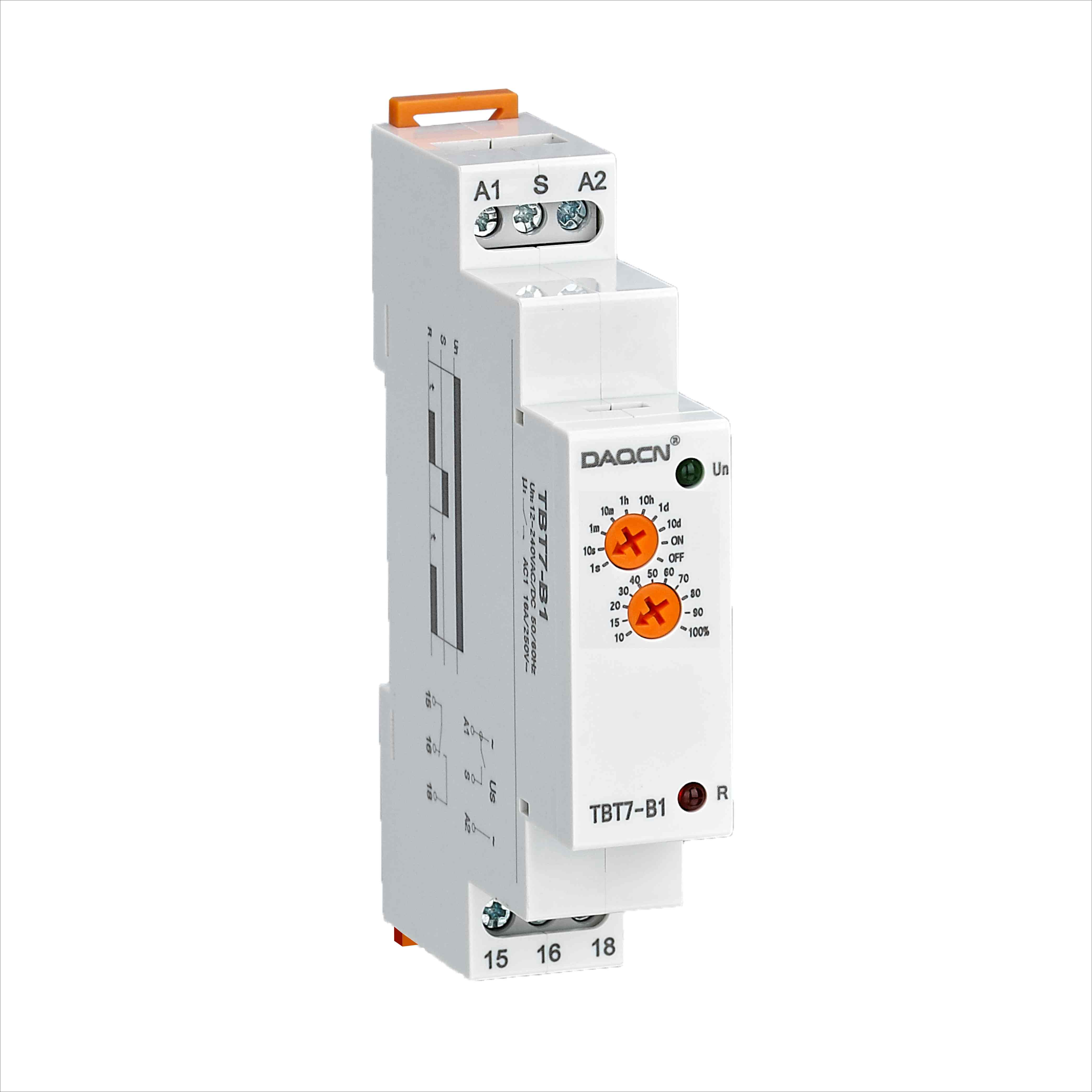
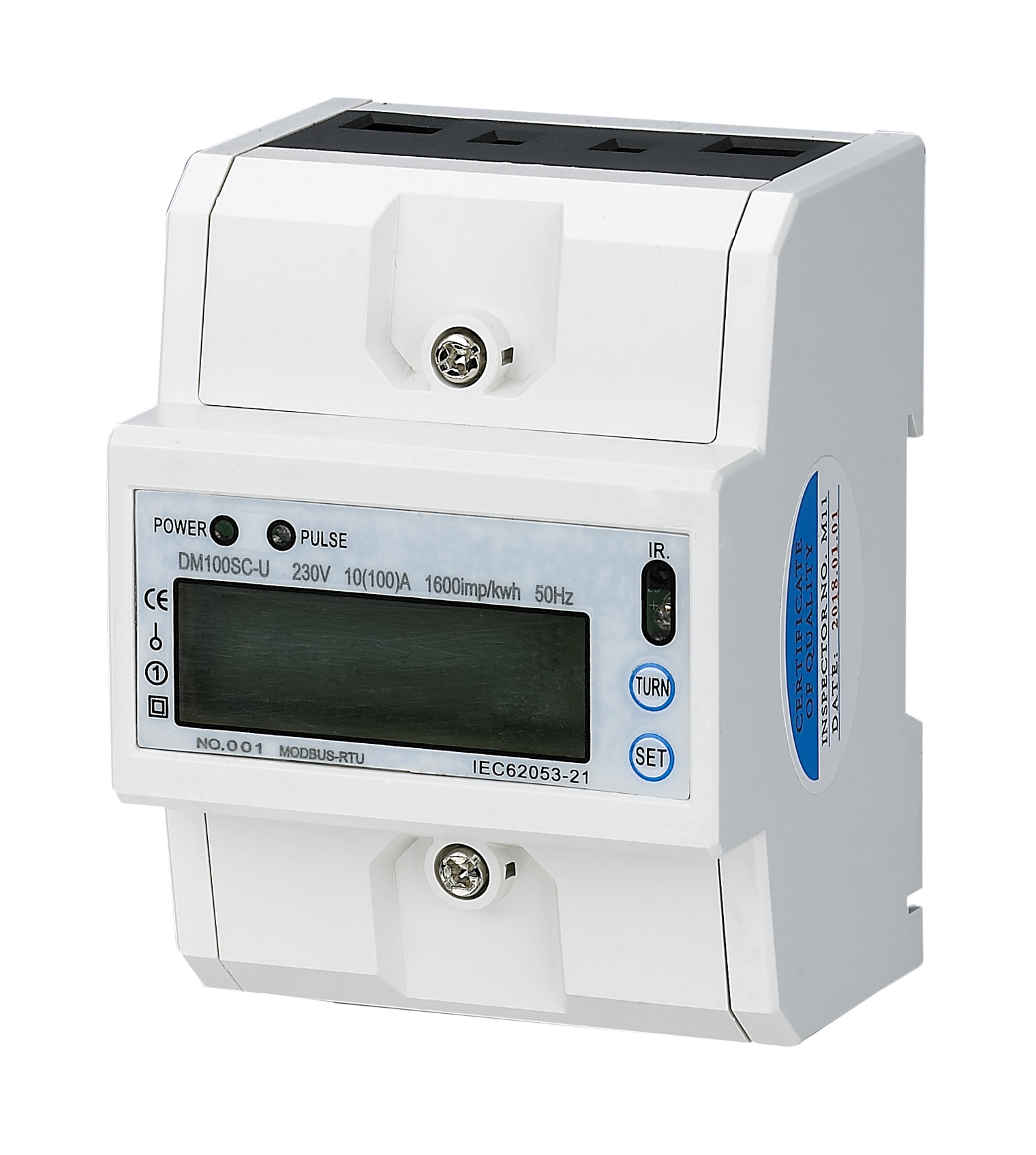
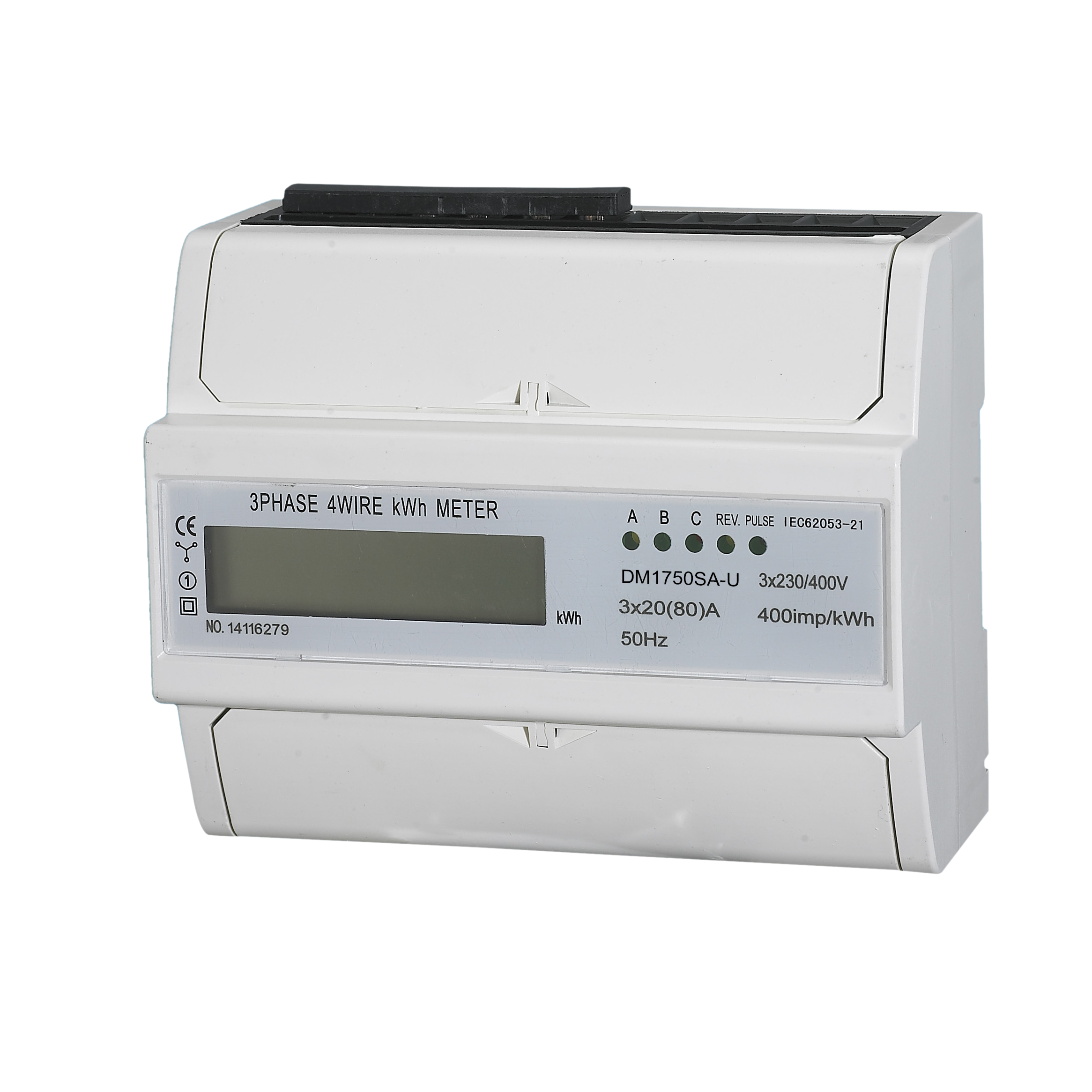
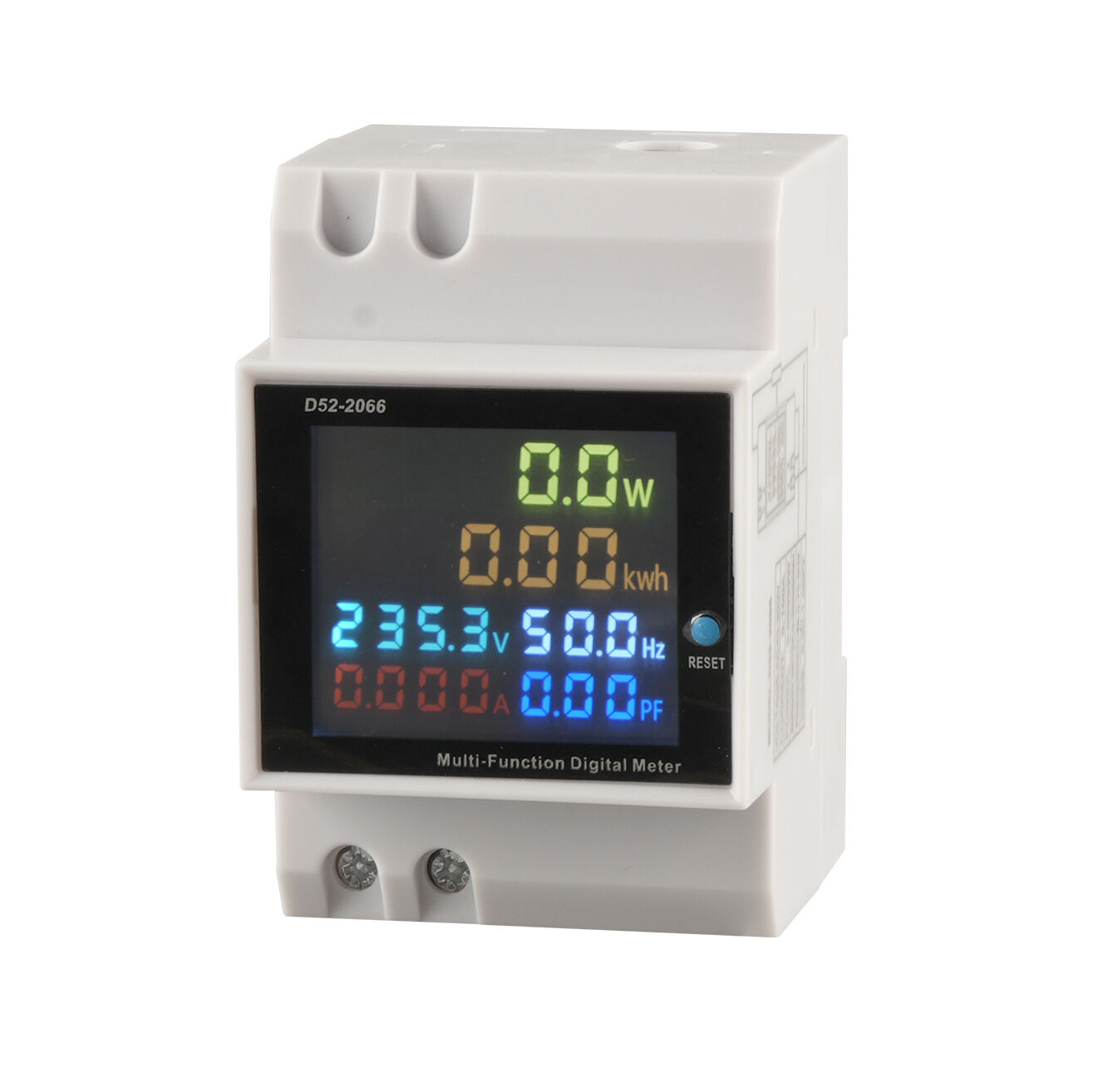
An hour meter is a specialized measuring instrument designed to track and record the total operational hours of machinery, equipment, or vehicles. This essential device serves as a digital or analog timekeeper that automatically counts cumulative running time whenever the monitored equipment is in active use. Hour meters provide critical data for maintenance scheduling, cost accounting, warranty tracking, and performance evaluation across diverse industrial applications. The fundamental principle behind hour meter operation involves connecting the device to the equipment's power source or ignition system, allowing it to begin counting only when the machine is actively running. Modern hour meters incorporate advanced electronic circuits and precise timing mechanisms that ensure accurate measurement even in harsh environmental conditions. These devices typically feature robust construction with weatherproof housings, vibration-resistant components, and temperature-stable electronics to withstand demanding industrial environments. Digital hour meters display accumulated hours through LCD or LED screens, while analog versions use mechanical counters with numbered wheels. Many contemporary hour meters include additional functionality such as service interval reminders, multiple timer channels, and programmable maintenance alerts. The integration capabilities of modern hour meters extend to fleet management systems, allowing remote monitoring and data collection through wireless communication protocols. Installation procedures vary depending on the specific hour meter model and target equipment, with most units requiring simple wiring connections to power sources or control circuits. Hour meters find extensive applications in construction equipment, agricultural machinery, marine vessels, generators, HVAC systems, and manufacturing equipment. The data collected by hour meters enables operators to implement preventive maintenance programs, optimize equipment utilization, calculate operational costs, and comply with manufacturer warranty requirements. Professional-grade hour meters often incorporate tamper-resistant features and non-volatile memory to preserve accumulated data during power interruptions, ensuring reliable long-term tracking of equipment usage patterns.

New Product Releases

Hour meters deliver substantial benefits that directly impact operational efficiency and cost management for businesses across multiple industries. Equipment owners gain precise visibility into actual usage patterns, eliminating guesswork when scheduling maintenance intervals and replacement procedures. This accurate tracking prevents premature servicing that wastes resources while avoiding delayed maintenance that could lead to costly breakdowns. The financial advantages become immediately apparent through reduced maintenance expenses and extended equipment lifespan. Hour meters enable operators to implement condition-based maintenance strategies rather than relying on arbitrary time schedules, resulting in significant cost savings over equipment lifetime. Fleet managers appreciate the ability to monitor multiple machines simultaneously, optimizing deployment decisions based on real usage data rather than assumptions. The warranty protection benefits cannot be overstated, as hour meters provide documented proof of equipment usage that manufacturers require for warranty claims and service disputes. This documentation protects investments by ensuring valid warranty coverage throughout the specified period. Productivity improvements emerge naturally when operators understand actual equipment utilization rates, allowing better resource allocation and project planning. Hour meters contribute to regulatory compliance in industries where operational hour tracking is mandatory for safety inspections or environmental reporting. The data collected supports accurate cost accounting by providing precise information for calculating hourly operating expenses, depreciation schedules, and project billing. Insurance companies often offer reduced premiums for fleets equipped with hour meters, recognizing the correlation between usage monitoring and improved safety records. Resale value protection represents another significant advantage, as potential buyers prefer equipment with documented usage history over machines without verifiable operating records. The peace of mind that comes from knowing exact equipment usage eliminates uncertainty in fleet management decisions. Modern hour meters integrate seamlessly with existing management systems, providing automated reporting capabilities that reduce administrative overhead. Operators report increased confidence in equipment reliability when maintenance schedules are based on actual usage rather than calendar intervals. The environmental benefits include reduced waste from unnecessary maintenance procedures and optimized equipment replacement timing that minimizes resource consumption.

Tips And Tricks

Why choose analog vs digital timer relay systems?

06

Jan

Why choose analog vs digital timer relay systems?

Industrial automation demands precise timing control, and selecting the right timer relay system can significantly impact operational efficiency and maintenance costs. The choice between analog and digital timer relay technologies represents a fundam...
View More
How to choose the right relay for industrial automation?

06

Jan

How to choose the right relay for industrial automation?

Industrial automation systems rely heavily on precise electrical control components, with the relay serving as one of the most fundamental switching devices. Understanding how to select the appropriate relay for your automation application can signif...
View More
Which relay type offers the best durability for my needs?

06

Jan

Which relay type offers the best durability for my needs?

Selecting the right relay for your application requires understanding the various types available and their durability characteristics. Industrial professionals face numerous options when choosing between electromagnetic relays, solid-state relays, a...
View More
How to select the right timer relay for your project?

06

Jan

How to select the right timer relay for your project?

Selecting the appropriate timer relay for industrial applications requires careful consideration of various technical specifications and operational requirements. A timer relay serves as a critical component in automation systems, controlling time-de...
View More

Get a Free Quote

Our representative will contact you soon.
Email
Name
Company Name
Mobile/WhatsApp
Message
0/1000

hour meter

Precision Tracking Technology

Precision Tracking Technology

The precision tracking technology embedded within modern hour meters represents a revolutionary advancement in equipment monitoring capabilities. These sophisticated devices utilize high-accuracy electronic circuits and advanced microprocessor technology to deliver unparalleled measurement precision, typically maintaining accuracy within 0.1% over extended operational periods. The internal timing mechanisms employ crystal oscillators that provide stable frequency references, ensuring consistent timekeeping regardless of environmental fluctuations or power variations. This technological foundation enables hour meters to track equipment usage down to individual minutes, providing granular data that supports detailed analysis and optimization efforts. The precision extends beyond basic timekeeping to include advanced features such as multi-channel monitoring, where single units can simultaneously track multiple operational parameters. Modern hour meters incorporate non-volatile memory systems that preserve accumulated data during power interruptions, brownouts, or equipment shutdowns, guaranteeing no loss of critical usage information. The tamper-resistant design elements prevent unauthorized manipulation of recorded data, maintaining integrity for warranty claims, regulatory compliance, and legal documentation purposes. Advanced signal processing capabilities allow hour meters to distinguish between actual operational time and idle periods, ensuring only productive hours are recorded. The precision tracking technology adapts to various input signals, accommodating different equipment types and electrical systems without requiring complex configuration procedures. Temperature compensation features maintain accuracy across extreme environmental conditions, from arctic cold to desert heat, making these devices suitable for global deployment. The integration of smart algorithms enables hour meters to detect anomalous patterns and alert operators to potential equipment issues before they escalate into costly failures. This predictive capability transforms hour meters from simple counters into intelligent monitoring systems that actively contribute to operational efficiency. The precision extends to display resolution, with digital readouts capable of showing accumulated hours to decimal places when required for critical applications. Battery backup systems ensure continuous operation even when primary power sources fail, maintaining uninterrupted tracking during equipment transportation or storage periods.
Maintenance Scheduling Optimization

Maintenance Scheduling Optimization

Maintenance scheduling optimization through hour meter implementation revolutionizes traditional service approaches by replacing arbitrary calendar-based intervals with precise usage-driven schedules. This fundamental shift eliminates the inefficiencies associated with premature maintenance while preventing the catastrophic failures that result from delayed service interventions. Hour meters enable maintenance teams to establish optimal service intervals based on actual operational stress rather than theoretical estimates, resulting in perfectly timed maintenance actions that maximize equipment availability while minimizing costs. The optimization process begins with establishing baseline maintenance requirements for specific equipment types, then adjusting these intervals based on real-world usage data collected by hour meters. This data-driven approach reveals usage patterns that would otherwise remain hidden, such as seasonal variations, operator differences, and application-specific wear rates. Maintenance managers can identify equipment that operates under severe conditions requiring shortened service intervals, while recognizing lightly used machines that can safely extend maintenance cycles without compromising reliability. The scheduling optimization extends to parts inventory management, as hour meters provide advance notice of upcoming service requirements, allowing procurement teams to order components well before they are needed. This proactive approach eliminates emergency purchases at premium prices while preventing equipment downtime due to parts availability issues. Fleet maintenance becomes significantly more efficient when hour meters provide synchronized scheduling across multiple units, enabling batch processing of similar service requirements. The optimization benefits compound over time as historical data accumulates, revealing long-term trends that inform strategic decisions about equipment replacement, upgrade timing, and operational adjustments. Modern hour meters with communication capabilities can automatically generate maintenance alerts and work orders, streamlining the scheduling process and reducing administrative burden. The integration with computerized maintenance management systems creates seamless workflows that track service history, parts consumption, and maintenance effectiveness. This comprehensive approach enables continuous improvement in maintenance practices based on measurable outcomes rather than subjective assessments. The financial impact of optimized maintenance scheduling becomes evident through reduced labor costs, minimized parts waste, and extended equipment life cycles that defer capital expenditures.
Fleet Management Integration

Fleet Management Integration

Fleet management integration capabilities of modern hour meters transform equipment oversight from reactive monitoring to proactive optimization through comprehensive data collection and analysis. These advanced systems establish communication networks that connect individual hour meters to centralized management platforms, providing real-time visibility into fleet-wide operational status and utilization patterns. The integration process involves sophisticated data transmission protocols that ensure reliable communication even in challenging environments where equipment operates in remote locations or harsh conditions. Fleet managers gain unprecedented insight into equipment deployment efficiency, identifying underutilized assets that could be redeployed to more productive applications while recognizing overworked machines that may require operational adjustments or replacement consideration. The centralized data collection enables comparative analysis across similar equipment types, revealing performance variations that indicate maintenance needs, operator training requirements, or application mismatches. Hour meter integration with GPS tracking systems creates powerful synergies that combine location data with usage information, providing complete pictures of equipment deployment and utilization patterns. This comprehensive monitoring capability supports dynamic fleet optimization decisions based on real-time conditions rather than static assumptions about equipment availability and performance. The integration extends to automated reporting systems that generate customized dashboards for different management levels, from operational supervisors who need immediate alerts to executives requiring strategic performance summaries. Modern hour meters can communicate through various protocols including cellular networks, WiFi, satellite connections, and hardwired communications, ensuring connectivity options suitable for any operational environment. The integration capabilities support predictive maintenance programs by analyzing usage trends and identifying equipment approaching service intervals or showing signs of abnormal operational patterns. Fleet management integration enables automatic scheduling of maintenance activities based on accumulated hours rather than calendar dates, optimizing service timing and resource allocation. The data sharing capabilities extend to manufacturer support systems, enabling proactive technical support and warranty management based on actual usage patterns rather than estimated operational profiles. Integration with fuel management systems provides comprehensive operational cost analysis that combines usage hours with fuel consumption data, enabling precise calculation of operational expenses and efficiency metrics.

Get a Free Quote

Our representative will contact you soon.
Email
Name
Company Name
Mobile/WhatsApp
Message
0/1000