Advanced Real-Time Electrical Parameter Monitoring
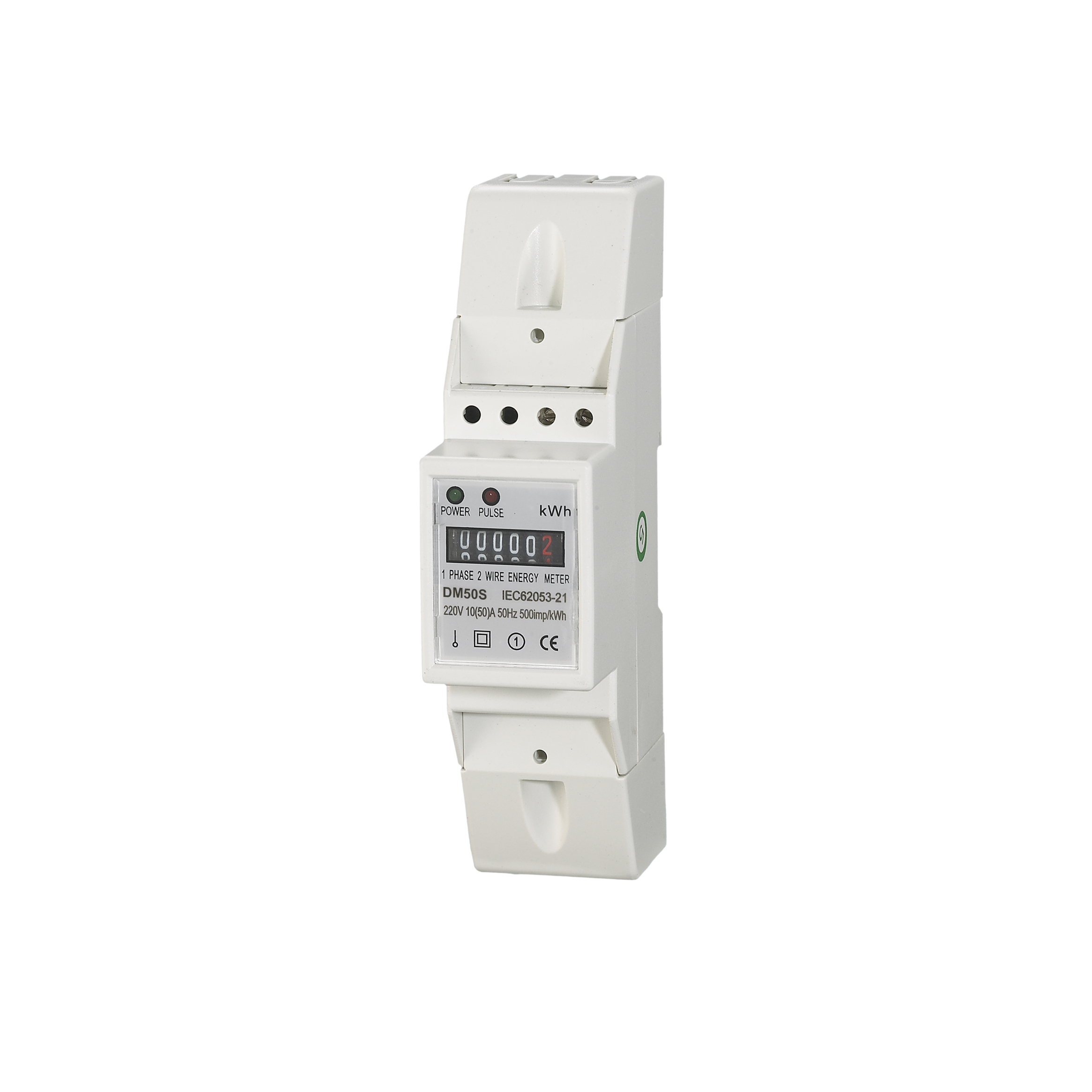
Multi-function meters excel in delivering comprehensive real-time monitoring of critical electrical parameters, providing unprecedented visibility into electrical system performance. These sophisticated devices simultaneously measure and display voltage, current, active power, reactive power, apparent power, power factor, frequency, and total harmonic distortion across single-phase and three-phase electrical systems. The advanced microprocessor technology ensures measurement accuracy within 0.2% to 1.0% class standards, meeting the stringent requirements for revenue-grade metering and power quality analysis. High-resolution LCD displays present measured values in multiple formats including numerical readings, bar graphs, and waveform displays, allowing operators to quickly assess system status and identify potential issues. The real-time monitoring capability enables immediate detection of electrical anomalies such as voltage sags, swells, interruptions, and harmonic distortion that could damage sensitive equipment or disrupt critical operations. Advanced signal processing algorithms continuously analyze incoming electrical signals, filtering noise and providing stable, accurate readings even in electrically noisy environments. Multi-function meters capture transient events and store minimum and maximum values, helping maintenance teams identify intermittent problems that might otherwise go undetected. The comprehensive parameter monitoring includes phase sequence detection, neutral current measurement, and individual phase analysis, providing complete insight into three-phase system balance and performance. Modern units feature configurable measurement intervals and averaging functions, allowing users to optimize data collection for specific applications and reporting requirements. The simultaneous monitoring of multiple parameters eliminates the guesswork in electrical system troubleshooting, enabling faster problem identification and resolution. These meters support various measurement modes including instantaneous values, average values over selectable time periods, and peak demand tracking with programmable demand intervals. The real-time data presentation helps operators make informed decisions about load management, power factor correction, and energy optimization strategies, ultimately improving system efficiency and reducing operational costs.
 EN
EN