Wireless Meter Solutions: Advanced Remote Monitoring Technology for Smart Facilities

All Categories

Get a Free Quote

Our representative will contact you soon.
Email
Name
Company Name
Mobile/WhatsApp
Message
0/1000

wireless meter

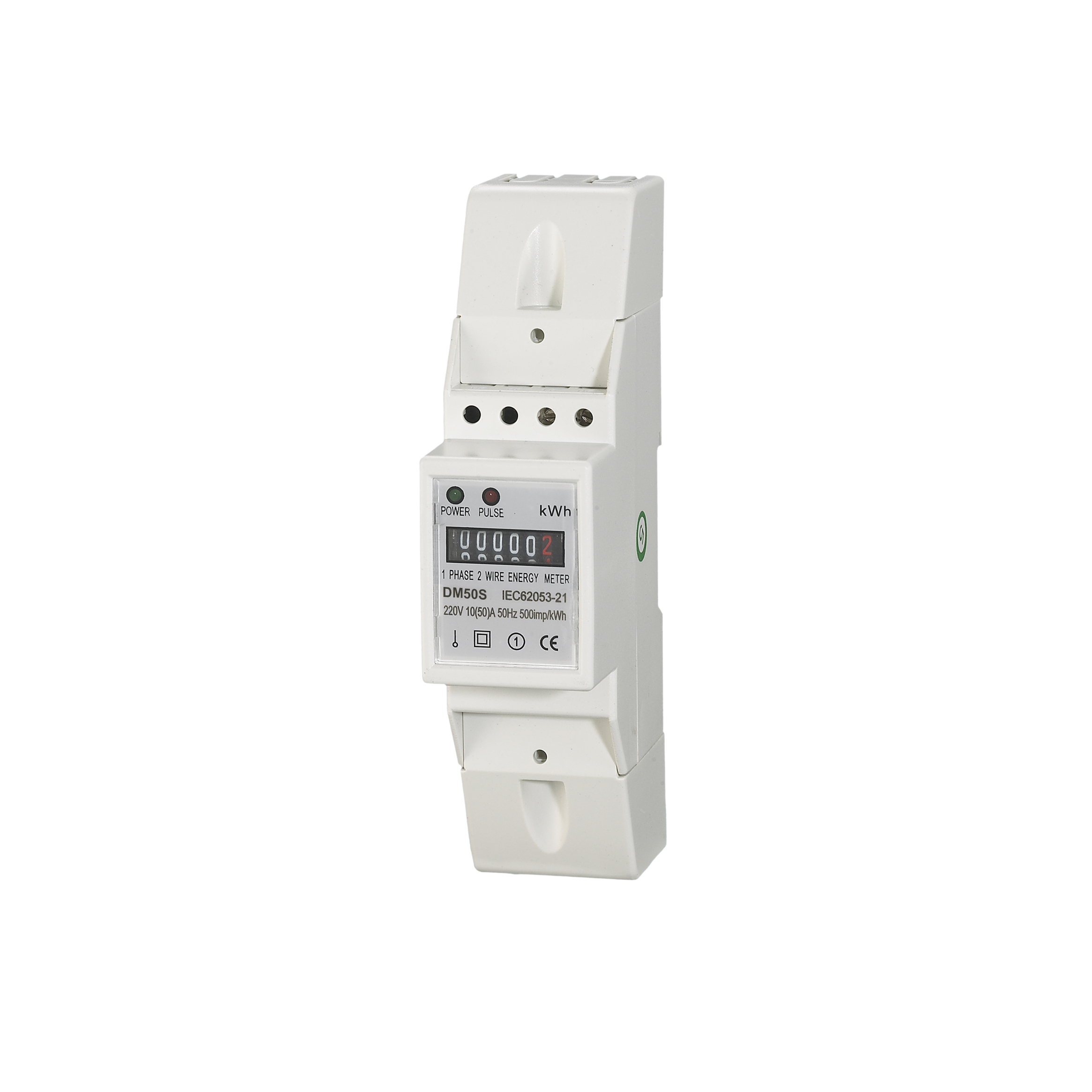
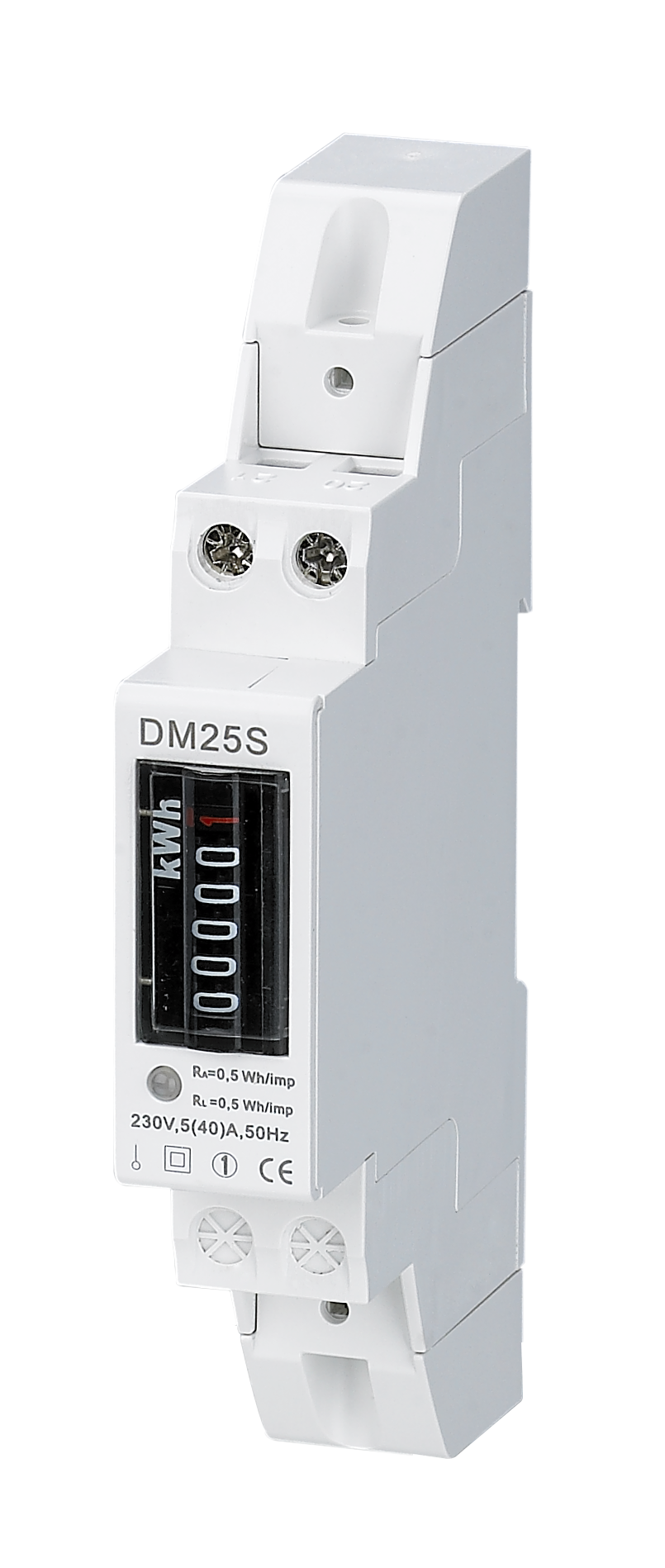
A wireless meter represents a revolutionary advancement in measurement technology that transforms how we monitor and track various utilities and systems. This sophisticated device utilizes wireless communication protocols to transmit data remotely, eliminating the need for manual readings and physical connections. The wireless meter integrates cutting-edge sensors with robust communication modules to deliver accurate measurements across multiple applications. Modern wireless meters employ various communication technologies including cellular networks, Wi-Fi, Bluetooth, LoRaWAN, and Zigbee protocols to ensure reliable data transmission. The core functionality revolves around automated data collection, real-time monitoring, and seamless integration with centralized management systems. These meters can measure electricity consumption, water usage, gas flow, temperature, pressure, and numerous other parameters depending on their specific design. The technological architecture incorporates advanced microprocessors that process measurement data locally before transmitting it to designated receivers or cloud platforms. Battery-powered operation ensures continuous functionality even in remote locations without access to traditional power sources. The wireless meter features encrypted data transmission protocols that maintain security and prevent unauthorized access to sensitive information. Installation simplicity marks another key characteristic, as these devices require minimal infrastructure changes compared to traditional wired systems. The ability to configure measurement intervals, set alerts, and customize reporting parameters makes wireless meters highly adaptable to different operational requirements. Advanced models include self-diagnostic capabilities that monitor device health and alert users to potential issues before they affect measurement accuracy. The wireless meter technology supports scalable deployments from single-unit installations to comprehensive networks spanning entire facilities or geographic regions. Integration capabilities extend to various software platforms, enabling seamless incorporation into existing management systems and business intelligence tools.

New Product Releases

Wireless meters deliver substantial cost savings by eliminating the need for expensive wiring infrastructure and reducing labor costs associated with manual readings. Organizations save thousands of dollars on installation expenses while significantly lowering ongoing maintenance requirements. The remote monitoring capability allows facility managers to track consumption patterns and identify inefficiencies without physical site visits, resulting in reduced operational expenses and improved resource allocation. Real-time data collection enables immediate detection of anomalies, leaks, or equipment malfunctions that could otherwise lead to costly damage or waste. This proactive monitoring approach prevents minor issues from escalating into major problems that require expensive repairs or replacements. Enhanced accuracy represents another compelling advantage as wireless meters eliminate human error inherent in manual reading processes. Digital data transmission ensures precise measurements reach management systems without transcription mistakes or misinterpretations. The wireless meter technology provides continuous monitoring capabilities that capture detailed consumption patterns throughout different time periods, enabling organizations to optimize usage and reduce waste. Improved safety benefits emerge from reduced need for personnel to access hazardous or difficult-to-reach locations for meter readings. Workers avoid exposure to dangerous environments while maintaining comprehensive monitoring coverage across all measurement points. Scalability advantages allow organizations to expand monitoring networks easily by adding additional wireless meters without extensive infrastructure modifications. The flexible deployment options accommodate various installation scenarios from temporary monitoring projects to permanent facility-wide implementations. Data accessibility improvements enable stakeholders to access measurement information from anywhere using internet-connected devices, facilitating better decision-making and faster response times. Environmental benefits include reduced vehicle emissions from eliminated meter reading routes and decreased paper consumption through digital reporting systems. Regulatory compliance becomes more manageable as wireless meters provide detailed documentation and audit trails required by various industry standards. The technology supports predictive maintenance strategies by identifying trends that indicate potential equipment issues before failures occur. Integration capabilities with smart building systems and IoT platforms create comprehensive monitoring ecosystems that optimize overall facility performance and energy efficiency.

Practical Tips

What makes relay switching faster than manual controls?

25

Dec

What makes relay switching faster than manual controls?

Modern industrial automation demands precision, speed, and reliability that manual control systems simply cannot match. The evolution from manual switching to automated relay systems represents one of the most significant advances in electrical contr...
View More
How does a timer relay control electrical circuits?

25

Dec

How does a timer relay control electrical circuits?

A timer relay serves as a critical component in electrical circuit control systems, providing precise timing functions that enable automated switching operations across numerous industrial and commercial applications. These sophisticated devices comb...
View More
When should you use a timer relay for automation?

25

Dec

When should you use a timer relay for automation?

Industrial automation systems require precise timing control to ensure optimal performance, safety, and efficiency across manufacturing processes. A timer relay serves as a crucial component in these systems, providing accurate time-based switching c...
View More
How to select the right timer relay for your project?

06

Jan

How to select the right timer relay for your project?

Selecting the appropriate timer relay for industrial applications requires careful consideration of various technical specifications and operational requirements. A timer relay serves as a critical component in automation systems, controlling time-de...
View More

Get a Free Quote

Our representative will contact you soon.
Email
Name
Company Name
Mobile/WhatsApp
Message
0/1000

wireless meter

Advanced Remote Monitoring and Data Analytics

Advanced Remote Monitoring and Data Analytics

The wireless meter technology revolutionizes facility management through sophisticated remote monitoring capabilities that provide unprecedented visibility into utility consumption and system performance. This advanced monitoring system captures data continuously, transmitting detailed measurements to centralized platforms where powerful analytics engines process information to generate actionable insights. The wireless meter eliminates the traditional limitations of manual monitoring by providing real-time access to consumption patterns, peak usage periods, and anomaly detection across multiple measurement points simultaneously. Facility managers gain comprehensive dashboards that display current readings, historical trends, and predictive analytics that help optimize resource utilization and reduce operational costs. The system automatically generates alerts when measurements exceed predetermined thresholds, enabling immediate response to potential issues before they escalate into costly problems. Advanced reporting capabilities transform raw measurement data into meaningful business intelligence that supports strategic decision-making processes. The wireless meter technology integrates seamlessly with building management systems, creating a unified platform for monitoring all facility operations from a single interface. Machine learning algorithms analyze consumption patterns to identify opportunities for efficiency improvements and cost reduction strategies. The remote accessibility feature allows stakeholders to monitor facility performance from any location using smartphones, tablets, or computers, ensuring continuous oversight regardless of physical presence. Customizable reporting intervals enable organizations to align data collection with specific operational requirements, whether hourly monitoring for critical processes or daily summaries for general facility management. The wireless meter system maintains detailed historical records that support compliance reporting, energy audits, and sustainability initiatives. Integration with cloud-based platforms ensures data security, automatic backups, and scalable storage capacity that grows with organizational needs. The analytics capabilities extend beyond basic measurement reporting to include comparative analysis, benchmarking against industry standards, and identification of optimization opportunities that deliver tangible financial benefits.

Seamless Installation and Maintenance-Free Operation

Seamless Installation and Maintenance-Free Operation

The wireless meter delivers exceptional value through its streamlined installation process and virtually maintenance-free operation that minimizes disruption to existing facility operations. Unlike traditional metering systems that require extensive wiring, conduit installation, and electrical work, the wireless meter can be deployed quickly with minimal infrastructure modifications. The installation process typically involves mounting the device in the desired location and configuring wireless communication settings, reducing installation time from days to hours and eliminating the need for specialized electrical contractors. The wireless meter operates on long-life batteries or energy harvesting technologies that provide years of continuous operation without requiring battery replacements or external power connections. This autonomous operation eliminates ongoing maintenance costs and reduces the total cost of ownership significantly compared to wired alternatives. The device includes self-diagnostic features that monitor internal components and communication systems, automatically reporting any issues that require attention before they affect measurement accuracy. Robust construction ensures reliable operation in harsh environmental conditions including extreme temperatures, humidity, vibration, and electromagnetic interference. The wireless meter technology incorporates redundant communication pathways that automatically switch to backup networks if primary connections become unavailable, ensuring continuous data transmission even during network disruptions. Firmware updates can be deployed remotely without requiring technician visits, keeping the wireless meter current with latest features and security enhancements. The installation flexibility allows placement in previously inaccessible locations where traditional wired meters would be impractical or impossible to install. Weather-resistant enclosures protect sensitive electronics while maintaining optimal signal transmission capabilities. The wireless meter includes comprehensive documentation and support resources that simplify installation and configuration processes for technical personnel. Quality assurance testing ensures each device meets stringent reliability standards before deployment, reducing the likelihood of field failures and service interruptions. The modular design facilitates easy replacement or upgrade of individual components without affecting the entire monitoring network. Professional installation support services are available to ensure optimal placement and configuration for maximum performance and reliability.
Enhanced Security and Data Protection Features

Enhanced Security and Data Protection Features

The wireless meter incorporates state-of-the-art security protocols and data protection mechanisms that safeguard sensitive measurement information throughout collection, transmission, and storage processes. Advanced encryption algorithms protect data during wireless transmission, preventing unauthorized interception or tampering by external parties. The security architecture includes multiple authentication layers that verify device identity and user credentials before allowing access to measurement data or configuration settings. The wireless meter employs secure communication protocols that meet or exceed industry standards for data protection in utility and industrial applications. End-to-end encryption ensures that measurement data remains protected from the point of collection through final storage in cloud or on-premises databases. Regular security updates maintain protection against emerging threats and vulnerabilities, with automatic update capabilities that keep security protocols current without requiring manual intervention. Access control features enable administrators to define user permissions and restrict data access based on organizational roles and responsibilities. The wireless meter includes audit logging capabilities that track all data access, configuration changes, and system events for compliance reporting and security monitoring purposes. Tamper detection sensors immediately alert administrators to any unauthorized physical access attempts or device manipulation. The security framework supports integration with enterprise security systems and identity management platforms for centralized access control and monitoring. Data backup and recovery mechanisms ensure measurement information remains available even in the event of system failures or security incidents. The wireless meter complies with relevant data protection regulations including GDPR, HIPAA, and industry-specific privacy requirements. Secure device provisioning processes ensure that each wireless meter is properly authenticated and configured before deployment in production environments. The technology includes intrusion detection capabilities that monitor network traffic patterns and identify potential security threats before they compromise system integrity. Professional security assessments and penetration testing validate the effectiveness of protection mechanisms and identify areas for improvement. The wireless meter supports secure remote management capabilities that allow authorized personnel to monitor and configure devices while maintaining strict security controls and access logging.

Get a Free Quote

Our representative will contact you soon.
Email
Name
Company Name
Mobile/WhatsApp
Message
0/1000