Intermediate Relay Solutions: Complete Guide to Electrical Control Components

All Categories

Get a Free Quote

Our representative will contact you soon.
Email
Name
Company Name
Mobile/WhatsApp
Message
0/1000

intermediate relay

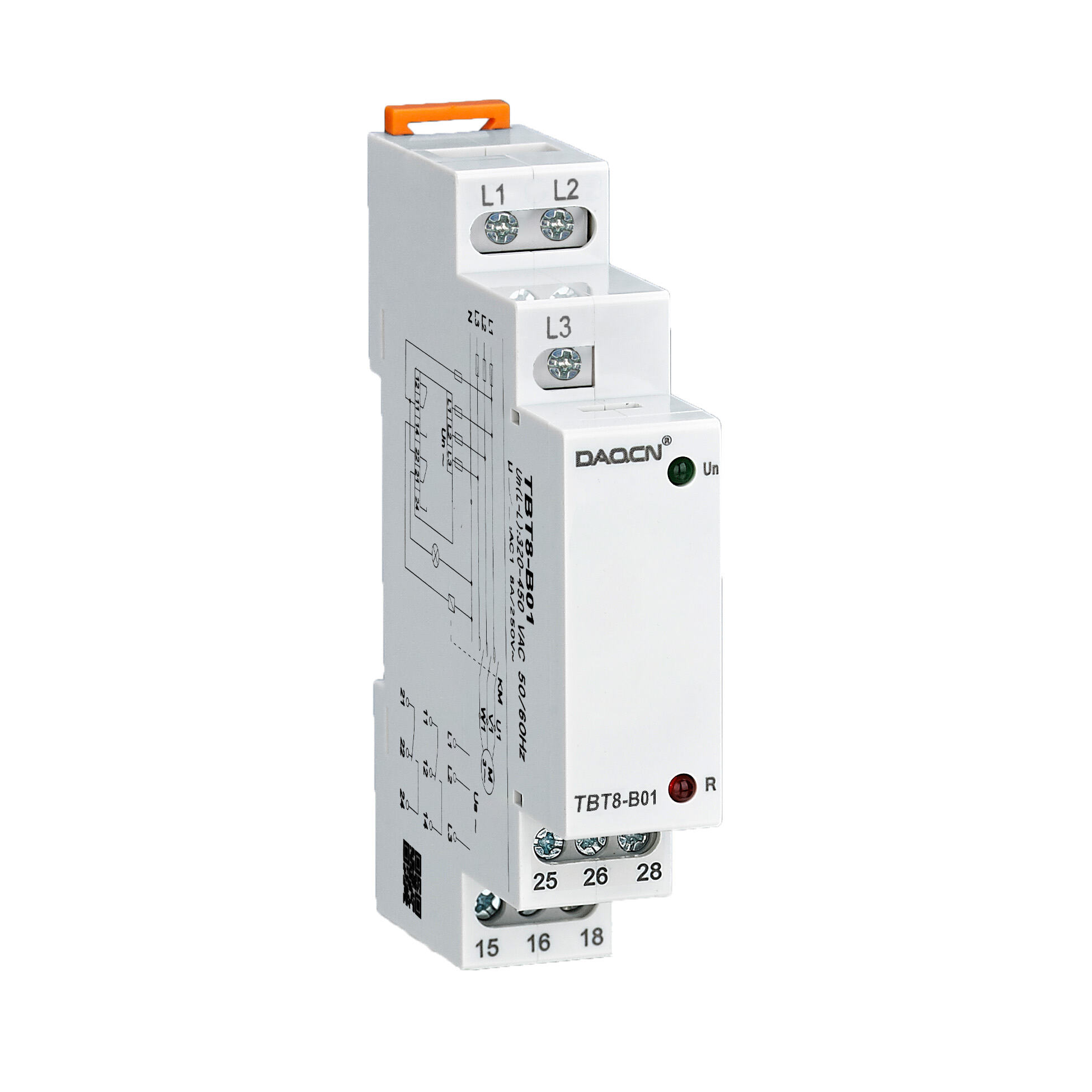
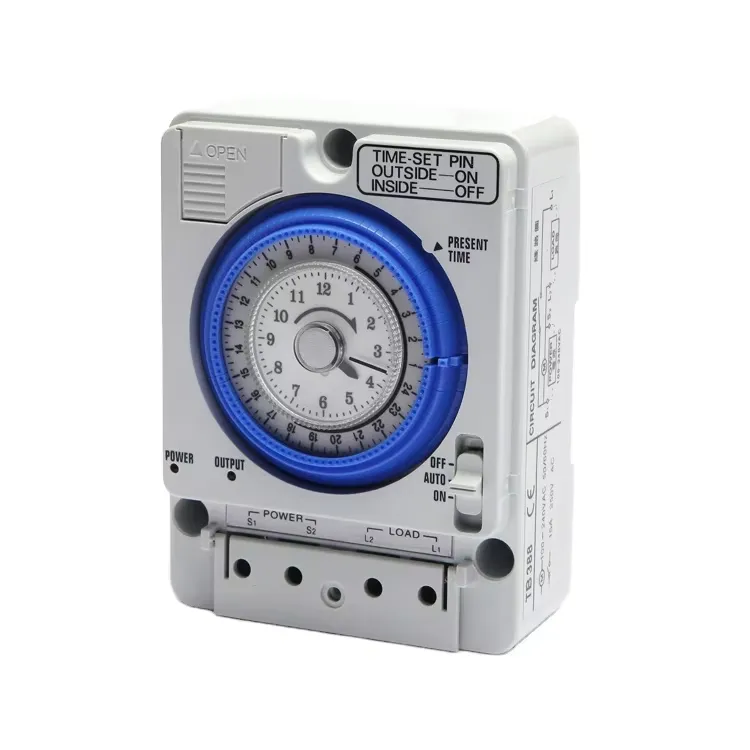
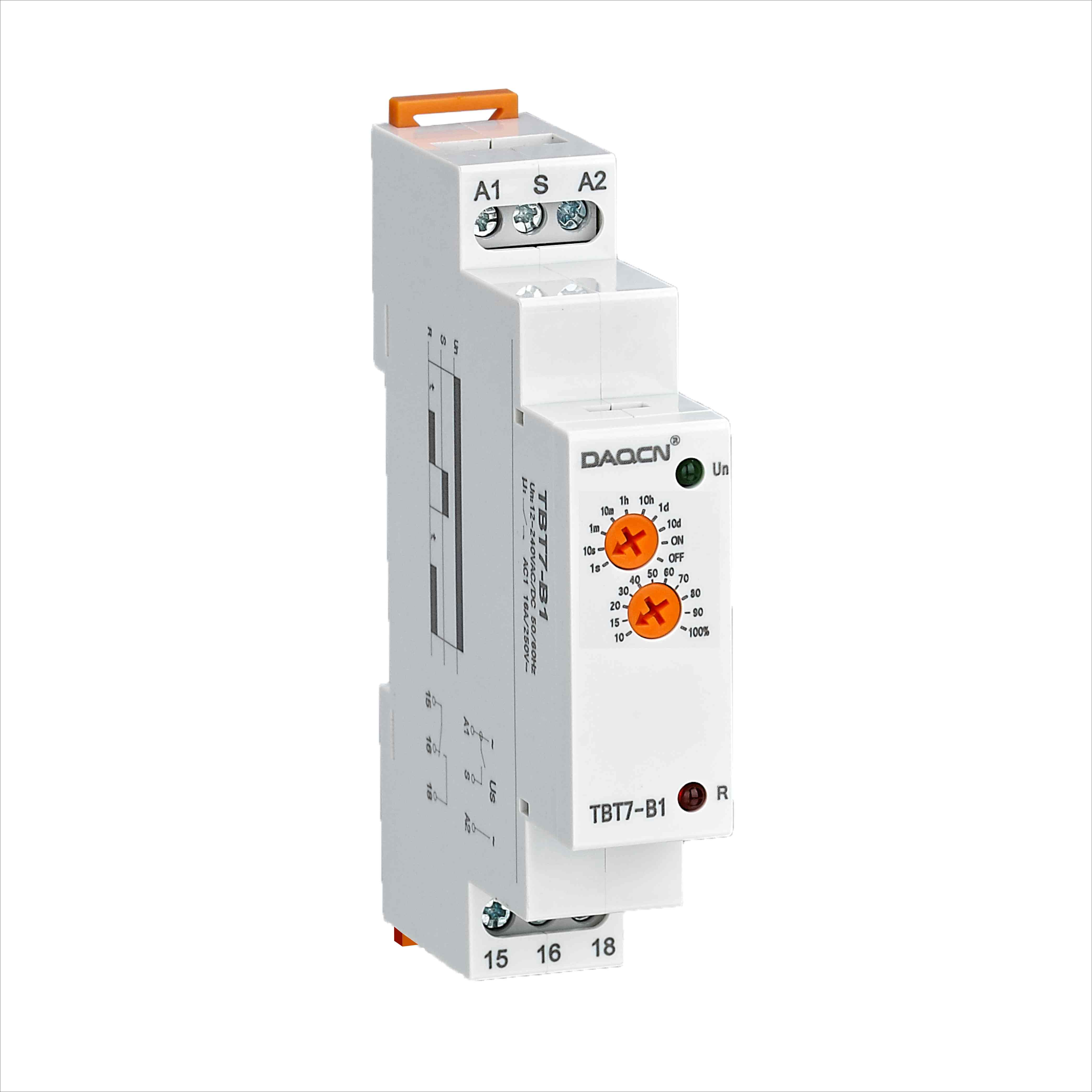
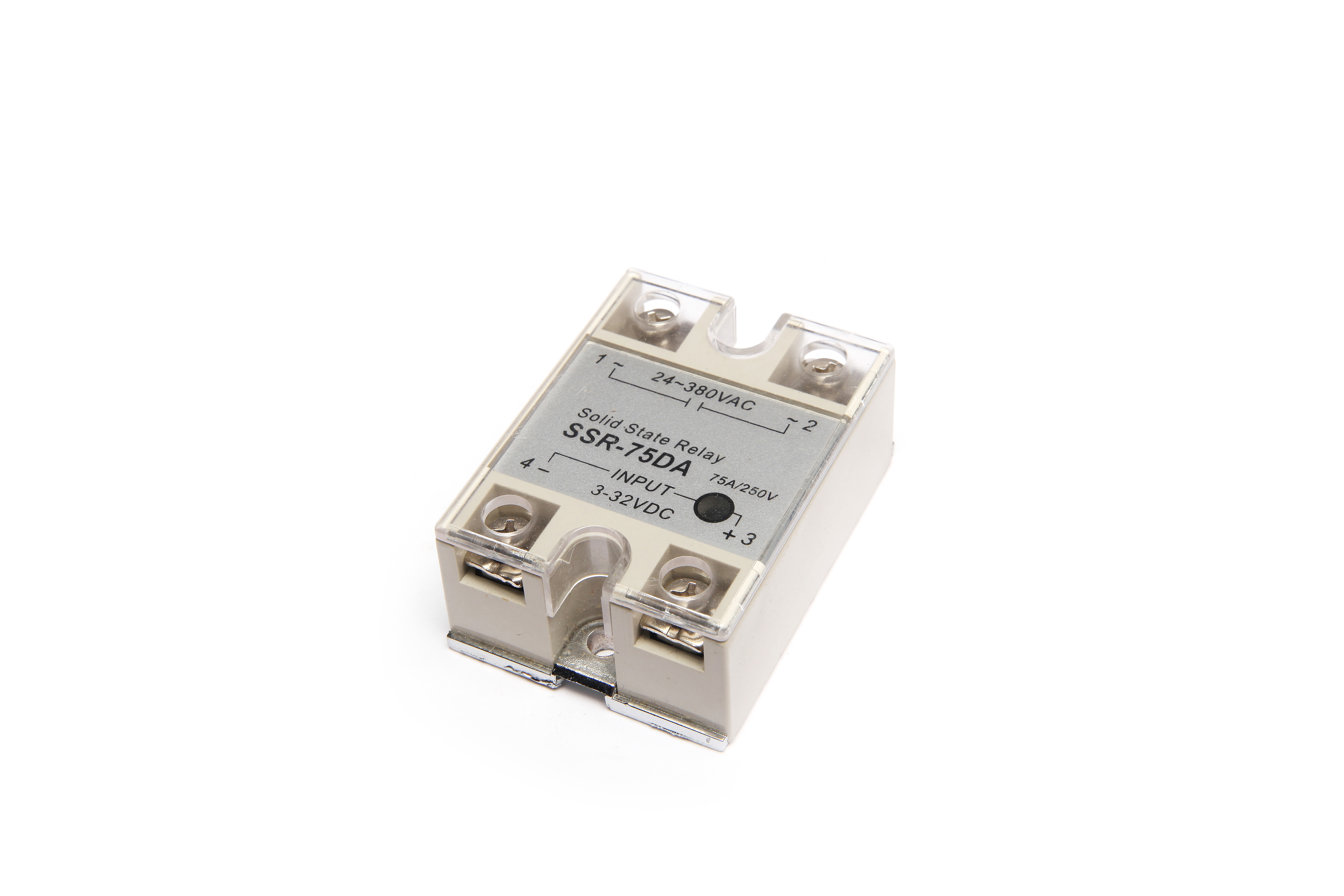
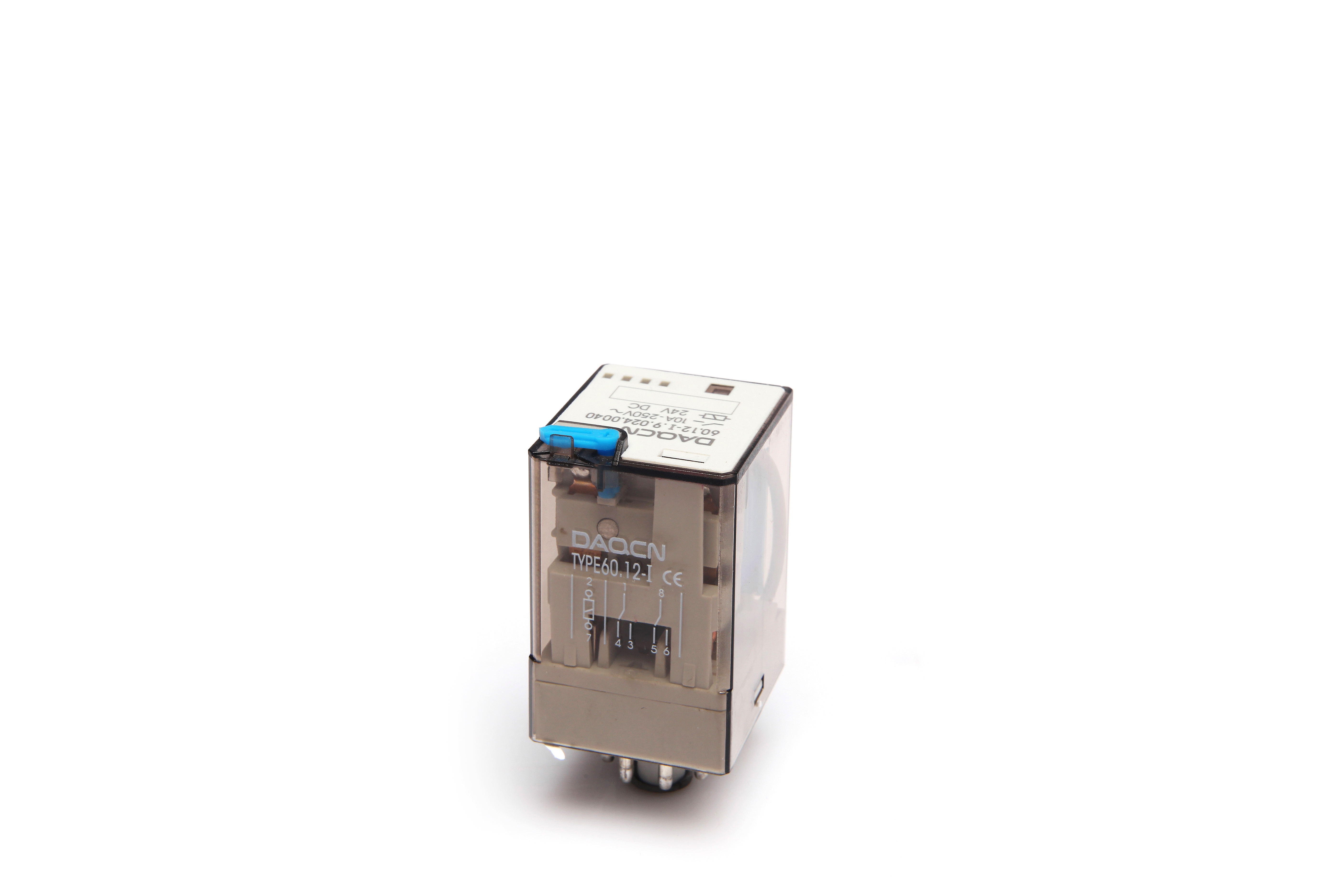
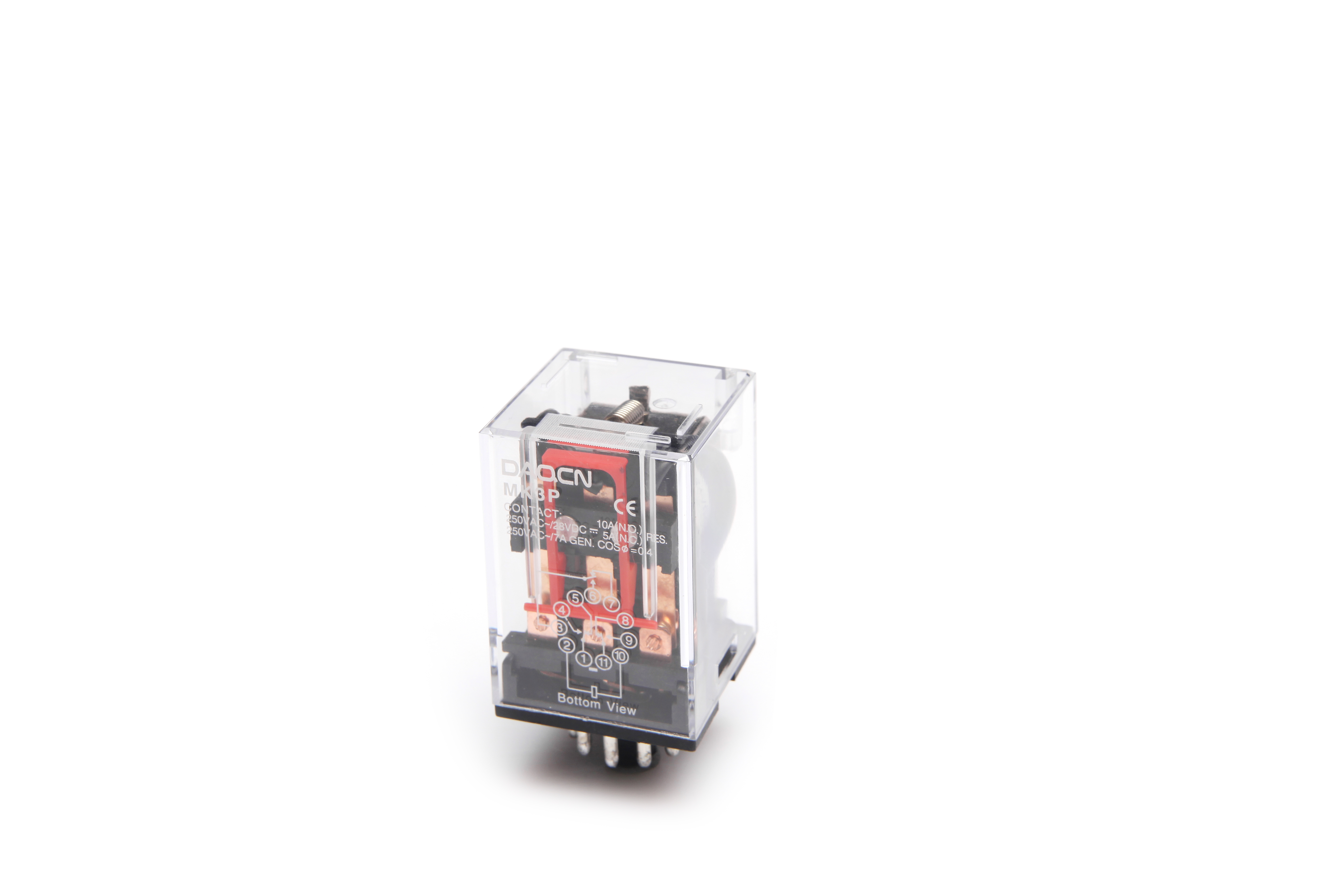
The intermediate relay serves as a crucial component in electrical control systems, functioning as a bridge between low-power control circuits and high-power load circuits. This electromechanical switching device operates by receiving electrical signals from control systems and translating them into mechanical actions that open or close electrical contacts. The intermediate relay essentially acts as an amplifier, taking weak input signals and converting them into stronger output signals capable of controlling larger electrical loads. In modern industrial applications, the intermediate relay has become indispensable for creating reliable and efficient automation systems. Its primary function involves isolating control circuits from power circuits, which enhances system safety and prevents damage to sensitive control equipment. The intermediate relay typically consists of an electromagnetic coil, a set of movable contacts, and a spring-loaded armature mechanism. When electrical current flows through the coil, it generates a magnetic field that attracts the armature, causing the contacts to change position. This fundamental operation allows the intermediate relay to perform switching functions with remarkable precision and repeatability. The technological features of modern intermediate relay systems include enhanced contact materials that resist corrosion and arcing, improved coil designs for faster response times, and robust housing materials that withstand harsh industrial environments. Many contemporary intermediate relay models incorporate LED indicators for visual status confirmation, auxiliary contacts for complex control schemes, and standardized mounting systems for easy installation. The versatility of the intermediate relay makes it suitable for numerous applications across various industries, including manufacturing automation, HVAC systems, motor control panels, lighting control systems, and safety interlocking circuits. These devices are particularly valuable in situations where multiple control inputs need to activate a single output or where one control signal must trigger several different operations simultaneously.

New Product Recommendations

The intermediate relay offers numerous practical benefits that make it an essential component for businesses seeking reliable electrical control solutions. First and foremost, the intermediate relay provides excellent electrical isolation between control and power circuits, which significantly reduces the risk of damage to expensive control equipment. This isolation feature allows operators to safely work with low-voltage control systems while managing high-voltage power loads, creating a safer working environment and reducing liability concerns. The cost-effectiveness of the intermediate relay represents another major advantage for businesses operating on tight budgets. These devices typically cost significantly less than alternative switching solutions while providing comparable or superior performance. The intermediate relay requires minimal maintenance once properly installed, which translates to reduced operational costs and fewer service interruptions over the device's lifespan. Installation flexibility stands out as a key benefit that appeals to electrical contractors and system designers. The intermediate relay can be easily mounted in standard control panels, DIN rail systems, or custom enclosures without requiring specialized tools or extensive modifications. This versatility allows for quick installation and easy replacement when necessary, minimizing downtime during maintenance activities. The reliability factor of the intermediate relay cannot be overstated, as these devices are engineered to perform millions of switching operations without failure. This durability ensures consistent system performance and reduces the likelihood of unexpected breakdowns that could disrupt production schedules or compromise safety systems. Signal amplification capabilities make the intermediate relay particularly valuable in complex control systems where weak input signals need to control powerful output devices. This amplification function eliminates the need for additional electronic components, simplifying system design and reducing overall complexity. The intermediate relay also provides excellent noise immunity, ensuring reliable operation in electrically noisy industrial environments where electronic controls might experience interference. Temperature stability represents another significant advantage, as quality intermediate relay units continue functioning reliably across wide temperature ranges typically encountered in industrial applications. The mechanical nature of the intermediate relay switching action provides positive contact engagement that electronic switches cannot match, ensuring reliable electrical connections even under challenging operating conditions.

Practical Tips

How does a timer relay control electrical circuits?

25

Dec

How does a timer relay control electrical circuits?

A timer relay serves as a critical component in electrical circuit control systems, providing precise timing functions that enable automated switching operations across numerous industrial and commercial applications. These sophisticated devices comb...
View More
Why choose analog vs digital timer relay systems?

06

Jan

Why choose analog vs digital timer relay systems?

Industrial automation demands precise timing control, and selecting the right timer relay system can significantly impact operational efficiency and maintenance costs. The choice between analog and digital timer relay technologies represents a fundam...
View More
Which relay type offers the best durability for my needs?

06

Jan

Which relay type offers the best durability for my needs?

Selecting the right relay for your application requires understanding the various types available and their durability characteristics. Industrial professionals face numerous options when choosing between electromagnetic relays, solid-state relays, a...
View More
What is an energy meter and how does it work in 2025?

06

Jan

What is an energy meter and how does it work in 2025?

In today's increasingly connected world, understanding energy consumption has become essential for both residential and commercial applications. An energy meter serves as the fundamental device that measures electrical energy consumption in buildings...
View More

Get a Free Quote

Our representative will contact you soon.
Email
Name
Company Name
Mobile/WhatsApp
Message
0/1000

intermediate relay

Superior Electrical Isolation and Safety Protection

Superior Electrical Isolation and Safety Protection

The intermediate relay excels in providing comprehensive electrical isolation between control circuits and power loads, delivering unmatched safety protection for both equipment and personnel. This critical feature prevents potentially dangerous voltage levels from reaching sensitive control components, effectively creating a protective barrier that safeguards expensive programmable logic controllers, human-machine interfaces, and other electronic devices from electrical damage. The isolation capability of the intermediate relay becomes particularly valuable in industrial environments where power surges, electrical noise, and voltage spikes are common occurrences that could otherwise cause catastrophic failures in control systems. By implementing proper intermediate relay isolation, facilities can significantly reduce insurance claims related to electrical accidents while maintaining compliance with stringent safety regulations. The galvanic isolation provided by the intermediate relay ensures that ground loops and common-mode voltages cannot interfere with control signal integrity, maintaining precise system operation even in electrically challenging environments. This isolation feature also enables the intermediate relay to safely interface between different voltage levels, allowing 24-volt control systems to manage 480-volt motor circuits without compromising safety or reliability. The mechanical separation of contacts in the intermediate relay provides a visible air gap when de-energized, offering maintenance personnel clear confirmation that circuits are safely disconnected during service activities. This tangible disconnection point gives technicians confidence when working on electrical systems, reducing the risk of accidental contact with live circuits. Furthermore, the intermediate relay isolation capabilities support compliance with international safety standards, including IEC and NEMA requirements, which often mandate physical separation between control and power circuits in industrial applications. The robust insulation materials used in quality intermediate relay construction provide long-term reliability even under extreme environmental conditions, ensuring that safety protection remains effective throughout the device's operational lifetime. This superior isolation performance makes the intermediate relay an indispensable component for any application where personnel safety and equipment protection are paramount concerns.
Exceptional Versatility and Multi-Application Compatibility

Exceptional Versatility and Multi-Application Compatibility

The intermediate relay demonstrates remarkable versatility across diverse industrial applications, making it an invaluable solution for engineers and system designers who need flexible control options. This adaptability stems from the intermediate relay's ability to handle multiple contact configurations, including normally open, normally closed, and changeover contacts, which can be arranged in various combinations to meet specific application requirements. The intermediate relay seamlessly integrates into motor control circuits, where it can provide auxiliary contacts for status indication, interlocking functions, and remote monitoring capabilities. In HVAC applications, the intermediate relay serves as a critical component for sequencing operations, managing fan controls, and coordinating complex climate control systems across large commercial buildings. The lighting control industry relies heavily on intermediate relay technology for creating sophisticated switching schemes that enable centralized control of multiple lighting circuits while maintaining individual zone flexibility. Safety systems particularly benefit from the intermediate relay's capability to create redundant control paths and fail-safe operations that ensure proper system shutdown during emergency conditions. The intermediate relay's compatibility with various voltage levels and current ratings allows it to interface between different system components seamlessly, eliminating the need for multiple specialized devices. Building automation systems leverage the intermediate relay's flexibility to create complex control algorithms that manage energy consumption, security systems, and environmental controls through coordinated switching actions. Manufacturing processes utilize intermediate relay configurations to create interlocking sequences that prevent equipment damage and ensure proper operational sequences. The modular design of modern intermediate relay systems enables easy expansion and modification of existing control schemes without requiring complete system redesigns. This flexibility proves particularly valuable in facilities where production requirements change frequently or where equipment upgrades are common. The intermediate relay's ability to provide both power switching and signal routing functions within a single device simplifies control panel designs and reduces overall system complexity while maintaining high reliability standards.
Outstanding Durability and Long-Term Performance Value

Outstanding Durability and Long-Term Performance Value

The intermediate relay delivers exceptional durability that translates into outstanding long-term value for businesses seeking reliable control solutions with minimal maintenance requirements. Modern intermediate relay designs incorporate advanced contact materials, including silver alloy compositions that resist welding, oxidation, and erosion even under demanding switching conditions involving inductive loads and high current levels. The robust construction of quality intermediate relay units enables them to withstand millions of switching cycles without significant performance degradation, making them ideal for applications requiring frequent operation such as conveyor systems, packaging equipment, and automated manufacturing processes. The sealed contact chambers found in premium intermediate relay models protect switching elements from environmental contaminants including dust, moisture, and corrosive vapors that could otherwise compromise contact integrity and reduce operational lifespan. Temperature compensation features built into advanced intermediate relay designs ensure consistent performance across wide temperature ranges, maintaining reliable operation from sub-zero conditions to elevated temperatures encountered in industrial environments. The mechanical switching action of the intermediate relay provides inherent immunity to electromagnetic interference and power supply variations that can cause electronic switching devices to malfunction or produce erratic behavior. Quality intermediate relay manufacturers subject their products to rigorous testing protocols including vibration resistance, shock tolerance, and accelerated aging tests that simulate decades of normal operation to ensure long-term reliability. The standardized design and readily available replacement parts for intermediate relay systems ensure that maintenance activities can be performed quickly and cost-effectively when service is eventually required. Many intermediate relay units feature modular construction that allows individual components to be replaced without disturbing the entire control system, minimizing downtime during maintenance activities. The proven track record of intermediate relay technology in critical applications such as power generation facilities, water treatment plants, and transportation systems demonstrates the exceptional reliability that businesses can expect from properly selected and installed devices. Investment in quality intermediate relay components typically results in lower total cost of ownership compared to alternative switching technologies due to reduced maintenance requirements, longer operational life, and fewer unexpected failures that could disrupt production schedules or compromise system safety.

Get a Free Quote

Our representative will contact you soon.
Email
Name
Company Name
Mobile/WhatsApp
Message
0/1000