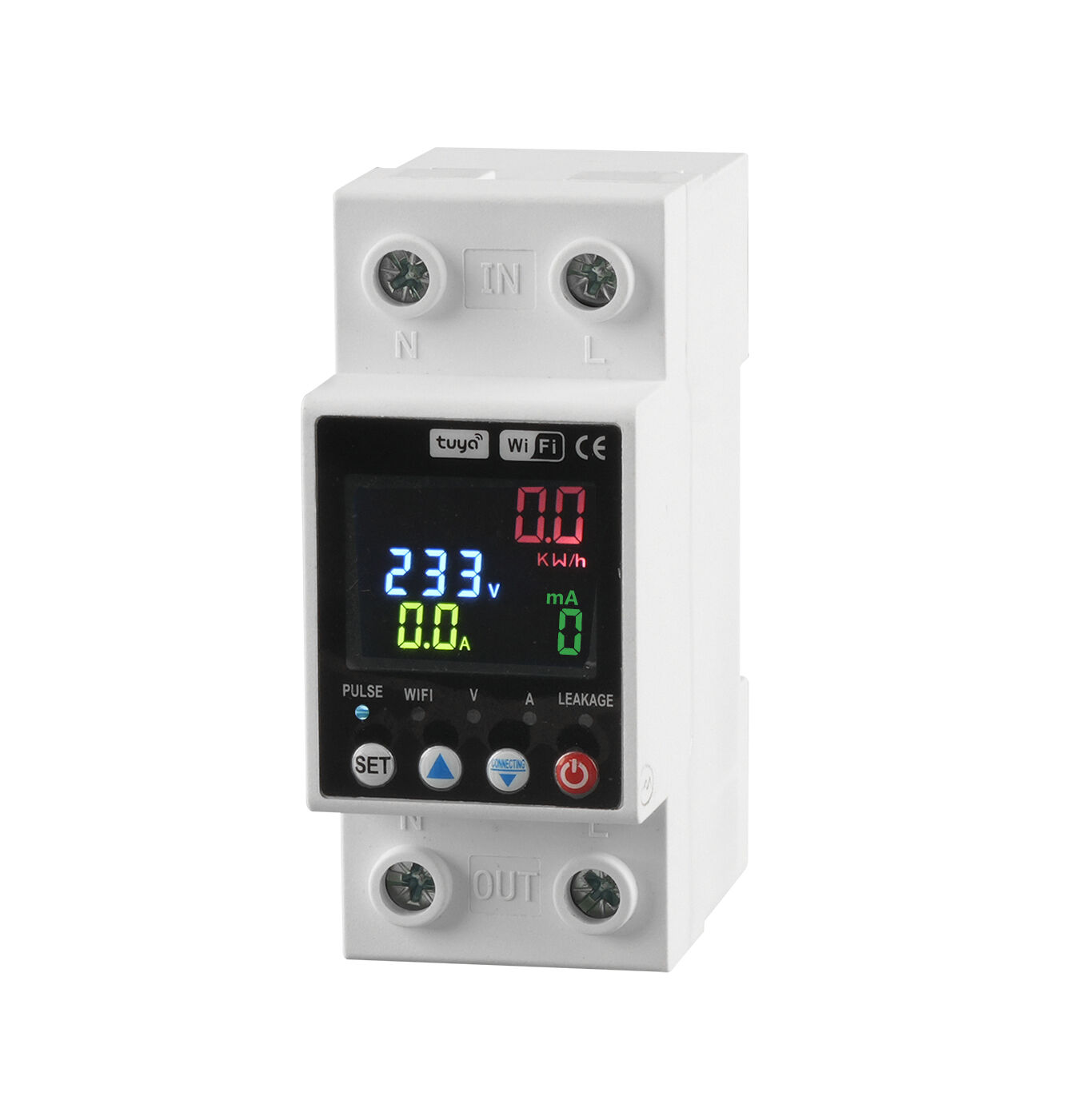
Advanced Low and High Voltage Protection Circuit - Complete Electrical Safety Solution

All Categories

Get a Free Quote

Our representative will contact you soon.
Email
Name
Company Name
Mobile/WhatsApp
Message
0/1000

low and high voltage protection circuit

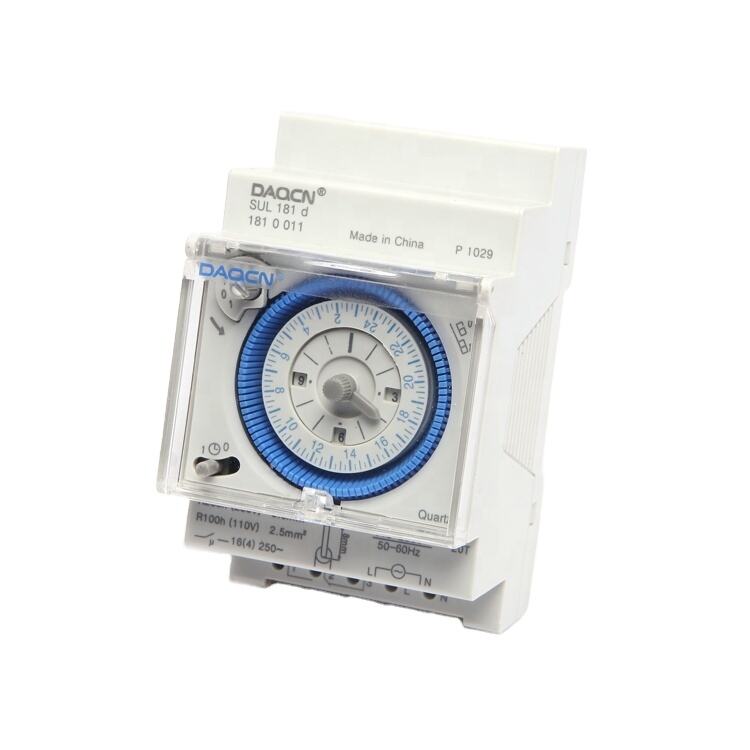
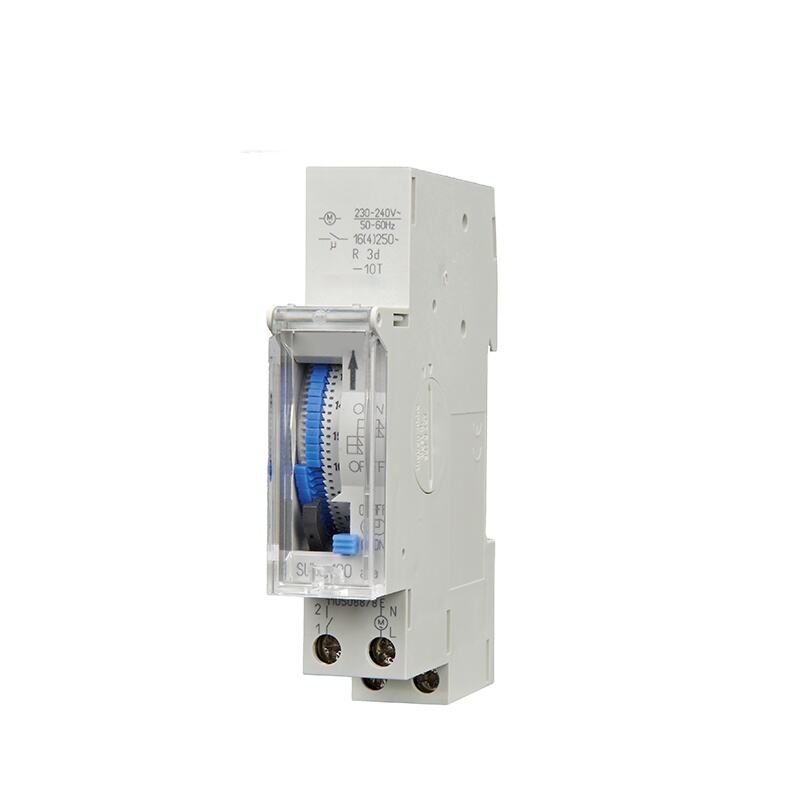
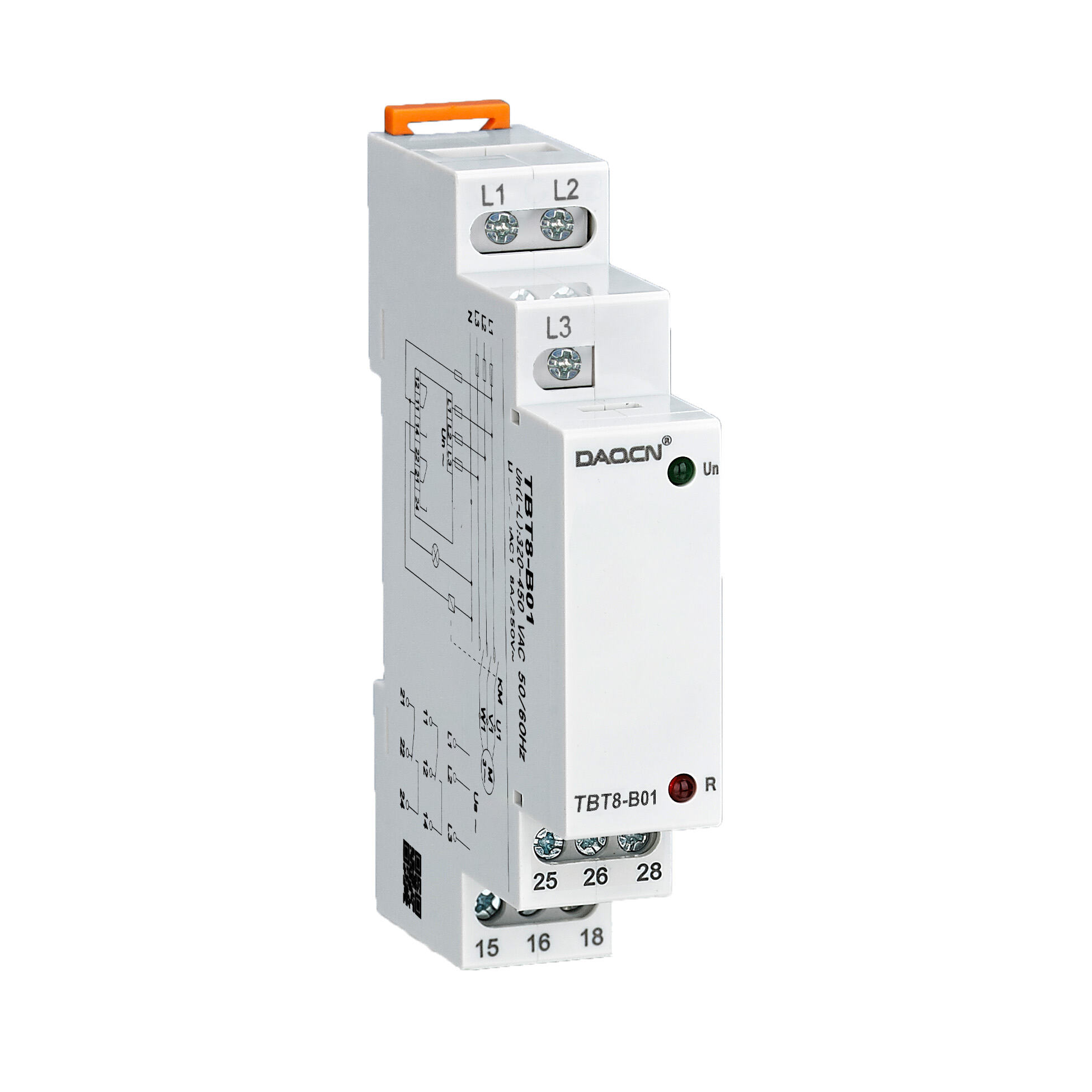
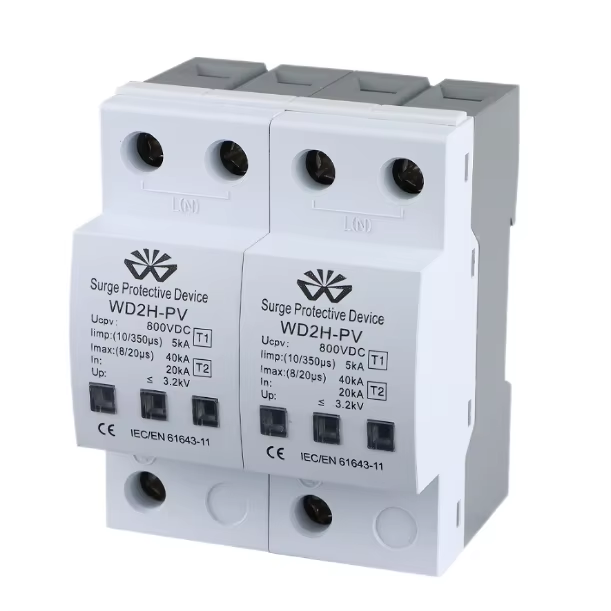
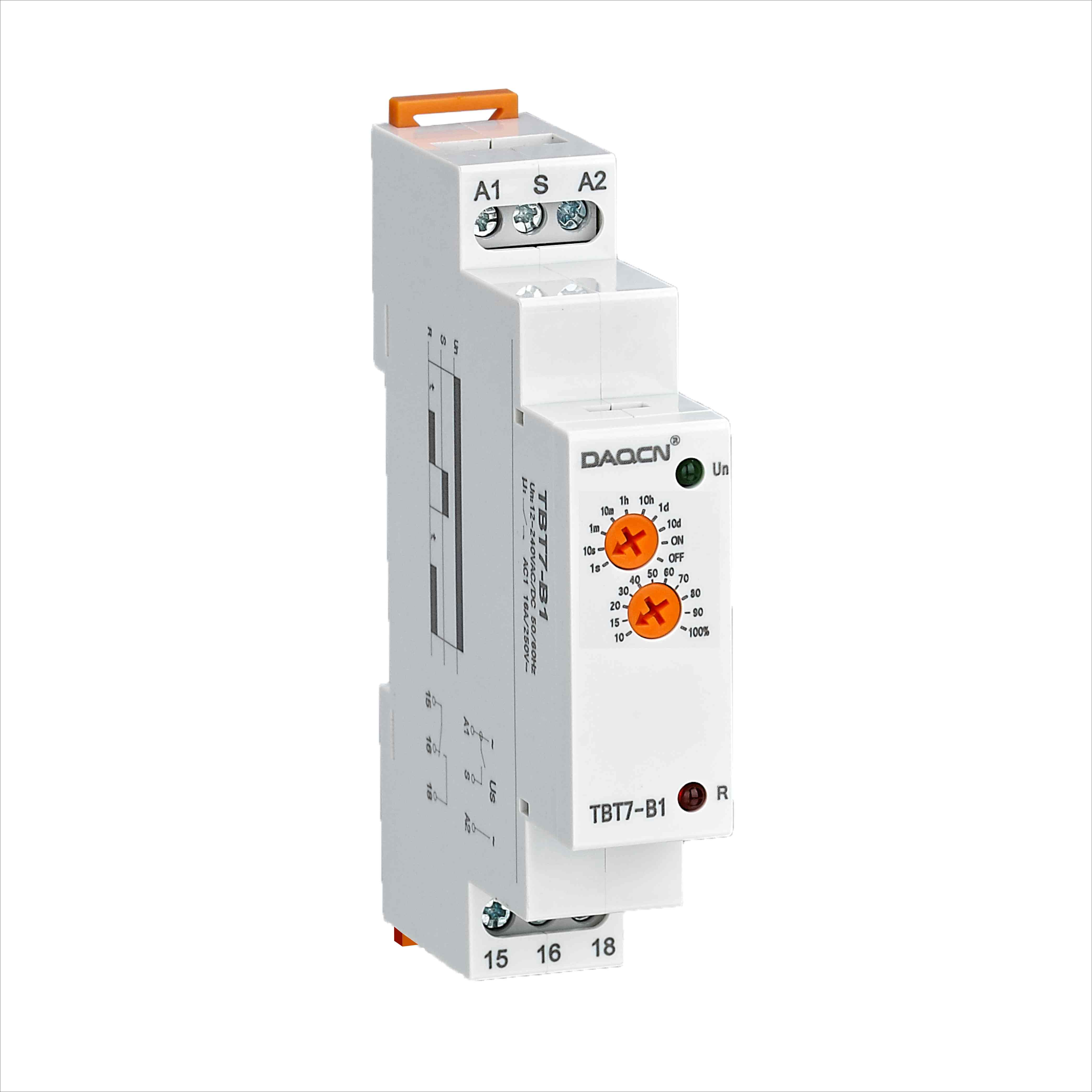
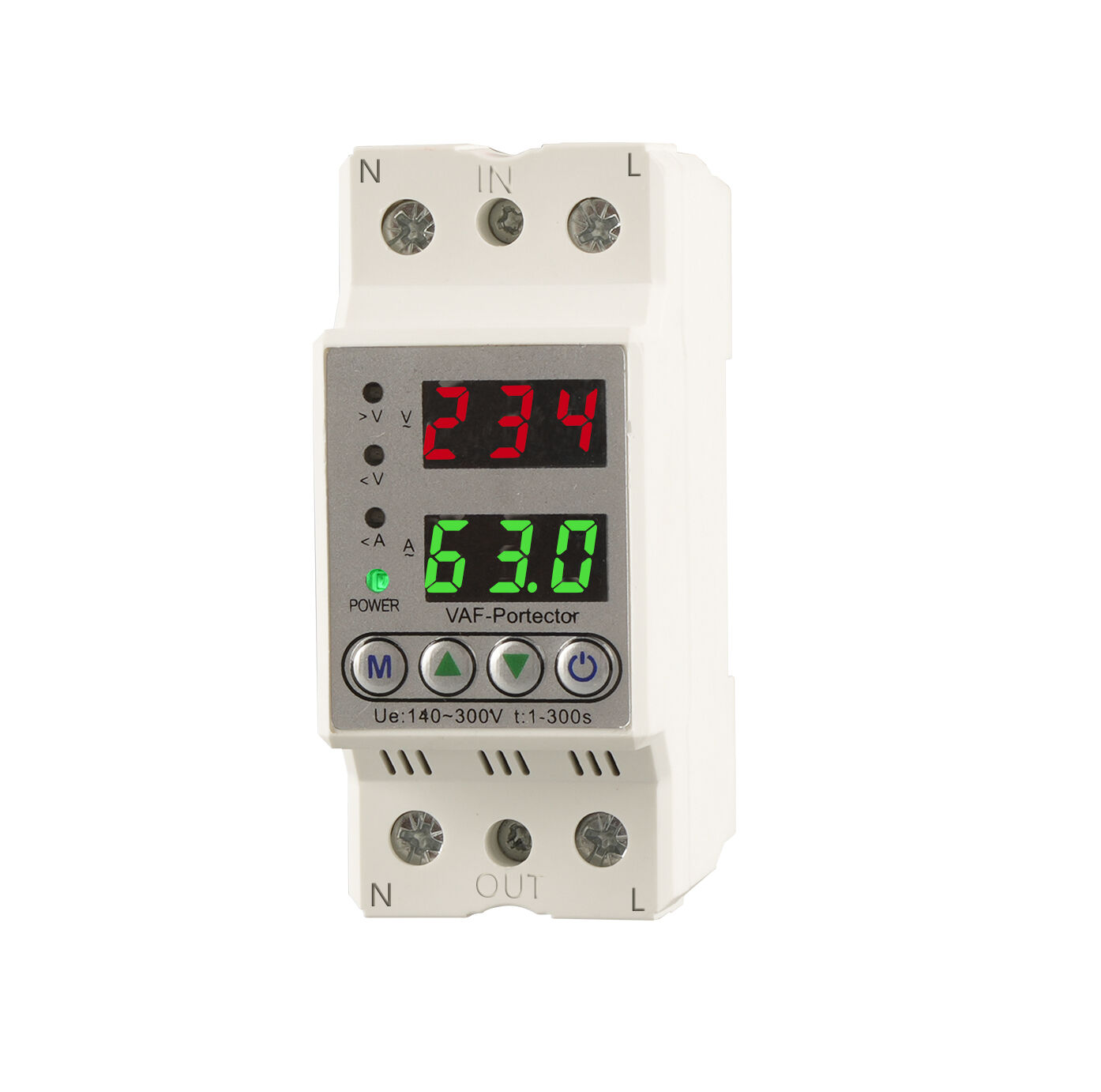
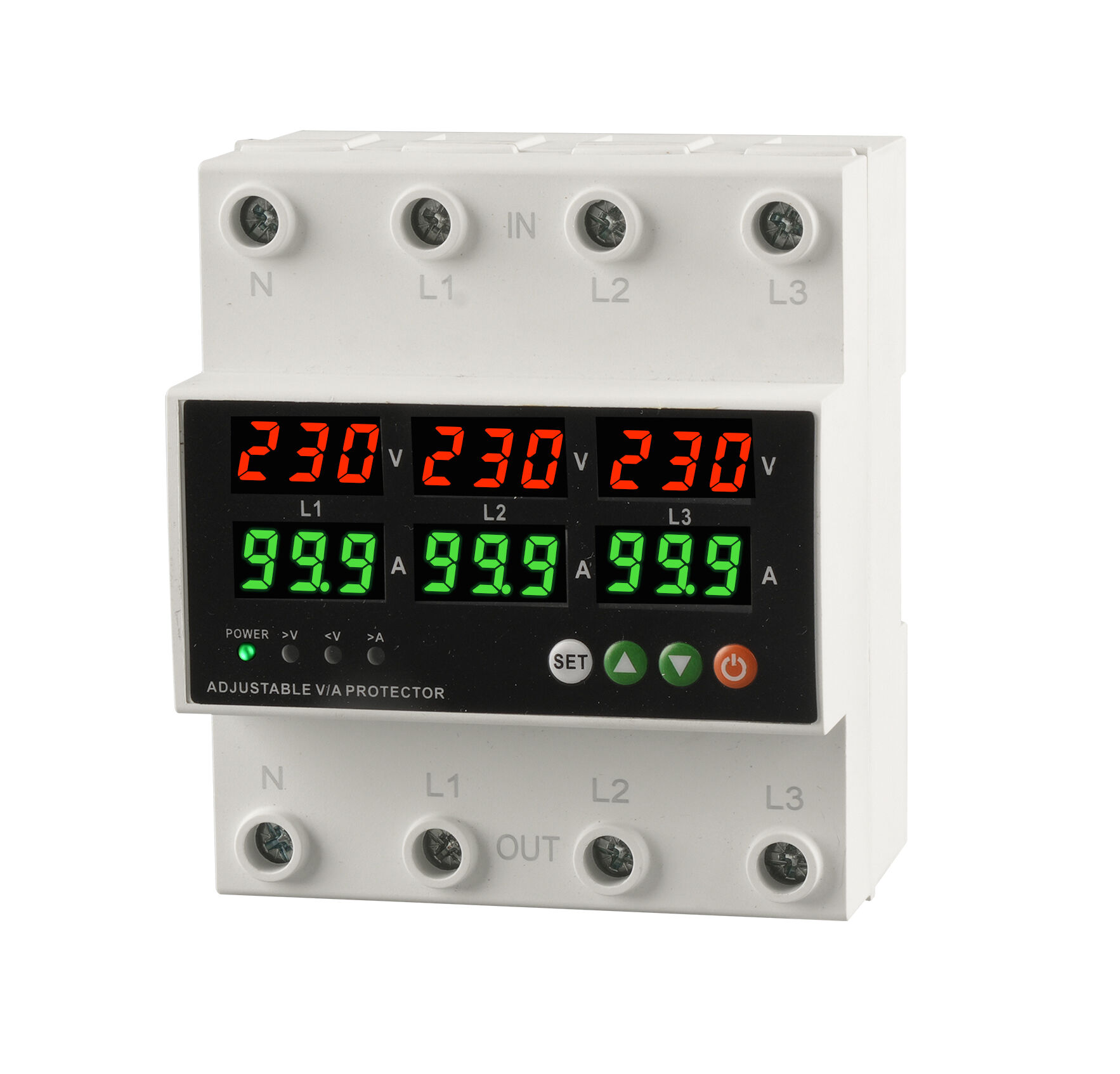
A low and high voltage protection circuit serves as a critical safeguarding mechanism designed to protect electrical systems, equipment, and devices from potentially damaging voltage fluctuations. This sophisticated protection system continuously monitors incoming electrical power and automatically disconnects or regulates the circuit when voltage levels exceed or fall below predetermined safe operating ranges. The low and high voltage protection circuit operates through advanced sensing technology that detects voltage anomalies within milliseconds, ensuring rapid response to prevent equipment damage or safety hazards. Modern implementations incorporate microprocessor-based controls, precision voltage sensing components, and reliable switching mechanisms that work together to maintain optimal electrical conditions. The technological features of these protection circuits include adjustable voltage thresholds, programmable time delays, automatic reconnection capabilities, and comprehensive monitoring functions. These systems typically feature LED indicators, digital displays, and alarm outputs that provide real-time status information to operators and maintenance personnel. The low and high voltage protection circuit finds extensive applications across residential, commercial, and industrial sectors. In residential settings, these circuits protect household appliances, HVAC systems, and electronic devices from utility grid fluctuations. Commercial applications include protecting office equipment, lighting systems, and communication infrastructure from voltage disturbances that could cause operational disruptions or equipment failures. Industrial implementations focus on safeguarding manufacturing equipment, motor drives, control systems, and production machinery from costly downtime and damage. The protection circuit integrates seamlessly with existing electrical installations through standard mounting configurations and connection interfaces. Advanced models offer network connectivity for remote monitoring and control, enabling proactive maintenance and system optimization. The robust construction ensures reliable operation in harsh environments while maintaining precise voltage monitoring accuracy across wide temperature ranges and varying load conditions.

New Product Releases

The low and high voltage protection circuit delivers exceptional reliability by providing continuous monitoring and instant response to voltage abnormalities, ensuring your valuable equipment remains protected around the clock. This automated protection eliminates the need for manual intervention, reducing human error and providing consistent safeguarding regardless of operator presence or attention. The circuit responds within milliseconds to voltage deviations, preventing equipment damage that could result in costly repairs, replacements, or extended downtime periods that impact productivity and profitability. Cost savings represent a major advantage, as the protection circuit prevents expensive equipment failures while extending the operational lifespan of connected devices through consistent voltage regulation. The initial investment in a low and high voltage protection circuit quickly pays for itself by avoiding repair costs, replacement expenses, and lost productivity from equipment failures. Energy efficiency improvements occur when equipment operates within optimal voltage ranges, reducing power consumption and lowering electricity bills while maintaining peak performance levels. Installation simplicity makes these circuits accessible to various users, with straightforward connection procedures that integrate easily into existing electrical systems without requiring extensive modifications or specialized expertise. The plug-and-play design allows quick deployment across multiple locations, making it ideal for both new installations and retrofit applications. Maintenance requirements remain minimal due to solid-state construction and reliable components that operate maintenance-free for extended periods, reducing ongoing operational costs and service interruptions. User-friendly interfaces provide clear status indication through visual displays and audible alarms, enabling operators to quickly assess system conditions and respond appropriately to any issues. The low and high voltage protection circuit offers customizable settings that accommodate different equipment requirements and operating conditions, allowing users to optimize protection parameters for specific applications. Scalability ensures the protection system grows with your needs, supporting single-device protection or complex multi-zone installations that cover entire facilities. Peace of mind comes from knowing your equipment operates under optimal conditions with professional-grade protection that meets or exceeds industry standards for electrical safety and reliability.

Latest News

When should you replace a faulty relay in your system?

25

Dec

When should you replace a faulty relay in your system?

Industrial electrical systems depend heavily on reliable switching components, and understanding when to replace critical components can prevent costly downtime and equipment failure. A relay serves as an electromagnetic switch that controls high-pow...
View More
Which relay type offers the best durability for my needs?

06

Jan

Which relay type offers the best durability for my needs?

Selecting the right relay for your application requires understanding the various types available and their durability characteristics. Industrial professionals face numerous options when choosing between electromagnetic relays, solid-state relays, a...
View More
How to select the right timer relay for your project?

06

Jan

How to select the right timer relay for your project?

Selecting the appropriate timer relay for industrial applications requires careful consideration of various technical specifications and operational requirements. A timer relay serves as a critical component in automation systems, controlling time-de...
View More
What is an energy meter and how does it work in 2025?

06

Jan

What is an energy meter and how does it work in 2025?

In today's increasingly connected world, understanding energy consumption has become essential for both residential and commercial applications. An energy meter serves as the fundamental device that measures electrical energy consumption in buildings...
View More

Get a Free Quote

Our representative will contact you soon.
Email
Name
Company Name
Mobile/WhatsApp
Message
0/1000

low and high voltage protection circuit

Advanced Multi-Stage Voltage Monitoring Technology

Advanced Multi-Stage Voltage Monitoring Technology

The low and high voltage protection circuit incorporates sophisticated multi-stage voltage monitoring technology that sets it apart from basic protection devices. This advanced system employs precision analog-to-digital converters working in conjunction with microprocessor-based control algorithms to achieve exceptional accuracy in voltage detection and analysis. The monitoring system continuously samples input voltage at high frequencies, creating a comprehensive real-time profile of electrical conditions that enables the circuit to distinguish between temporary fluctuations and sustained voltage problems. The multi-stage approach implements multiple threshold levels for both overvoltage and undervoltage conditions, allowing for graduated responses based on the severity and duration of voltage deviations. For minor voltage variations, the system provides warnings without disconnecting loads, while significant deviations trigger immediate protective action. This intelligent discrimination prevents unnecessary disconnections while ensuring reliable protection when needed. The monitoring technology includes advanced filtering algorithms that eliminate false triggering from electrical noise, switching transients, or brief power quality disturbances that do not pose genuine threats to connected equipment. Temperature compensation ensures consistent performance across varying environmental conditions, maintaining accuracy specifications regardless of ambient temperature changes. The system stores historical voltage data, enabling trend analysis and predictive maintenance capabilities that help identify developing electrical problems before they cause equipment damage. Real-time data logging supports compliance with electrical codes and insurance requirements while providing valuable information for system optimization and troubleshooting. The monitoring technology supports multiple voltage ranges and configurations, accommodating single-phase and three-phase applications across various voltage levels from low-voltage residential systems to higher-voltage industrial installations. Remote monitoring capabilities enable integration with building automation systems, SCADA networks, and IoT platforms, providing centralized oversight of multiple protection circuits across large facilities or distributed locations.
Intelligent Load Management and Reconnection System

Intelligent Load Management and Reconnection System

The intelligent load management and reconnection system within the low and high voltage protection circuit represents a breakthrough in automated electrical protection, offering sophisticated control over connected equipment during voltage disturbances. This system goes beyond simple on-off protection by implementing smart load prioritization algorithms that can selectively disconnect non-critical loads while maintaining power to essential equipment during voltage stress conditions. The load management feature analyzes current consumption patterns and equipment criticality levels, making informed decisions about which circuits to protect first during power quality events. Priority-based switching ensures that life-safety systems, critical processes, and high-value equipment receive continuous protection while less critical loads may experience temporary disconnection to preserve overall system stability. The automatic reconnection system employs multiple verification stages before restoring power to protected circuits, ensuring that voltage conditions have stabilized and remain within safe operating parameters for a predetermined period before re-energizing equipment. This prevents rapid cycling that could damage sensitive electronics or create additional stress on electrical systems. The reconnection sequence follows a carefully orchestrated startup procedure that gradually restores loads to prevent inrush current surges that might trigger additional protective actions or stress the electrical supply system. Customizable time delays between disconnection stages and reconnection sequences allow users to tailor the protection response to specific equipment requirements and operational needs. The system maintains detailed event logs that record all protection actions, including timestamps, voltage levels, and duration of events, providing valuable data for system analysis and optimization. Advanced communication protocols enable coordination between multiple protection circuits, creating a networked protection scheme that can respond to system-wide electrical disturbances with coordinated actions. The load management system supports manual override capabilities for maintenance purposes while maintaining automatic protection functions, ensuring flexibility for operational requirements without compromising safety. Self-diagnostic functions continuously monitor the protection circuit's own health, providing early warning of component degradation or calibration drift that might affect protection performance.
Comprehensive Safety and Compliance Integration

Comprehensive Safety and Compliance Integration

The comprehensive safety and compliance integration of the low and high voltage protection circuit ensures adherence to the most stringent electrical codes and safety standards while providing robust protection for personnel and equipment. This protection system meets or exceeds requirements established by major electrical safety organizations, including UL, CSA, IEC, and NEMA standards, ensuring global compatibility and acceptance across diverse markets and applications. The safety integration includes multiple independent protection mechanisms that work together to provide redundant safeguarding, eliminating single points of failure that could compromise protection reliability. Arc fault detection capabilities identify dangerous arcing conditions that could lead to electrical fires, automatically disconnecting affected circuits before hazardous conditions can develop. Ground fault protection monitors for current leakage that could create shock hazards or equipment damage, providing rapid disconnection when ground faults are detected. The protection circuit incorporates robust isolation between control circuits and power circuits, preventing control system failures from affecting protection functions or creating additional safety hazards. Safety-rated components throughout the design ensure reliable operation under fault conditions, maintaining protection capability even when experiencing internal component stress or environmental extremes. Fail-safe design principles ensure that any internal failures result in protective disconnection rather than loss of protection, maintaining safety even during protection circuit malfunctions. The system provides comprehensive status indication and alarm functions that alert operators to protection events, system faults, or maintenance requirements, enabling prompt response to maintain optimal safety conditions. Emergency manual disconnection capabilities allow immediate system shutdown when required, providing backup protection methods independent of automatic systems. Compliance documentation includes detailed technical specifications, test reports, and certification records that support regulatory approval processes and insurance requirements. The protection circuit supports integration with fire alarm systems, emergency shutdown systems, and other safety infrastructure, creating comprehensive safety networks that respond appropriately to various emergency conditions. Training and documentation support ensure proper installation, operation, and maintenance procedures are followed, maintaining safety compliance throughout the equipment lifecycle while maximizing protection effectiveness and reliability.

Get a Free Quote

Our representative will contact you soon.
Email
Name
Company Name
Mobile/WhatsApp
Message
0/1000