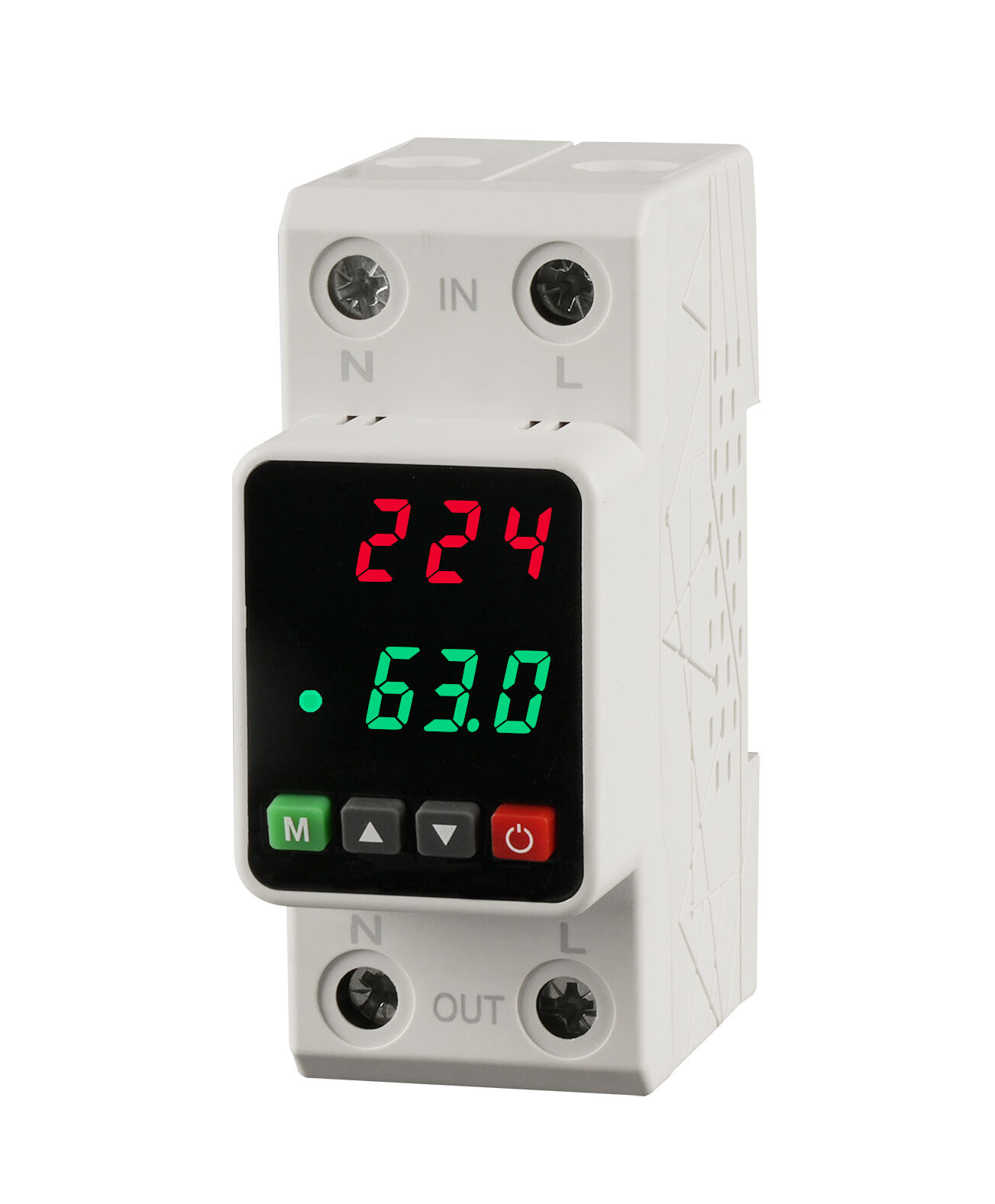
ac over voltage protection
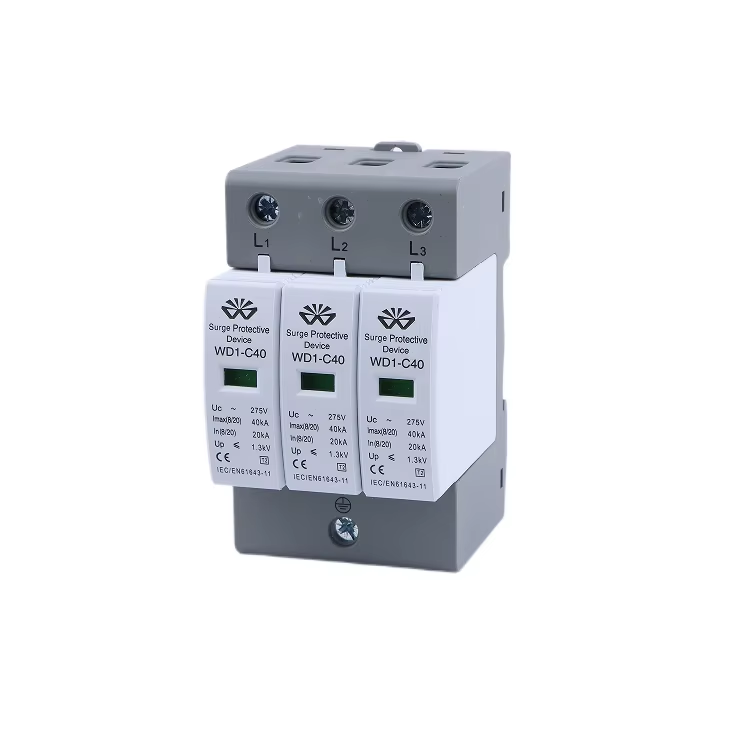
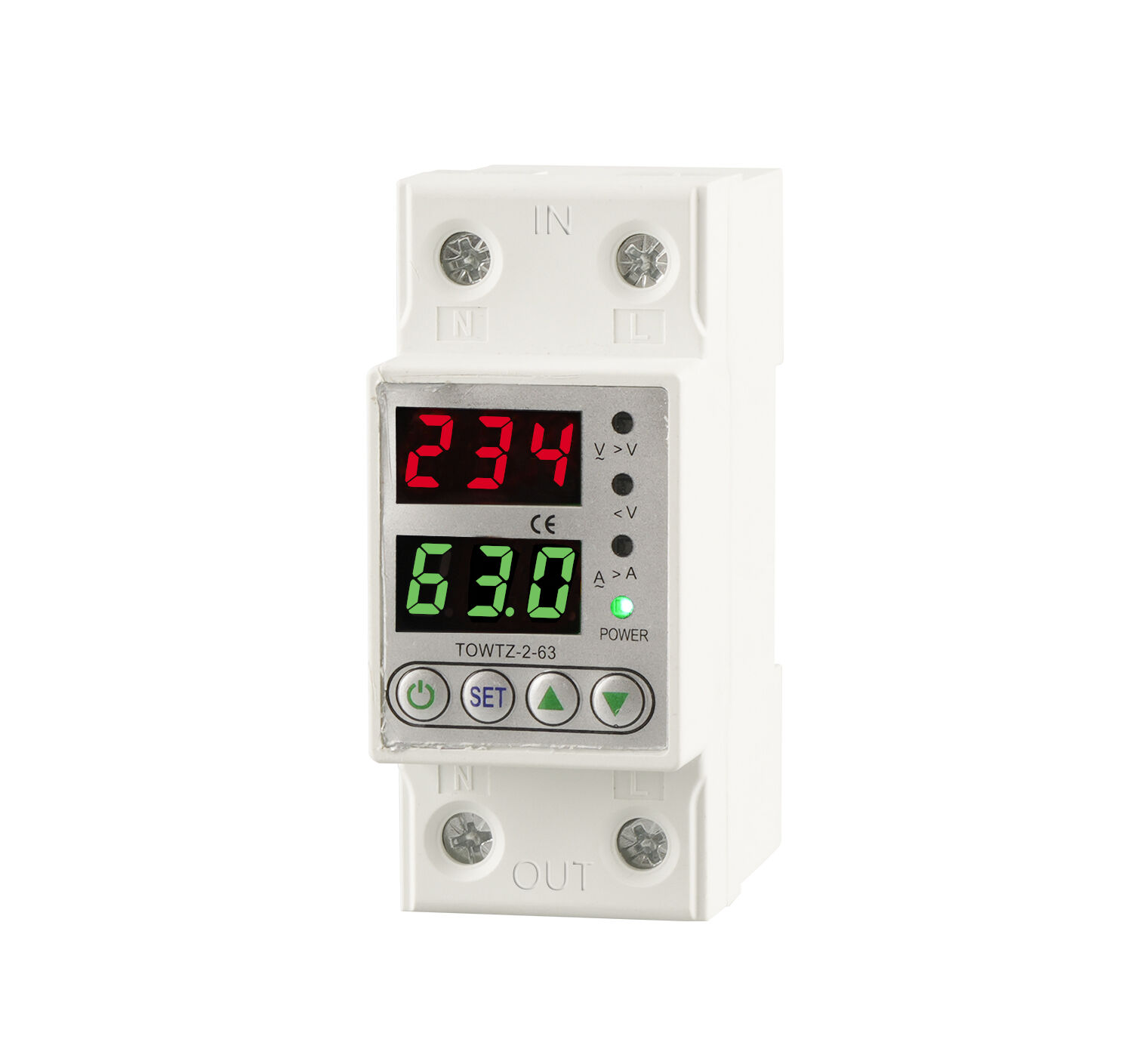
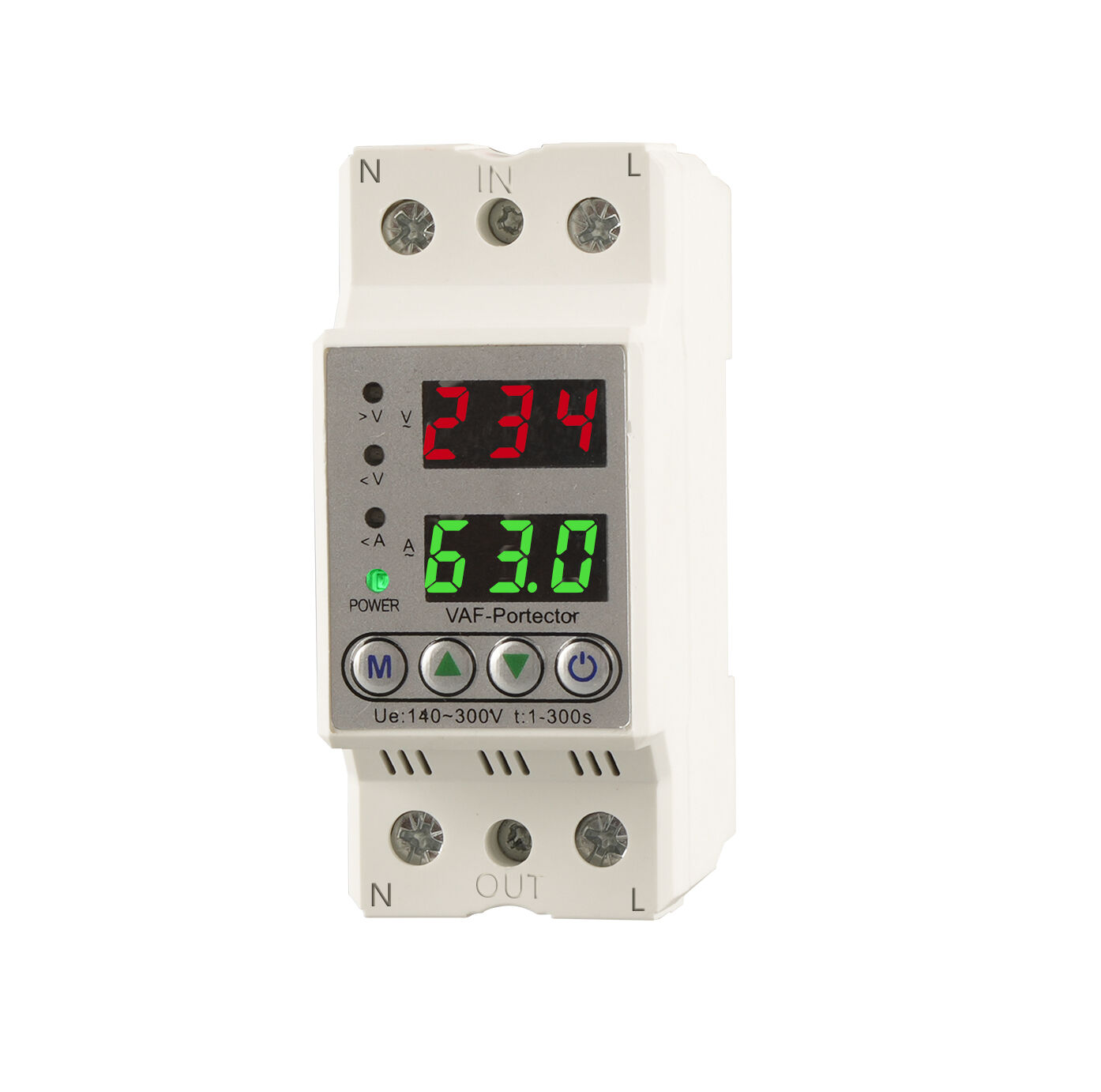
AC over voltage protection represents a critical electrical safety system designed to safeguard equipment, appliances, and electrical infrastructure from potentially damaging voltage spikes and surges. This sophisticated protection mechanism continuously monitors alternating current voltage levels and automatically disconnects power when voltage exceeds predetermined safe thresholds. The primary function of ac over voltage protection involves detecting abnormal voltage conditions, typically ranging from 110% to 150% of nominal voltage levels, and immediately interrupting electrical circuits to prevent equipment damage. Modern ac over voltage protection systems utilize advanced semiconductor technology, microprocessor-based control circuits, and precision voltage sensing components to ensure reliable operation. These systems feature adjustable voltage thresholds, time delay settings, and automatic reset capabilities that can be customized to match specific application requirements. The technological architecture incorporates voltage transformers for accurate measurement, comparator circuits for threshold detection, and relay or contactor switching mechanisms for circuit interruption. Applications span across residential, commercial, and industrial sectors, including motor protection, transformer protection, sensitive electronic equipment safeguarding, and power distribution system security. In residential environments, ac over voltage protection shields valuable appliances like refrigerators, air conditioners, computers, and entertainment systems from utility voltage fluctuations. Commercial applications encompass office equipment protection, retail establishment electrical systems, and small manufacturing facility power management. Industrial implementations include protecting heavy machinery, production equipment, process control systems, and critical infrastructure components. The protection system also features visual and audible alarm indicators, communication interfaces for remote monitoring, and data logging capabilities for maintenance purposes. Integration with building management systems and smart grid technologies enhances overall electrical system reliability and efficiency.
 EN
EN