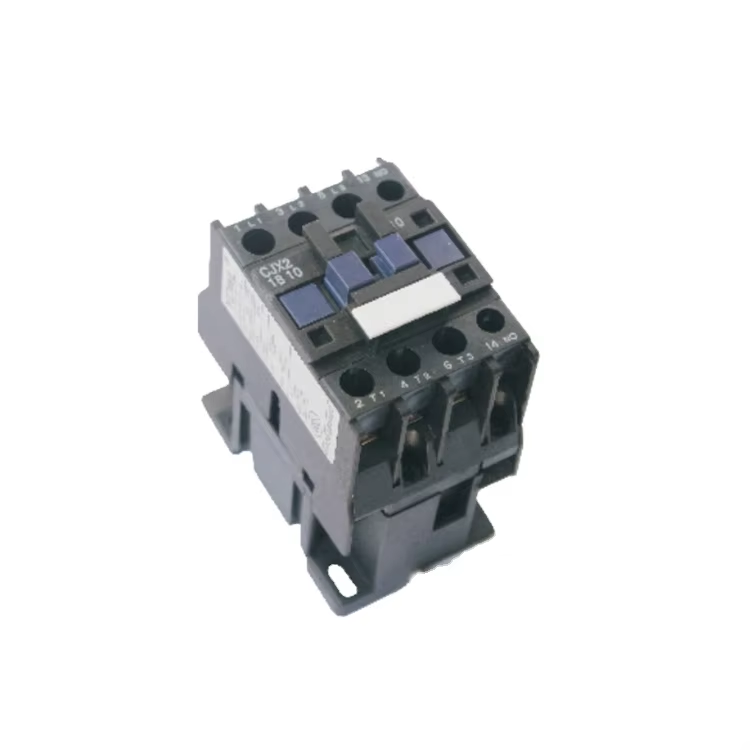
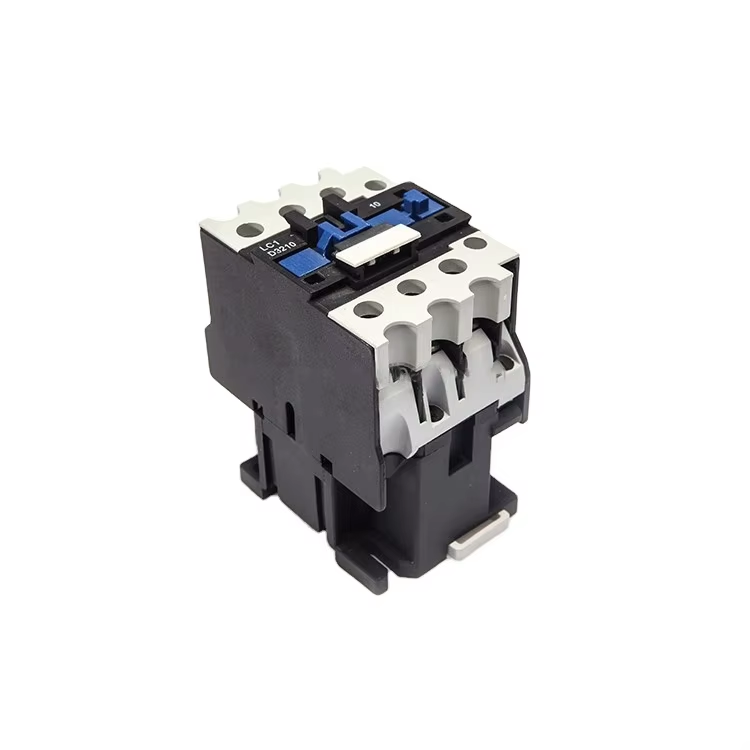
Motor Control Contactors: Advanced Industrial Switching Solutions for Reliable Motor Management

All Categories

Get a Free Quote

Our representative will contact you soon.
Email
Name
Company Name
Mobile/WhatsApp
Message
0/1000

motor control contactor

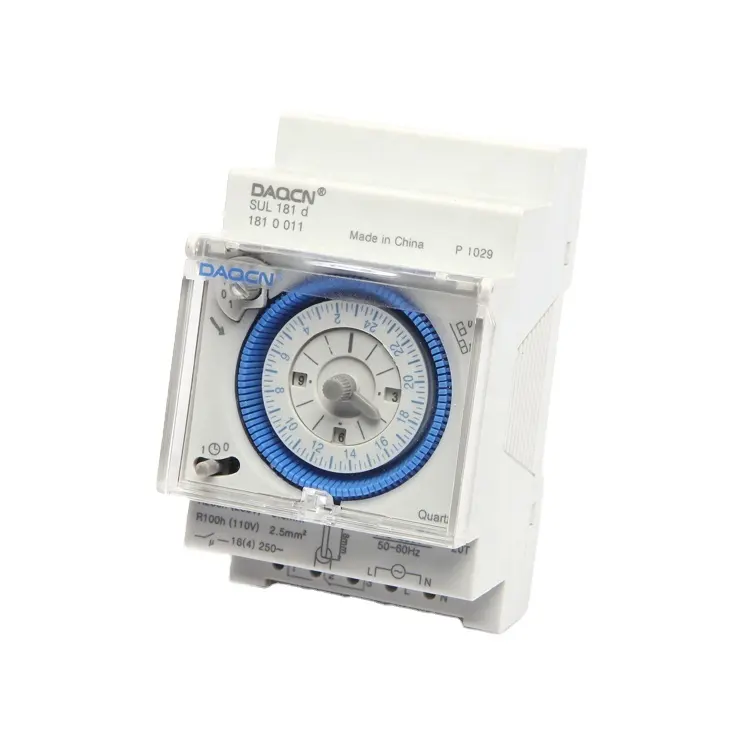
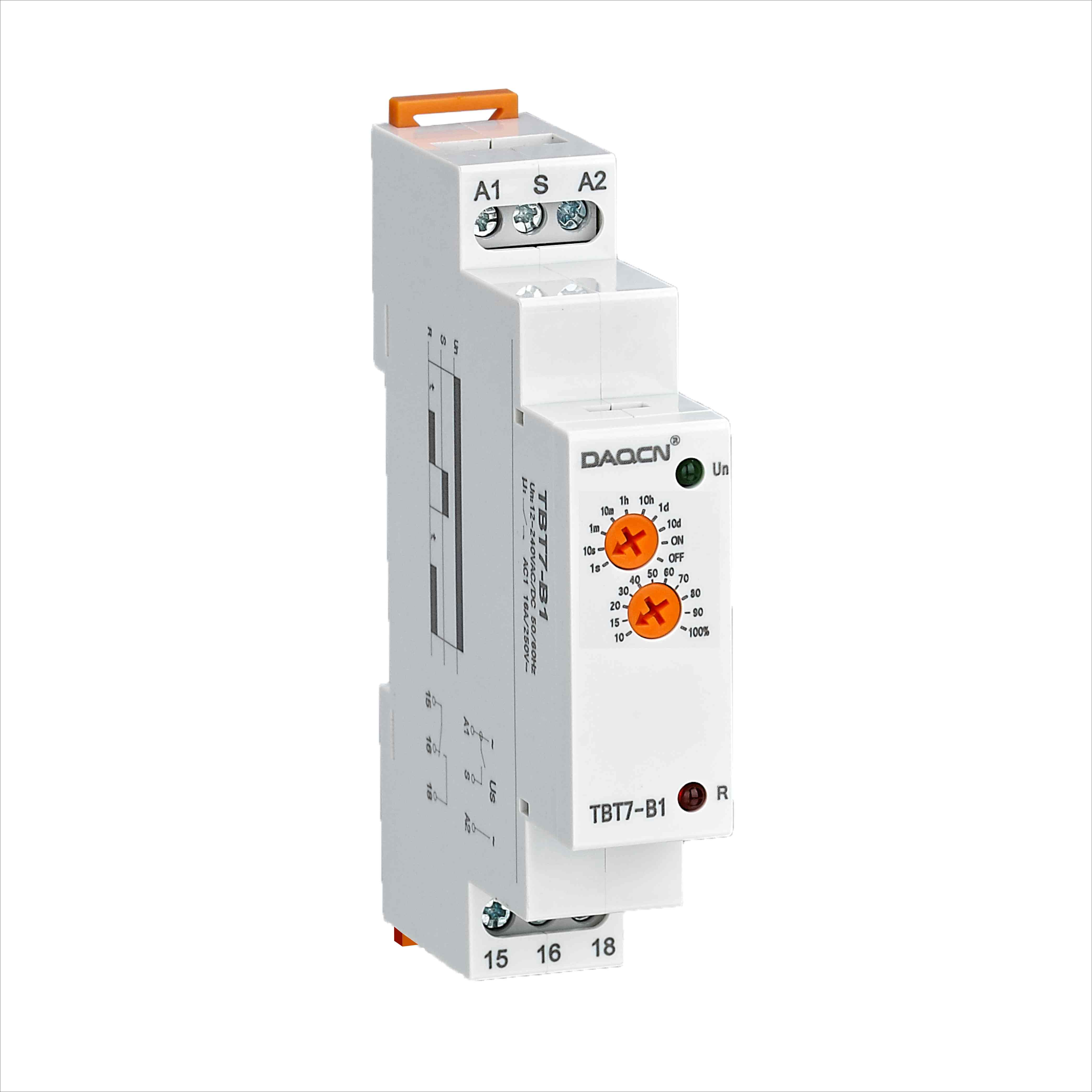
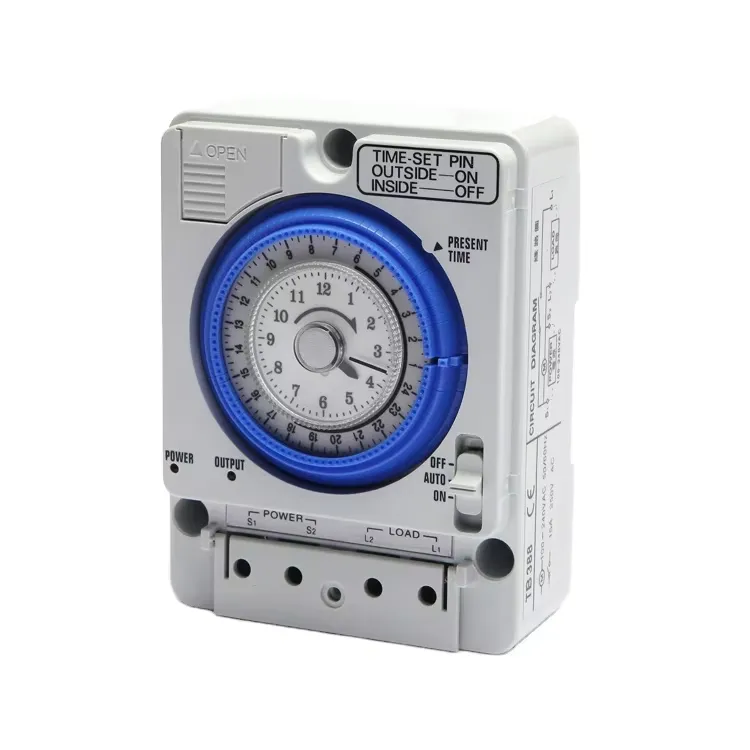
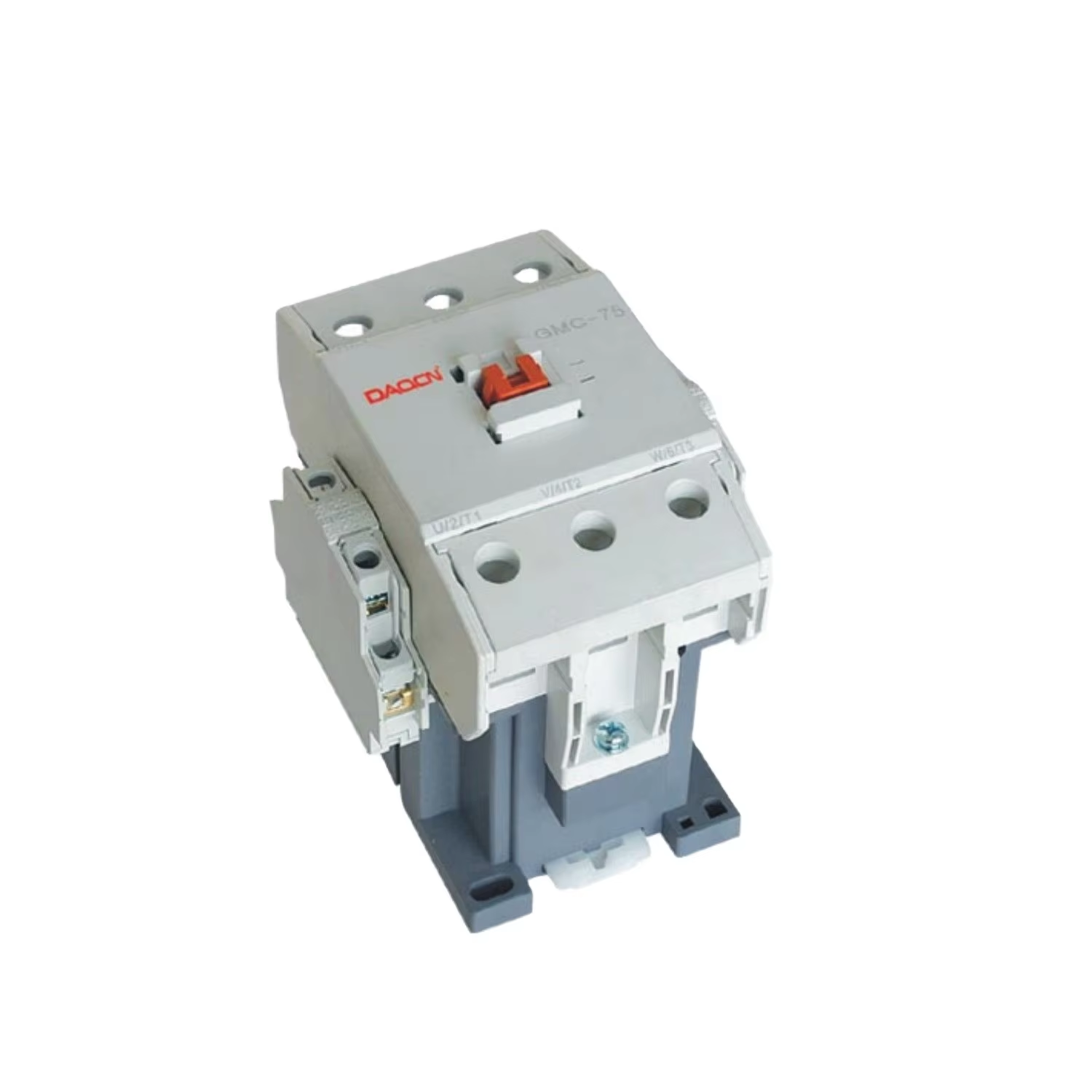
A motor control contactor serves as an essential electrical switching device designed specifically to manage and control the operation of electric motors in industrial and commercial applications. This sophisticated component combines the functionality of a traditional contactor with specialized motor protection features, creating a comprehensive solution for motor management systems. The motor control contactor operates by using electromagnetic principles to open and close electrical contacts, enabling precise control over motor startup, operation, and shutdown processes. The device incorporates multiple contact sets, including main power contacts that handle the primary motor current and auxiliary contacts that manage control circuits and signaling functions. Modern motor control contactors feature advanced coil technologies that ensure reliable operation across varying voltage conditions and environmental factors. These devices integrate seamlessly with motor protection relays, overload protection systems, and control panels to create complete motor management solutions. The technological architecture of a motor control contactor includes robust contact materials designed to withstand the high inrush currents associated with motor starting operations. Advanced arc suppression mechanisms protect the contacts during switching operations, significantly extending the operational lifespan of the device. The control coil system responds to external control signals, allowing for remote operation and integration with automated systems. Many motor control contactors incorporate built-in surge protection and noise suppression features that enhance system reliability and reduce electromagnetic interference. The applications for motor control contactors span across numerous industries, including manufacturing, HVAC systems, water treatment facilities, conveyor systems, and industrial automation processes. These devices prove particularly valuable in applications requiring frequent motor starting and stopping operations, such as compressor systems, pump stations, and material handling equipment. The motor control contactor design accommodates various motor types, including single-phase and three-phase motors, with power ratings ranging from fractional horsepower to several hundred horsepower, making them versatile solutions for diverse industrial requirements.

Popular Products

Motor control contactors deliver exceptional reliability that directly translates to reduced downtime and lower maintenance costs for industrial operations. The robust construction of these devices ensures consistent performance even under demanding operating conditions, including extreme temperatures, high humidity, and vibration-prone environments. This reliability stems from precision-engineered contact systems that maintain electrical integrity over millions of switching cycles, providing businesses with dependable motor control solutions that minimize unexpected failures and costly production interruptions. The enhanced safety features of motor control contactors protect both equipment and personnel from electrical hazards. These devices incorporate comprehensive protection mechanisms that automatically disconnect power during fault conditions, preventing damage to expensive motor equipment and reducing the risk of electrical accidents. The built-in arc suppression technology eliminates dangerous electrical arcs during switching operations, creating safer working environments for maintenance personnel and operators. Additionally, the clear visual indicators on motor control contactors allow operators to quickly assess system status, enabling prompt response to any operational issues. Energy efficiency represents another significant advantage of modern motor control contactors, as they minimize power losses during normal operation through low-resistance contact materials and optimized electrical pathways. This efficiency reduces operational costs by lowering electricity consumption and decreasing heat generation, which extends the lifespan of associated electrical components. The precise switching capabilities of motor control contactors enable smooth motor transitions that reduce mechanical stress on motor components, resulting in extended motor life and reduced replacement costs. Installation and maintenance advantages make motor control contactors attractive to facility managers and electrical contractors. The standardized mounting configurations and terminal arrangements simplify installation procedures, reducing labor costs and installation time. The modular design of these devices allows for easy replacement and upgrading without extensive system modifications. Diagnostic capabilities built into advanced motor control contactors provide valuable operational data that enables predictive maintenance strategies, allowing maintenance teams to address potential issues before they result in equipment failures. The versatility of motor control contactors accommodates various motor types and control schemes, making them suitable for diverse applications without requiring specialized components. This adaptability reduces inventory requirements and simplifies procurement processes for maintenance departments. The economic benefits extend beyond initial cost savings, as the longevity and reliability of motor control contactors provide excellent return on investment through reduced maintenance expenses, lower energy costs, and improved operational efficiency.

Practical Tips

What makes relay switching faster than manual controls?

25

Dec

What makes relay switching faster than manual controls?

Modern industrial automation demands precision, speed, and reliability that manual control systems simply cannot match. The evolution from manual switching to automated relay systems represents one of the most significant advances in electrical contr...
View More
When should you replace a faulty relay in your system?

25

Dec

When should you replace a faulty relay in your system?

Industrial electrical systems depend heavily on reliable switching components, and understanding when to replace critical components can prevent costly downtime and equipment failure. A relay serves as an electromagnetic switch that controls high-pow...
View More
Why choose analog vs digital timer relay systems?

06

Jan

Why choose analog vs digital timer relay systems?

Industrial automation demands precise timing control, and selecting the right timer relay system can significantly impact operational efficiency and maintenance costs. The choice between analog and digital timer relay technologies represents a fundam...
View More
How to select the right timer relay for your project?

06

Jan

How to select the right timer relay for your project?

Selecting the appropriate timer relay for industrial applications requires careful consideration of various technical specifications and operational requirements. A timer relay serves as a critical component in automation systems, controlling time-de...
View More

Get a Free Quote

Our representative will contact you soon.
Email
Name
Company Name
Mobile/WhatsApp
Message
0/1000

motor control contactor

Advanced Arc Suppression Technology

Advanced Arc Suppression Technology

The sophisticated arc suppression technology integrated into modern motor control contactors represents a breakthrough in electrical switching safety and reliability. This innovative feature addresses one of the most challenging aspects of electrical switching: the formation of dangerous electrical arcs that occur when contacts separate under load conditions. Traditional switching devices often struggle with arc management, leading to contact degradation, safety hazards, and reduced operational lifespan. However, advanced motor control contactors incorporate multi-layered arc suppression systems that effectively eliminate these issues through a combination of physical design elements and specialized materials. The arc suppression mechanism begins with precisely engineered contact geometry that promotes rapid arc extinction when the contacts separate. The contact design creates specific magnetic fields that naturally deflect and extinguish electrical arcs, preventing them from establishing sustained plasma channels that could damage the device or surrounding equipment. Specialized arc-resistant contact materials, such as silver-cadmium oxide or silver-tin oxide alloys, provide superior performance under high-current switching conditions while maintaining excellent electrical conductivity. The physical chamber design surrounding the contacts incorporates arc-quenching materials and geometries that rapidly cool and deionize the arc plasma, effectively extinguishing the arc within milliseconds of formation. This rapid arc extinction prevents the formation of carbon deposits on contact surfaces, which would otherwise increase contact resistance and generate excessive heat during operation. The chamber design also includes venting systems that safely direct arc gases away from sensitive components and personnel areas. Advanced motor control contactors may also incorporate electronic arc detection systems that monitor switching operations and provide diagnostic information about contact condition and arc suppression effectiveness. These systems can detect abnormal arc patterns that might indicate developing contact problems, enabling proactive maintenance before failures occur. The benefits of superior arc suppression technology extend far beyond simple contact protection, as it enables motor control contactors to handle higher switching frequencies and more demanding applications without performance degradation. This technology particularly benefits applications involving frequent motor starting and stopping, such as automated manufacturing systems, where traditional contactors might experience rapid contact wear. The enhanced safety provided by effective arc suppression protects maintenance personnel and reduces the risk of electrical fires or explosions in industrial environments.
Intelligent Overload Protection Integration

Intelligent Overload Protection Integration

The intelligent overload protection integration in modern motor control contactors provides comprehensive motor protection that goes far beyond traditional thermal overload relays. This sophisticated protection system combines multiple monitoring technologies to detect various fault conditions that could damage expensive motor equipment or create safety hazards. The integrated approach eliminates the need for separate overload protection devices, reducing system complexity and improving overall reliability through seamless communication between protection and control functions. The overload protection system continuously monitors multiple electrical parameters, including current levels, voltage variations, phase imbalances, and thermal conditions within the motor control contactor itself. Advanced microprocessor-based protection algorithms analyze these parameters in real-time, comparing them against pre-programmed protection curves that account for motor characteristics and application requirements. This intelligent analysis enables the system to distinguish between normal operational variations and genuine fault conditions, reducing nuisance tripping while providing reliable protection against damaging overload situations. The thermal protection component of the integrated system models the thermal behavior of the protected motor, accounting for factors such as ambient temperature, motor loading history, and cooling effectiveness. This thermal modeling approach provides more accurate protection than traditional bi-metallic overload relays, which respond only to ambient temperature and current levels. The system can predict motor thermal conditions and initiate protective actions before damaging temperatures are reached, extending motor life and preventing costly failures. Phase monitoring capabilities detect conditions such as phase loss, phase reversal, and phase imbalance that could cause severe motor damage or unsafe operating conditions. The protection system can distinguish between temporary disturbances and sustained fault conditions, providing appropriate responses ranging from temporary delays to immediate disconnection. Ground fault detection capabilities identify insulation failures and ground fault conditions that pose safety risks to personnel and equipment. The intelligent protection system maintains detailed operational logs and diagnostic information that prove invaluable for troubleshooting and predictive maintenance programs. This data includes protection events, operational statistics, and trending information that helps maintenance teams optimize motor performance and identify developing problems before they result in failures. The integration with motor control contactor operation enables sophisticated protection strategies, such as controlled motor restart sequences following temporary fault conditions. Communication capabilities allow the protection system to interface with plant automation systems, providing real-time status information and enabling remote monitoring and control of motor protection parameters.
Seamless Integration with Industrial Automation Systems

Seamless Integration with Industrial Automation Systems

The seamless integration capabilities of modern motor control contactors with industrial automation systems represent a fundamental advancement in industrial control technology. This integration transforms traditional motor starters from simple on-off devices into intelligent components of comprehensive automation networks. The communication capabilities built into advanced motor control contactors enable them to participate fully in Industry 4.0 initiatives, providing real-time operational data and accepting sophisticated control commands from centralized automation systems. The integration begins with multiple communication protocol support, including popular industrial networks such as Modbus, Profibus, DeviceNet, EtherNet/IP, and Profinet. This multi-protocol capability ensures compatibility with existing automation infrastructure while providing flexibility for future system expansions or upgrades. The motor control contactor can simultaneously communicate with multiple systems, serving as a bridge between legacy equipment and modern automation networks. This communication capability extends beyond simple status reporting to include comprehensive operational parameters, diagnostic information, and predictive maintenance data that enhance overall system intelligence. Advanced motor control contactors incorporate embedded web servers that enable direct access to device information and configuration parameters through standard web browsers. This functionality allows maintenance personnel and system integrators to access device information, modify operating parameters, and perform diagnostic procedures without specialized software or hardware interfaces. The web-based interface provides intuitive graphical displays of operational status, historical trends, and alarm information that simplify troubleshooting and optimization procedures. The integration extends to energy management systems, where motor control contactors provide detailed power consumption data that enables sophisticated energy monitoring and optimization strategies. This information includes real-time power measurements, energy usage trends, and power quality parameters that help facility managers identify opportunities for energy savings and optimize operational efficiency. The data can be integrated with building management systems to coordinate motor operation with overall facility energy management strategies. Predictive maintenance integration represents another crucial aspect of automation system connectivity. The motor control contactor continuously monitors its own operational parameters, including contact condition, coil performance, and switching statistics. This self-diagnostic capability enables the device to predict maintenance requirements and alert maintenance personnel before failures occur. The integration with computerized maintenance management systems enables automatic work order generation and parts ordering based on predictive maintenance algorithms. The safety integration aspects ensure that motor control contactors participate effectively in safety instrumented systems and emergency shutdown procedures. The devices can receive safety-related commands through dedicated safety communication protocols and provide safety-related feedback to ensure proper execution of safety functions. This integration capability is essential for compliance with modern safety standards and regulations in industrial environments.

Get a Free Quote

Our representative will contact you soon.
Email
Name
Company Name
Mobile/WhatsApp
Message
0/1000