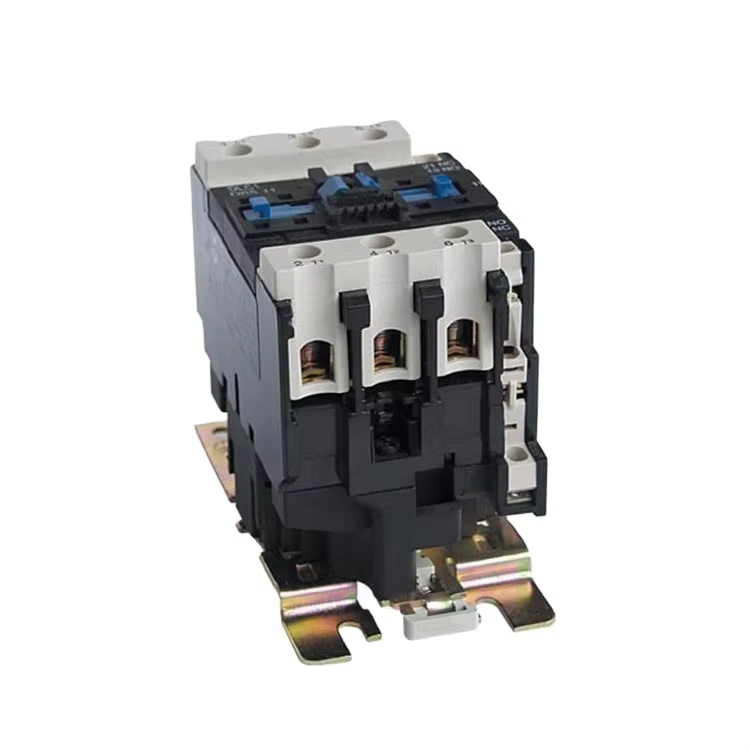
magnetic starter
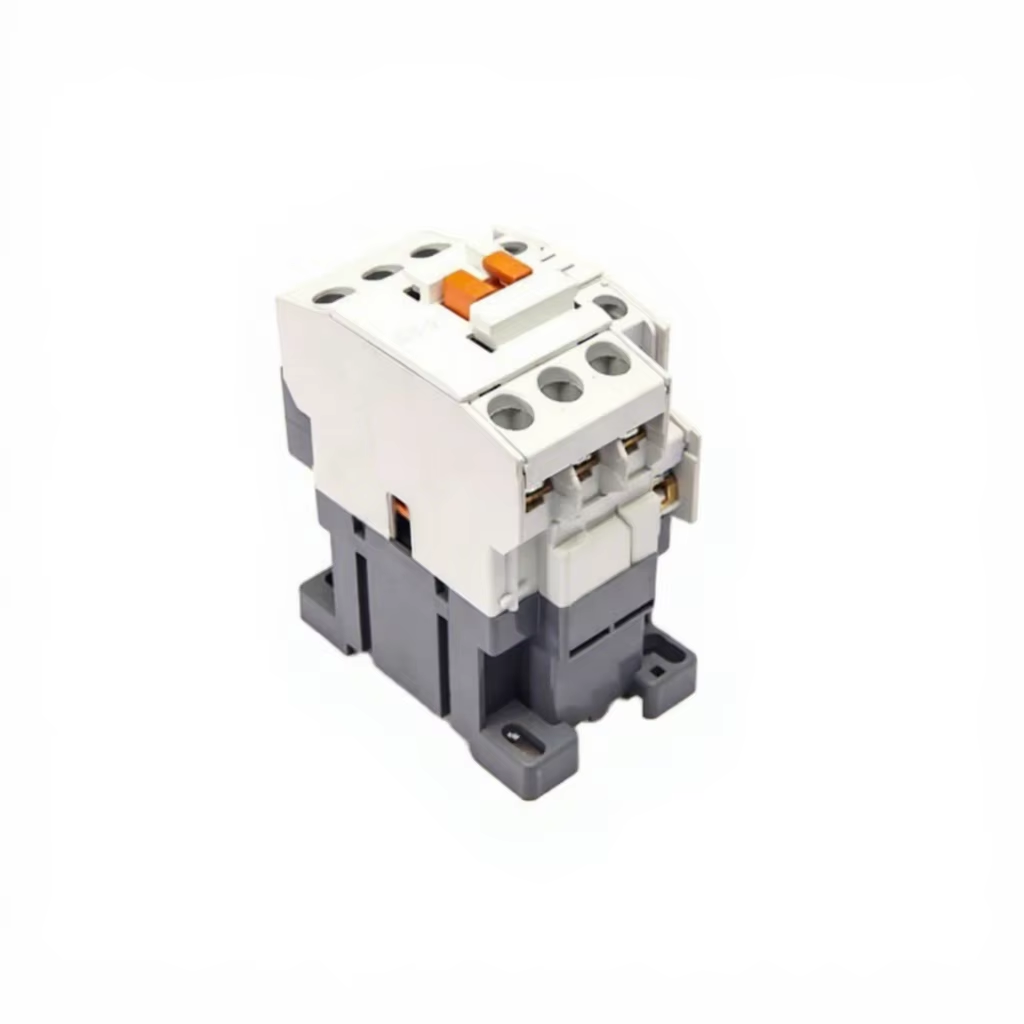
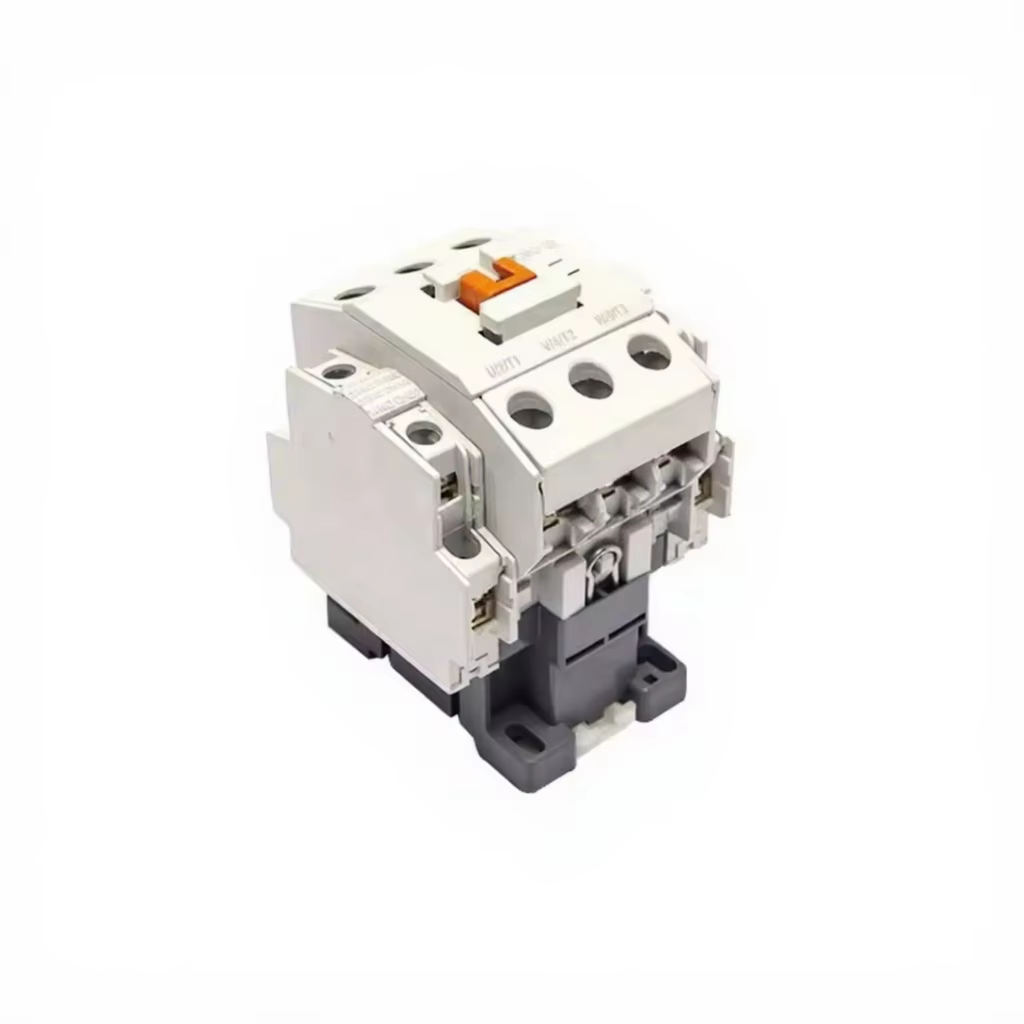
A magnetic starter represents a sophisticated electrical control device designed to manage and protect electric motors during startup and operation phases. This essential component combines several critical functions within a single compact unit, making it indispensable for industrial and commercial motor applications. The magnetic starter integrates a contactor, overload relay, and control circuitry to provide comprehensive motor management capabilities. The primary function of a magnetic starter involves controlling motor startup sequences through electromagnetic switching mechanisms. When activated, the device energizes the motor by closing electrical contacts, allowing current to flow to the motor windings. During shutdown, the magnetic starter safely disconnects power, ensuring proper motor protection. The overload protection feature continuously monitors motor current, automatically disconnecting power when excessive current threatens motor integrity. Technological features include robust electromagnetic coils that operate the main contacts, precision-engineered contact materials for reliable switching, and adjustable overload settings for various motor specifications. Modern magnetic starter units incorporate advanced thermal protection elements, providing superior motor safeguarding compared to traditional manual starters. The control voltage flexibility allows operation with different voltage levels, accommodating diverse installation requirements. Applications span numerous industries, from manufacturing facilities to commercial buildings, where reliable motor control proves essential. Manufacturing plants utilize magnetic starter systems for conveyor belts, pumps, compressors, and production machinery. Commercial buildings depend on these devices for HVAC systems, elevators, and mechanical equipment. The magnetic starter ensures consistent performance in demanding environments, maintaining operational efficiency while protecting valuable motor investments. Installation versatility allows mounting in control panels, standalone enclosures, or integrated machinery configurations, providing flexibility for various project requirements and space constraints.
 EN
EN