AC Contactor Guide: Heavy-Duty Electrical Switching Solutions for Industrial Applications

All Categories

Get a Free Quote

Our representative will contact you soon.
Email
Name
Company Name
Mobile/WhatsApp
Message
0/1000

ac contactor

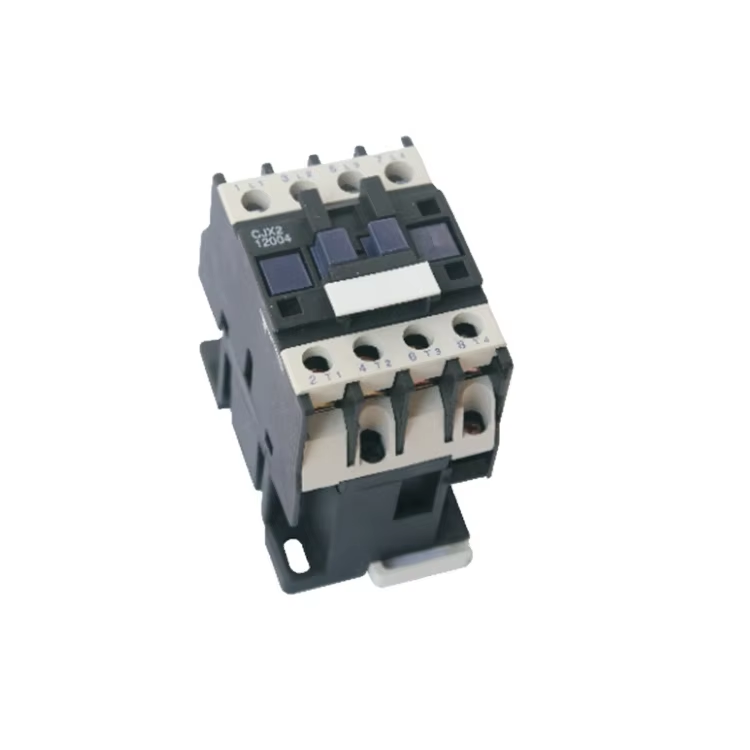
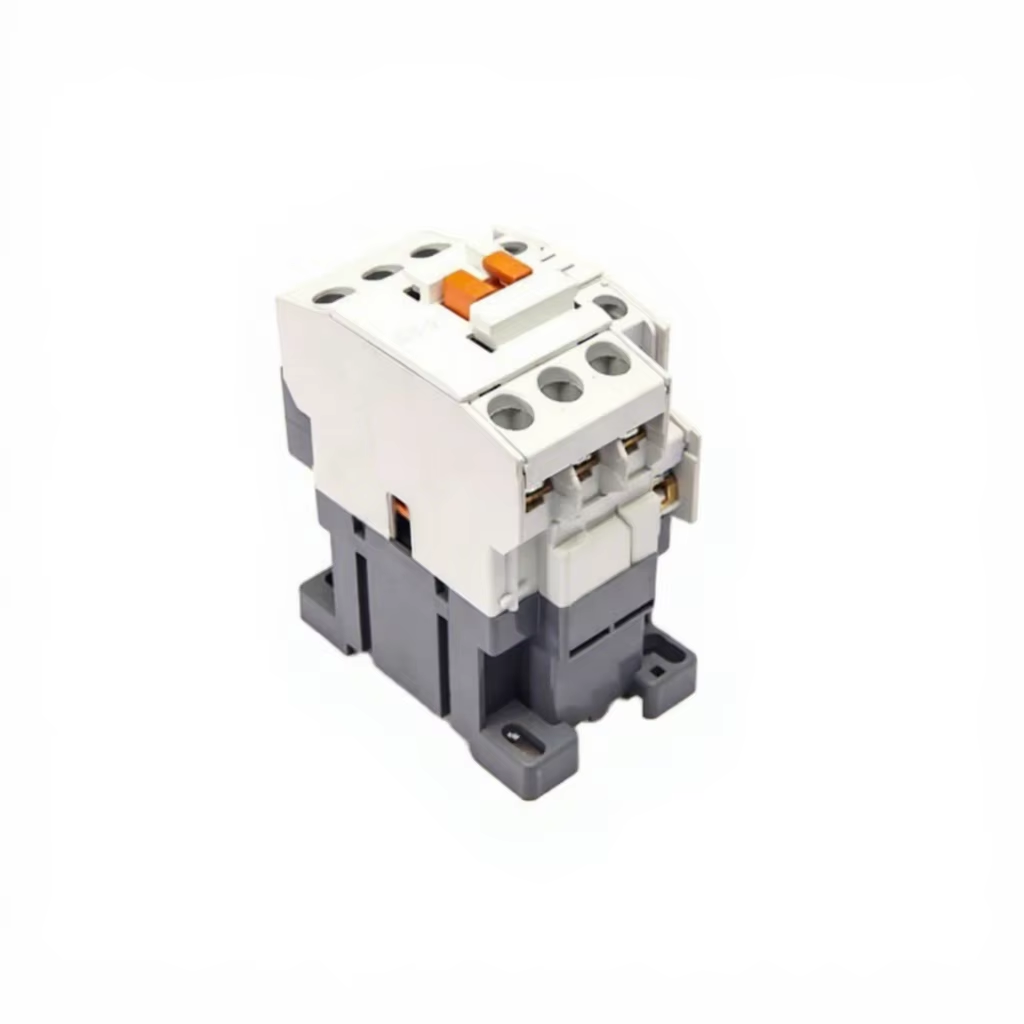
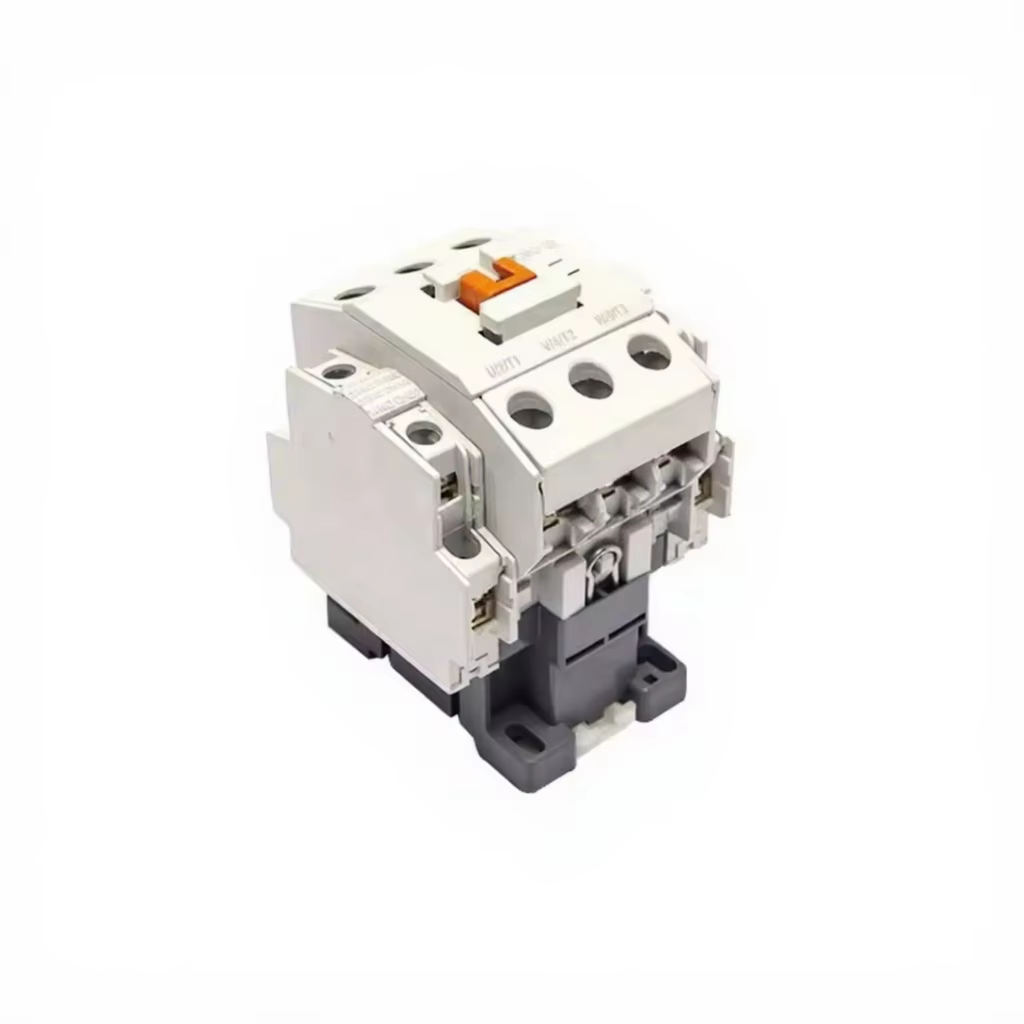
An ac contactor serves as a fundamental electrical component designed to control the flow of alternating current in various electrical systems. This essential device operates as an electromagnetic switch that manages high-voltage circuits safely and efficiently. The ac contactor consists of several key components including electromagnetic coils, contact points, and spring-loaded mechanisms that work together to establish or interrupt electrical connections. When the control circuit energizes the electromagnetic coil, it creates a magnetic field that pulls the movable contacts into position, completing the electrical circuit. Conversely, when power is removed from the coil, the spring mechanism returns the contacts to their open position, breaking the connection. Modern ac contactor units feature robust construction with durable materials that withstand repeated switching operations and harsh environmental conditions. The contact points are typically made from silver alloy or other conductive materials that resist arcing and corrosion. These components are housed within protective enclosures that shield internal mechanisms from dust, moisture, and other contaminants. The technological features of an ac contactor include precise timing mechanisms, adjustable current ratings, and compatibility with various voltage levels. Many units incorporate auxiliary contacts that provide feedback signals to control systems, enabling remote monitoring and automated operations. Advanced models feature electronic control interfaces that integrate seamlessly with programmable logic controllers and building management systems. The applications for ac contactor devices span numerous industries and sectors. HVAC systems rely heavily on these components to control compressors, fans, and heating elements in commercial and residential buildings. Manufacturing facilities use ac contactor units to manage motor operations, conveyor systems, and automated machinery. The lighting industry employs these devices for large-scale illumination control in warehouses, stadiums, and outdoor installations. Power distribution systems incorporate ac contactor technology to manage electrical loads and provide circuit protection in substations and electrical panels.

Popular Products

The ac contactor delivers exceptional reliability that translates into reduced maintenance costs and extended system lifespan for users across all applications. This reliability stems from the robust electromagnetic design that eliminates mechanical wear points common in traditional switching devices. Users experience fewer unexpected failures and service interruptions, which directly impacts productivity and operational efficiency. The electromagnetic operation ensures consistent performance even after millions of switching cycles, making it an economical choice for high-frequency applications. Safety represents another significant advantage of the ac contactor, as it provides complete electrical isolation between control and power circuits. This separation protects operators and technicians from dangerous voltage levels during maintenance procedures. The device incorporates multiple safety features including arc suppression technology that minimizes fire hazards and prevents damage to surrounding equipment. Emergency stop capabilities allow immediate disconnection of power in critical situations, ensuring personnel protection and equipment preservation. The versatility of ac contactor units enables them to handle diverse electrical loads ranging from small motors to large industrial equipment. This adaptability reduces inventory requirements for maintenance departments and simplifies installation procedures across different applications. The standardized mounting configurations and terminal arrangements allow easy replacement and upgrading of existing systems without extensive modifications. Remote control capabilities enhance operational flexibility by allowing operators to manage electrical systems from safe distances or centralized locations. This feature proves particularly valuable in hazardous environments or when managing multiple systems simultaneously. The ac contactor responds instantly to control signals, providing precise timing control for automated processes and energy management systems. Energy efficiency benefits emerge from the low power consumption of the electromagnetic coil during operation. The device draws minimal current in the energized state, contributing to overall system efficiency and reduced operating costs. The quick switching action minimizes power losses during transitions and helps maintain stable electrical conditions throughout the system. Installation simplicity reduces project timelines and labor costs compared to more complex switching solutions. The standardized design and clear terminal markings facilitate straightforward wiring procedures that minimize errors during installation. Troubleshooting becomes more manageable due to the straightforward operating principles and visual indicators that help technicians quickly identify issues. The cost-effectiveness of ac contactor technology extends beyond the initial purchase price to include long-term operational savings through reduced maintenance requirements and energy consumption.

Latest News

What is a timer relay and how does it work in 2025?

25

Dec

What is a timer relay and how does it work in 2025?

A timer relay represents one of the most essential components in modern electrical control systems, providing precise timing functions across countless industrial applications. These sophisticated devices combine traditional relay switching capabilit...
View More
How does a timer relay control electrical circuits?

25

Dec

How does a timer relay control electrical circuits?

A timer relay serves as a critical component in electrical circuit control systems, providing precise timing functions that enable automated switching operations across numerous industrial and commercial applications. These sophisticated devices comb...
View More
Which relay type offers the best durability for my needs?

06

Jan

Which relay type offers the best durability for my needs?

Selecting the right relay for your application requires understanding the various types available and their durability characteristics. Industrial professionals face numerous options when choosing between electromagnetic relays, solid-state relays, a...
View More
How to select the right timer relay for your project?

06

Jan

How to select the right timer relay for your project?

Selecting the appropriate timer relay for industrial applications requires careful consideration of various technical specifications and operational requirements. A timer relay serves as a critical component in automation systems, controlling time-de...
View More

Get a Free Quote

Our representative will contact you soon.
Email
Name
Company Name
Mobile/WhatsApp
Message
0/1000

ac contactor

Superior Electromagnetic Control Technology

Superior Electromagnetic Control Technology

The ac contactor incorporates advanced electromagnetic control technology that revolutionizes electrical switching applications across industries. This sophisticated system utilizes precision-engineered electromagnetic coils that generate consistent magnetic fields for reliable contact operation. The technology features carefully calibrated spring tensions and magnetic flux densities that ensure optimal contact pressure and minimal contact bounce during switching operations. This engineering excellence translates into extended contact life and reduced maintenance requirements for end users. The electromagnetic design provides inherent advantages over mechanical switching alternatives by eliminating physical linkages that are prone to wear and adjustment issues. The magnetic force generated by the coil creates uniform contact pressure across all switching points, ensuring consistent electrical connections and minimizing resistance variations that could affect system performance. Advanced materials in the electromagnetic assembly resist temperature fluctuations and maintain stable operating characteristics across wide environmental ranges. The control coil operates on standard voltages, making integration with existing control systems straightforward and cost-effective. Users benefit from precise timing control that enables sophisticated automation sequences and load management strategies. The electromagnetic technology responds within milliseconds to control signals, providing the rapid switching necessary for protective applications and process control requirements. This quick response capability prevents equipment damage during fault conditions and enables smooth operation of automated systems. The robust electromagnetic design withstands electrical surges and mechanical vibrations commonly encountered in industrial environments. Quality manufacturing processes ensure consistent magnetic characteristics between units, facilitating standardized installation and maintenance procedures. The technology incorporates features that minimize electromagnetic interference, preventing disruption to sensitive electronic equipment in the vicinity. Service technicians appreciate the straightforward diagnostic procedures enabled by the electromagnetic design, as coil resistance measurements and visual inspection quickly identify potential issues before they cause system failures.
Heavy-Duty Contact System Engineering

Heavy-Duty Contact System Engineering

The heavy-duty contact system in an ac contactor represents a pinnacle of electrical engineering designed to handle demanding switching applications with exceptional durability and performance. This robust system features multiple contact sets arranged in configurations that distribute electrical loads evenly and provide redundant switching paths for critical applications. The contact materials utilize advanced silver alloy compositions that resist welding, pitting, and erosion caused by electrical arcing during switching operations. These specialized materials maintain low contact resistance throughout the operational lifetime, ensuring efficient power transfer and minimal heating losses. The contact geometry incorporates precise manufacturing tolerances that guarantee proper alignment and consistent contact pressure across all switching elements. This attention to detail prevents hot spots and uneven wear patterns that could compromise system reliability. The spring-loaded contact mechanism provides consistent force application that adapts to minor variations in contact surface conditions while maintaining electrical integrity. Users benefit from the extended contact life that reduces replacement costs and minimizes system downtime associated with maintenance activities. The contact system design includes features that facilitate quick inspection and replacement procedures, reducing service time and labor costs. Arc suppression technology integrated into the contact system minimizes the destructive effects of electrical arcing that occurs during switching operations. This technology extends contact life significantly and prevents damage to surrounding components within the ac contactor assembly. The heavy-duty construction enables the contact system to handle high inrush currents associated with motor starting applications without degradation or failure. This capability makes the ac contactor suitable for demanding applications where standard switching devices would fail prematurely. The contact system maintains performance specifications across wide temperature ranges, ensuring reliable operation in both indoor and outdoor installations. Quality control measures during manufacturing verify contact alignment, pressure specifications, and electrical characteristics before units leave the factory, ensuring consistent performance in field applications.
Comprehensive Application Flexibility

Comprehensive Application Flexibility

The ac contactor demonstrates remarkable application flexibility that makes it an invaluable component across diverse industries and electrical systems. This versatility stems from carefully engineered design characteristics that accommodate varying voltage levels, current ratings, and control requirements while maintaining consistent performance standards. The device seamlessly integrates into HVAC systems where it controls compressors, heating elements, and ventilation equipment with precise timing and load management capabilities. Building automation systems rely on the ac contactor flexibility to manage lighting circuits, motor controls, and energy distribution systems through centralized control interfaces. The adaptability extends to manufacturing environments where the unit handles automated machinery, conveyor systems, and process equipment with demanding duty cycles and environmental conditions. Industrial facilities benefit from the ability to configure ac contactor units for specific load requirements without compromising safety or performance standards. The flexible design accommodates both normally open and normally closed contact configurations, enabling diverse control strategies and fail-safe operations. Auxiliary contact options provide feedback signals and interlocking capabilities that enhance system integration and safety protocols. The mounting flexibility allows installation in various orientations and enclosure types, simplifying integration into existing electrical panels and control cabinets. Users appreciate the standardized terminal arrangements that facilitate straightforward wiring procedures and reduce installation time across different applications. The ac contactor adapts to different control voltage requirements, making it compatible with various automation systems and control devices without additional interface components. Remote control capabilities enable operation from distributed locations, supporting modern automation architectures and centralized monitoring systems. The device handles both resistive and inductive loads effectively, making it suitable for diverse electrical equipment including motors, heaters, lighting systems, and power distribution components. Environmental flexibility allows operation in challenging conditions including temperature extremes, humidity variations, and vibration-prone installations. The comprehensive application range reduces inventory requirements for electrical contractors and maintenance departments by providing a single solution for multiple switching needs.

Get a Free Quote

Our representative will contact you soon.
Email
Name
Company Name
Mobile/WhatsApp
Message
0/1000