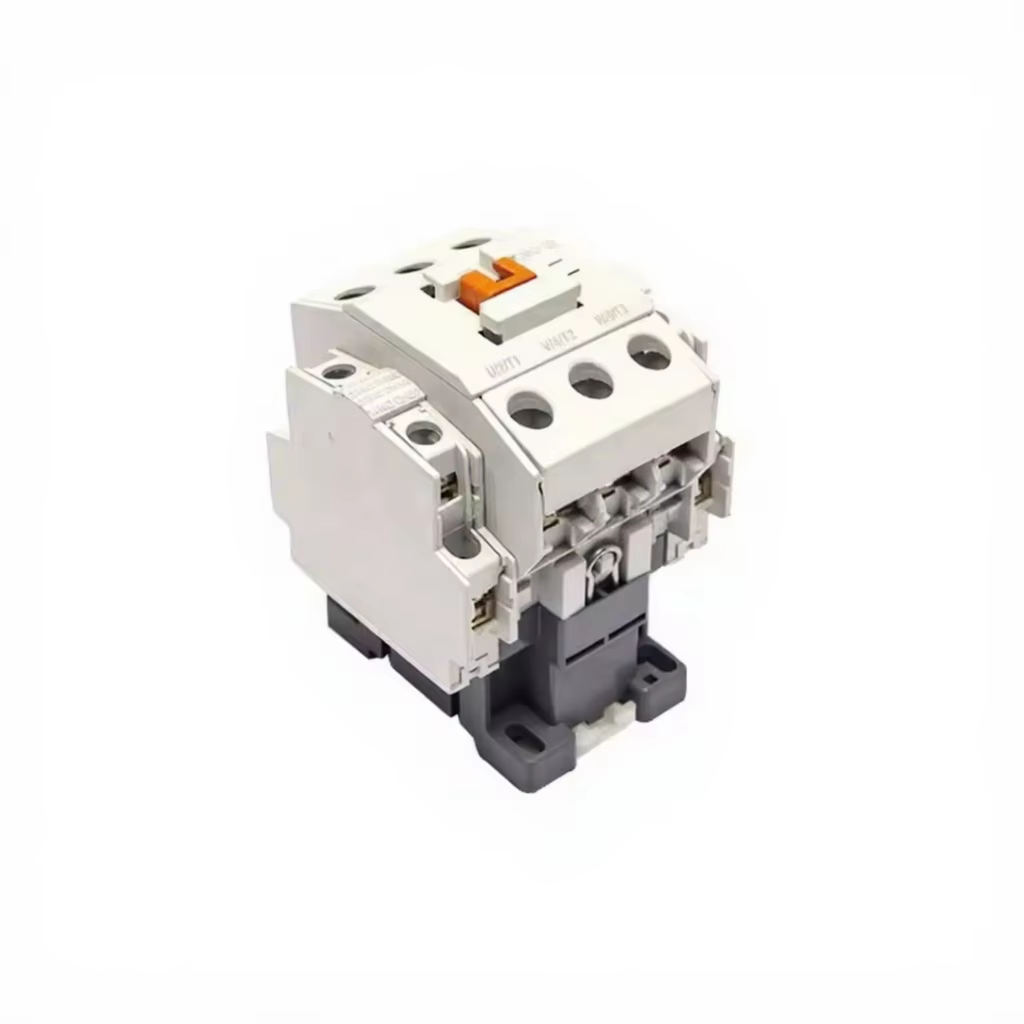
Breaker Contactor Solutions - Advanced Electrical Control and Protection Systems

All Categories

Get a Free Quote

Our representative will contact you soon.
Email
Name
Company Name
Mobile/WhatsApp
Message
0/1000

breaker contactor

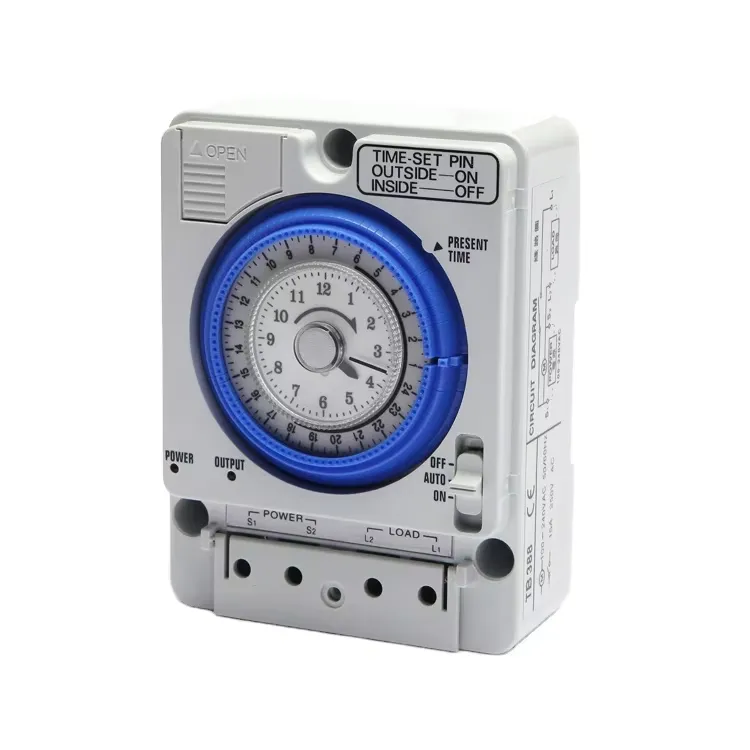
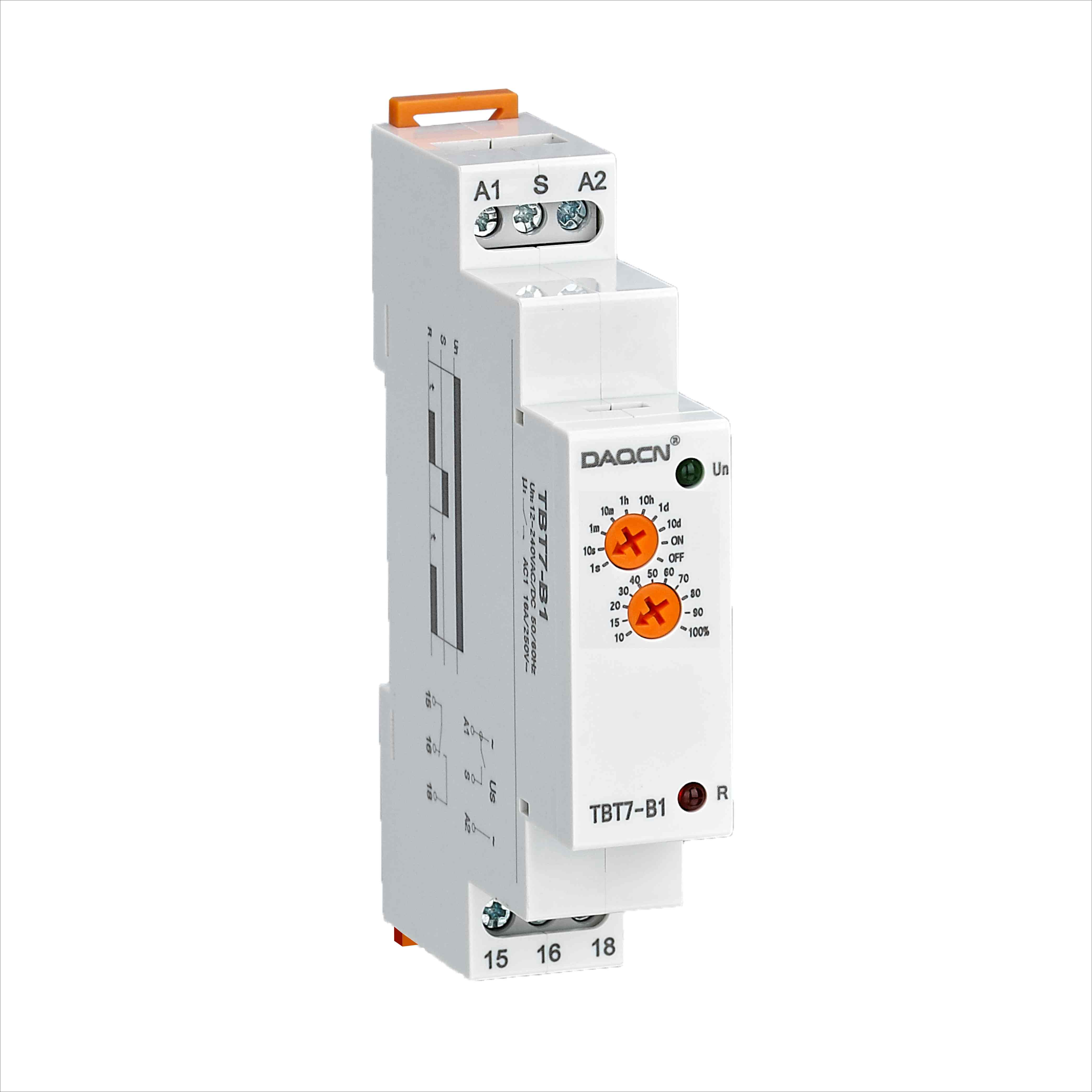
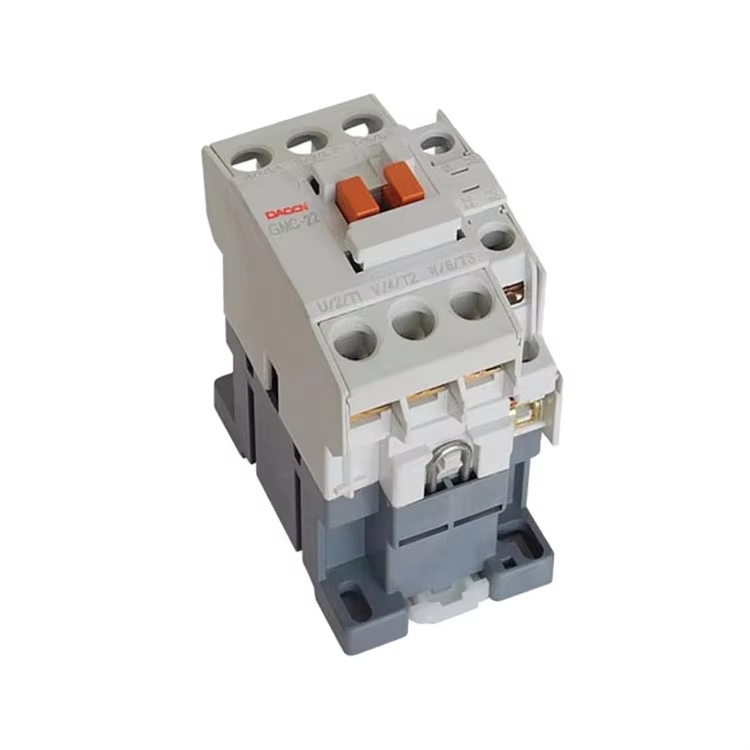
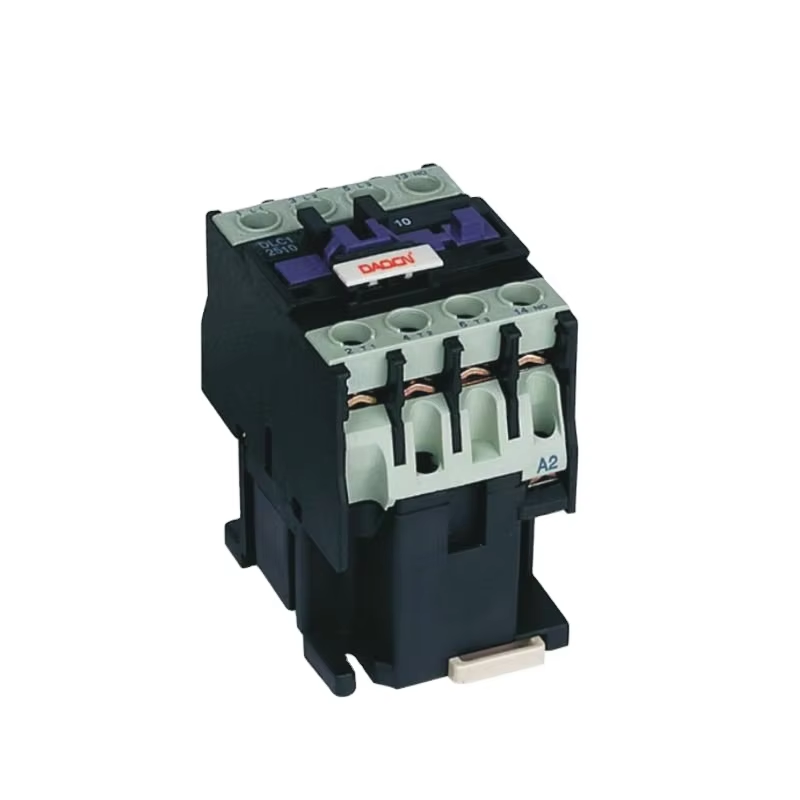
A breaker contactor represents an innovative fusion of circuit breaker protection and contactor switching capabilities, engineered to deliver comprehensive electrical control and safety in industrial applications. This sophisticated device combines the instantaneous switching functionality of a traditional contactor with the overcurrent protection features of a circuit breaker, creating a unified solution for motor control and circuit protection. The breaker contactor operates through electromagnetic principles, utilizing a coil-operated mechanism that engages and disengages electrical contacts while simultaneously monitoring current flow for fault conditions. When energized, the electromagnetic coil creates a magnetic field that pulls the movable contacts into engagement with fixed contacts, establishing electrical continuity. During fault conditions such as overloads or short circuits, the integrated protection system automatically triggers the breaker mechanism, disconnecting the circuit to prevent equipment damage. Modern breaker contactor designs incorporate advanced arc extinction technologies, including specialized contact materials and arc chutes that safely extinguish electrical arcs during switching operations. These devices typically feature adjustable trip settings, allowing operators to customize protection parameters based on specific application requirements. The construction includes robust housing materials designed to withstand harsh industrial environments, with IP-rated enclosures providing protection against dust, moisture, and mechanical impact. Breaker contactor applications span numerous industries, including manufacturing facilities, water treatment plants, HVAC systems, and automated production lines. They prove particularly valuable in motor control applications where frequent starting and stopping operations occur, such as conveyor systems, pumps, and industrial machinery. The integration of protection and control functions eliminates the need for separate devices, reducing installation complexity and maintenance requirements while improving overall system reliability and operational efficiency.

New Products

The breaker contactor offers significant operational advantages that translate into measurable benefits for industrial facilities and equipment operators. Space efficiency stands as a primary advantage, as this integrated device eliminates the need for separate circuit breakers and contactors, reducing panel space requirements by up to 40 percent compared to traditional configurations. This consolidation directly impacts installation costs, as fewer mounting components, reduced wiring complexity, and simplified panel layouts result in lower labor expenses during initial setup and future modifications. Maintenance operations become more streamlined with breaker contactor implementation, as technicians work with a single device rather than multiple components, reducing diagnostic time and simplifying troubleshooting procedures. The unified design ensures consistent performance characteristics across protection and switching functions, eliminating potential compatibility issues between different manufacturers' components. Enhanced safety features provide superior protection for both equipment and personnel, with integrated arc fault detection and advanced trip mechanisms that respond faster than traditional separate devices. The breaker contactor delivers improved operational reliability through its coordinated protection and switching functions, reducing the likelihood of nuisance trips and extending equipment lifespan through precise overcurrent protection. Economic benefits extend beyond initial cost savings, as reduced maintenance requirements, fewer spare parts inventory needs, and decreased downtime contribute to lower total cost of ownership. Energy efficiency improvements result from optimized contact design and reduced connection points, minimizing voltage drop and power losses throughout the electrical system. Installation flexibility increases significantly, as the compact design allows for easier retrofitting in existing panels and provides more options for equipment placement in space-constrained environments. The breaker contactor also enhances system diagnostics capabilities, with many models offering status indication features that provide immediate visual confirmation of device status and fault conditions. Remote monitoring compatibility enables integration with building management systems and industrial automation networks, facilitating predictive maintenance strategies and improving overall operational visibility. These combined advantages position the breaker contactor as a superior solution for modern industrial electrical systems, delivering tangible value through improved efficiency, safety, and operational performance.

Practical Tips

How does a timer relay control electrical circuits?

25

Dec

How does a timer relay control electrical circuits?

A timer relay serves as a critical component in electrical circuit control systems, providing precise timing functions that enable automated switching operations across numerous industrial and commercial applications. These sophisticated devices comb...
View More
How to choose the right relay for industrial automation?

06

Jan

How to choose the right relay for industrial automation?

Industrial automation systems rely heavily on precise electrical control components, with the relay serving as one of the most fundamental switching devices. Understanding how to select the appropriate relay for your automation application can signif...
View More
Which relay type offers the best durability for my needs?

06

Jan

Which relay type offers the best durability for my needs?

Selecting the right relay for your application requires understanding the various types available and their durability characteristics. Industrial professionals face numerous options when choosing between electromagnetic relays, solid-state relays, a...
View More
What is an energy meter and how does it work in 2025?

06

Jan

What is an energy meter and how does it work in 2025?

In today's increasingly connected world, understanding energy consumption has become essential for both residential and commercial applications. An energy meter serves as the fundamental device that measures electrical energy consumption in buildings...
View More

Get a Free Quote

Our representative will contact you soon.
Email
Name
Company Name
Mobile/WhatsApp
Message
0/1000

breaker contactor

Advanced Integrated Protection Technology

Advanced Integrated Protection Technology

The breaker contactor incorporates state-of-the-art protection technology that revolutionizes electrical system safety and reliability through its sophisticated fault detection and interruption capabilities. This advanced protection system utilizes precision current sensing mechanisms that continuously monitor electrical flow, detecting overcurrent conditions with exceptional accuracy and speed. The integrated thermal-magnetic trip units provide dual-mode protection, combining instantaneous magnetic protection for short-circuit conditions with time-delay thermal protection for overload situations. This dual approach ensures optimal equipment protection while minimizing unnecessary interruptions during normal operational variations. The protection algorithms built into modern breaker contactor designs feature adjustable trip curves that allow precise customization of protection characteristics to match specific load requirements and operating conditions. Advanced models incorporate microprocessor-based protection systems that offer programmable trip settings, ground fault protection, and comprehensive fault diagnostics. The arc extinction technology represents another critical aspect of the protection system, utilizing specialized arc chutes and contact materials engineered to safely interrupt fault currents up to the device's rated capacity. These arc management systems prevent damage to internal components while ensuring reliable operation throughout the device's service life. The protection coordination capabilities enable seamless integration with upstream and downstream protective devices, creating a comprehensive protection scheme that isolates faults at the appropriate system level. Temperature compensation features ensure consistent protection performance across varying ambient conditions, maintaining accurate trip characteristics regardless of environmental factors. The breaker contactor's protection system also includes phase loss detection and voltage monitoring capabilities in advanced models, providing comprehensive protection against various electrical anomalies. Status indication systems provide immediate visual feedback regarding protection system status, fault conditions, and trip causes, facilitating rapid diagnosis and restoration procedures. This integrated protection technology eliminates the complexity and potential coordination issues associated with separate protection devices, ensuring reliable and consistent performance while reducing the risk of protection system failures that could compromise equipment safety and operational continuity.
Superior Operational Efficiency and Control Precision

Superior Operational Efficiency and Control Precision

The breaker contactor delivers exceptional operational efficiency through its precisely engineered switching mechanisms and optimized control systems that enhance performance across diverse industrial applications. The electromagnetic operating system features advanced coil designs that minimize power consumption while maximizing switching force and reliability, resulting in reduced operational costs and improved energy efficiency. High-quality contact materials, including silver-based alloys and specialized surface treatments, ensure low contact resistance and minimal voltage drop, optimizing electrical efficiency throughout the switching cycle. The precision-manufactured contact systems provide consistent switching performance with minimal contact bounce, ensuring clean switching operations that reduce electrical noise and improve connected equipment performance. Advanced spring systems and mechanical linkages deliver rapid and precise contact engagement and disengagement, with switching times typically under 50 milliseconds for enhanced operational responsiveness. The breaker contactor's control flexibility enables integration with various control systems, from simple manual operation to sophisticated automated control networks, accommodating diverse operational requirements and future system expansions. Auxiliary contact systems provide comprehensive status feedback and interlocking capabilities, enabling precise coordination with other system components and enhanced operational safety through position confirmation. The device's ability to handle frequent switching operations without performance degradation makes it ideal for applications requiring regular start-stop cycles, such as motor control in automated manufacturing processes. Mechanical and electrical life ratings significantly exceed traditional separate device configurations, with many models rated for over one million switching operations under normal conditions. The integrated design eliminates potential timing issues between separate protection and switching devices, ensuring coordinated operation that optimizes system performance and reliability. Load monitoring capabilities in advanced models provide real-time operational data, enabling predictive maintenance strategies and operational optimization. The precise control characteristics allow for soft-start capabilities and controlled acceleration profiles in motor applications, reducing mechanical stress and extending equipment life. Environmental adaptability ensures consistent performance across varying temperature, humidity, and altitude conditions, maintaining operational precision regardless of installation environment. This superior operational efficiency translates into reduced maintenance requirements, extended equipment life, and improved overall system performance, delivering measurable value through enhanced productivity and reduced operational costs.
Cost-Effective Installation and Maintenance Benefits

Cost-Effective Installation and Maintenance Benefits

The breaker contactor provides substantial cost-effective benefits throughout its entire lifecycle, from initial installation through long-term maintenance and operation, making it an economically superior choice for industrial electrical systems. Installation cost reductions begin with simplified panel design requirements, as the integrated device eliminates the need for separate mounting hardware, reducing material costs and installation time by approximately 30 percent compared to traditional separate component installations. The consolidated wiring requirements significantly reduce labor costs, as technicians connect fewer devices and create simpler wiring schemes that are less prone to errors and easier to modify during future system changes. Panel space optimization allows for smaller electrical enclosures or accommodates additional equipment within existing panels, providing flexibility for system expansion without requiring panel upgrades. The standardized mounting dimensions and connection schemes across different ratings simplify inventory management and reduce the variety of spare parts required for maintenance operations. Maintenance cost advantages accumulate over the device's operational life through reduced inspection requirements, as technicians service a single integrated device rather than multiple separate components, reducing labor time and associated costs. The unified construction eliminates potential failure points associated with interconnections between separate devices, improving overall system reliability and reducing unplanned maintenance events. Diagnostic capabilities integrated into modern breaker contactor designs provide clear fault indication and status information, enabling faster troubleshooting and reducing diagnostic time during maintenance procedures. The extended operational life of integrated designs, typically 25 percent longer than separate component configurations, reduces replacement frequency and associated downtime costs. Training requirements for maintenance personnel are simplified, as technicians work with familiar integrated devices rather than learning multiple component types and their interactions. Spare parts inventory costs decrease significantly, as facilities stock fewer component types while maintaining comprehensive system coverage. The breaker contactor's ability to provide coordinated protection eliminates the risk of component mismatches that can result in inadequate protection or nuisance tripping, reducing both equipment damage risks and operational interruptions. Energy efficiency improvements through optimized internal connections and reduced voltage drops translate into measurable electrical cost savings over the device's operational life. Remote monitoring capabilities enable condition-based maintenance strategies that optimize maintenance scheduling and reduce unnecessary service interventions, further reducing operational costs while maintaining high reliability levels.

Get a Free Quote

Our representative will contact you soon.
Email
Name
Company Name
Mobile/WhatsApp
Message
0/1000