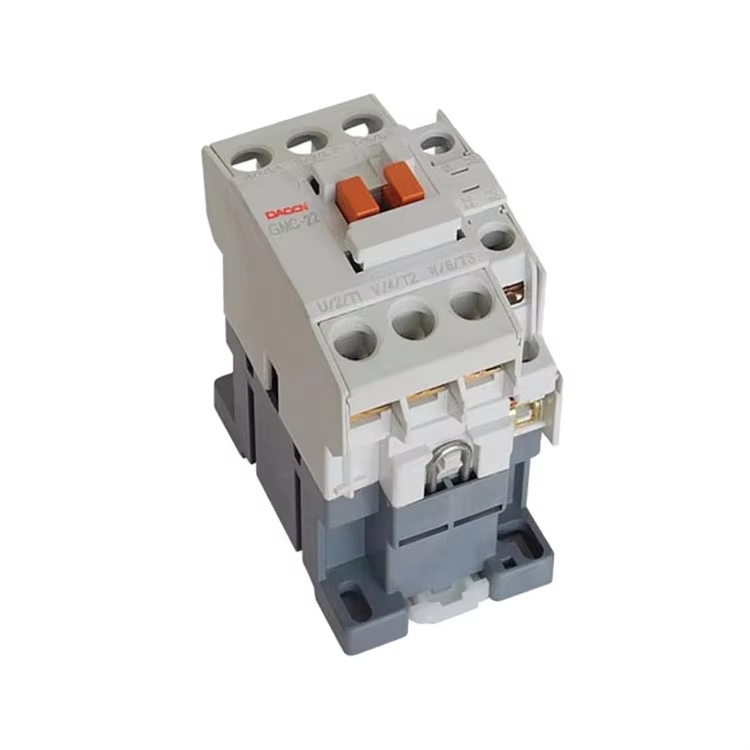
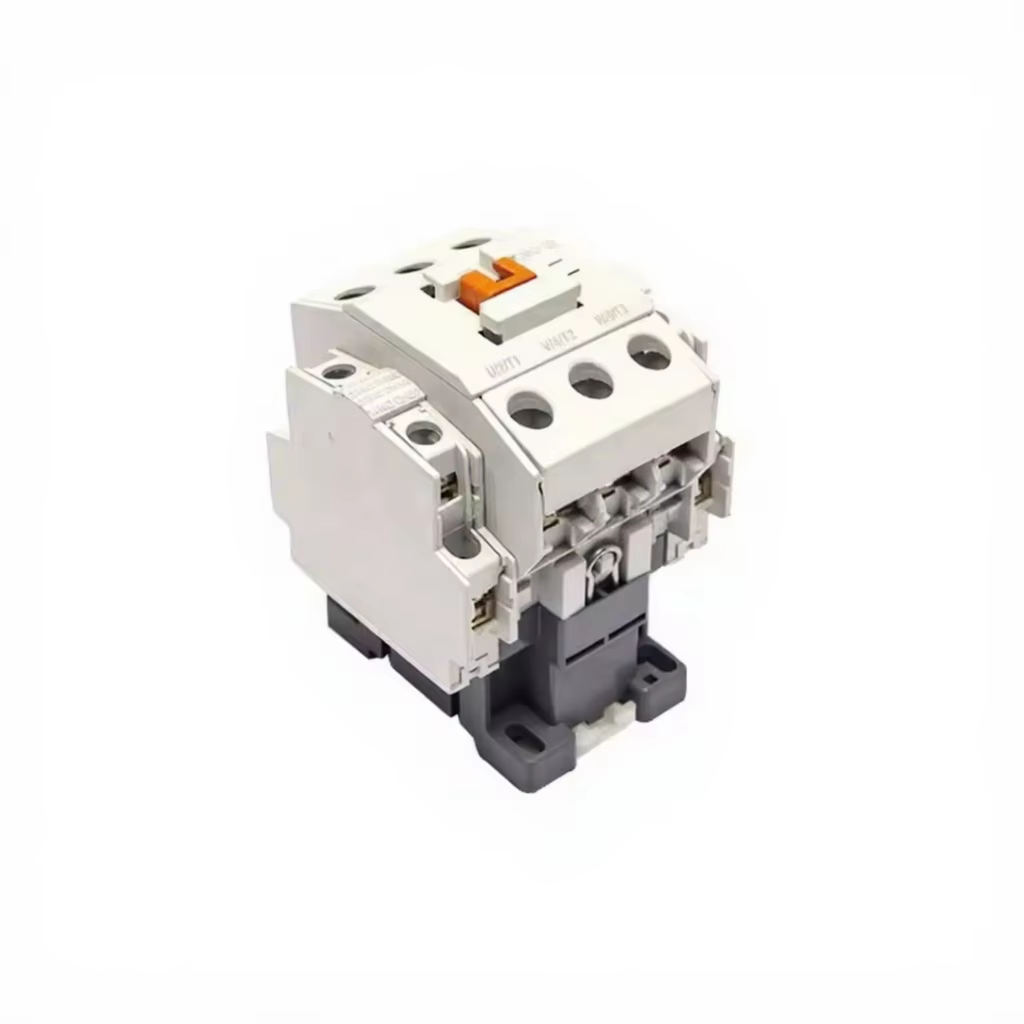
ac compressor contactor
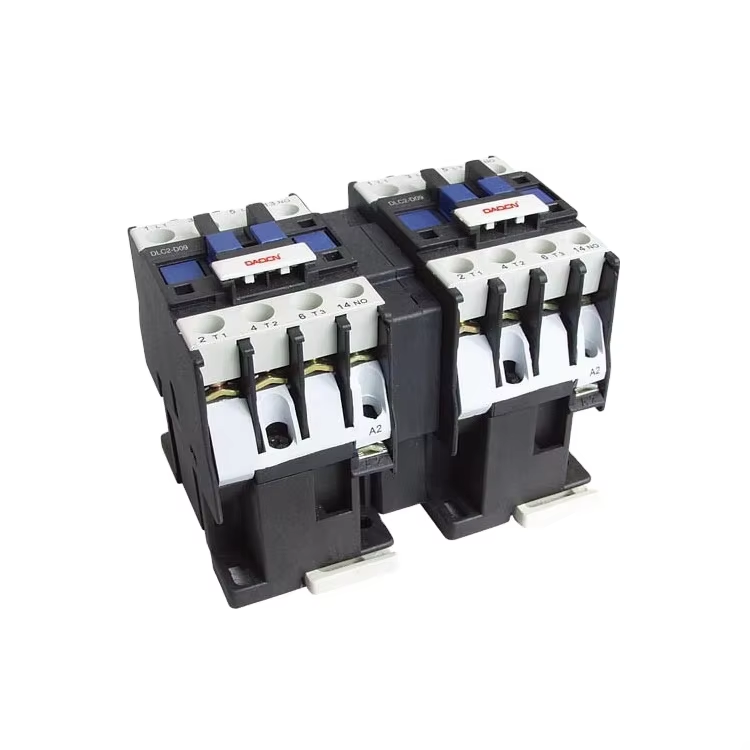
An ac compressor contactor serves as a critical electrical control component in air conditioning systems, functioning as the primary switching mechanism that manages power flow to the compressor unit. This electromagnetic device operates by opening and closing electrical circuits, effectively controlling when the compressor starts and stops during cooling cycles. The ac compressor contactor consists of multiple essential parts including electromagnetic coils, movable contacts, stationary contacts, and a spring-loaded mechanism that ensures reliable operation. When the thermostat signals for cooling, it sends a low-voltage control signal to the contactor coil, which creates an electromagnetic field that pulls the movable contacts against the stationary contacts, completing the high-voltage circuit to the compressor motor. The technological features of modern ac compressor contactors include silver-cadmium oxide contacts that resist electrical arcing and oxidation, ensuring longer service life and consistent performance. Advanced models incorporate arc suppression technology and enhanced contact pressure mechanisms that minimize electrical noise and improve switching reliability. These devices typically handle voltages ranging from 208V to 480V and current loads from 20 to 90 amperes, making them suitable for residential, commercial, and industrial applications. The robust construction includes weather-resistant enclosures and corrosion-resistant materials that withstand harsh environmental conditions. Applications span across various sectors including residential central air conditioning systems, commercial HVAC installations, industrial cooling equipment, and refrigeration systems. The ac compressor contactor also features thermal overload protection capabilities and diagnostic indicators that help technicians identify potential issues before system failures occur. Modern designs incorporate energy-efficient coil technology that reduces power consumption during operation while maintaining superior switching performance and electromagnetic reliability throughout extended operational periods.
 EN
EN