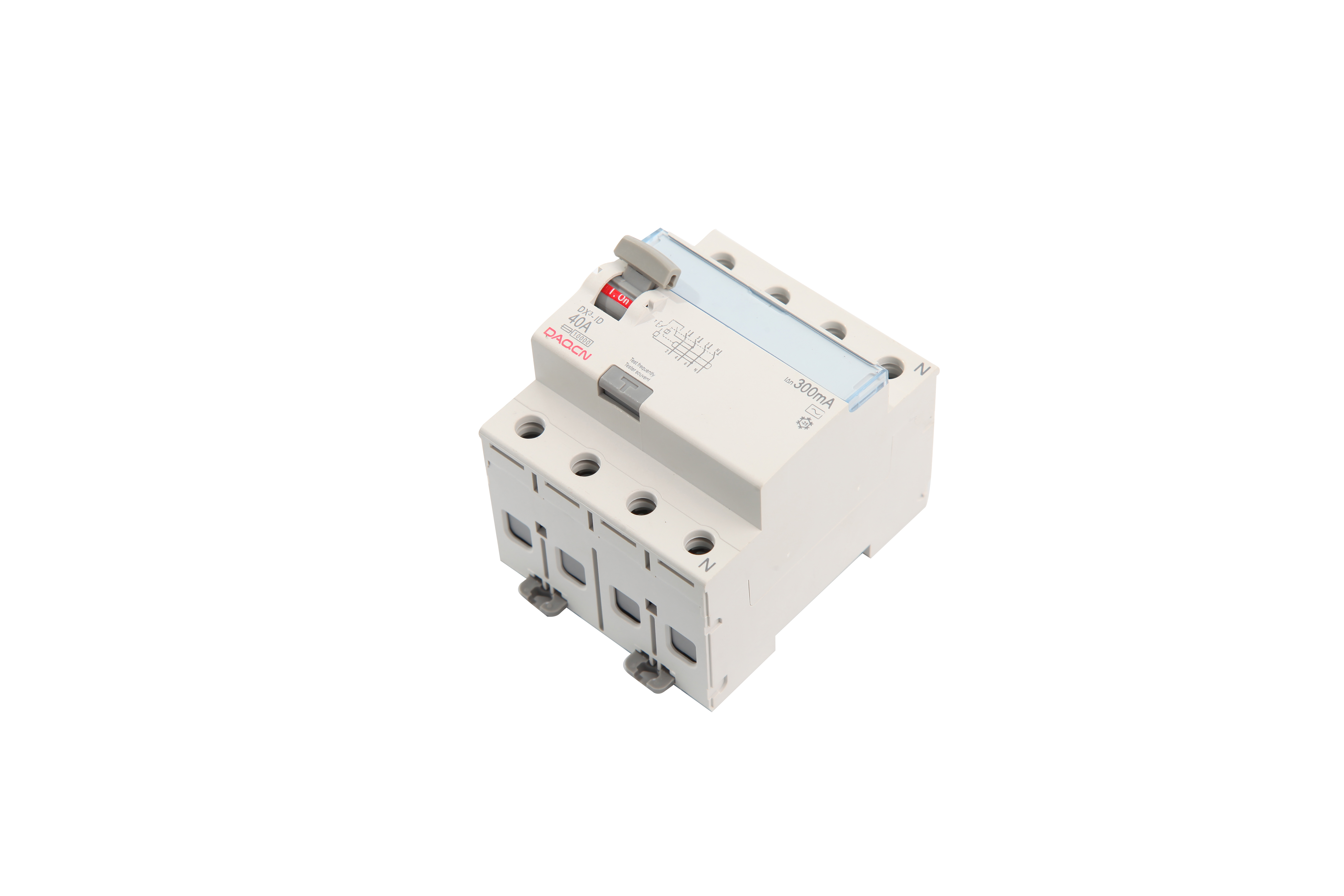
Motor Protection Circuit Breaker: Advanced Motor Safety and Control Solutions

All Categories

Get a Free Quote

Our representative will contact you soon.
Email
Name
Company Name
Mobile/WhatsApp
Message
0/1000

motor protection circuit breaker

A motor protection circuit breaker represents an essential electrical safety device specifically designed to safeguard electric motors from various operational hazards. This sophisticated protective equipment combines the functionality of traditional circuit breakers with specialized motor protection features, creating a comprehensive solution for motor-driven applications. The motor protection circuit breaker serves as the first line of defense against electrical faults that could damage expensive motor equipment or create safety hazards in industrial and commercial environments. These devices monitor electrical parameters continuously, detecting abnormalities such as overcurrent conditions, short circuits, phase failures, and thermal overloads. When dangerous conditions arise, the motor protection circuit breaker automatically disconnects the motor from the power supply, preventing catastrophic damage and ensuring operator safety. The technological features of modern motor protection circuit breakers include adjustable trip curves, temperature compensation, and integrated communication capabilities. Advanced models incorporate microprocessor-based controls that provide precise monitoring and diagnostics, enabling predictive maintenance strategies. These intelligent systems can differentiate between normal starting currents and fault conditions, reducing nuisance trips while maintaining reliable protection. The trip characteristics are carefully calibrated to accommodate motor starting requirements while providing rapid response to genuine fault conditions. Applications for motor protection circuit breakers span numerous industries including manufacturing, water treatment, HVAC systems, conveyor operations, and pumping stations. In manufacturing facilities, these devices protect production line motors that drive critical processes. Water treatment plants rely on motor protection circuit breakers to safeguard pump motors that maintain continuous water supply. HVAC systems utilize these protective devices to ensure reliable operation of fan motors and compressors. The versatility of motor protection circuit breakers makes them suitable for motors ranging from small fractional horsepower units to large industrial drives exceeding several hundred horsepower.

New Product Releases

Motor protection circuit breakers deliver substantial cost savings by preventing expensive motor failures and reducing maintenance requirements. Traditional protection methods often fail to provide adequate coverage, leading to unexpected motor breakdowns that result in costly repairs and production downtime. The comprehensive protection offered by motor protection circuit breakers eliminates these risks by detecting problems before they escalate into major failures. This proactive approach significantly extends motor lifespan, maximizing return on equipment investments. The financial benefits extend beyond equipment preservation, as reduced downtime translates directly into increased productivity and revenue generation. Installation simplicity represents another major advantage of motor protection circuit breakers. These devices require minimal wiring compared to separate overload relays and contactors, reducing installation time and labor costs. The compact design saves valuable panel space while simplifying system layout and maintenance access. Electricians appreciate the straightforward connection process, which reduces installation errors and commissioning time. The integrated design eliminates the need for multiple protection devices, streamlining inventory management and reducing spare parts requirements. Operational reliability distinguishes motor protection circuit breakers from conventional protection schemes. The self-contained design reduces the number of potential failure points, increasing overall system dependability. Built-in diagnostics provide clear indication of trip causes, enabling rapid troubleshooting and system restoration. This reliability proves crucial in applications where motor failure could create safety hazards or disrupt essential services. Enhanced safety features protect both equipment and personnel through precise fault detection and rapid response capabilities. The adjustable trip settings allow optimization for specific motor characteristics, ensuring protection without unnecessary interruptions. Remote monitoring capabilities enable centralized control room supervision, improving response times to potential problems. User-friendly interfaces simplify setup and adjustment procedures, reducing the likelihood of configuration errors. The robust construction ensures reliable operation in harsh industrial environments, withstanding vibration, temperature extremes, and electromagnetic interference. Environmental benefits result from the energy efficiency improvements achieved through proper motor protection. By preventing motor damage and optimizing performance, these devices contribute to reduced energy consumption and lower carbon footprint. The extended equipment life reduces waste generation and resource consumption associated with premature motor replacement.

Practical Tips

When should you replace a faulty relay in your system?

25

Dec

When should you replace a faulty relay in your system?

Industrial electrical systems depend heavily on reliable switching components, and understanding when to replace critical components can prevent costly downtime and equipment failure. A relay serves as an electromagnetic switch that controls high-pow...
View More
Which relay type offers the best durability for my needs?

06

Jan

Which relay type offers the best durability for my needs?

Selecting the right relay for your application requires understanding the various types available and their durability characteristics. Industrial professionals face numerous options when choosing between electromagnetic relays, solid-state relays, a...
View More
How to select the right timer relay for your project?

06

Jan

How to select the right timer relay for your project?

Selecting the appropriate timer relay for industrial applications requires careful consideration of various technical specifications and operational requirements. A timer relay serves as a critical component in automation systems, controlling time-de...
View More
What is an energy meter and how does it work in 2025?

06

Jan

What is an energy meter and how does it work in 2025?

In today's increasingly connected world, understanding energy consumption has become essential for both residential and commercial applications. An energy meter serves as the fundamental device that measures electrical energy consumption in buildings...
View More

Get a Free Quote

Our representative will contact you soon.
Email
Name
Company Name
Mobile/WhatsApp
Message
0/1000

motor protection circuit breaker

Advanced Thermal Memory Protection Technology

Advanced Thermal Memory Protection Technology

The thermal memory protection technology incorporated in modern motor protection circuit breakers represents a revolutionary advancement in motor safety systems. This sophisticated feature continuously monitors and records the thermal history of protected motors, providing unprecedented protection against thermal damage. Unlike conventional thermal overload devices that reset to ambient conditions after cooling, thermal memory protection maintains awareness of accumulated heat stress within motor windings. This technology proves particularly valuable in applications involving frequent starts, variable loads, or adverse environmental conditions. The thermal memory function calculates the actual thermal state of motor windings based on current flow, ambient temperature, and previous operating history. During normal operation, the system tracks thermal accumulation, ensuring that motors do not exceed safe temperature limits even during demanding duty cycles. When motors experience overload conditions, the thermal memory algorithm accurately predicts winding temperature rise, initiating protective action before damage occurs. This predictive capability prevents motor failures that traditional protection methods might miss, particularly in scenarios involving multiple starts or sustained overload conditions. The technology accommodates different motor types and applications through programmable thermal characteristics. Users can configure the thermal memory parameters to match specific motor designs, insulation classes, and duty cycles. This customization ensures optimal protection without unnecessary restrictions on motor performance. The system accounts for cooling time constants, allowing motors to operate at maximum capacity while maintaining safety margins. Advanced models provide real-time thermal status indication, enabling operators to monitor motor condition and adjust loading accordingly. Integration with building automation systems allows remote monitoring of thermal conditions across multiple motors, facilitating predictive maintenance programs. The thermal memory data helps maintenance teams identify motors approaching thermal limits, enabling proactive intervention before failures occur. This capability proves invaluable in critical applications where unexpected motor failure could result in production losses or safety hazards. The long-term benefits of thermal memory protection include extended motor life, reduced maintenance costs, and improved system reliability, making it an essential feature for modern motor protection applications.
Selective Coordination and Arc Flash Mitigation

Selective Coordination and Arc Flash Mitigation

Selective coordination capabilities in motor protection circuit breakers provide critical advantages for electrical system design and safety management. This feature ensures that only the protective device closest to a fault operates, maintaining power to unaffected portions of the electrical system. In complex industrial facilities with multiple motor loads, selective coordination prevents nuisance outages that could shut down entire production lines due to isolated faults. The motor protection circuit breaker achieves selectivity through carefully designed time-current characteristics that coordinate with upstream and downstream protective devices. This coordination proves essential in maintaining system stability and minimizing the economic impact of electrical faults. The selective coordination function operates by comparing fault current magnitudes with predetermined thresholds, ensuring appropriate response times for different fault scenarios. During short circuit conditions, the device closest to the fault clears the disturbance while allowing other systems to continue normal operation. This selectivity reduces production interruptions, maintains process continuity, and improves overall system availability. Arc flash mitigation represents another crucial safety benefit provided by advanced motor protection circuit breakers. These devices incorporate arc flash reduction features that significantly decrease the incident energy released during fault conditions. The rapid fault clearing capability minimizes arc formation time, reducing the severity of potential arc flash events. This protection proves vital for worker safety, as arc flash incidents can cause severe burns, equipment damage, and facility disruption. The arc flash mitigation technology includes zone-selective interlocking, which enables even faster fault clearing through communication between protective devices. When a fault occurs, the affected zone communicates with adjacent protective devices, ensuring immediate isolation of the faulted area. This communication reduces clearing times from several cycles to mere milliseconds, dramatically reducing incident energy levels. The resulting safety improvements comply with NFPA 70E requirements and help facilities minimize arc flash hazard categories. Personnel protection equipment requirements decrease when arc flash incident energy levels are reduced, improving worker comfort and productivity. The economic benefits extend beyond safety improvements, as reduced arc flash damage minimizes equipment replacement costs and facility downtime. Insurance providers often recognize these safety enhancements through reduced premiums and improved risk ratings. Training requirements for electrical workers decrease when arc flash hazards are properly mitigated, reducing ongoing safety program costs while maintaining compliance with workplace safety regulations.
Intelligent Communication and Diagnostics Integration

Intelligent Communication and Diagnostics Integration

The intelligent communication and diagnostics capabilities built into modern motor protection circuit breakers transform traditional protection devices into sophisticated monitoring and control systems. These advanced features provide real-time visibility into motor performance, electrical parameters, and system health, enabling proactive maintenance strategies and optimized operations. The communication infrastructure typically includes multiple protocol options such as Modbus, Ethernet/IP, and Profinet, ensuring compatibility with existing automation systems and future expansion requirements. This connectivity allows seamless integration with supervisory control and data acquisition systems, providing centralized monitoring and control capabilities. The diagnostic functions continuously collect and analyze operational data, identifying trends and patterns that indicate potential problems before they result in motor failures. Parameters such as current imbalance, power factor variations, harmonic distortion, and thermal conditions are monitored continuously, creating a comprehensive picture of motor health. Advanced analytics algorithms process this data to generate predictive maintenance recommendations, helping facilities transition from reactive to proactive maintenance strategies. The communication capabilities enable remote configuration and monitoring, reducing the need for physical access to protection devices during routine maintenance activities. This remote accessibility proves particularly valuable in hazardous or difficult-to-reach installations where technician safety and access constraints limit traditional maintenance approaches. The system can automatically generate maintenance alerts, equipment status reports, and performance summaries, streamlining maintenance workflows and improving decision-making processes. Data logging functionality captures historical performance information, enabling trend analysis and equipment lifecycle management. This historical data helps maintenance teams identify recurring problems, optimize maintenance schedules, and make informed decisions about equipment replacement timing. The diagnostic capabilities also support troubleshooting activities by providing detailed fault information and event sequences, reducing repair time and improving first-time fix rates. Integration with enterprise asset management systems enables automated work order generation based on diagnostic findings and predictive algorithms. The communication infrastructure supports cybersecurity features including encryption, authentication, and access control, ensuring that critical motor protection systems remain secure against unauthorized access. Regular firmware updates delivered through the communication network ensure that protection devices maintain current cybersecurity standards and feature enhancements. The long-term value proposition includes reduced maintenance costs, improved equipment availability, enhanced safety through remote monitoring capabilities, and better alignment with Industry 4.0 manufacturing initiatives that rely on connected equipment and data-driven decision making.

Get a Free Quote

Our representative will contact you soon.
Email
Name
Company Name
Mobile/WhatsApp
Message
0/1000