Advanced Power System Relay Solutions - Comprehensive Protection and Control Technology

All Categories

Get a Free Quote

Our representative will contact you soon.
Email
Name
Company Name
Mobile/WhatsApp
Message
0/1000

relay in power system

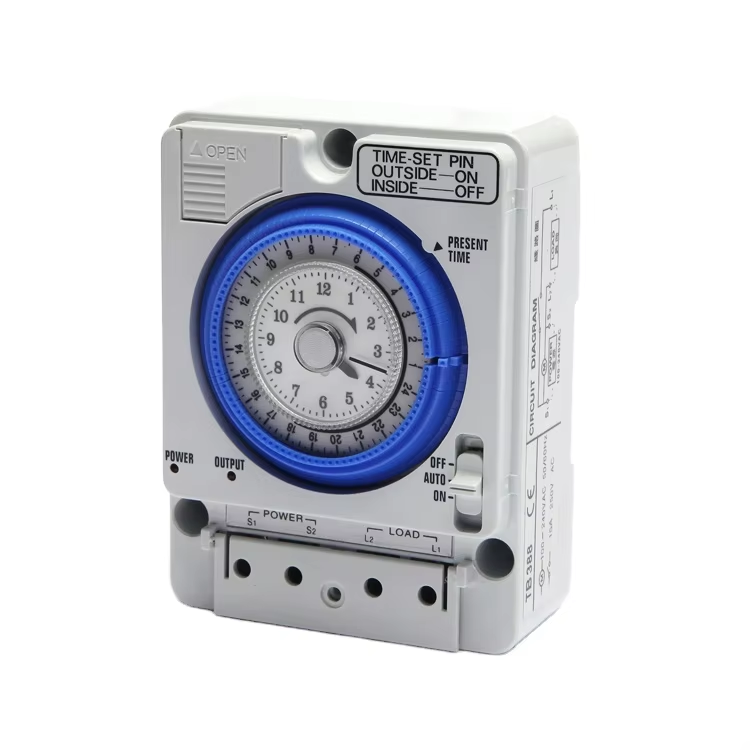
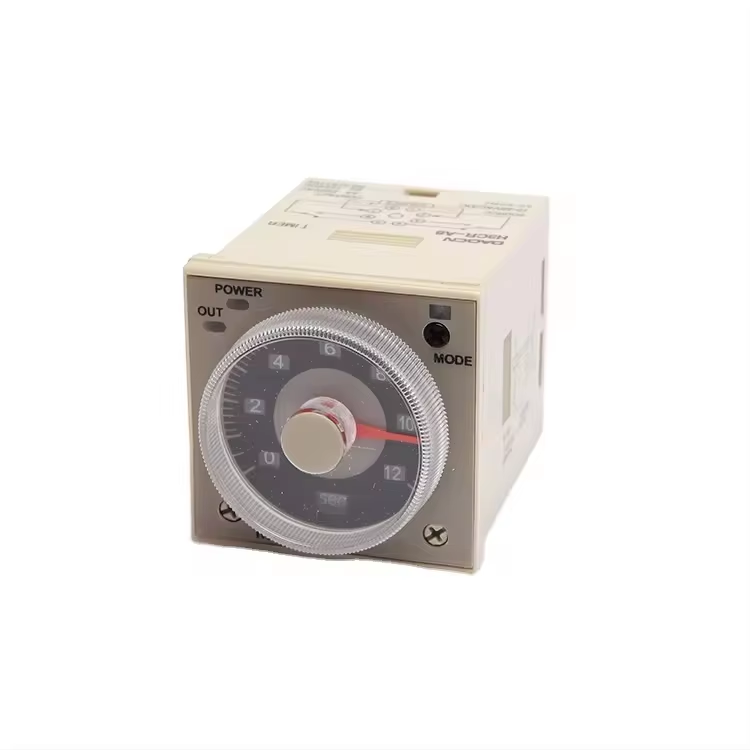
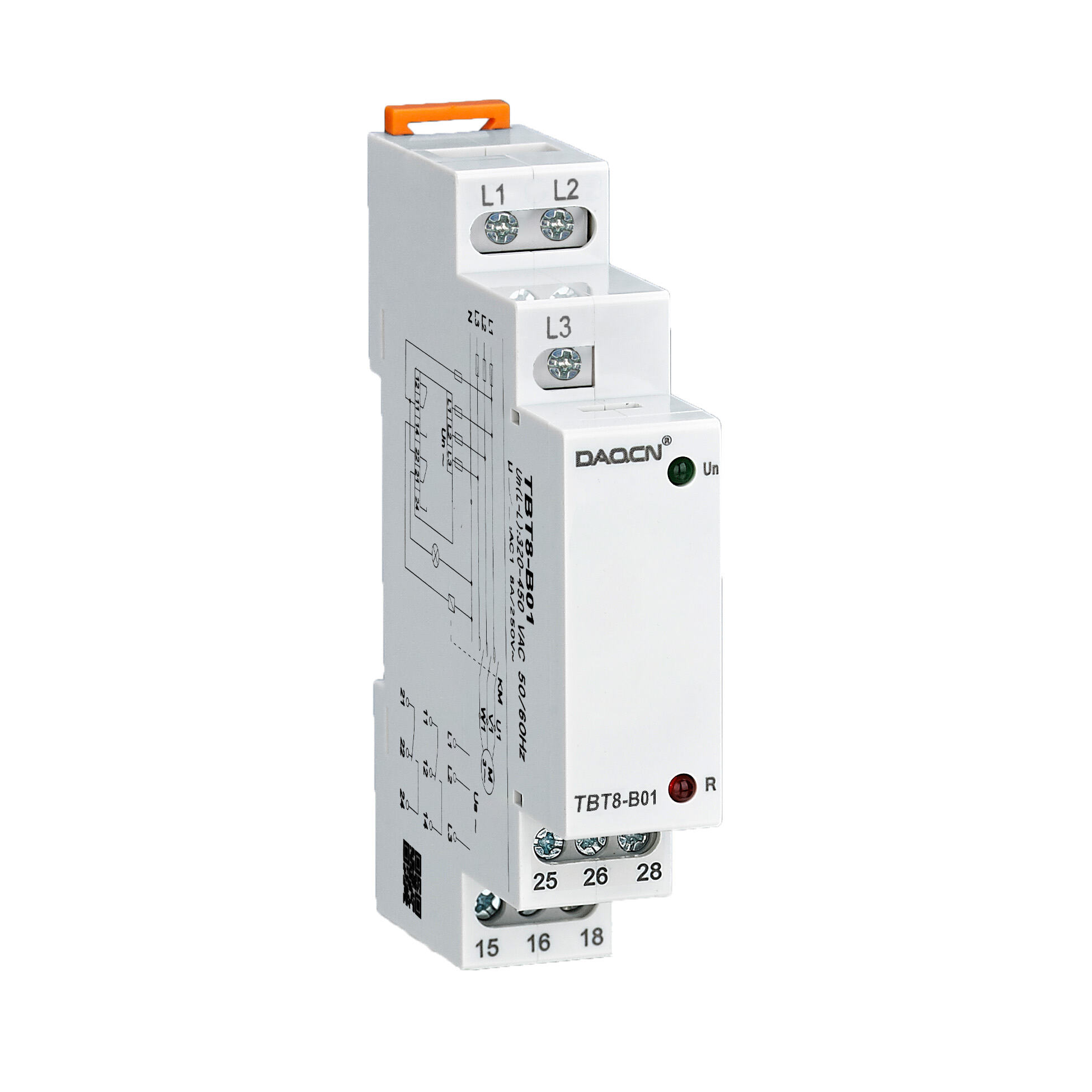
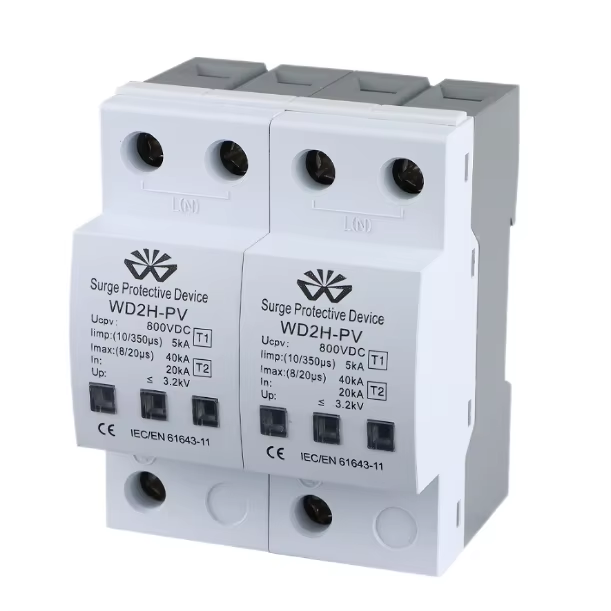
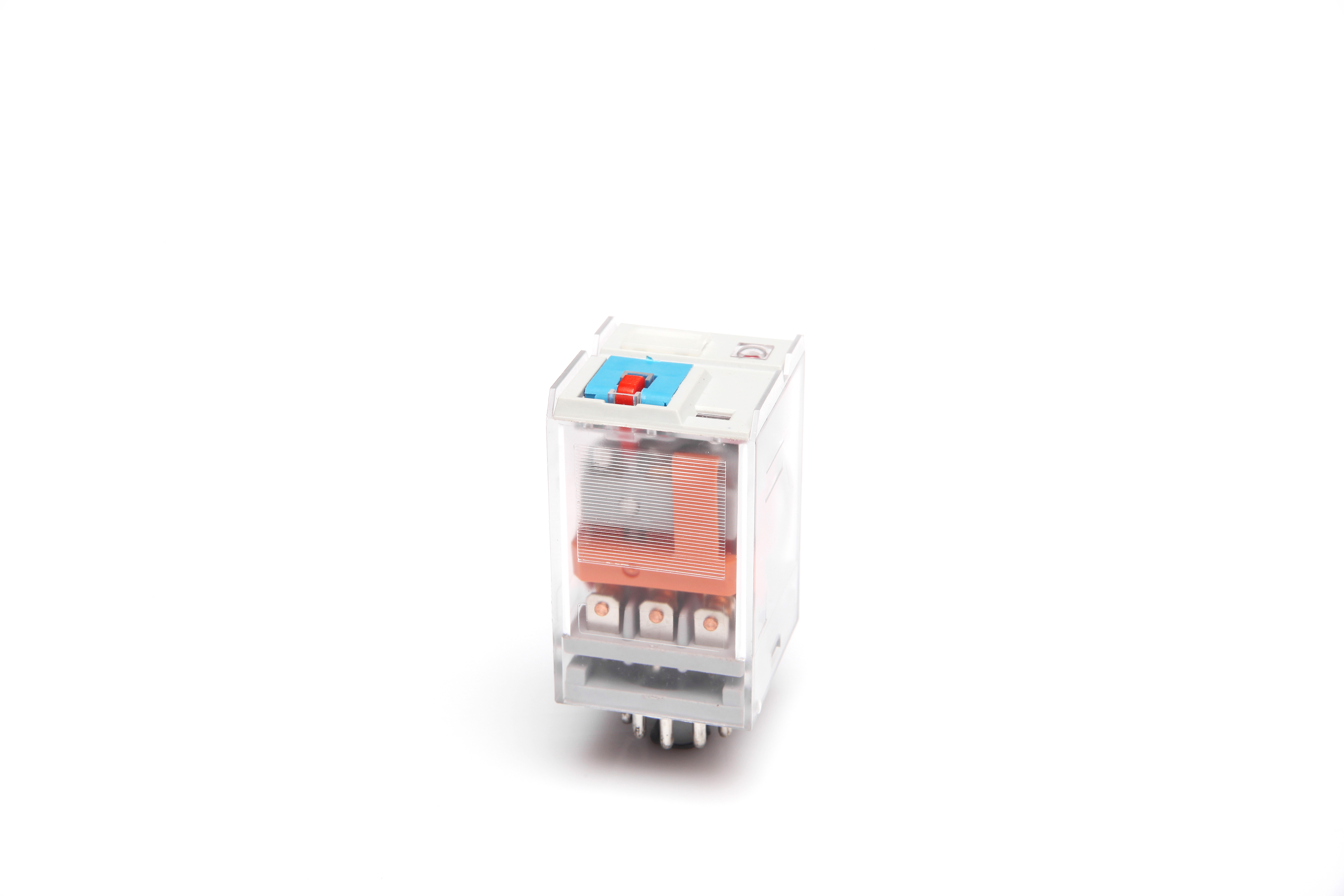
A relay in power system serves as a critical protective device that automatically detects abnormal conditions and initiates corrective actions to maintain electrical grid stability. These sophisticated components monitor various electrical parameters including voltage, current, frequency, and power flow to ensure safe operation of power networks. The relay in power system functions as an intelligent guardian, continuously analyzing electrical conditions and responding within milliseconds when irregularities occur. Modern power system relays utilize advanced microprocessor technology, enabling them to perform complex calculations and implement precise protection algorithms. These devices can differentiate between temporary disturbances and permanent faults, preventing unnecessary outages while ensuring prompt response to genuine threats. The relay in power system operates through current transformers and voltage transformers that provide scaled-down representations of actual system conditions. When predetermined thresholds are exceeded, the relay in power system sends trip signals to circuit breakers, isolating affected sections and preventing cascade failures. Digital relays incorporate multiple protection functions within a single unit, including overcurrent, differential, distance, and directional protection schemes. Communication capabilities allow relay in power system devices to coordinate with other protective equipment, creating comprehensive protection zones throughout the electrical network. These intelligent devices store fault data and provide detailed event logs, facilitating rapid fault diagnosis and system restoration. The relay in power system technology has evolved from electromechanical designs to sophisticated digital platforms offering enhanced accuracy, reliability, and flexibility. Integration with SCADA systems enables remote monitoring and control, allowing operators to adjust protection settings and analyze system performance from centralized control centers. Modern relay in power system solutions support multiple communication protocols and provide cybersecurity features to protect against unauthorized access and cyber threats.

New Product Recommendations

The relay in power system offers numerous practical benefits that directly translate to improved operational efficiency and cost savings for utility companies and industrial facilities. These protective devices significantly reduce equipment damage by detecting faults and initiating isolation procedures before destructive currents can cause permanent harm to expensive transformers, generators, and transmission lines. The relay in power system prevents costly equipment replacement and extends asset lifespan through proactive protection strategies. Reliability represents a major advantage, as relay in power system technology ensures continuous power supply by minimizing outage duration and frequency. When faults occur, these devices respond instantly to isolate affected areas while maintaining power to unaffected regions, reducing customer interruptions and associated revenue losses. The relay in power system enhances safety for maintenance personnel by automatically de-energizing circuits when dangerous conditions are detected, preventing electrical accidents and ensuring compliance with workplace safety regulations. Operating costs decrease substantially when relay in power system devices are properly implemented, as they reduce the need for manual intervention and emergency repairs. These intelligent devices provide detailed diagnostic information that helps maintenance teams identify potential problems before they escalate into major failures. The relay in power system supports predictive maintenance strategies by monitoring equipment health and providing early warning signals when components begin deteriorating. Energy efficiency improves through precise monitoring and control capabilities that optimize power flow and reduce losses throughout the distribution network. The relay in power system enables automatic load shedding during peak demand periods, helping utilities avoid expensive peak power purchases and maintain grid stability. Remote monitoring capabilities reduce operational expenses by eliminating the need for frequent site visits and enabling centralized management of protection systems. The relay in power system provides valuable data for system planning and optimization, allowing engineers to make informed decisions about network upgrades and expansion projects. These devices support renewable energy integration by providing specialized protection functions for solar and wind generation facilities. The relay in power system improves power quality by detecting and responding to voltage fluctuations, harmonics, and other disturbances that can affect sensitive equipment and industrial processes.

Latest News

How does a timer relay control electrical circuits?

25

Dec

How does a timer relay control electrical circuits?

A timer relay serves as a critical component in electrical circuit control systems, providing precise timing functions that enable automated switching operations across numerous industrial and commercial applications. These sophisticated devices comb...
View More
Why choose analog vs digital timer relay systems?

06

Jan

Why choose analog vs digital timer relay systems?

Industrial automation demands precise timing control, and selecting the right timer relay system can significantly impact operational efficiency and maintenance costs. The choice between analog and digital timer relay technologies represents a fundam...
View More
How to select the right timer relay for your project?

06

Jan

How to select the right timer relay for your project?

Selecting the appropriate timer relay for industrial applications requires careful consideration of various technical specifications and operational requirements. A timer relay serves as a critical component in automation systems, controlling time-de...
View More
What is an energy meter and how does it work in 2025?

06

Jan

What is an energy meter and how does it work in 2025?

In today's increasingly connected world, understanding energy consumption has become essential for both residential and commercial applications. An energy meter serves as the fundamental device that measures electrical energy consumption in buildings...
View More

Get a Free Quote

Our representative will contact you soon.
Email
Name
Company Name
Mobile/WhatsApp
Message
0/1000

relay in power system

Advanced Fault Detection and System Protection

Advanced Fault Detection and System Protection

The relay in power system excels in providing sophisticated fault detection capabilities that represent a quantum leap from traditional protection methods. These intelligent devices continuously monitor electrical parameters with unprecedented precision, utilizing advanced algorithms to distinguish between normal system transients and genuine fault conditions. The relay in power system incorporates multiple protection elements within a single unit, including overcurrent, undervoltage, overvoltage, frequency, and phase protection functions. This comprehensive approach ensures that every conceivable fault scenario is addressed, providing multiple layers of security for critical electrical infrastructure. The sophisticated microprocessor-based technology enables the relay in power system to perform complex mathematical calculations in real-time, analyzing waveforms, calculating impedances, and implementing adaptive protection schemes that automatically adjust to changing system conditions. Digital filtering capabilities eliminate noise and interference, ensuring accurate fault detection even in challenging electromagnetic environments. The relay in power system offers customizable time-current characteristics that can be precisely tailored to specific application requirements, optimizing coordination with upstream and downstream protective devices. Advanced communication features enable the relay in power system to share information with other protection equipment, creating intelligent protection networks that can adapt to system topology changes and optimize protection performance. Event recording capabilities capture detailed fault data including pre-fault, during-fault, and post-fault conditions, providing invaluable information for system analysis and improvement. The relay in power system supports multiple setting groups that can be automatically selected based on system operating conditions, seasonal variations, or maintenance schedules. Self-monitoring functions continuously verify the integrity of the relay in power system hardware and software, alerting operators to any potential issues that could compromise protection performance. These devices incorporate backup protection functions that activate if primary protection fails, ensuring that faults are always cleared even under adverse conditions. The relay in power system technology includes advanced features such as broken conductor detection, load encroachment protection, and out-of-step protection that address specific power system challenges.

Seamless Integration and Communication Excellence

Seamless Integration and Communication Excellence

The relay in power system demonstrates exceptional integration capabilities that enable seamless connectivity with modern power system infrastructure and communication networks. These advanced devices support multiple industry-standard communication protocols including IEC 61850, DNP3, Modbus, and Ethernet-based solutions, ensuring compatibility with existing SCADA systems and future smart grid implementations. The relay in power system facilitates real-time data exchange with control centers, enabling operators to monitor system status, adjust protection settings, and analyze performance metrics remotely. This connectivity eliminates the need for physical site visits for routine maintenance and configuration changes, significantly reducing operational costs and improving response times. The relay in power system incorporates built-in web servers that provide intuitive graphical interfaces for local and remote access, allowing authorized personnel to configure settings, review event logs, and perform diagnostics using standard web browsers. Time synchronization capabilities ensure that all relay in power system devices maintain accurate timestamps, enabling precise sequence of events analysis and coordinated protection schemes across the entire network. The devices support automatic report generation and data logging functions that compile operational statistics, fault summaries, and performance metrics for regulatory compliance and system optimization purposes. The relay in power system offers flexible input and output configurations that accommodate various voltage and current levels, enabling standardized protection solutions across diverse applications. Cybersecurity features including user authentication, data encryption, and access control ensure that relay in power system communications remain secure against unauthorized access and cyber threats. The devices support redundant communication paths and automatic failover mechanisms that maintain connectivity even during communication network disruptions. Integration with asset management systems enables the relay in power system to contribute valuable operational data for lifecycle management and maintenance planning decisions. The relay in power system supports firmware updates and configuration changes through secure remote connections, ensuring that protection systems remain current with the latest features and security patches. These devices can interface with renewable energy sources, energy storage systems, and electric vehicle charging infrastructure, supporting the evolution toward sustainable power systems.
Cost-Effective Operation and Maintenance Benefits

Cost-Effective Operation and Maintenance Benefits

The relay in power system delivers substantial economic advantages through reduced operational expenses and optimized maintenance strategies that provide excellent return on investment for power system operators. These intelligent devices eliminate the need for multiple single-function relays by incorporating comprehensive protection, control, and monitoring capabilities within a single compact unit, reducing installation costs, panel space requirements, and wiring complexity. The relay in power system significantly decreases maintenance expenses through self-diagnostic capabilities that continuously monitor internal components and alert operators to potential issues before they result in protection system failures. Predictive maintenance features analyze historical data and operating conditions to recommend optimal maintenance schedules, reducing unnecessary service visits while ensuring peak protection performance. The relay in power system provides detailed fault analysis and system disturbance records that enable maintenance teams to quickly identify and resolve problems, minimizing system downtime and associated revenue losses. Remote configuration and monitoring capabilities eliminate the need for technicians to travel to remote substations for routine maintenance tasks, reducing labor costs and improving technician safety. The relay in power system supports condition-based maintenance strategies by monitoring the health of protected equipment and providing early warning indicators when components begin showing signs of deterioration. Energy efficiency improvements result from optimized protection settings and load management functions that reduce system losses and improve overall network performance. The relay in power system enables automatic load transfer and system reconfiguration functions that maintain service continuity during planned maintenance activities, reducing customer interruptions and associated penalties. These devices provide valuable data for asset management systems, enabling utilities to make informed decisions about equipment replacement timing and investment priorities. The relay in power system supports multiple protection schemes and operating modes that can be automatically selected based on system conditions, eliminating the need for manual switching and reducing human error potential. Long-term reliability and extended service life of relay in power system technology provide excellent value proposition compared to traditional electromechanical devices that require frequent calibration and component replacement. The devices facilitate compliance with industry standards and regulatory requirements through automated reporting and documentation features that reduce administrative burden on utility personnel. Training costs are minimized through intuitive user interfaces and standardized operation procedures that reduce the learning curve for maintenance and operations staff working with relay in power system technology.

Get a Free Quote

Our representative will contact you soon.
Email
Name
Company Name
Mobile/WhatsApp
Message
0/1000