Plug In Relay Solutions - Reliable Electrical Switching Components for Industrial Applications

All Categories

Get a Free Quote

Our representative will contact you soon.
Email
Name
Company Name
Mobile/WhatsApp
Message
0/1000

plug in relay

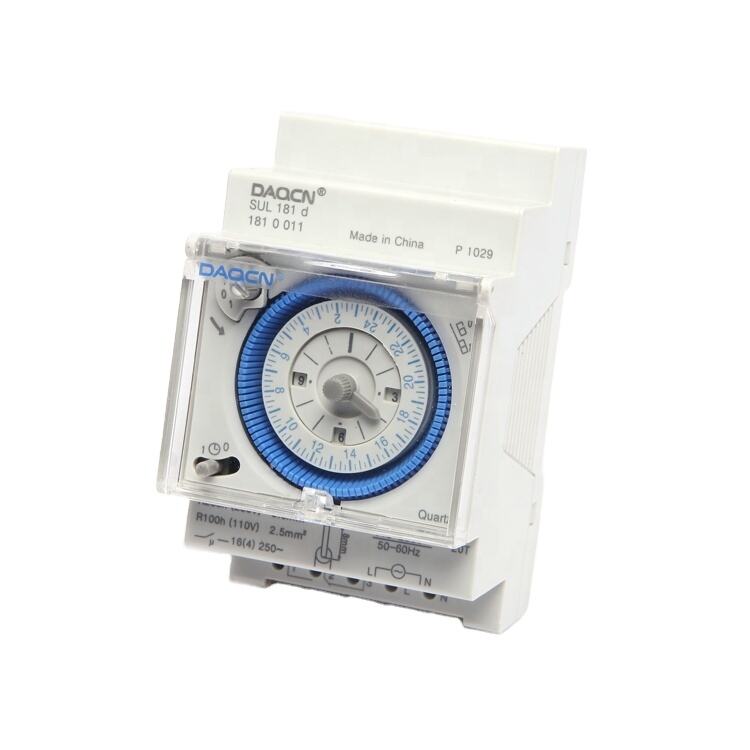
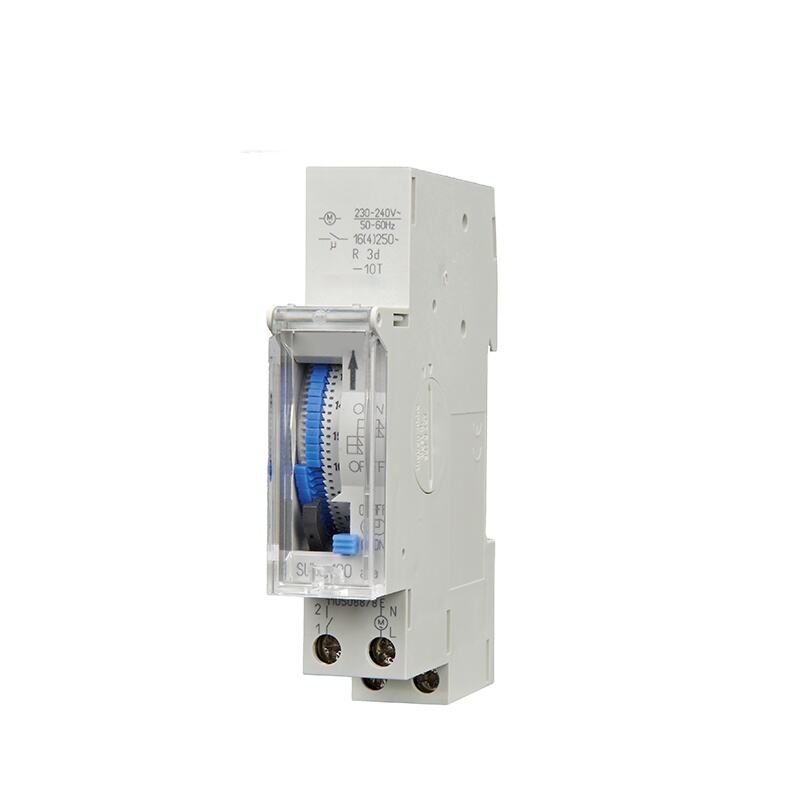
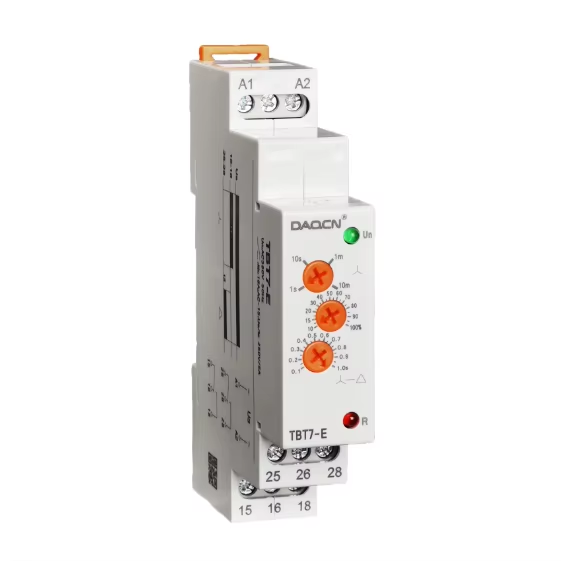
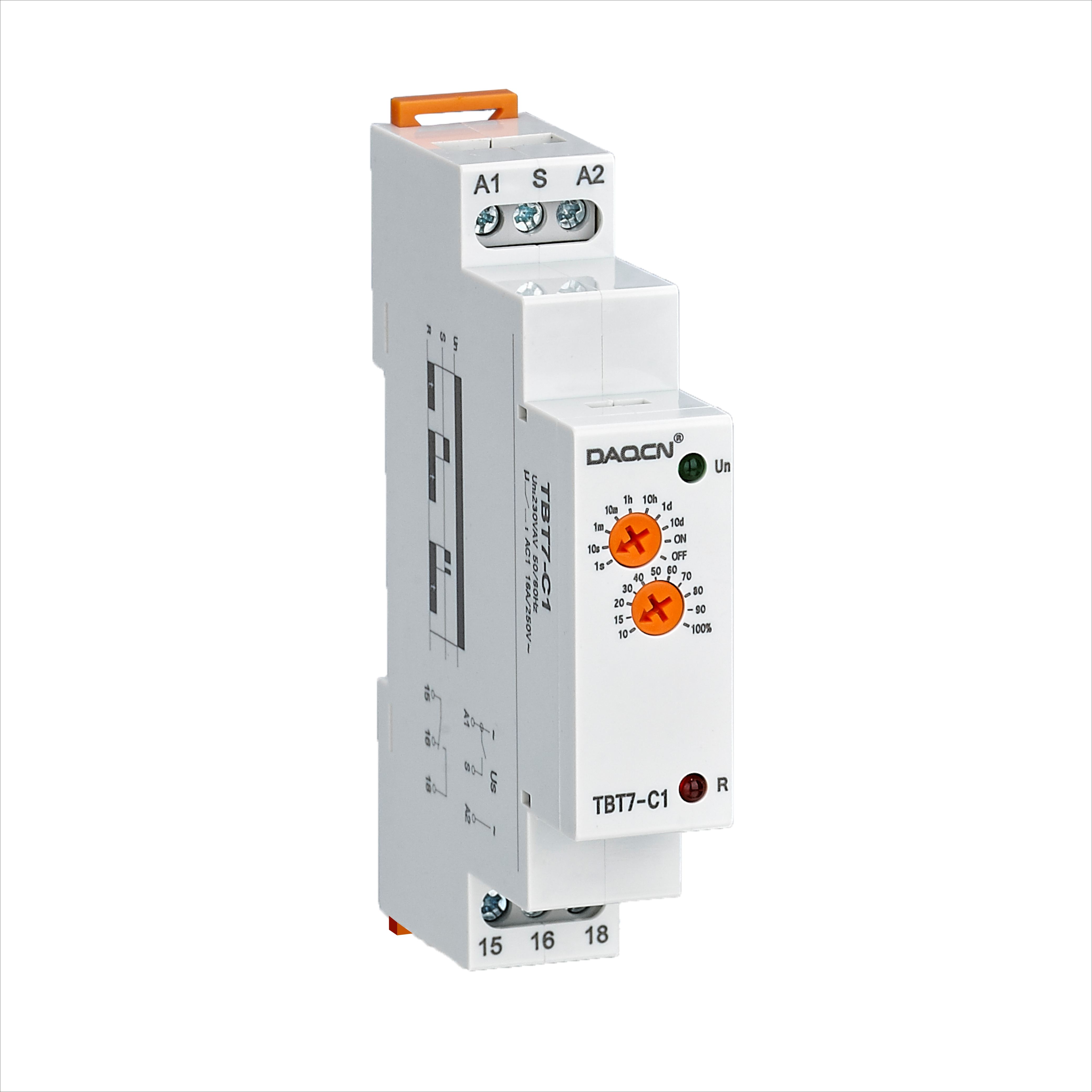
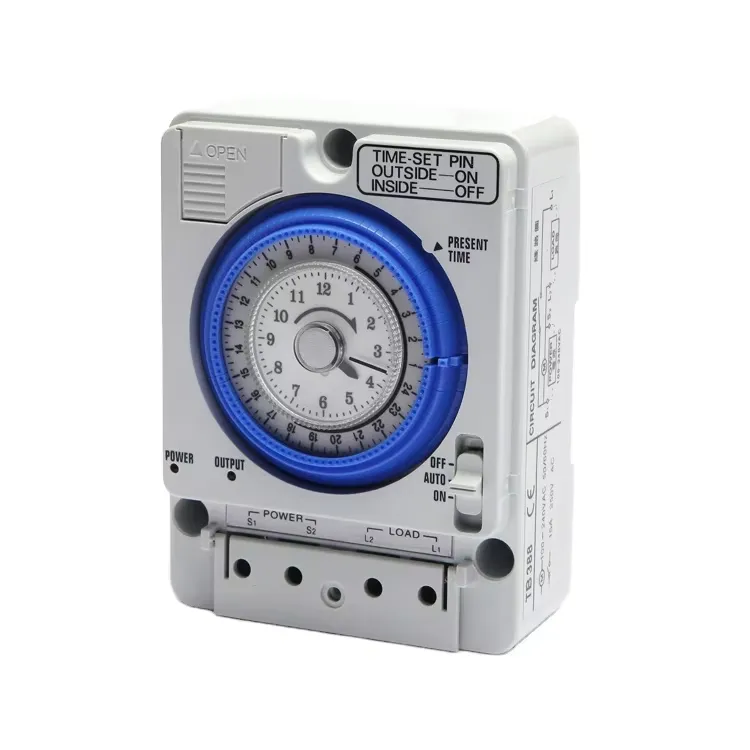
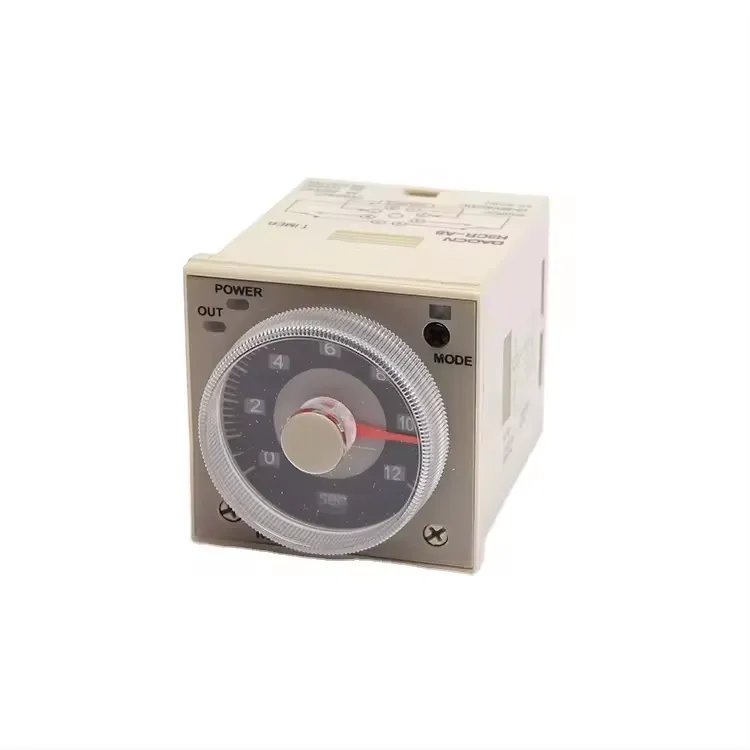
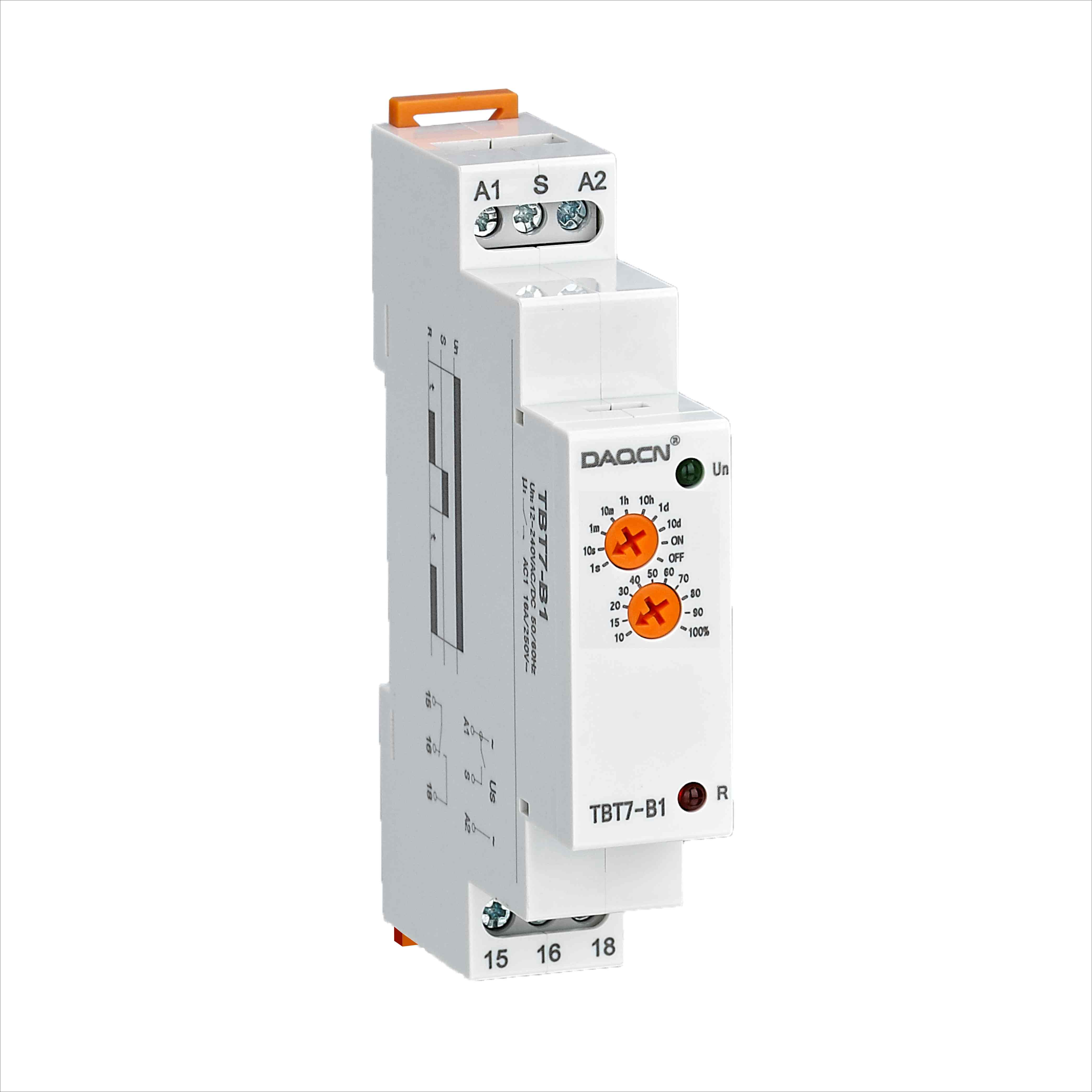
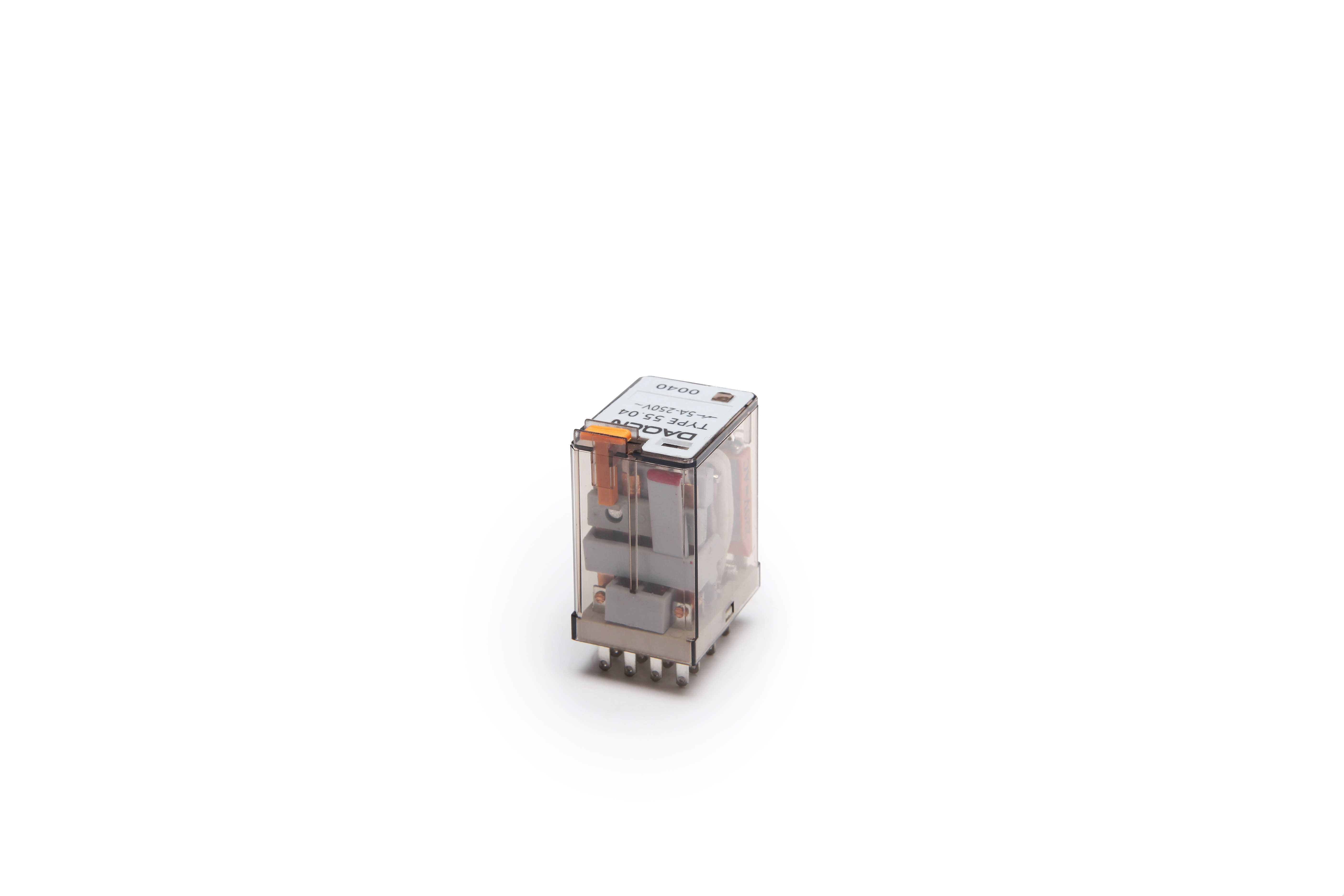
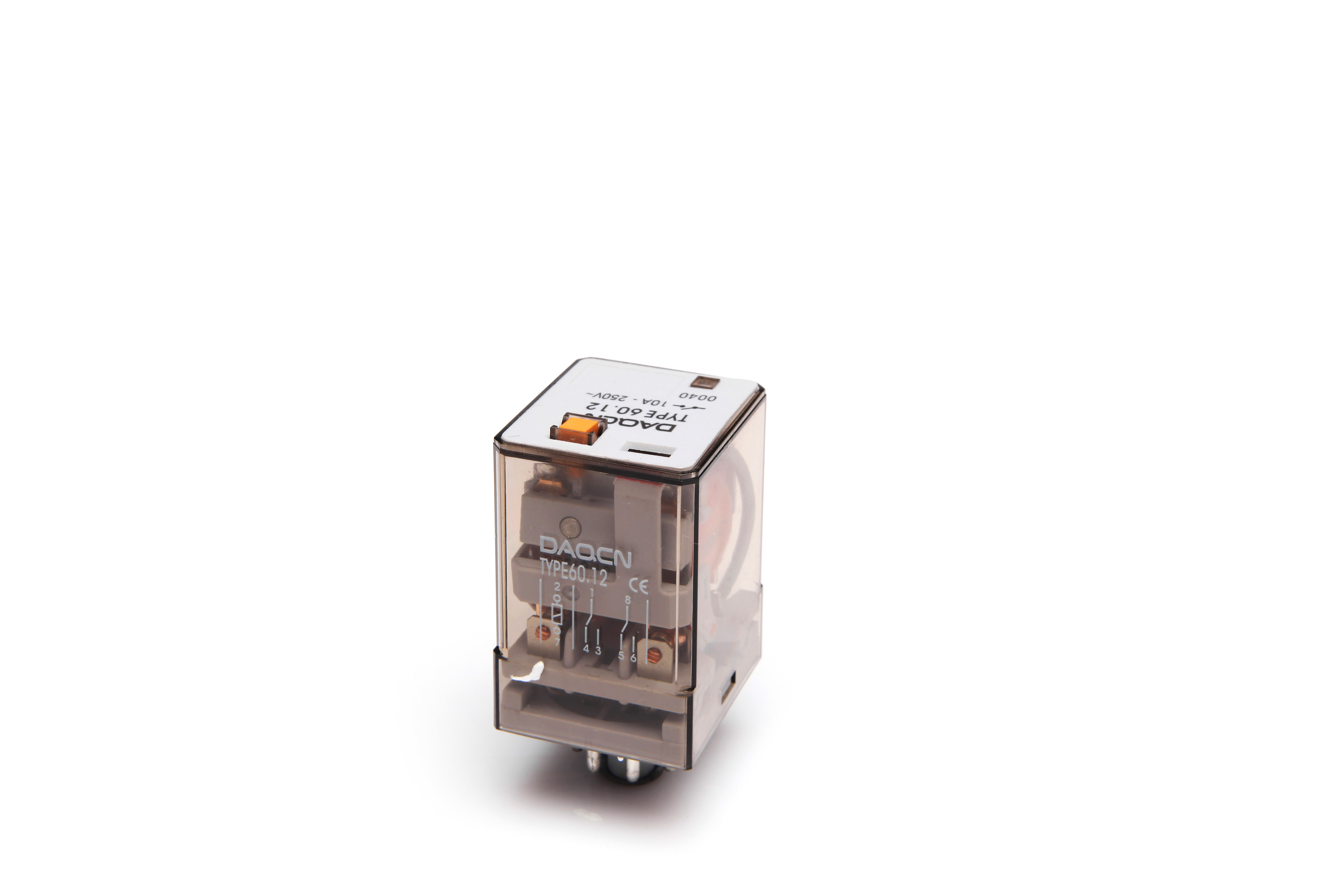
A plug in relay represents a fundamental electrical switching component designed to control high-power circuits through low-power signal inputs. This versatile device operates as an electromagnetic switch that enables or disables electrical connections based on control signals, making it essential for automation systems, industrial equipment, and various electronic applications. The plug in relay distinguishes itself through its modular design, which allows for easy installation and replacement without requiring permanent wiring connections. This component typically consists of an electromagnetic coil, contact sets, and a standardized base that facilitates quick mounting into compatible sockets. When the coil receives an electrical signal, it generates a magnetic field that actuates the internal contacts, either opening or closing the circuit path. The plug in relay offers multiple contact configurations, including normally open, normally closed, and changeover arrangements, providing flexibility for diverse switching requirements. Modern plug in relay units incorporate advanced materials and precision manufacturing techniques to ensure reliable performance across extended operational periods. These devices feature robust construction that withstands environmental challenges such as temperature fluctuations, vibration, and electrical stress. The standardized socket interface enables technicians to replace faulty units quickly, minimizing system downtime and maintenance costs. Many plug in relay models include LED indicators that provide visual confirmation of operational status, enhancing troubleshooting capabilities. The compact form factor of the plug in relay makes it suitable for space-constrained installations while maintaining excellent electrical performance characteristics. These components support various voltage ratings and current capacities, accommodating both low-voltage control circuits and high-power load switching applications.

New Product Releases

The plug in relay delivers exceptional value through its simplified installation process that eliminates complex wiring procedures. Users can mount these devices into standardized sockets within seconds, dramatically reducing installation time compared to traditional hardwired alternatives. This quick-connect capability translates to significant labor cost savings during initial system setup and subsequent maintenance operations. The modular nature of the plug in relay enables technicians to carry spare units for immediate replacement when failures occur, ensuring minimal system disruption. This replaceability advantage proves especially valuable in critical applications where downtime costs escalate rapidly. The plug in relay provides superior circuit isolation between control and load circuits, enhancing system safety and preventing electrical interference. This isolation protects sensitive control equipment from high-voltage transients and electrical noise generated by switched loads. Users benefit from the plug in relay's ability to amplify low-power control signals to switch high-power loads, enabling efficient system architectures that separate control logic from power switching functions. The standardized dimensions and pin configurations of plug in relay units ensure compatibility across different manufacturers, providing procurement flexibility and reducing inventory complexity. These devices offer excellent contact reliability through precision-manufactured switching elements that maintain consistent performance over millions of operational cycles. The plug in relay incorporates arc suppression features that protect contacts during switching operations, extending service life and maintaining switching accuracy. Visual indicators integrated into many plug in relay models provide immediate operational feedback, simplifying system diagnostics and troubleshooting procedures. The compact design optimizes panel space utilization while maintaining robust electrical performance characteristics. Temperature compensation features ensure consistent operation across wide environmental ranges, making the plug in relay suitable for demanding industrial environments. The low coil power consumption of modern plug in relay designs reduces system energy requirements and heat generation, contributing to overall system efficiency and reliability.

Latest News

How does a timer relay control electrical circuits?

25

Dec

How does a timer relay control electrical circuits?

A timer relay serves as a critical component in electrical circuit control systems, providing precise timing functions that enable automated switching operations across numerous industrial and commercial applications. These sophisticated devices comb...
View More
When should you use a timer relay for automation?

25

Dec

When should you use a timer relay for automation?

Industrial automation systems require precise timing control to ensure optimal performance, safety, and efficiency across manufacturing processes. A timer relay serves as a crucial component in these systems, providing accurate time-based switching c...
View More
Why choose analog vs digital timer relay systems?

06

Jan

Why choose analog vs digital timer relay systems?

Industrial automation demands precise timing control, and selecting the right timer relay system can significantly impact operational efficiency and maintenance costs. The choice between analog and digital timer relay technologies represents a fundam...
View More
How to choose the right relay for industrial automation?

06

Jan

How to choose the right relay for industrial automation?

Industrial automation systems rely heavily on precise electrical control components, with the relay serving as one of the most fundamental switching devices. Understanding how to select the appropriate relay for your automation application can signif...
View More

Get a Free Quote

Our representative will contact you soon.
Email
Name
Company Name
Mobile/WhatsApp
Message
0/1000

plug in relay

Universal Socket Compatibility and Quick Installation

Universal Socket Compatibility and Quick Installation

The plug in relay achieves remarkable versatility through its standardized socket interface that accommodates various mounting configurations across different applications. This universal compatibility stems from adherence to international standards that govern pin arrangements, spacing, and mechanical dimensions, ensuring seamless integration with existing control panels and automation systems. The standardized approach eliminates the need for custom mounting solutions or specialized installation procedures, allowing technicians to deploy plug in relay units quickly and efficiently. The socket-based mounting system provides secure mechanical retention while enabling tool-free installation and removal, significantly reducing maintenance time and associated costs. This design philosophy extends to electrical connections, where standardized pin assignments ensure consistent wiring practices across different relay models and manufacturers. The plug in relay socket interface incorporates spring-loaded contacts that maintain reliable electrical connections despite vibration and thermal cycling, common challenges in industrial environments. The visual alignment features built into the socket design prevent incorrect insertion, protecting both the relay and associated circuitry from potential damage. Many plug in relay sockets include retention clips or locking mechanisms that provide additional security against accidental disconnection during operation or maintenance activities. The standardized socket approach facilitates inventory management by reducing the variety of mounting hardware required for different applications. Technicians appreciate the ability to interchange plug in relay units between similar applications without rewiring, providing operational flexibility and reducing spare parts inventory requirements. The socket design also incorporates strain relief features that protect connection integrity under mechanical stress, ensuring long-term reliability in demanding environments.
Advanced Contact Technology and Switching Performance

Advanced Contact Technology and Switching Performance

The plug in relay incorporates cutting-edge contact technology that delivers exceptional switching performance across diverse electrical loads and operating conditions. Modern contact materials utilize silver alloy compositions that provide superior conductivity, corrosion resistance, and arc suppression characteristics compared to traditional contact materials. These advanced materials maintain low contact resistance throughout the operational life of the plug in relay, ensuring consistent voltage drop and power dissipation characteristics. The contact design incorporates multiple contact points per pole, distributing electrical stress and enhancing overall reliability through redundancy. Spring-loaded contact mechanisms maintain consistent contact pressure despite wear and environmental factors, preserving electrical performance over extended service periods. The plug in relay features precisely calibrated contact gap dimensions that optimize arc extinction while minimizing contact bounce during switching transitions. Advanced arc suppression techniques, including magnetic blowout and specialized contact chamber designs, protect contact surfaces from electrical erosion and welding. These protective measures extend contact life significantly, reducing maintenance requirements and ensuring consistent switching performance throughout the relay's operational life. The contact system design accommodates both resistive and inductive loads, providing versatility for various applications including motor control, lighting systems, and solenoid actuation. Specialized contact coatings resist oxidation and contamination, maintaining reliable electrical connections even in harsh environmental conditions. The plug in relay contact system undergoes rigorous testing to verify performance under extreme conditions including high current switching, rapid cycling, and environmental stress. Quality control procedures ensure that each plug in relay meets or exceeds specified electrical and mechanical performance parameters before shipment.
Intelligent Monitoring and Diagnostic Capabilities

Intelligent Monitoring and Diagnostic Capabilities

Modern plug in relay designs integrate sophisticated monitoring and diagnostic features that enhance system reliability and simplify maintenance procedures. These intelligent capabilities include built-in LED indicators that provide immediate visual feedback regarding coil energization status, contact position, and fault conditions. The diagnostic features enable maintenance personnel to assess plug in relay performance without specialized test equipment, facilitating rapid troubleshooting and system optimization. Advanced plug in relay models incorporate electronic monitoring circuits that track operational parameters including switching cycles, contact resistance, and coil current consumption. This data collection capability enables predictive maintenance strategies that identify potential failures before they impact system operation. The monitoring system can detect contact wear, coil degradation, and environmental stress factors that affect plug in relay performance, providing early warning of impending maintenance requirements. Some plug in relay variants include communication interfaces that enable integration with building management systems or industrial control networks, providing remote monitoring and control capabilities. These networked systems allow operators to monitor plug in relay status from central control locations, enhancing system visibility and operational efficiency. The diagnostic capabilities extend to fault detection and reporting, where the plug in relay can identify and communicate various error conditions including coil open circuits, contact welding, and excessive switching frequency. Self-diagnostic routines verify internal component integrity and report any deviations from normal operating parameters. The intelligent features also include adjustable timing functions that optimize switching performance for specific applications, reducing electrical stress and extending component life. Energy monitoring capabilities track power consumption and switching efficiency, providing data for system optimization and energy management initiatives. These advanced features transform the traditional plug in relay from a simple switching device into an intelligent system component that contributes to overall system reliability and operational efficiency.

Get a Free Quote

Our representative will contact you soon.
Email
Name
Company Name
Mobile/WhatsApp
Message
0/1000