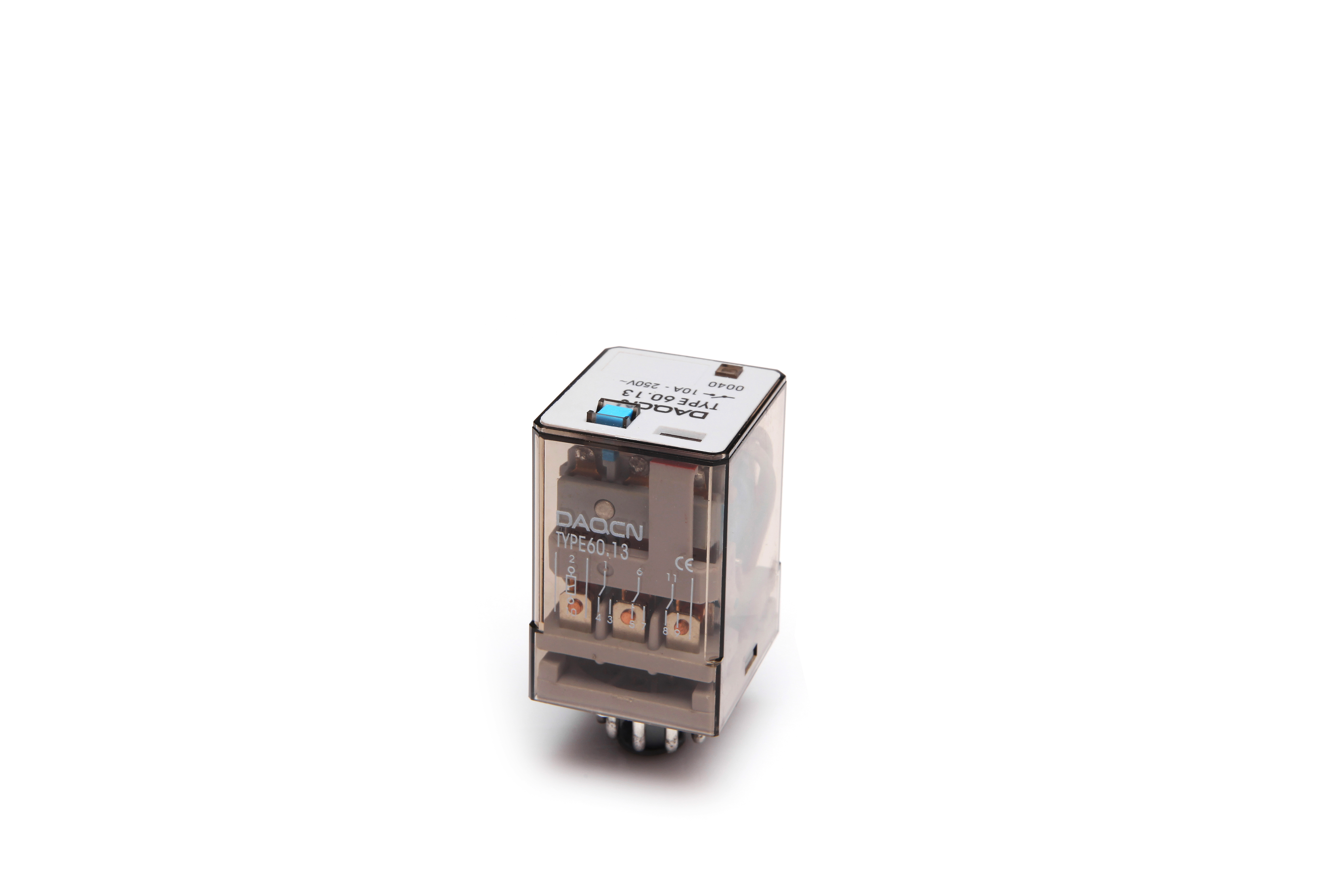
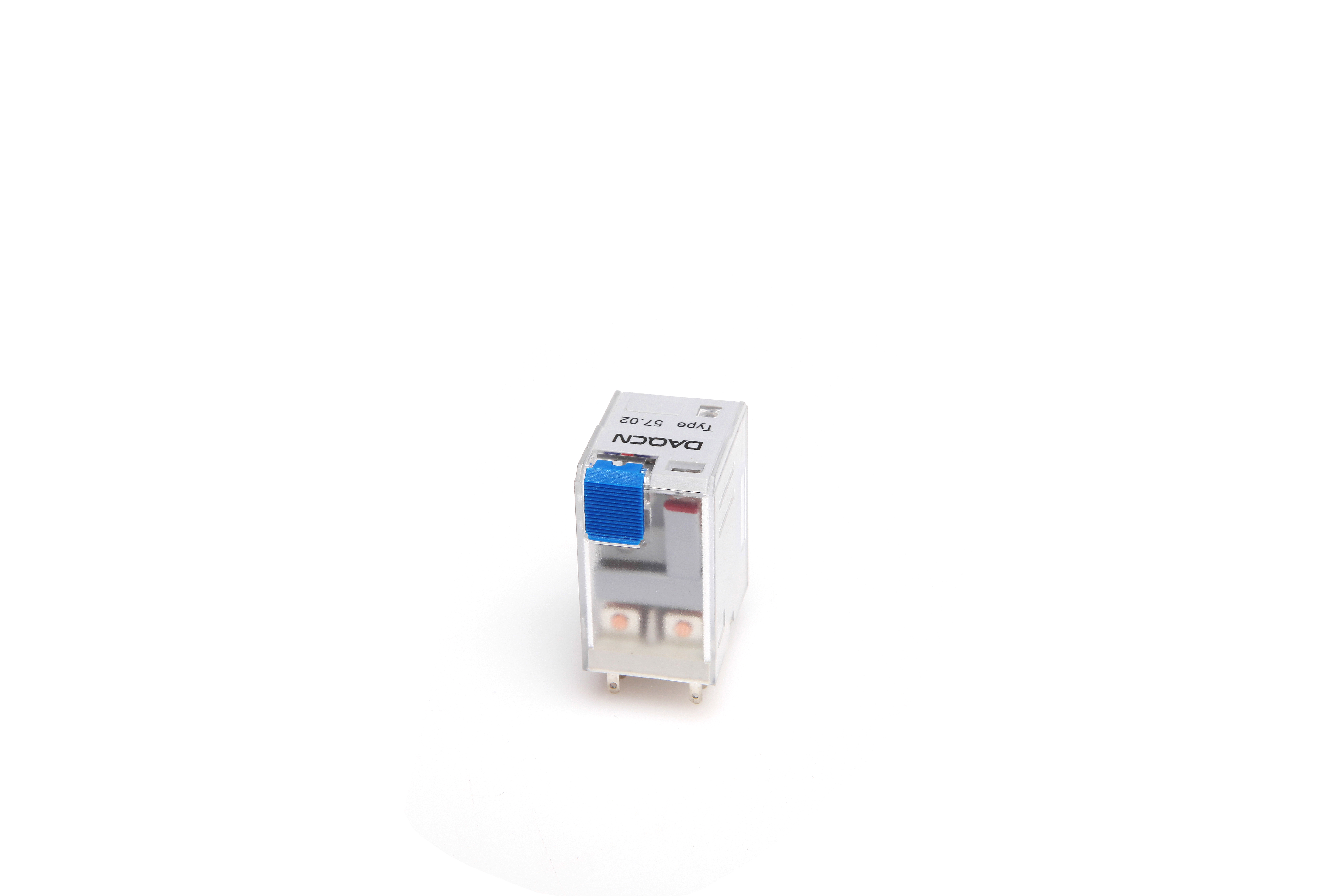
star-delta relay
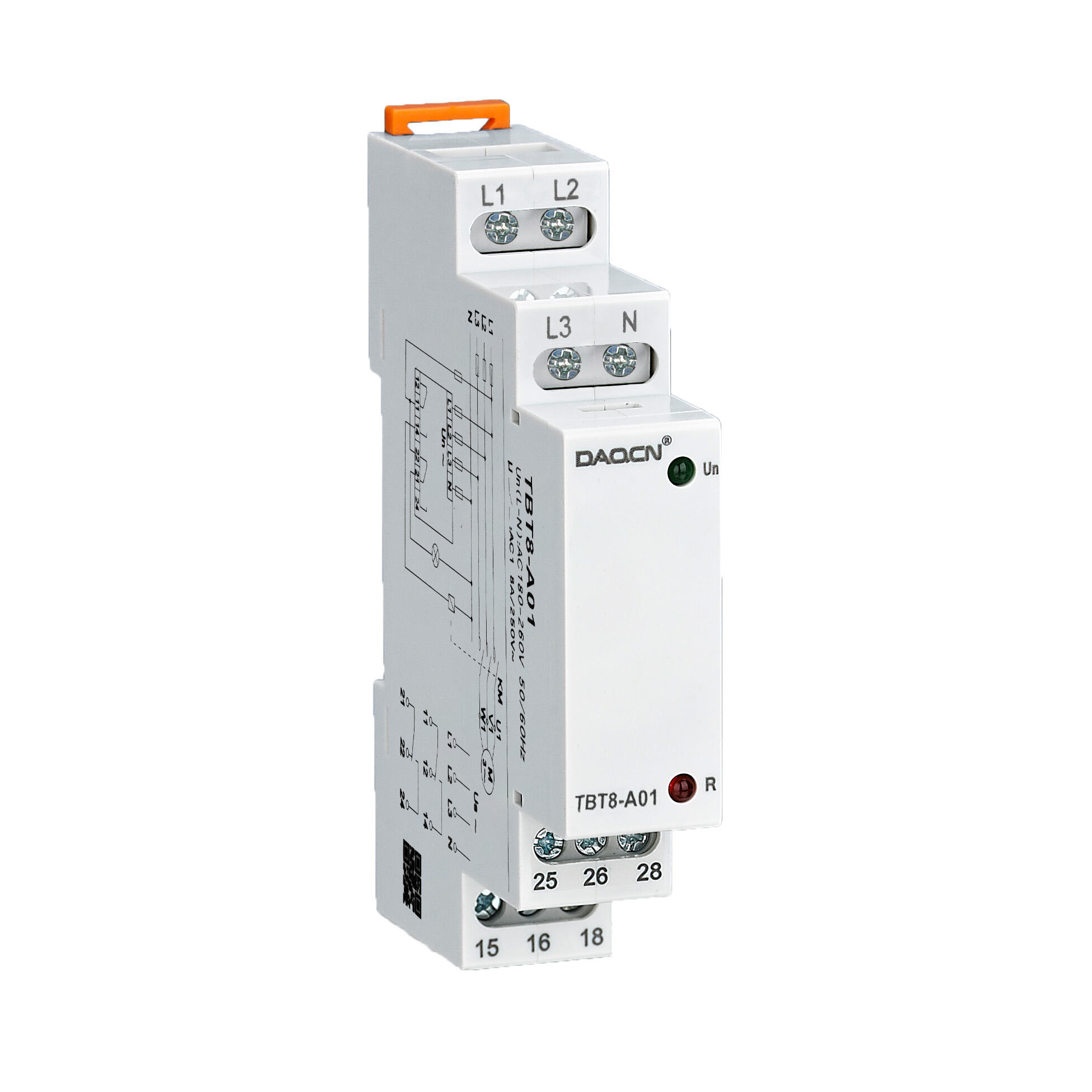
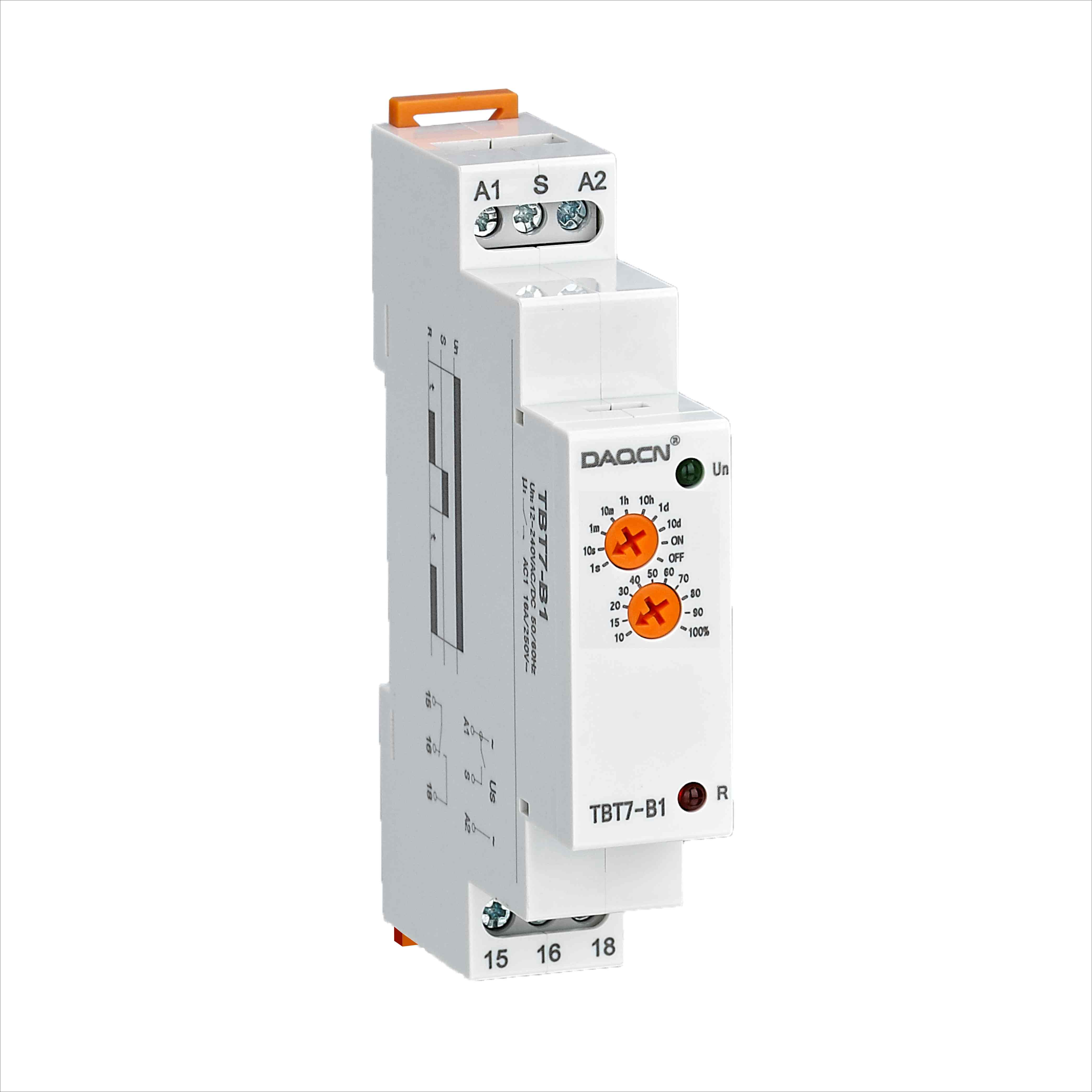
The star-delta relay represents a sophisticated motor control solution designed to manage three-phase induction motors efficiently. This innovative relay system operates by initially starting the motor in star configuration, then automatically switching to delta configuration once the motor reaches optimal operating conditions. The star-delta relay serves as an essential component in industrial automation, providing controlled motor starting sequences that protect both equipment and electrical infrastructure. The primary function of this relay involves reducing the initial starting current draw, which typically reaches six to eight times the normal operating current in direct-on-line starting methods. By implementing a star-delta starting sequence, the relay limits initial current to approximately one-third of normal starting current, significantly reducing stress on electrical components. The technological architecture incorporates timer mechanisms, contactors, and switching logic that coordinate the transition between star and delta configurations. During star configuration, motor windings receive reduced voltage, allowing gradual acceleration while minimizing electrical and mechanical stress. The automatic transition to delta configuration occurs after a predetermined time interval, enabling the motor to achieve full operational capacity. Modern star-delta relay systems feature adjustable timing parameters, allowing customization based on specific motor characteristics and application requirements. These relays integrate seamlessly with various motor protection devices, including thermal overload relays and circuit breakers, creating comprehensive motor control solutions. The relay's design accommodates different voltage ratings and motor sizes, making it versatile across numerous industrial applications. Advanced models incorporate digital displays, diagnostic capabilities, and communication interfaces for integration with supervisory control systems. The star-delta relay's compact design facilitates easy installation in control panels while maintaining reliable operation under demanding industrial conditions. This technology proves particularly valuable in applications requiring frequent motor starting cycles or where electrical infrastructure limitations necessitate reduced starting current demands.
 EN
EN