Pilot Relay Solutions: Advanced Control Technology for Industrial Automation Systems

All Categories

Get a Free Quote

Our representative will contact you soon.
Email
Name
Company Name
Mobile/WhatsApp
Message
0/1000

pilot relay

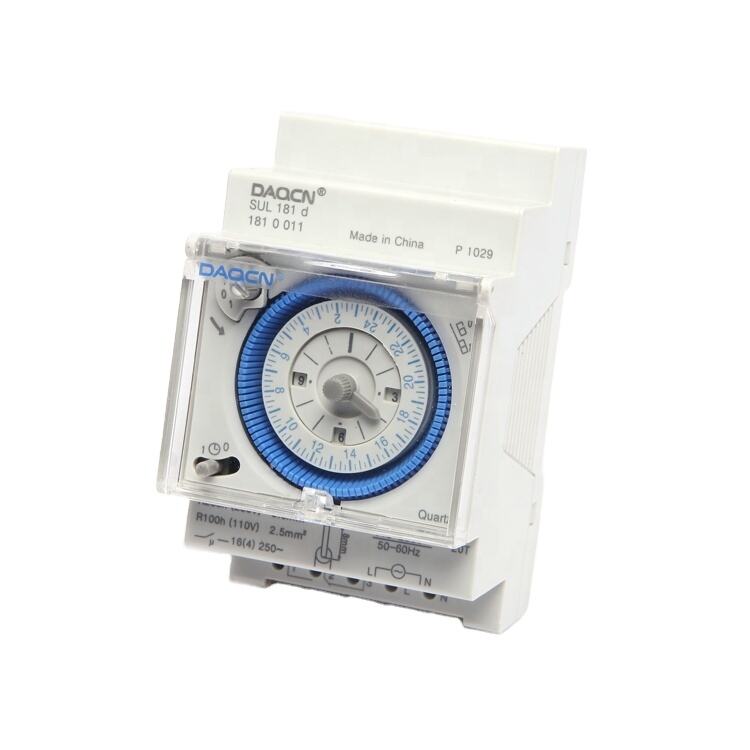
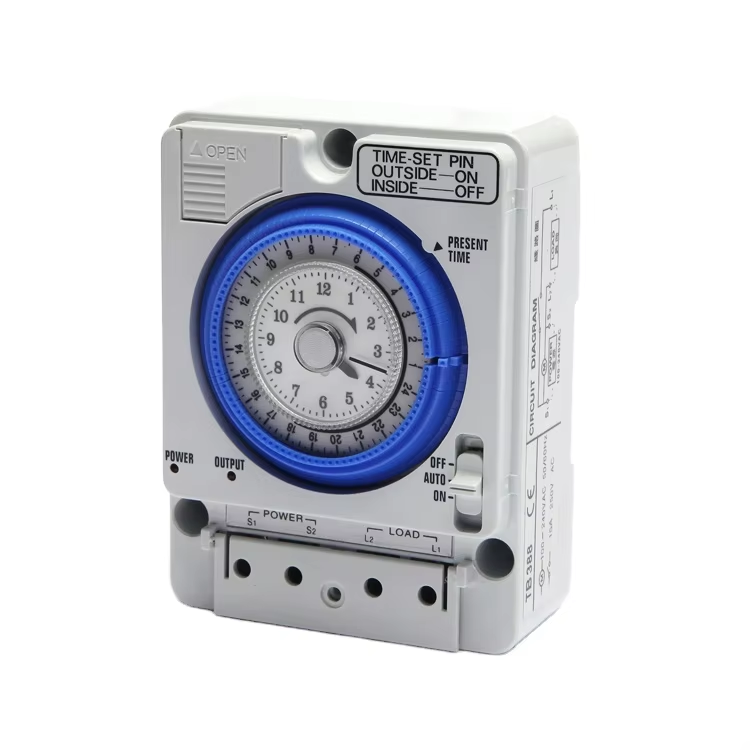
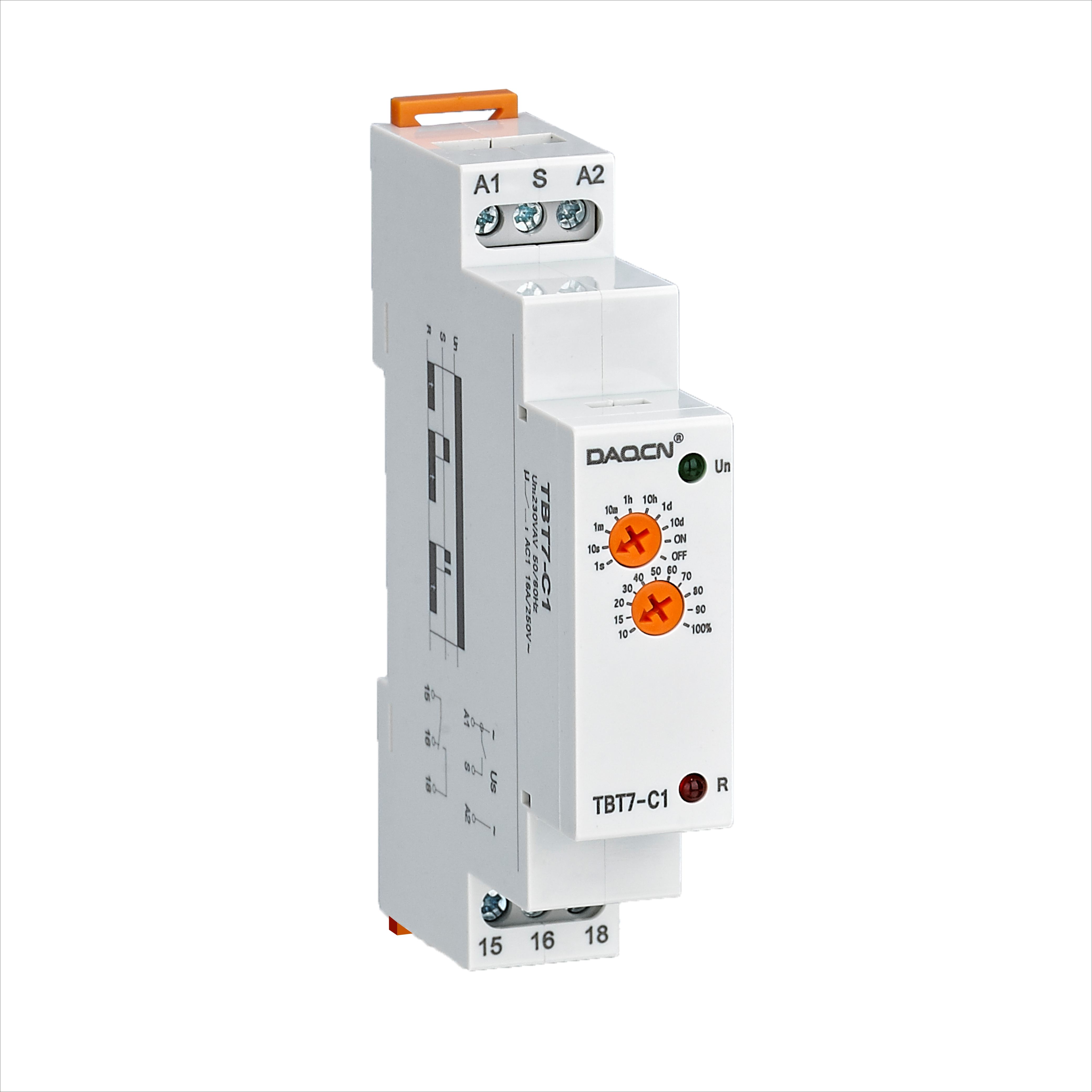
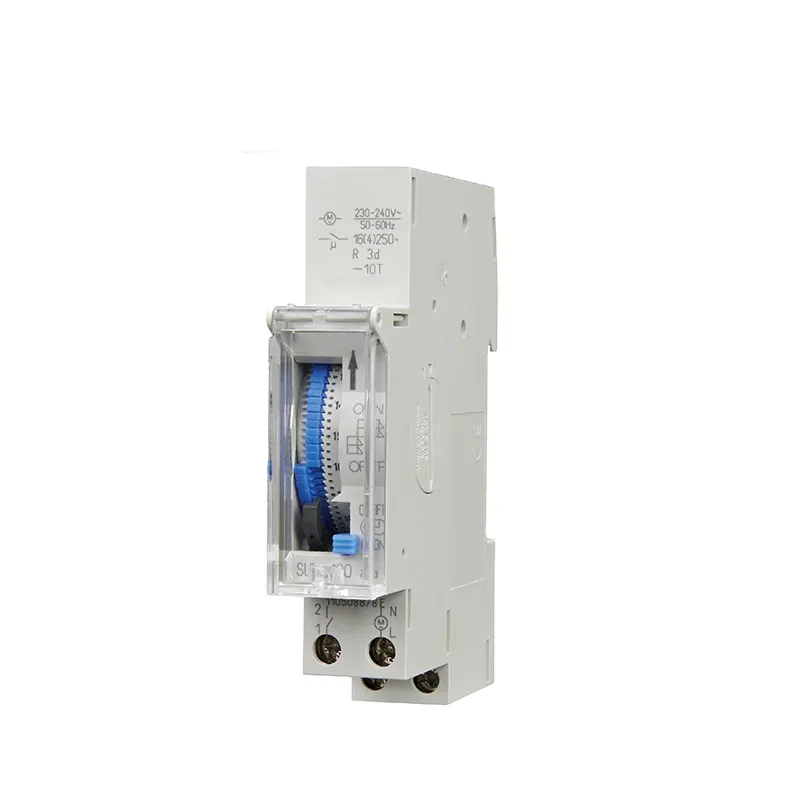
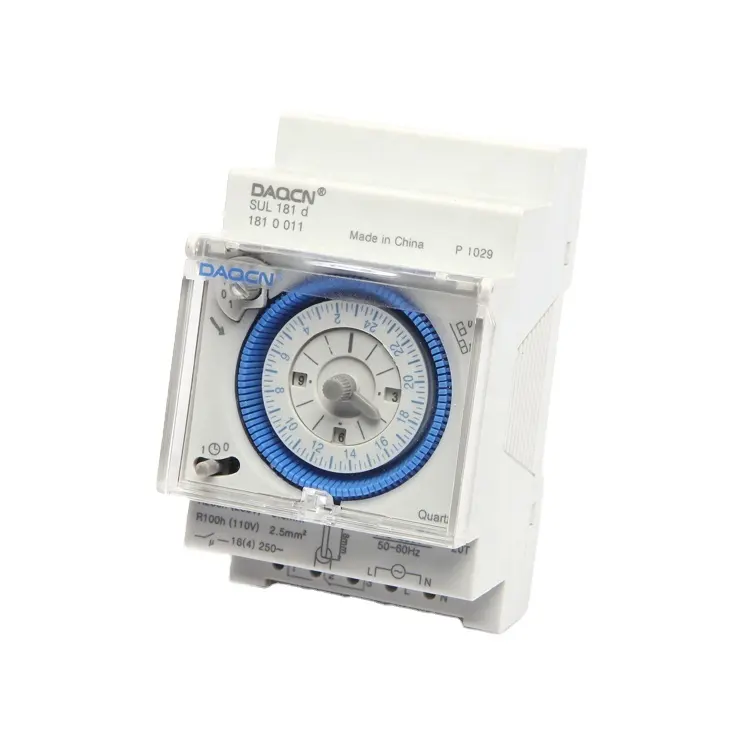
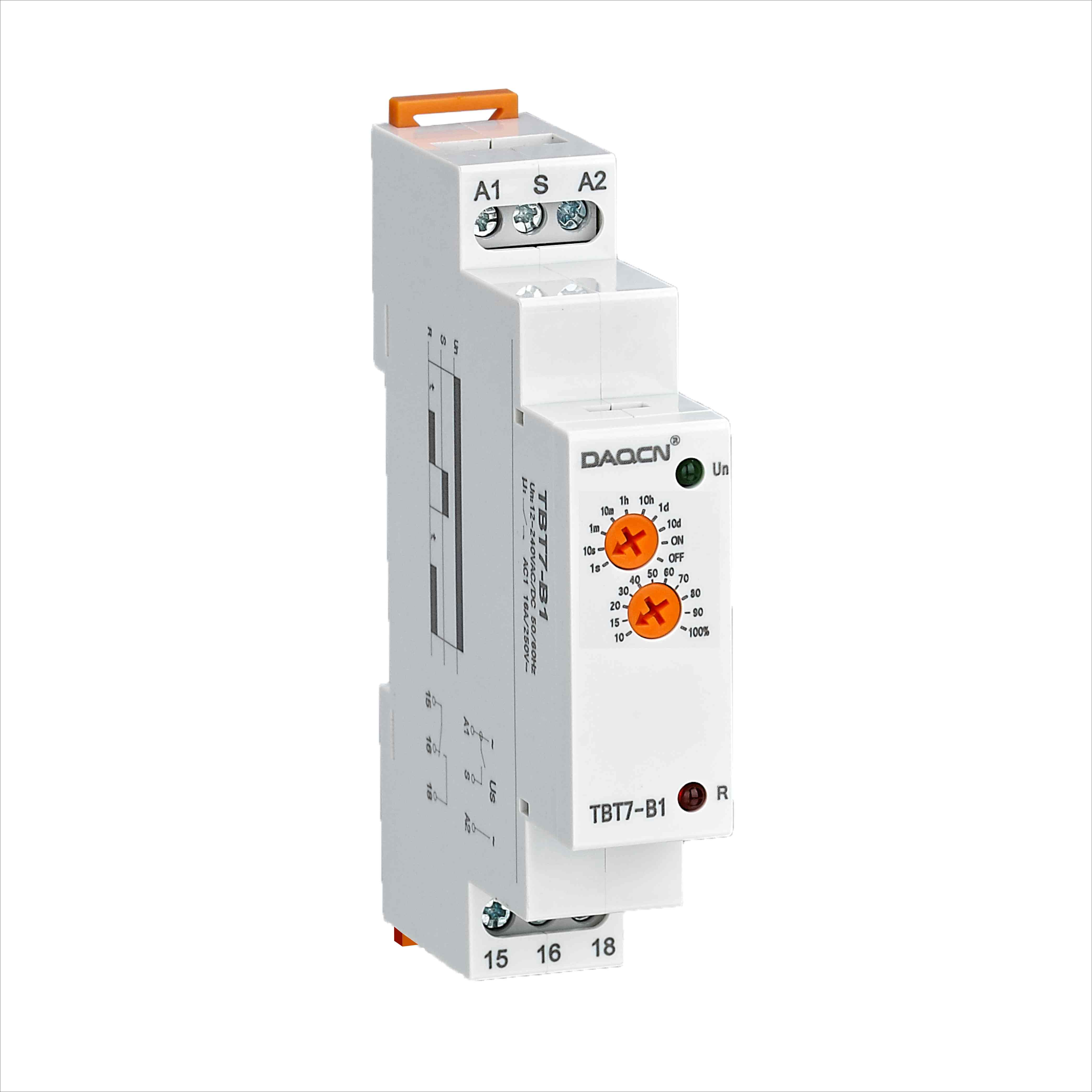
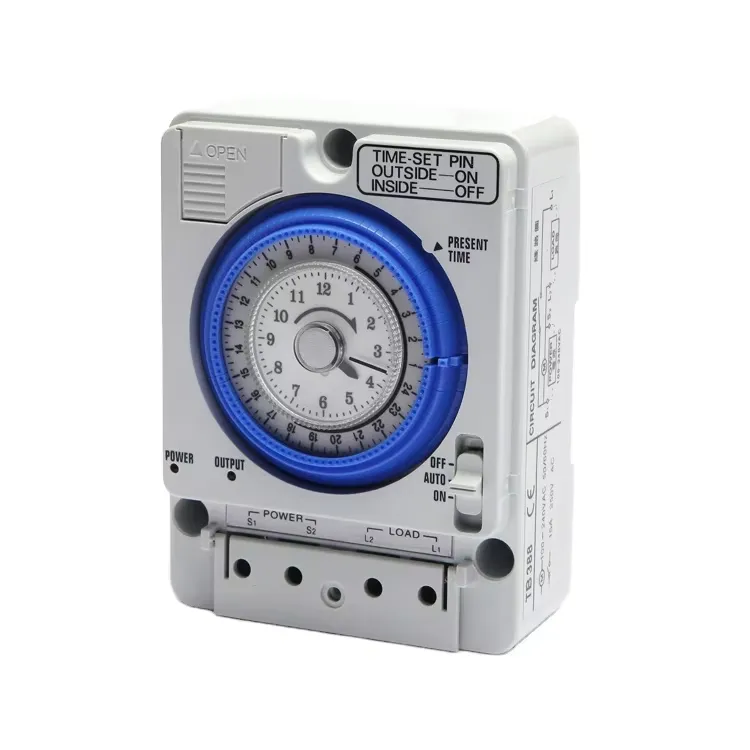
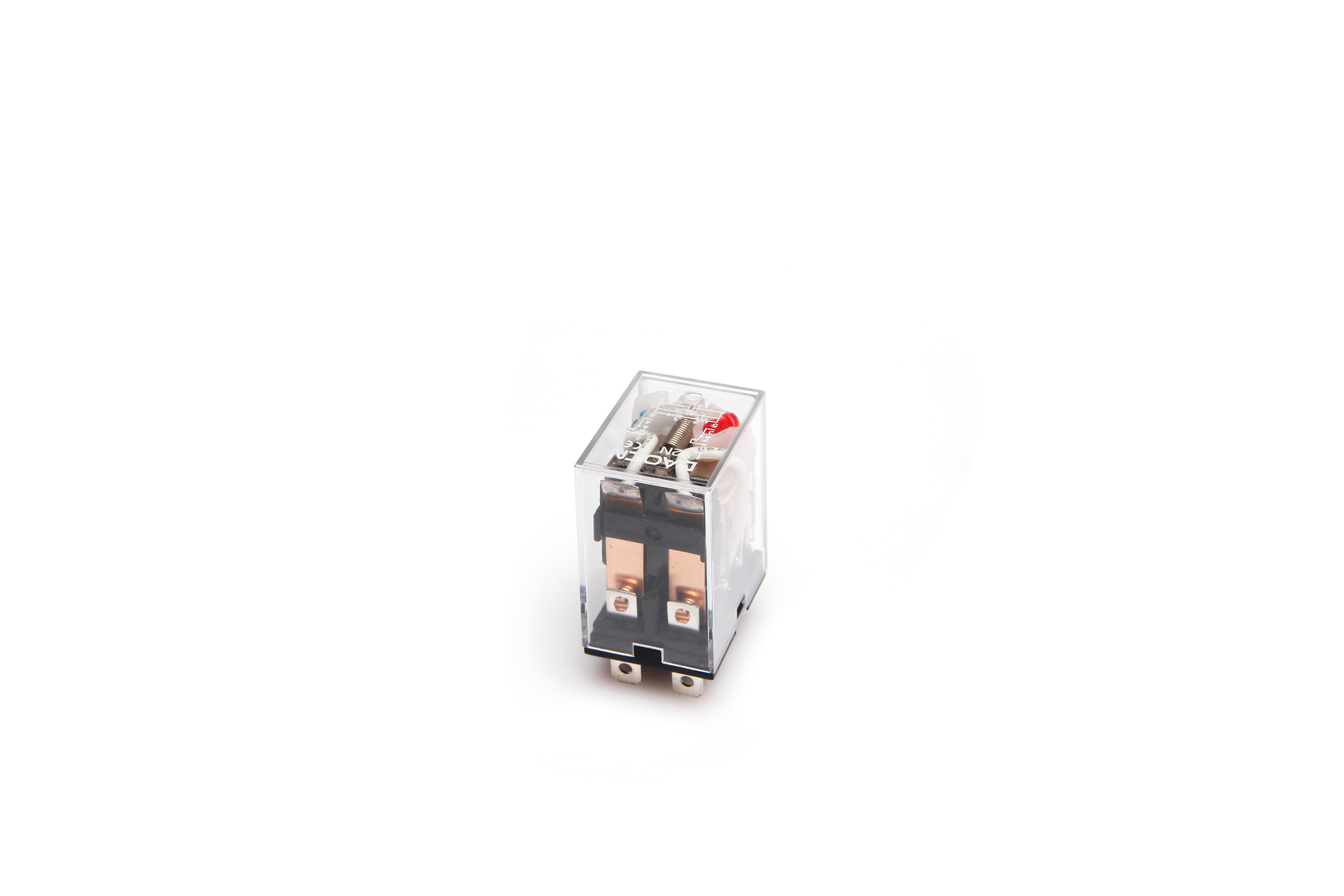
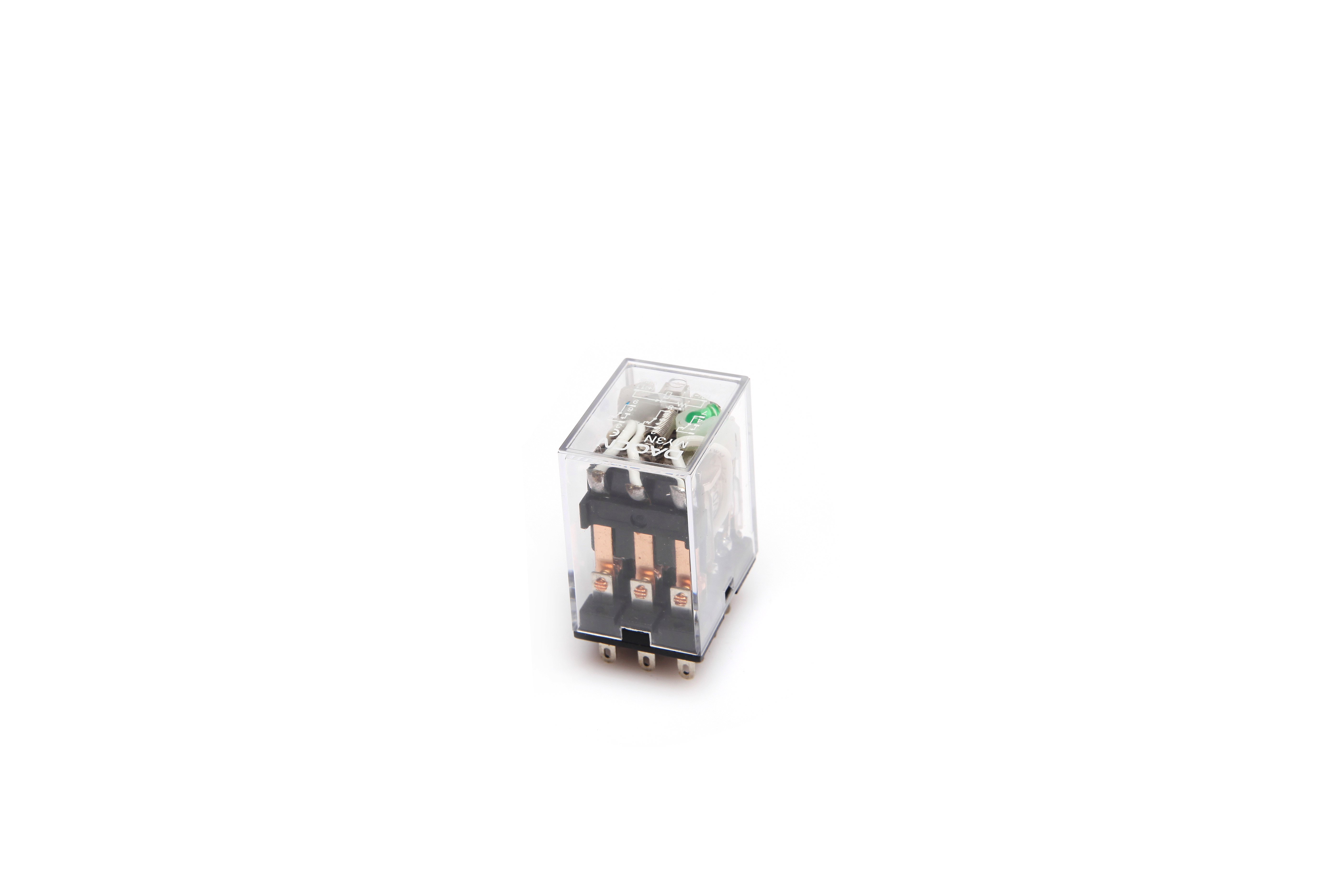
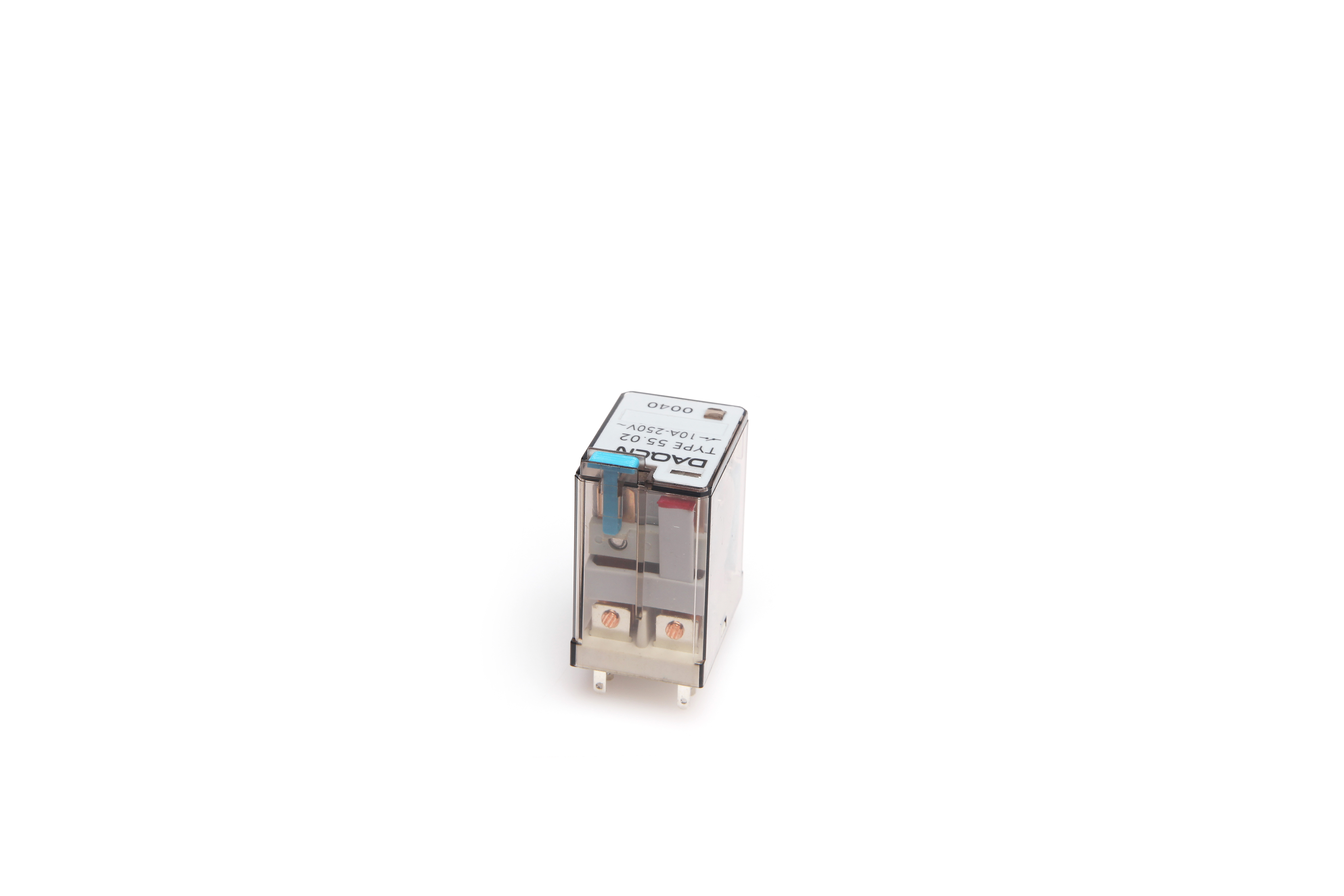
A pilot relay represents a sophisticated electrical control component designed to manage and coordinate complex switching operations in industrial automation systems. This specialized relay serves as an intermediary control device that amplifies weak control signals to operate larger, more powerful contactors and switching mechanisms. The pilot relay functions by receiving low-voltage control signals from programmable logic controllers, sensors, or manual control devices, then translating these signals into appropriate commands for high-power electrical equipment. The fundamental operating principle involves electromagnetic coil activation, where energizing the coil creates a magnetic field that actuates mechanical contacts, establishing or interrupting electrical circuits as required. Modern pilot relay designs incorporate advanced materials and precision engineering to ensure reliable performance across diverse operating conditions. The technological features of pilot relay systems include multiple contact configurations, allowing for both normally open and normally closed operations within a single device. These relays typically offer excellent electrical isolation between control circuits and load circuits, providing enhanced safety and reducing electrical interference. Temperature compensation mechanisms ensure consistent performance across varying environmental conditions, while robust enclosures protect internal components from dust, moisture, and mechanical stress. The pilot relay applications span numerous industries, including manufacturing automation, HVAC systems, motor control panels, and process control installations. In manufacturing environments, pilot relays coordinate conveyor belt operations, robotic assembly sequences, and quality control systems. HVAC applications utilize pilot relays for fan control, damper positioning, and temperature regulation functions. Motor control applications benefit from pilot relay coordination of starting sequences, overload protection, and reversing operations. The versatility of pilot relay technology makes it indispensable for electrical contractors, system integrators, and maintenance professionals who require dependable control solutions for complex industrial processes.

New Product Releases

The pilot relay offers numerous practical advantages that directly translate into operational benefits and cost savings for businesses across various industries. Enhanced system reliability stands as the primary advantage, as pilot relays provide consistent switching performance that reduces unexpected downtime and maintenance costs. This reliability stems from precision manufacturing techniques and quality materials that ensure long operational life even under demanding conditions. The isolation capabilities of pilot relays protect sensitive control circuits from high-voltage disturbances, preventing costly damage to expensive programmable controllers and monitoring equipment. This protection feature significantly reduces replacement costs and system repair expenses over time. Installation flexibility represents another major advantage, as pilot relays accommodate various mounting configurations and wiring arrangements, simplifying integration into existing control panels and reducing installation labor costs. The compact design of modern pilot relays maximizes panel space efficiency, allowing engineers to design more compact control systems while maintaining full functionality. Energy efficiency benefits emerge from the low power consumption characteristics of pilot relay coils, which draw minimal current during operation, contributing to reduced operational costs and supporting sustainability initiatives. The fast switching response of pilot relays improves system performance by enabling rapid equipment responses to control signals, enhancing productivity and process efficiency. Diagnostic capabilities built into advanced pilot relay models provide valuable troubleshooting information, reducing maintenance time and helping technicians quickly identify and resolve system issues. The standardized mounting and connection interfaces of pilot relays simplify replacement procedures, minimizing inventory requirements and reducing spare parts costs. Temperature tolerance features ensure consistent operation across wide temperature ranges, eliminating the need for additional climate control in many applications. The robust construction of pilot relays withstands vibration and shock conditions commonly found in industrial environments, reducing failure rates and extending service intervals. Cost-effectiveness becomes apparent through the combination of reliable performance, extended service life, and reduced maintenance requirements, making pilot relays an economically sound investment for long-term operational efficiency.

Latest News

What is a timer relay and how does it work in 2025?

25

Dec

What is a timer relay and how does it work in 2025?

A timer relay represents one of the most essential components in modern electrical control systems, providing precise timing functions across countless industrial applications. These sophisticated devices combine traditional relay switching capabilit...
View More
What makes relay switching faster than manual controls?

25

Dec

What makes relay switching faster than manual controls?

Modern industrial automation demands precision, speed, and reliability that manual control systems simply cannot match. The evolution from manual switching to automated relay systems represents one of the most significant advances in electrical contr...
View More
When should you replace a faulty relay in your system?

25

Dec

When should you replace a faulty relay in your system?

Industrial electrical systems depend heavily on reliable switching components, and understanding when to replace critical components can prevent costly downtime and equipment failure. A relay serves as an electromagnetic switch that controls high-pow...
View More
How to select the right timer relay for your project?

06

Jan

How to select the right timer relay for your project?

Selecting the appropriate timer relay for industrial applications requires careful consideration of various technical specifications and operational requirements. A timer relay serves as a critical component in automation systems, controlling time-de...
View More

Get a Free Quote

Our representative will contact you soon.
Email
Name
Company Name
Mobile/WhatsApp
Message
0/1000

pilot relay

Superior Signal Amplification and Control Precision

Superior Signal Amplification and Control Precision

The pilot relay excels in signal amplification capabilities that transform weak control signals into robust switching commands for heavy-duty industrial equipment. This amplification function proves essential in modern automation systems where sensitive electronic controllers must interface with powerful motors, heating elements, and other high-current devices. The precision of signal conversion ensures that even minimal input changes trigger accurate and repeatable responses from connected equipment, maintaining tight process control tolerances. Advanced pilot relay designs incorporate sophisticated signal conditioning circuits that filter electrical noise and provide clean switching transitions, eliminating false triggering and ensuring system stability. The amplification ratio of pilot relays can typically handle input signals ranging from milliamps to several amps output capacity, providing versatile control options for diverse applications. This capability allows system designers to use low-power control devices while maintaining full control over high-power loads, optimizing both energy consumption and system safety. The response time characteristics of pilot relays enable rapid signal processing, with typical switching speeds measured in milliseconds, ensuring that time-critical processes maintain proper synchronization. Temperature compensation features maintain amplification accuracy across varying environmental conditions, preventing signal drift that could compromise system performance. The electrical isolation between input and output circuits in pilot relays provides additional safety benefits while preserving signal integrity, protecting expensive control equipment from voltage spikes and electrical faults. Multiple contact configurations within a single pilot relay allow for complex control logic implementation, reducing the number of components required for sophisticated automation sequences. The reliability of signal amplification directly impacts overall system performance, as consistent relay operation ensures predictable equipment behavior and reduces troubleshooting complexity. Quality pilot relays undergo rigorous testing to verify amplification accuracy and long-term stability, providing users with confidence in critical control applications where precision and reliability are paramount for operational success.
Exceptional Durability and Environmental Resistance

Exceptional Durability and Environmental Resistance

The pilot relay demonstrates remarkable durability characteristics that enable reliable operation in challenging industrial environments where standard electrical components would fail prematurely. This exceptional durability stems from advanced materials engineering and robust construction techniques that protect internal components from environmental stresses including temperature extremes, humidity fluctuations, and mechanical vibrations. The contact materials in high-quality pilot relays utilize specialized alloys that resist wear, corrosion, and electrical erosion, ensuring consistent switching performance throughout extended service periods. Environmental sealing technologies protect pilot relay internals from dust, moisture, and chemical contaminants commonly encountered in manufacturing facilities, processing plants, and outdoor installations. The mechanical design of pilot relays incorporates shock-absorbing features and reinforced mounting structures that withstand the vibrations generated by heavy machinery and equipment operations. Temperature rating specifications for pilot relays typically span wide ranges, often from negative forty to positive eighty degrees Celsius, accommodating installations in both heated and unheated facilities without performance degradation. Humidity resistance features prevent condensation-related failures and maintain electrical insulation properties even in high-moisture environments such as food processing facilities or coastal installations. The pilot relay housing materials resist chemical attack from industrial solvents, cleaning agents, and process chemicals, extending service life in chemically aggressive environments. Electromagnetic compatibility design elements shield pilot relay circuits from radio frequency interference and electromagnetic fields generated by variable frequency drives and welding equipment. Vibration testing standards ensure that pilot relays maintain proper contact pressure and alignment even when subjected to continuous mechanical stress from nearby rotating equipment. The thermal management characteristics of pilot relays include heat dissipation features that prevent overheating during high-duty-cycle operations, maintaining consistent performance and preventing premature component degradation. Quality assurance testing programs verify durability claims through accelerated aging tests and environmental stress screening, providing users with reliable performance data for maintenance planning and replacement scheduling purposes.
Versatile Integration and Configuration Flexibility

Versatile Integration and Configuration Flexibility

The pilot relay offers outstanding integration flexibility that simplifies installation procedures and accommodates diverse system requirements across multiple industries and applications. This versatility begins with standardized mounting options that fit common DIN rail systems, panel mounting configurations, and socket-based installations, allowing engineers to select the most appropriate mounting method for specific applications. The electrical connection options include screw terminals, plug-in bases, and quick-connect systems that reduce installation time and minimize wiring errors during system assembly. Configuration flexibility extends to contact arrangements, with pilot relays available in various combinations of normally open and normally closed contacts to meet specific control logic requirements without additional components. Voltage compatibility spans multiple ranges, enabling pilot relays to operate with different control voltages commonly used in industrial systems, from low-voltage DC circuits to standard AC control voltages. The modular design approach of modern pilot relays allows for easy expansion and modification of control systems as operational requirements change, providing long-term adaptability that protects capital investments. Compatibility with programmable logic controllers, human-machine interfaces, and other automation components ensures seamless integration into existing control architectures without requiring extensive system modifications. The pilot relay form factors range from compact space-saving designs for dense control panels to larger formats that provide additional contact capacity and enhanced current handling capabilities. Wiring documentation and labeling systems on pilot relays facilitate troubleshooting and maintenance activities, reducing downtime and service costs throughout the equipment lifecycle. Industry-standard approvals and certifications ensure that pilot relays meet safety and performance requirements across different geographical regions and regulatory environments. The availability of auxiliary accessories such as LED indicators, surge suppressors, and mechanical interlocks enhances pilot relay functionality while maintaining system simplicity and reliability. Configuration software tools and documentation resources support system designers and maintenance personnel in optimizing pilot relay selection and application, ensuring proper performance and longevity. The scalability of pilot relay systems allows for future expansion without major system redesign, accommodating business growth and changing operational needs while preserving existing investments in control infrastructure and engineering expertise.

Get a Free Quote

Our representative will contact you soon.
Email
Name
Company Name
Mobile/WhatsApp
Message
0/1000