timer switch manufacturer
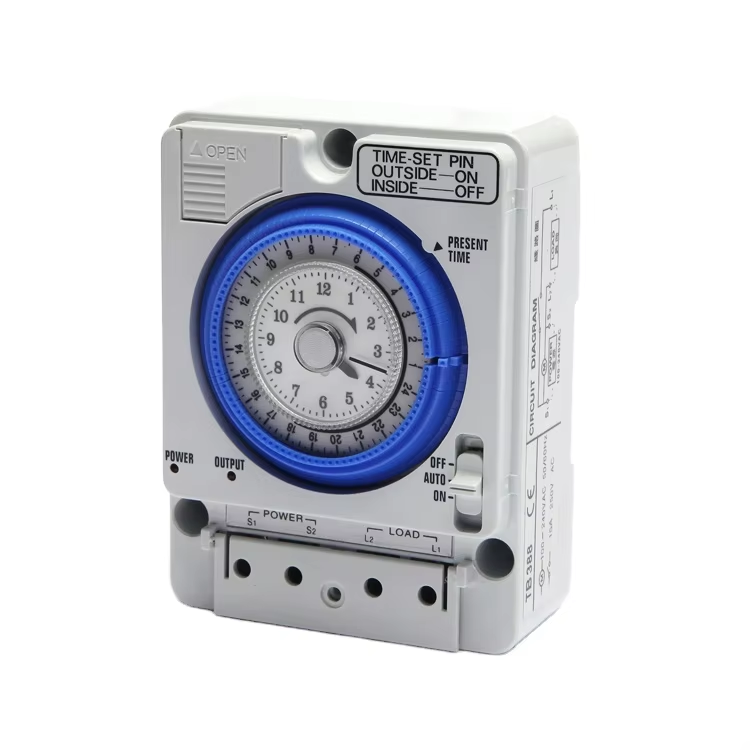
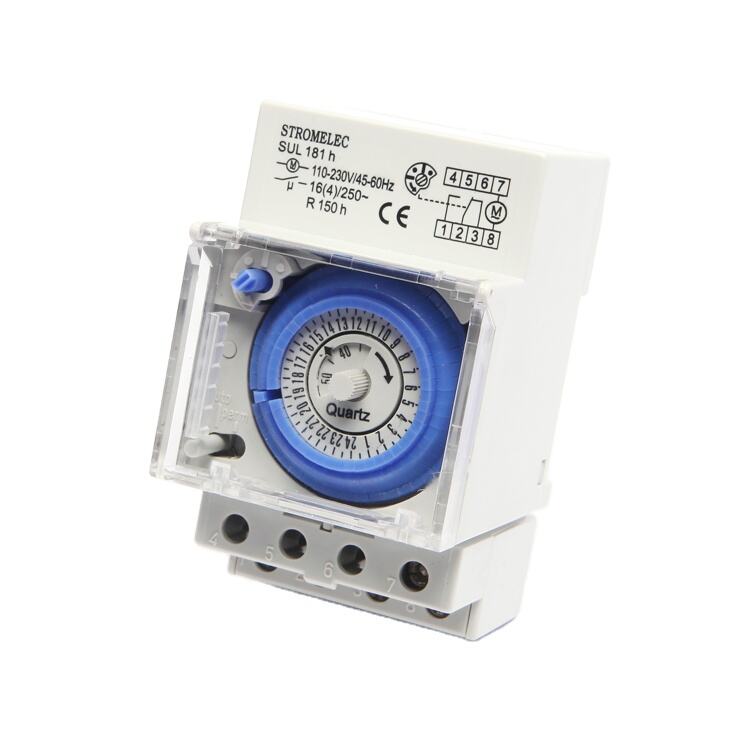
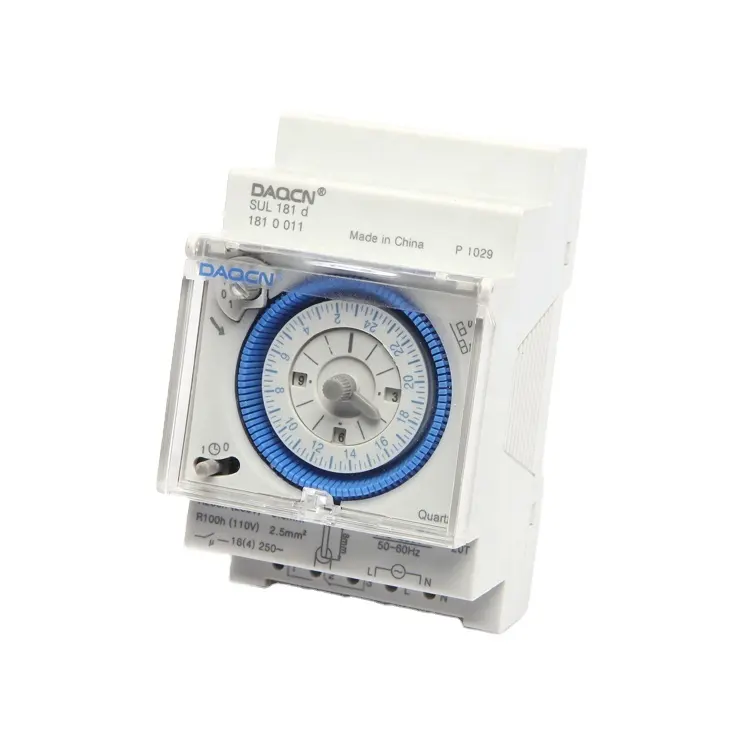
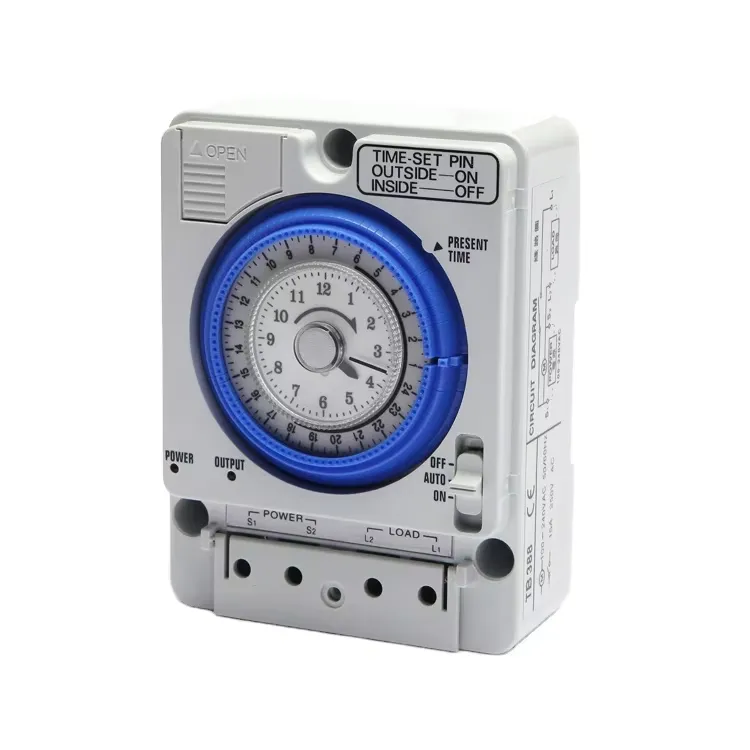
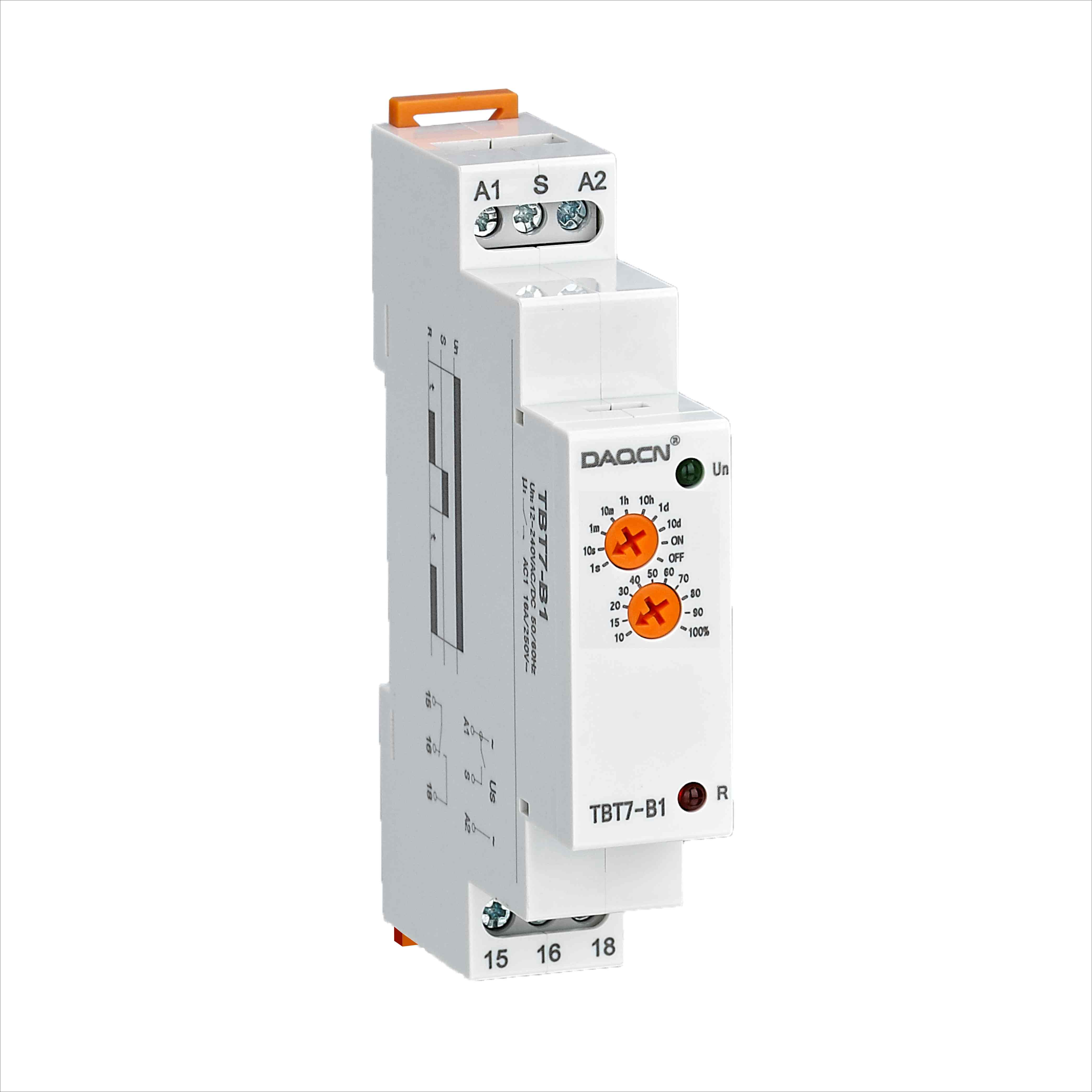
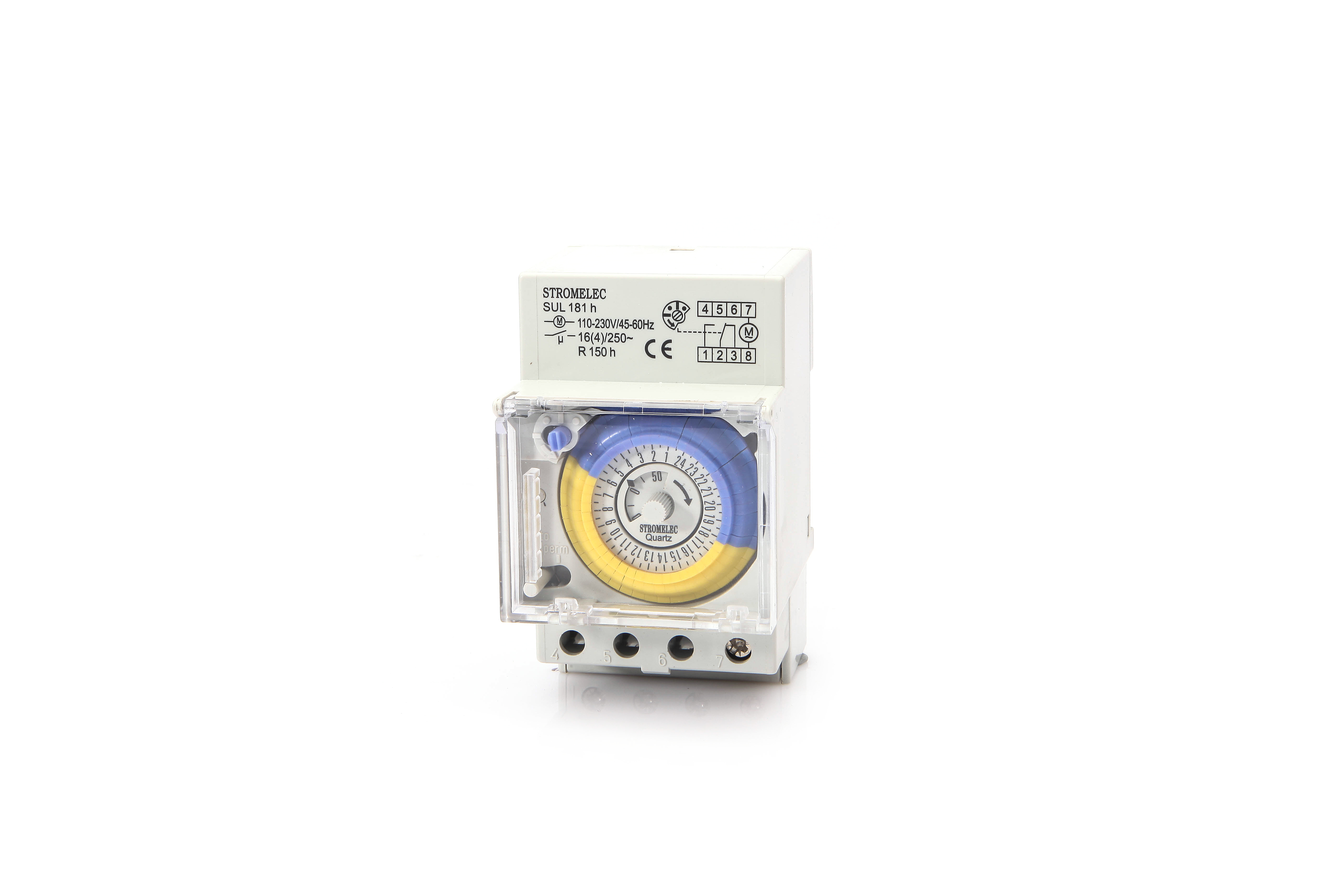
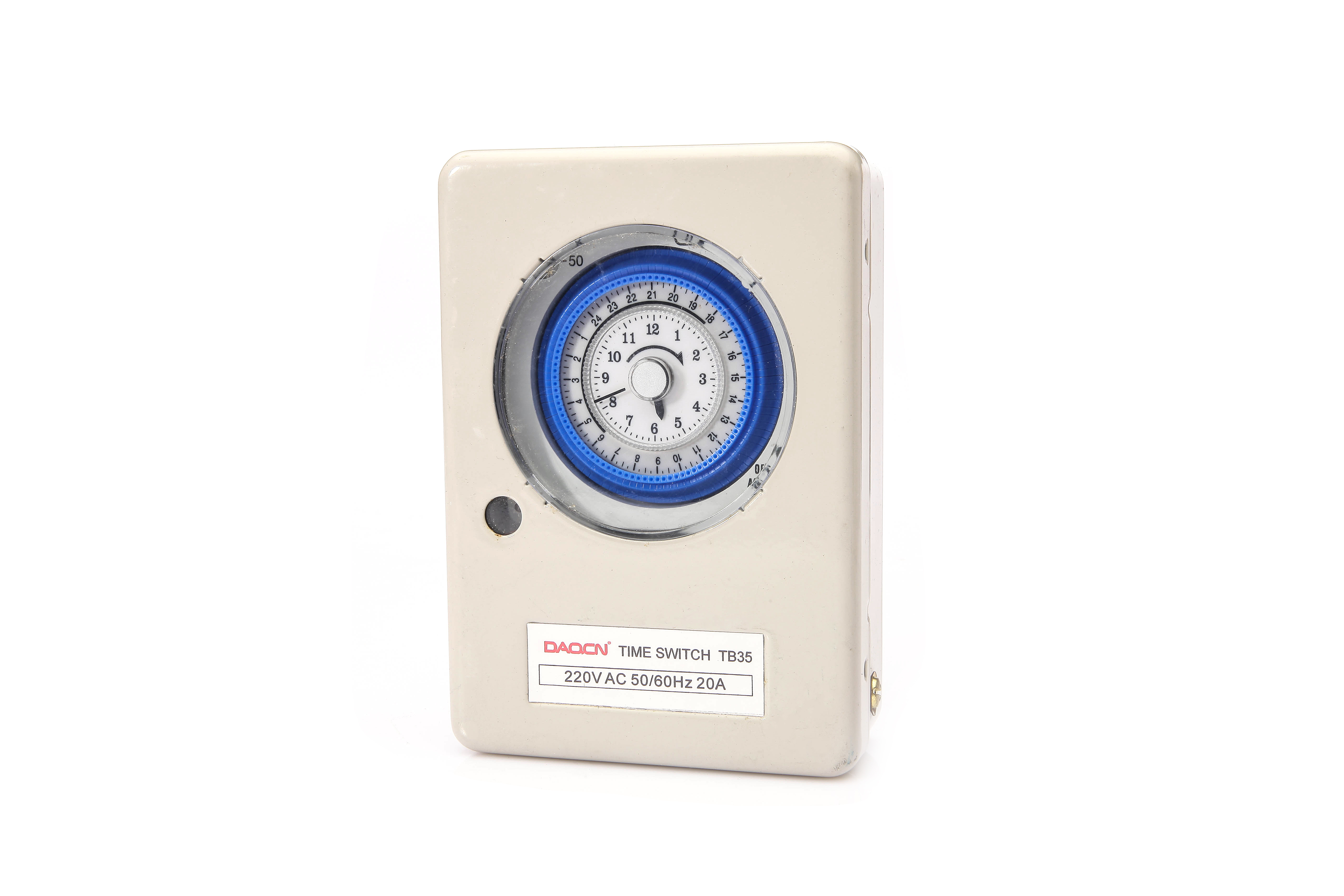
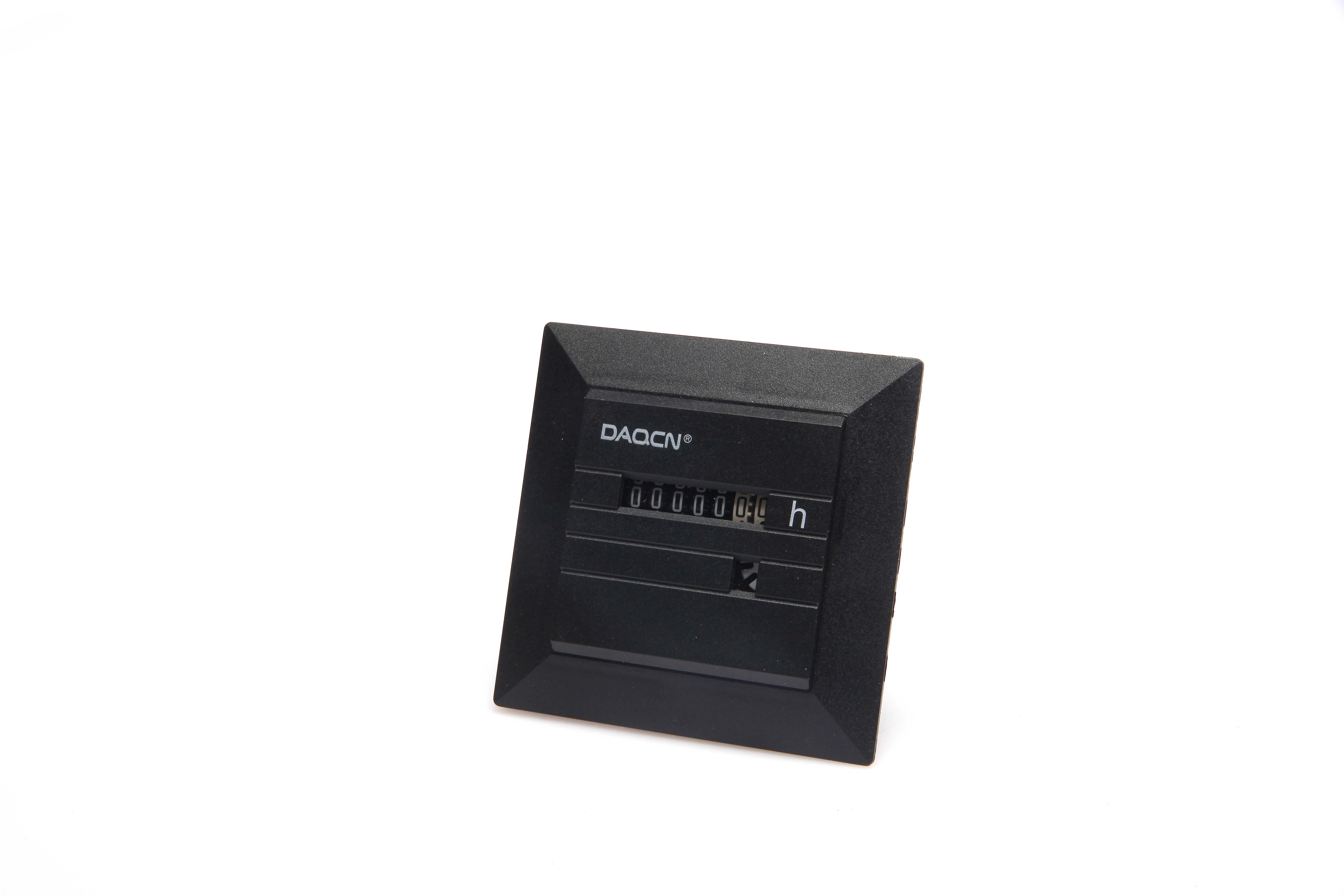
A timer switch manufacturer stands as a specialized industrial entity dedicated to designing, producing, and distributing sophisticated timing control devices that regulate electrical circuits across numerous applications. These companies focus on creating precision-engineered products that automatically control when electrical devices turn on or off based on predetermined schedules or intervals. The primary functions of a timer switch manufacturer encompass research and development of innovative timing technologies, mass production of reliable switching mechanisms, quality assurance testing, and comprehensive customer support services. Modern timer switch manufacturers utilize advanced microprocessor technology, digital programming interfaces, and robust mechanical components to ensure optimal performance and longevity. Their technological features include programmable digital displays, multiple timing modes, battery backup systems, manual override capabilities, and weather-resistant housings for outdoor applications. These manufacturers typically offer products ranging from simple mechanical timers to sophisticated smart switches with wireless connectivity and mobile app integration. The applications for timer switch manufacturer products span residential, commercial, and industrial sectors, including lighting control systems, irrigation management, HVAC scheduling, security lighting, pool equipment automation, and energy-saving initiatives. Manufacturing facilities employ precision assembly techniques, automated testing protocols, and stringent quality control measures to maintain consistent product standards. Leading timer switch manufacturers invest heavily in research and development to incorporate emerging technologies like Internet of Things connectivity, voice control compatibility, and artificial intelligence-driven scheduling algorithms. They maintain comprehensive product lines featuring various form factors, voltage ratings, current capacities, and programming options to meet diverse customer requirements. Distribution networks typically include direct sales channels, authorized dealers, electrical supply stores, and online marketplaces, ensuring widespread product availability and technical support accessibility for customers worldwide.
 EN
EN