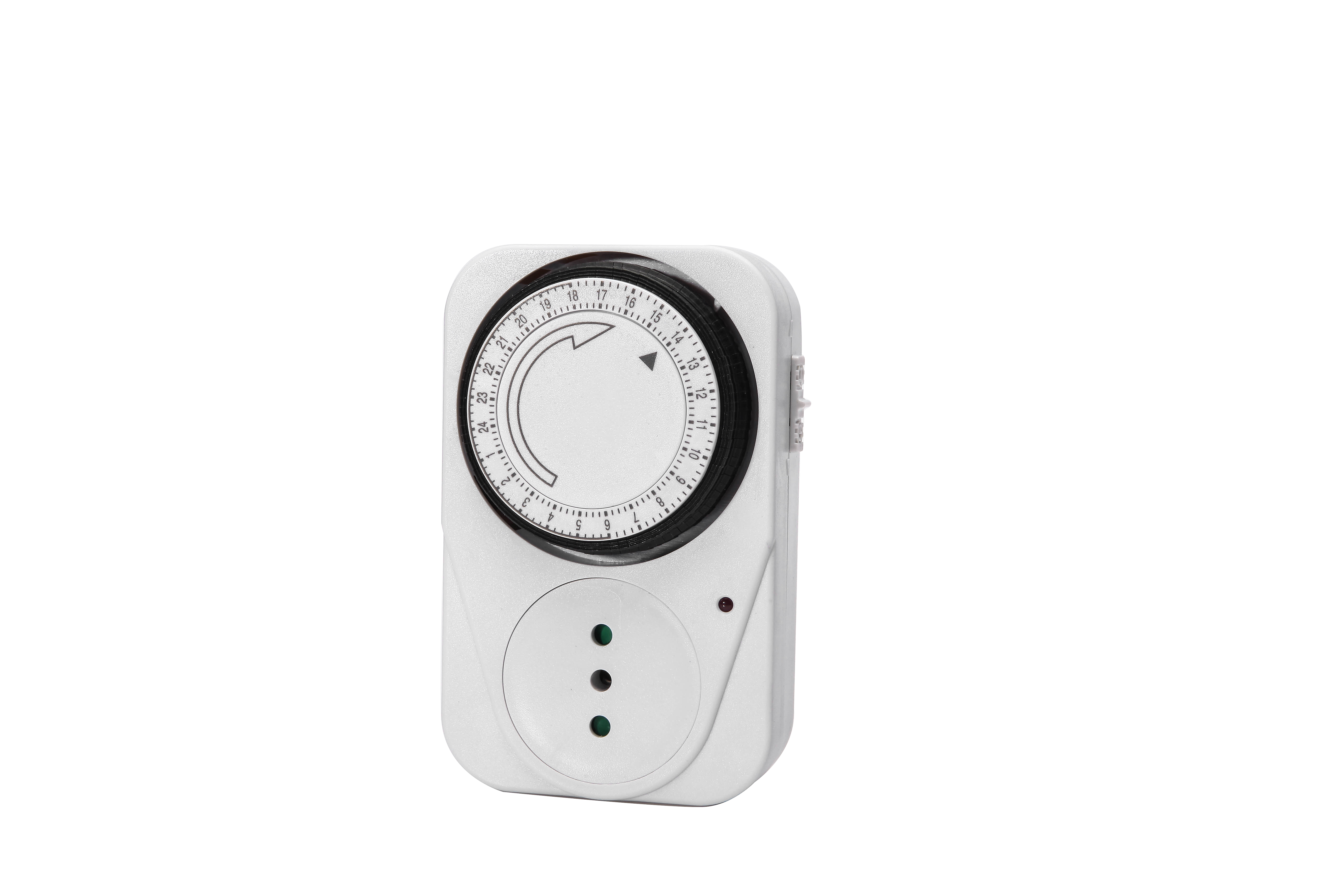
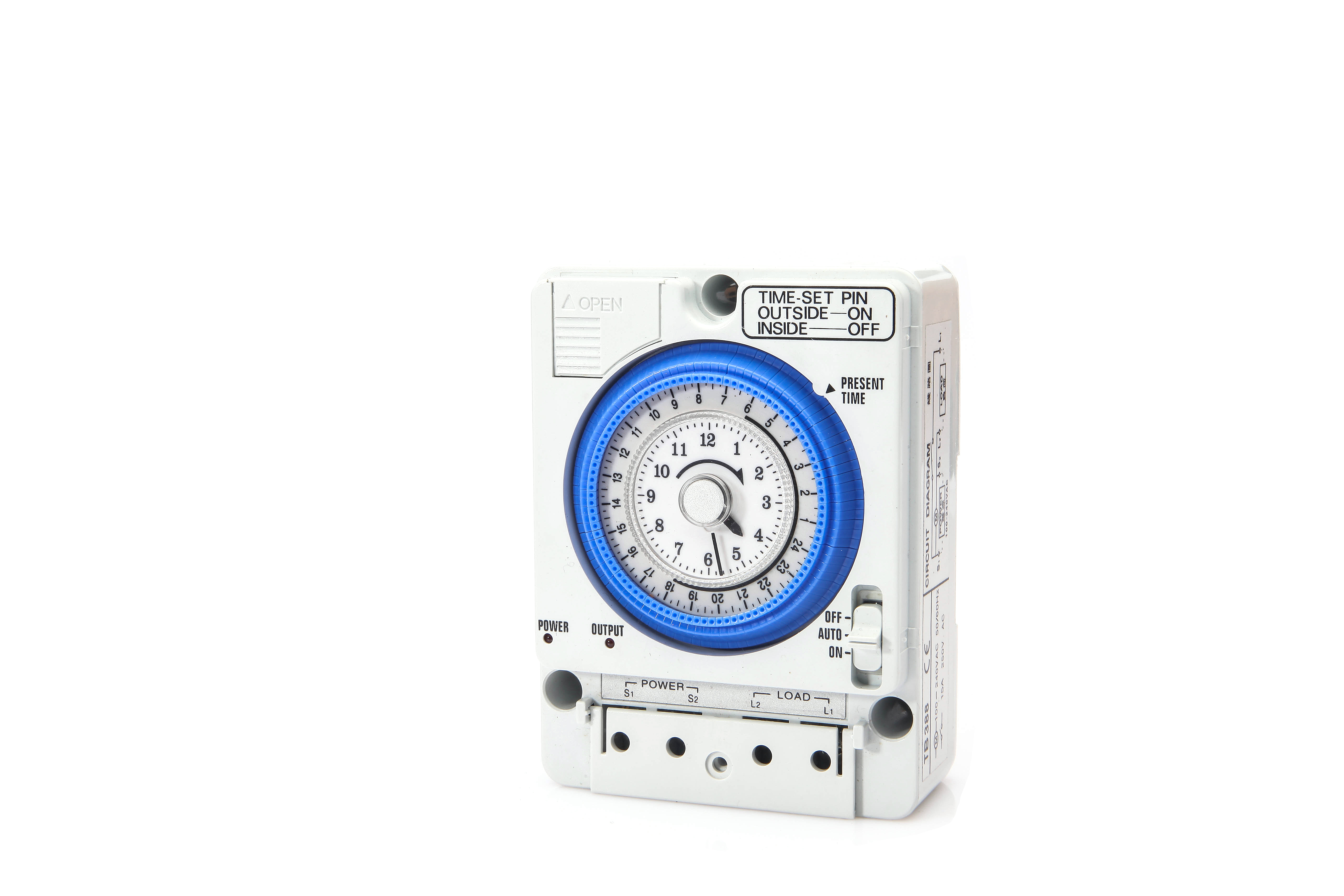
Superior Durability and Environmental Resilience
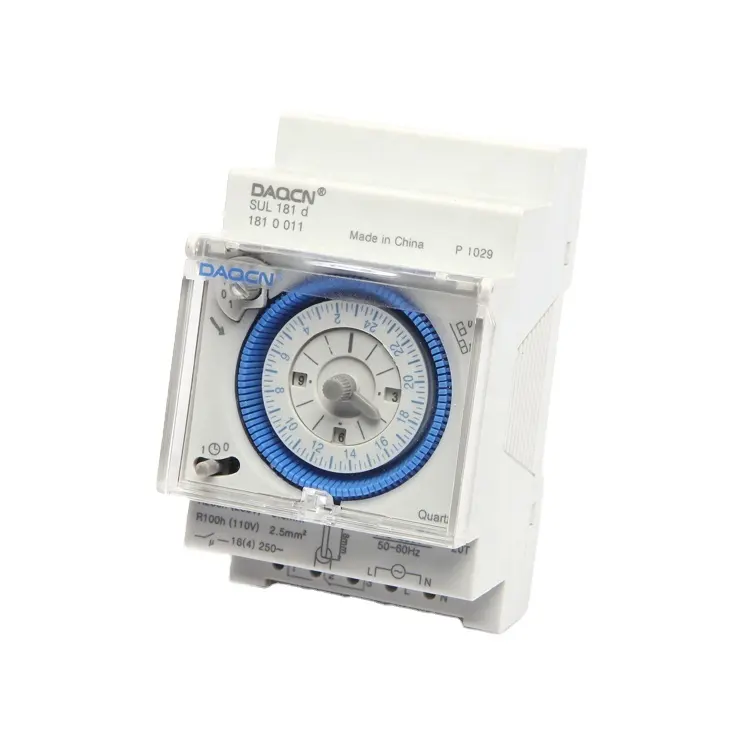
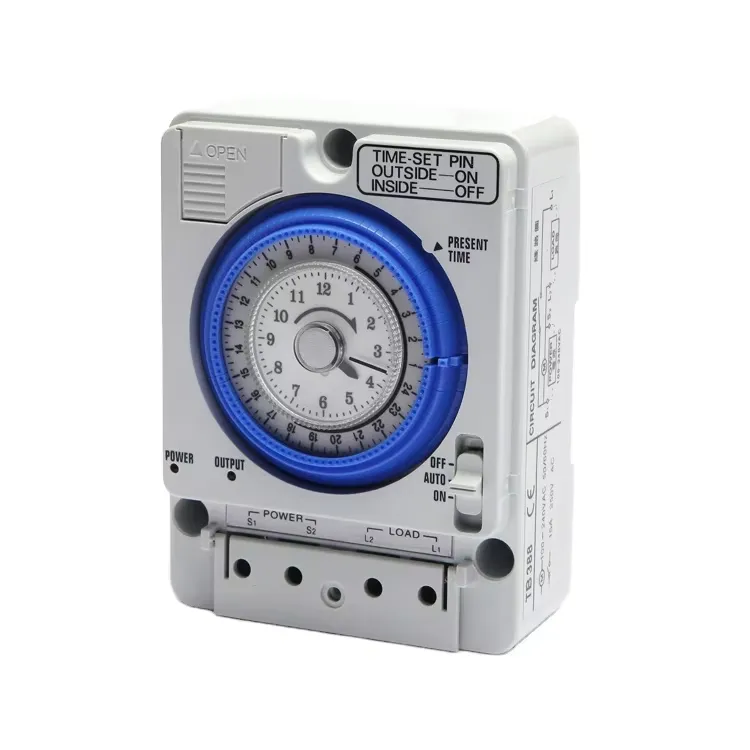
The mechanical timer demonstrates exceptional durability through robust construction methodology that employs hardened steel components, precision-machined gears, and corrosion-resistant materials designed to withstand demanding operational environments and extensive usage cycles. This superior durability translates into extended operational lifespans that significantly exceed electronic alternatives, delivering long-term value through reduced replacement costs and minimal maintenance requirements over decades of reliable service. The mechanical timer construction incorporates sealed mechanisms that protect internal components from dust, moisture, and environmental contaminants that commonly cause premature failure in electronic timing devices, ensuring consistent performance across diverse environmental conditions. Temperature resilience represents another crucial durability advantage, as mechanical timer devices function effectively across wide temperature ranges without experiencing the performance degradation, component expansion, or electronic failure modes that affect digital timers in extreme thermal conditions. The physical robustness of mechanical timer housings withstands impacts, vibrations, and mechanical stresses encountered in industrial environments, construction sites, and mobile applications where electronic devices would suffer damage from physical trauma. This durability extends to chemical resistance, enabling mechanical timer operation in environments with corrosive substances, cleaning chemicals, or industrial processes that would rapidly deteriorate electronic components and circuit boards. The precision engineering inherent in quality mechanical timer designs ensures that gear trains, spring mechanisms, and timing elements maintain accuracy and smooth operation even after millions of operational cycles, demonstrating remarkable longevity that justifies initial investment costs through sustained performance over extended periods. Maintenance requirements remain minimal, typically involving only periodic lubrication and cleaning procedures that users can perform without specialized technical knowledge or expensive professional service interventions, further enhancing the cost-effectiveness and practical appeal of mechanical timer solutions for long-term timing applications.
 EN
EN