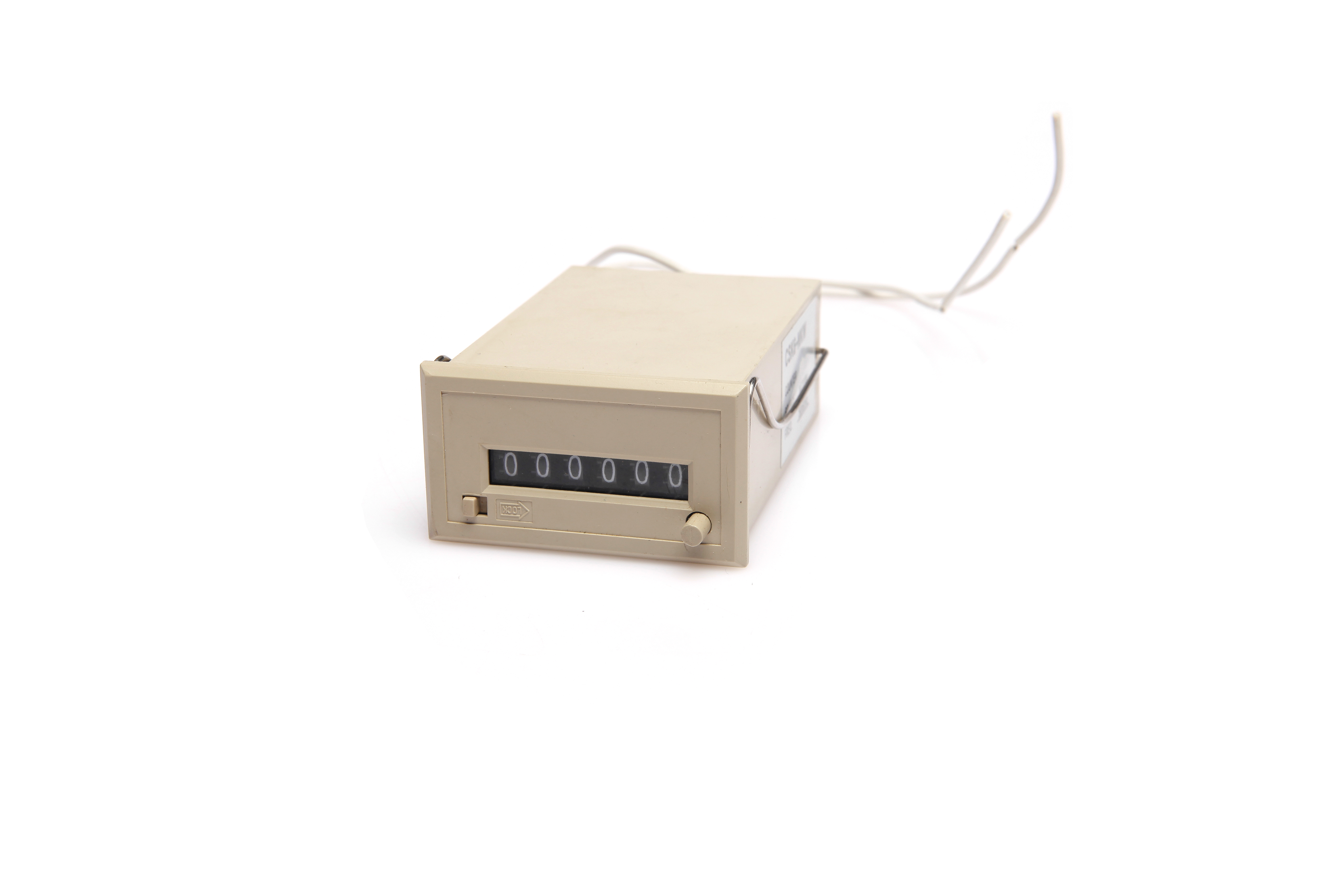
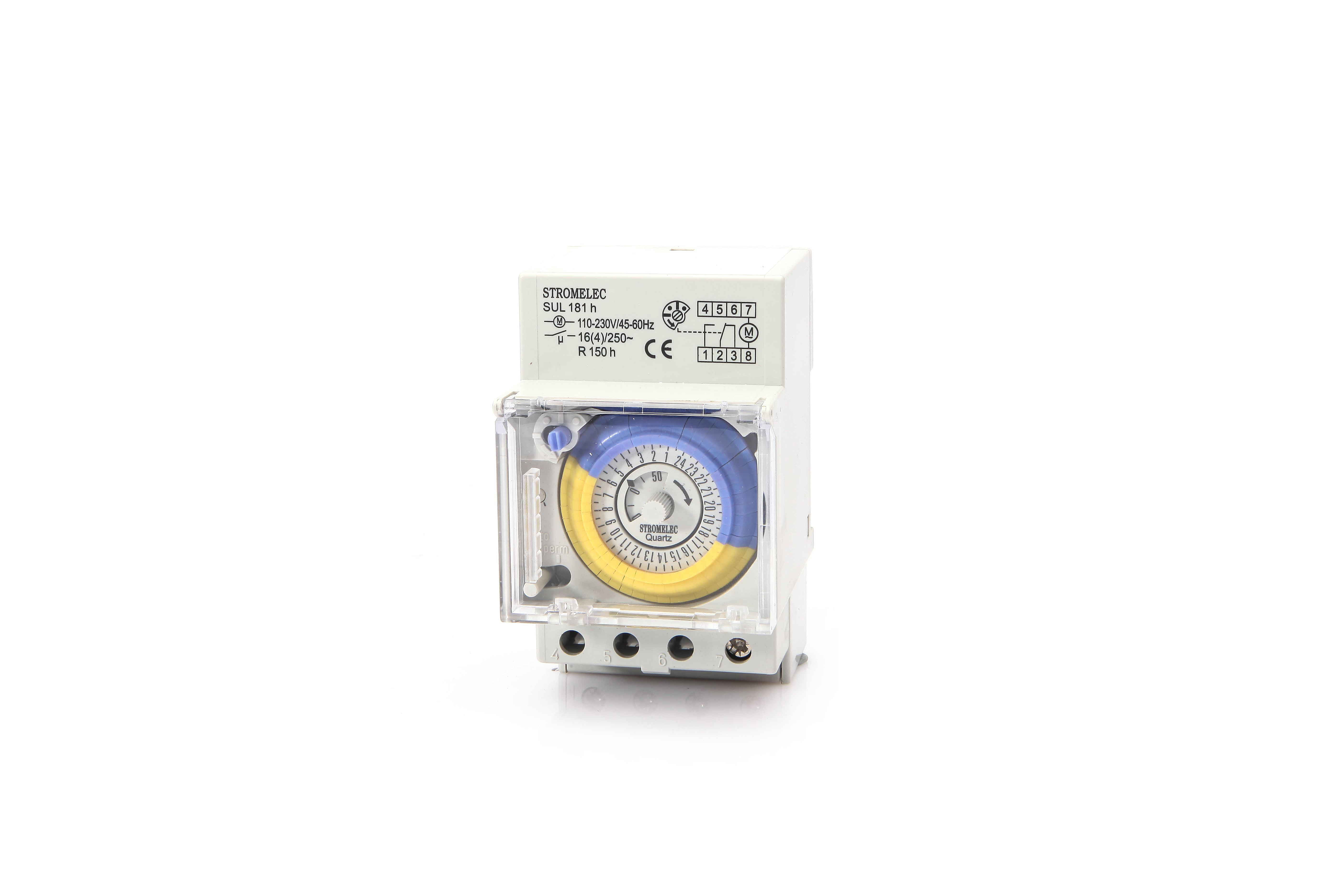
Weekly Time Switch: Advanced Programmable Timer for Automated Electrical Control and Energy Management

All Categories

Get a Free Quote

Our representative will contact you soon.
Email
Name
Company Name
Mobile/WhatsApp
Message
0/1000

weekly time switch

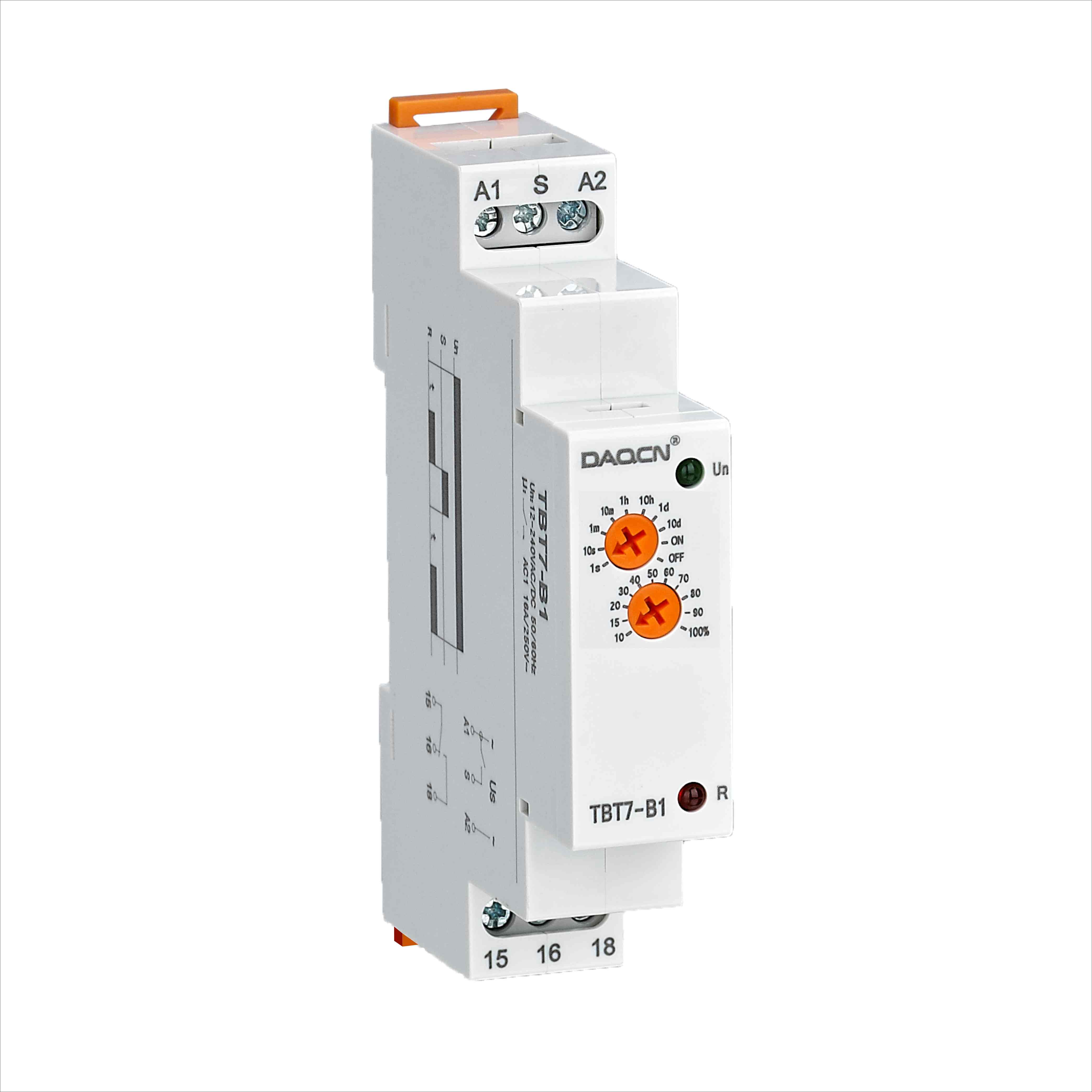
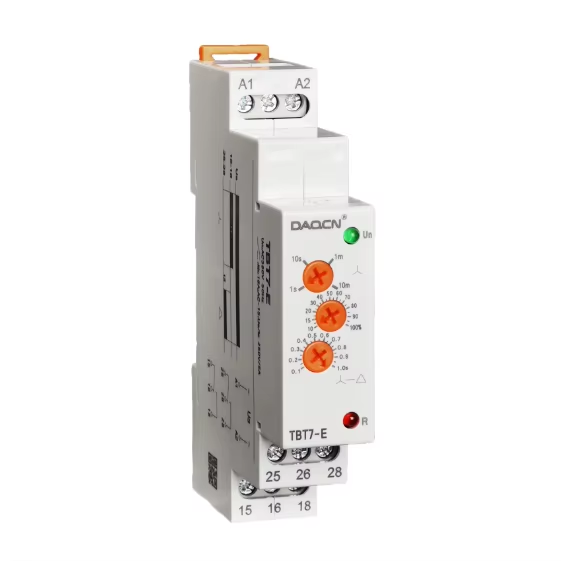
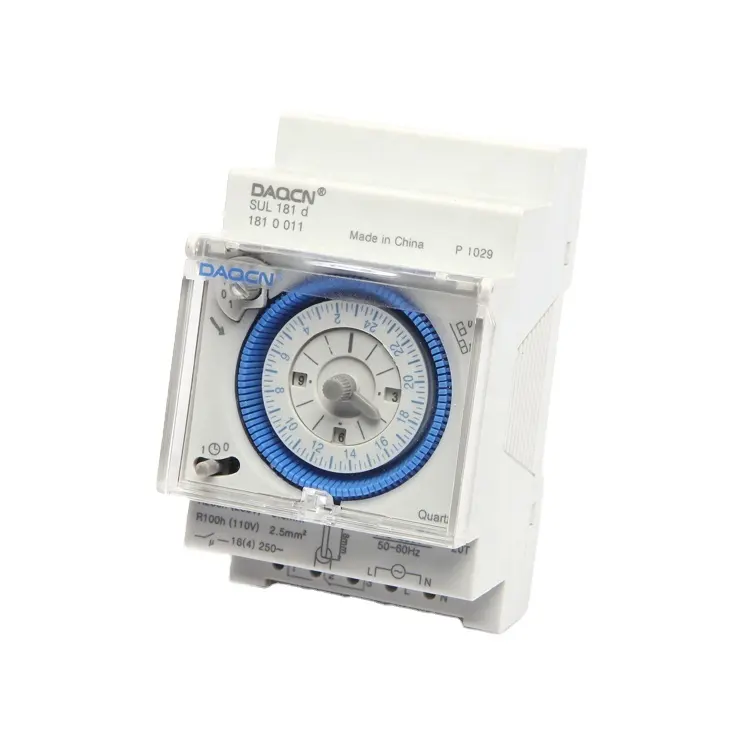
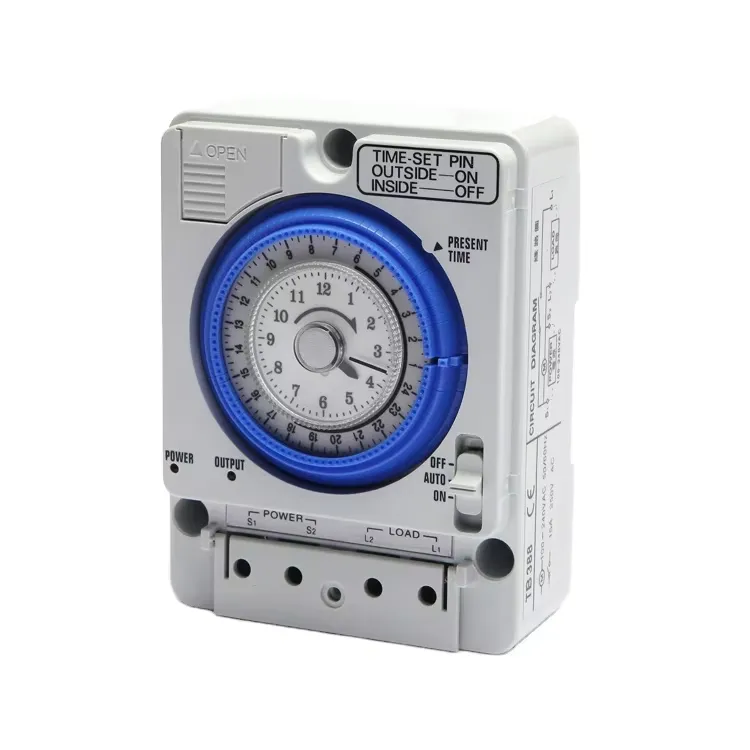
A weekly time switch represents a sophisticated electrical control device designed to automatically manage power distribution to various appliances and systems based on predetermined weekly schedules. This intelligent timing mechanism operates on a seven-day programming cycle, allowing users to establish distinct on-off patterns for different days of the week. The weekly time switch integrates advanced microprocessor technology with user-friendly programming interfaces, creating a reliable solution for automated electrical control across residential, commercial, and industrial environments. The core functionality revolves around precise timing mechanisms that can handle multiple switching events throughout each day of the week. Modern weekly time switch models feature digital displays, backup battery systems, and memory retention capabilities that preserve programmed settings during power outages. These devices support various voltage ranges and current ratings, making them suitable for controlling everything from lighting systems and heating equipment to irrigation pumps and security devices. The technological architecture incorporates quartz crystal oscillators for accurate timekeeping, ensuring precise activation and deactivation cycles. Programming flexibility allows users to set different schedules for weekdays versus weekends, accommodating varying operational requirements. Many weekly time switch units include manual override functions, enabling temporary schedule modifications without affecting the primary programming. The applications span numerous sectors including office buildings where lighting and HVAC systems require scheduled operation, manufacturing facilities needing automated equipment cycling, and residential properties seeking energy-efficient appliance management. Agricultural applications utilize weekly time switch technology for irrigation systems, greenhouse climate control, and livestock facility management. The device construction typically features robust housing materials resistant to environmental factors, ensuring reliable performance in diverse installation conditions. Communication capabilities in advanced models allow integration with building management systems and remote monitoring platforms.

New Product Recommendations

The weekly time switch delivers substantial cost savings through intelligent energy management, automatically reducing electricity consumption during off-peak hours and eliminating wasteful standby power usage. This automated approach eliminates human error in manual switching operations, ensuring consistent adherence to optimal operational schedules. Businesses experience significant reductions in utility bills as the weekly time switch prevents unnecessary equipment operation during non-productive periods. The convenience factor proves invaluable for property managers and homeowners who no longer need to manually control lighting, heating, or cooling systems throughout the week. Enhanced security benefits emerge from programmable lighting schedules that create occupied appearance patterns, deterring potential intruders during vacant periods. The weekly time switch extends equipment lifespan by preventing excessive runtime and reducing mechanical wear through controlled operational cycles. Environmental impact decreases substantially as automated scheduling minimizes carbon footprint through reduced energy consumption and improved resource utilization. Installation simplicity makes the weekly time switch accessible to both professional electricians and DIY enthusiasts, requiring minimal technical expertise for basic setup procedures. Customization capabilities allow tailored programming for specific business hours, seasonal variations, and unique operational requirements across different facility zones. The reliability factor ensures consistent performance year-round, with backup systems maintaining programmed schedules during temporary power interruptions. Maintenance requirements remain minimal, with most weekly time switch models requiring only periodic battery replacement and occasional cleaning. Integration flexibility enables seamless incorporation into existing electrical systems without extensive rewiring or infrastructure modifications. Remote control capabilities in advanced models provide smartphone app connectivity, allowing schedule adjustments from anywhere with internet access. The weekly time switch accommodates multiple load types simultaneously, controlling various appliances and systems from a single control point. Scalability features permit system expansion through daisy-chain configurations or network integration, supporting growing operational needs. Safety enhancements include surge protection, overload prevention, and fail-safe mechanisms that protect connected equipment and prevent electrical hazards.

Practical Tips

What makes relay switching faster than manual controls?

25

Dec

What makes relay switching faster than manual controls?

Modern industrial automation demands precision, speed, and reliability that manual control systems simply cannot match. The evolution from manual switching to automated relay systems represents one of the most significant advances in electrical contr...
View More
How does a timer relay control electrical circuits?

25

Dec

How does a timer relay control electrical circuits?

A timer relay serves as a critical component in electrical circuit control systems, providing precise timing functions that enable automated switching operations across numerous industrial and commercial applications. These sophisticated devices comb...
View More
Which relay type offers the best durability for my needs?

06

Jan

Which relay type offers the best durability for my needs?

Selecting the right relay for your application requires understanding the various types available and their durability characteristics. Industrial professionals face numerous options when choosing between electromagnetic relays, solid-state relays, a...
View More
What is an energy meter and how does it work in 2025?

06

Jan

What is an energy meter and how does it work in 2025?

In today's increasingly connected world, understanding energy consumption has become essential for both residential and commercial applications. An energy meter serves as the fundamental device that measures electrical energy consumption in buildings...
View More

Get a Free Quote

Our representative will contact you soon.
Email
Name
Company Name
Mobile/WhatsApp
Message
0/1000

weekly time switch

Advanced Programming Flexibility and Multi-Day Scheduling

Advanced Programming Flexibility and Multi-Day Scheduling

The weekly time switch excels in providing unparalleled programming flexibility that accommodates complex operational requirements across various applications and industries. This sophisticated scheduling capability allows users to establish unique timing patterns for each day of the week, creating customized automation solutions that align perfectly with specific operational needs. The programming interface supports multiple switching events per day, enabling precise control over when equipment activates and deactivates throughout the weekly cycle. Users can configure different schedules for weekdays versus weekends, accommodating businesses that operate on traditional work schedules while maintaining separate programming for reduced weekend operations. The memory capacity typically stores hundreds of switching events, ensuring comprehensive coverage of even the most complex operational requirements. Holiday programming features allow temporary schedule overrides without disrupting the primary weekly patterns, providing flexibility for special occasions or maintenance periods. The intuitive programming interface guides users through setup procedures using clear displays and logical menu structures, eliminating confusion and reducing setup time. Advanced models incorporate seasonal adjustment capabilities that automatically modify schedules based on daylight saving time changes and varying operational requirements throughout the year. The weekly time switch maintains programming integrity through battery backup systems that preserve all settings during power outages, ensuring seamless operation resumption when power returns. Copy and paste functions enable rapid schedule replication across multiple days or time periods, streamlining the programming process for repetitive operational patterns. Real-time clock accuracy remains consistent through precision timing mechanisms that minimize drift and maintain synchronization with actual time. The scheduling granularity extends down to minute-level precision, allowing fine-tuned control over equipment activation timing that optimizes energy consumption and operational efficiency.
Robust Construction and Environmental Durability

Robust Construction and Environmental Durability

The weekly time switch demonstrates exceptional build quality through robust construction materials and environmental protection features designed to ensure reliable performance across diverse installation conditions and challenging operational environments. The housing construction utilizes high-grade thermoplastic or metal enclosures that resist impact damage, chemical exposure, and temperature extremes commonly encountered in industrial and outdoor applications. Weather-resistant sealing prevents moisture infiltration and dust accumulation, making the weekly time switch suitable for both indoor and outdoor installations without compromising internal component integrity. Temperature operating ranges typically span from sub-zero conditions to high-heat environments, accommodating installation locations from refrigerated facilities to boiler rooms and outdoor equipment enclosures. The internal component protection includes shock-resistant mounting systems that prevent damage from vibration and mechanical stress, ensuring consistent operation in industrial environments with heavy machinery or transportation activities. Corrosion-resistant terminals and connection points maintain electrical integrity over extended service periods, reducing maintenance requirements and preventing connection failures that could disrupt scheduled operations. The weekly time switch incorporates surge protection circuitry that safeguards against electrical transients and voltage spikes, protecting both the timing device and connected equipment from power quality issues. UV-resistant materials prevent degradation from prolonged sun exposure in outdoor installations, maintaining structural integrity and display visibility throughout the operational lifespan. Fire-retardant housing materials comply with safety standards and prevent flame spread in the unlikely event of internal component failure. The modular design facilitates easy replacement of individual components without requiring complete unit replacement, reducing long-term ownership costs and minimizing downtime during maintenance procedures. Quality assurance testing ensures each weekly time switch meets rigorous performance standards before deployment, providing confidence in operational reliability and longevity.
Energy Efficiency and Cost Optimization Benefits

Energy Efficiency and Cost Optimization Benefits

The weekly time switch delivers transformative energy efficiency improvements and substantial cost optimization benefits that directly impact operational expenses and environmental sustainability across residential, commercial, and industrial applications. This intelligent automation eliminates energy waste through precise scheduling that prevents unnecessary equipment operation during unoccupied periods or low-demand intervals. The cumulative energy savings typically range from fifteen to forty percent of baseline consumption, depending on application type and usage patterns, translating directly into reduced utility costs and improved operational profitability. Demand charge reduction represents a significant cost benefit for commercial users, as the weekly time switch prevents simultaneous activation of multiple high-consumption devices during peak demand periods when utility rates are highest. Load balancing capabilities distribute equipment startup times across extended periods, reducing instantaneous power draw and minimizing demand charges that can constitute substantial portions of commercial electricity bills. The automated scheduling eliminates human oversight requirements, reducing labor costs associated with manual equipment control while ensuring consistent adherence to optimal operational schedules regardless of staff availability or schedule changes. Equipment longevity improves through controlled operational cycles that prevent excessive runtime and reduce mechanical wear, decreasing replacement costs and extending service intervals for expensive industrial equipment and appliances. The weekly time switch enables participation in utility demand response programs, providing additional revenue opportunities through scheduled load reduction during peak system demand periods. Carbon footprint reduction aligns with corporate sustainability initiatives and environmental compliance requirements, supporting green building certifications and environmental stewardship goals. Return on investment typically occurs within the first year of operation through energy cost savings, making the weekly time switch an economically attractive upgrade for most applications. Preventive maintenance scheduling capabilities ensure equipment operates during optimal efficiency periods while avoiding operation during extreme weather conditions that increase energy consumption and reduce equipment efficiency.

Get a Free Quote

Our representative will contact you soon.
Email
Name
Company Name
Mobile/WhatsApp
Message
0/1000