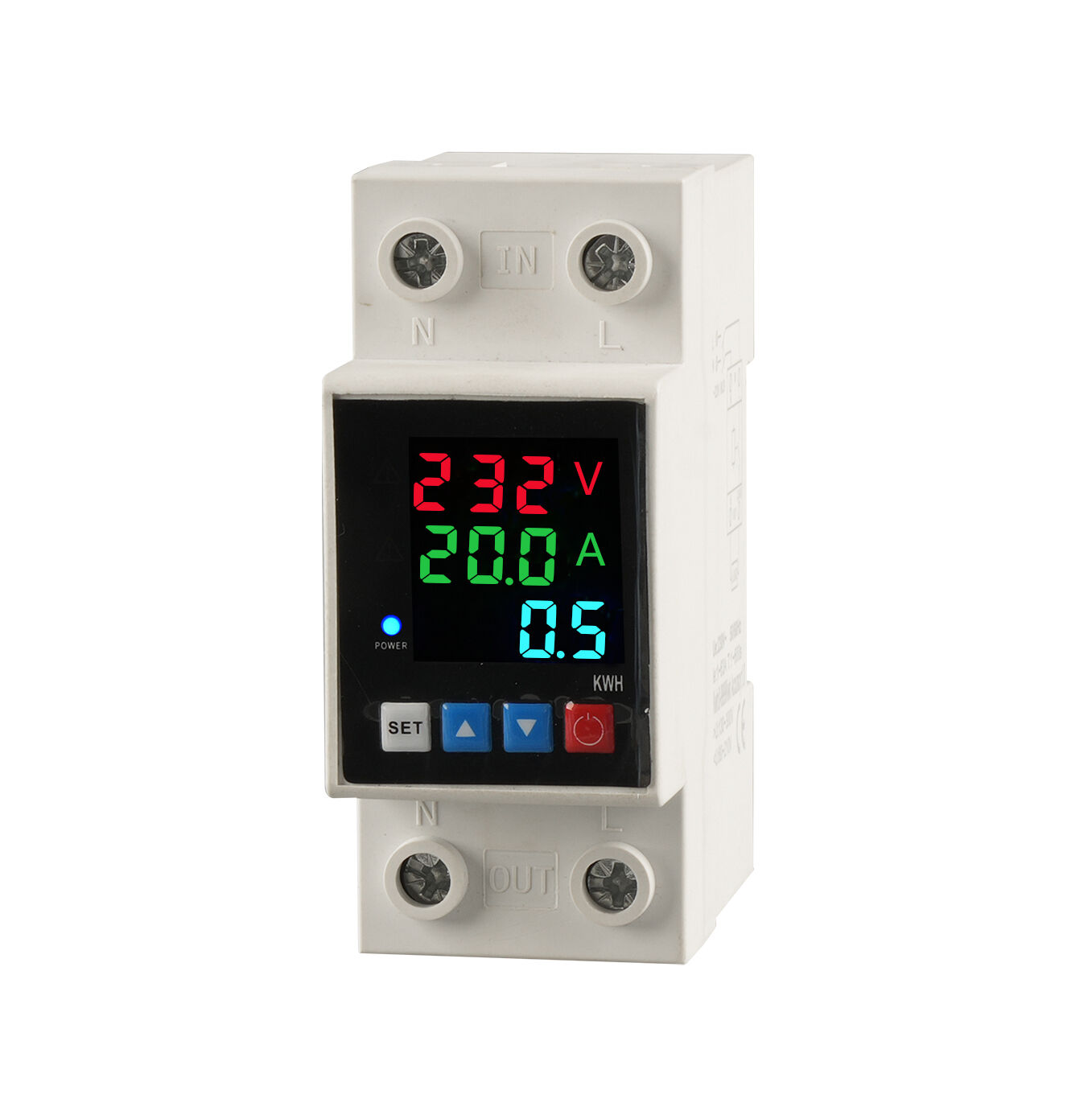
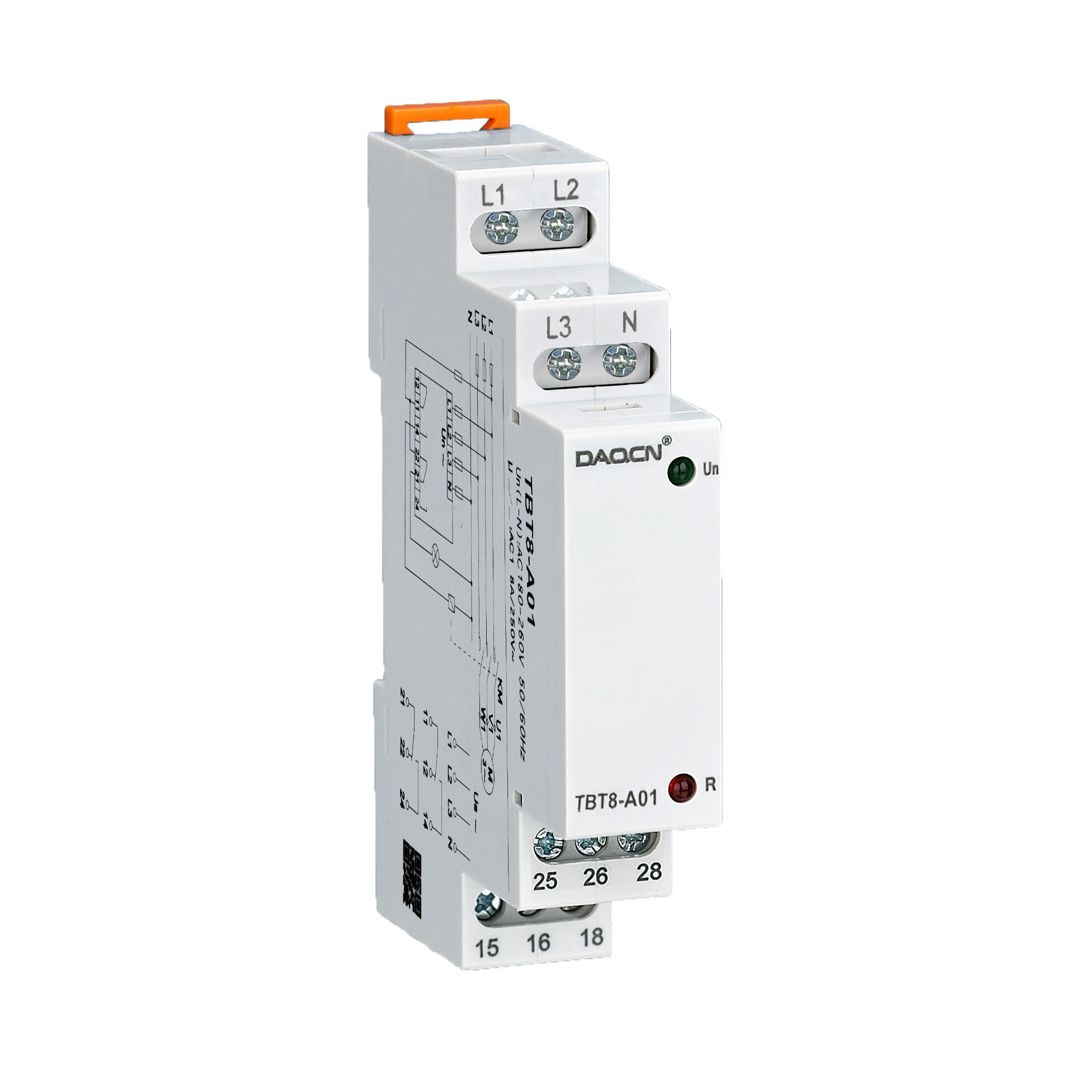
WiFi Automatic Recloser: Advanced Smart Grid Technology for Enhanced Power Distribution

All Categories

Get a Free Quote

Our representative will contact you soon.
Email
Name
Company Name
Mobile/WhatsApp
Message
0/1000

wifi automatic recloser

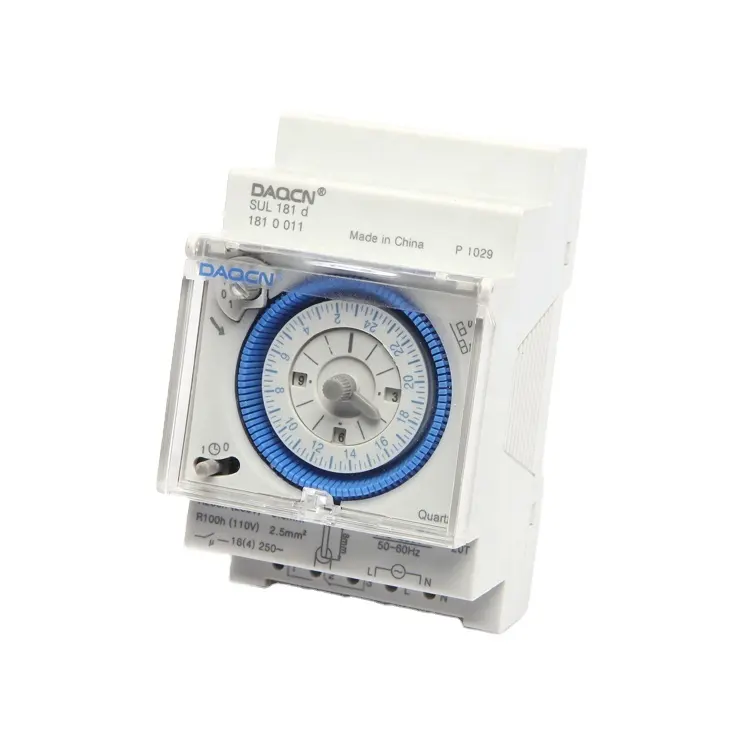
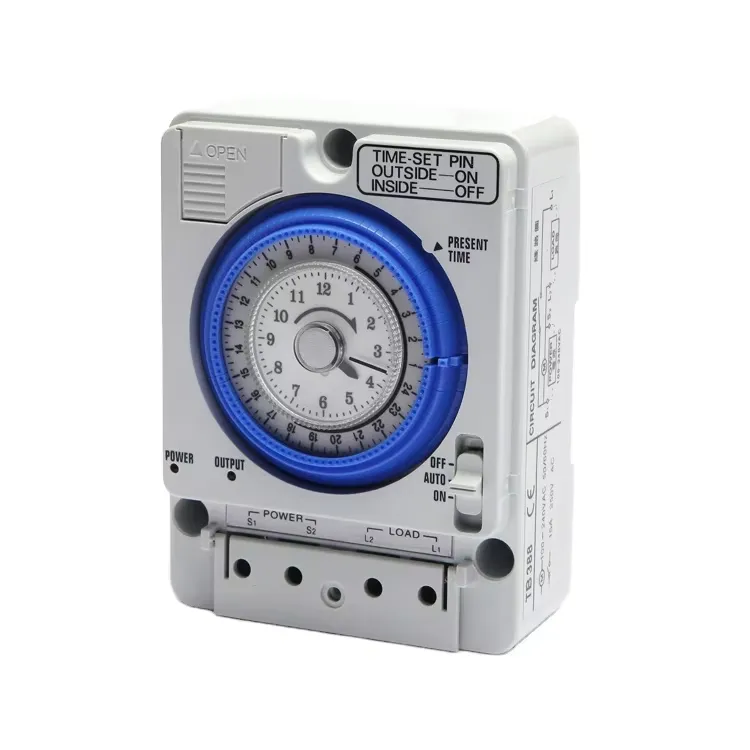
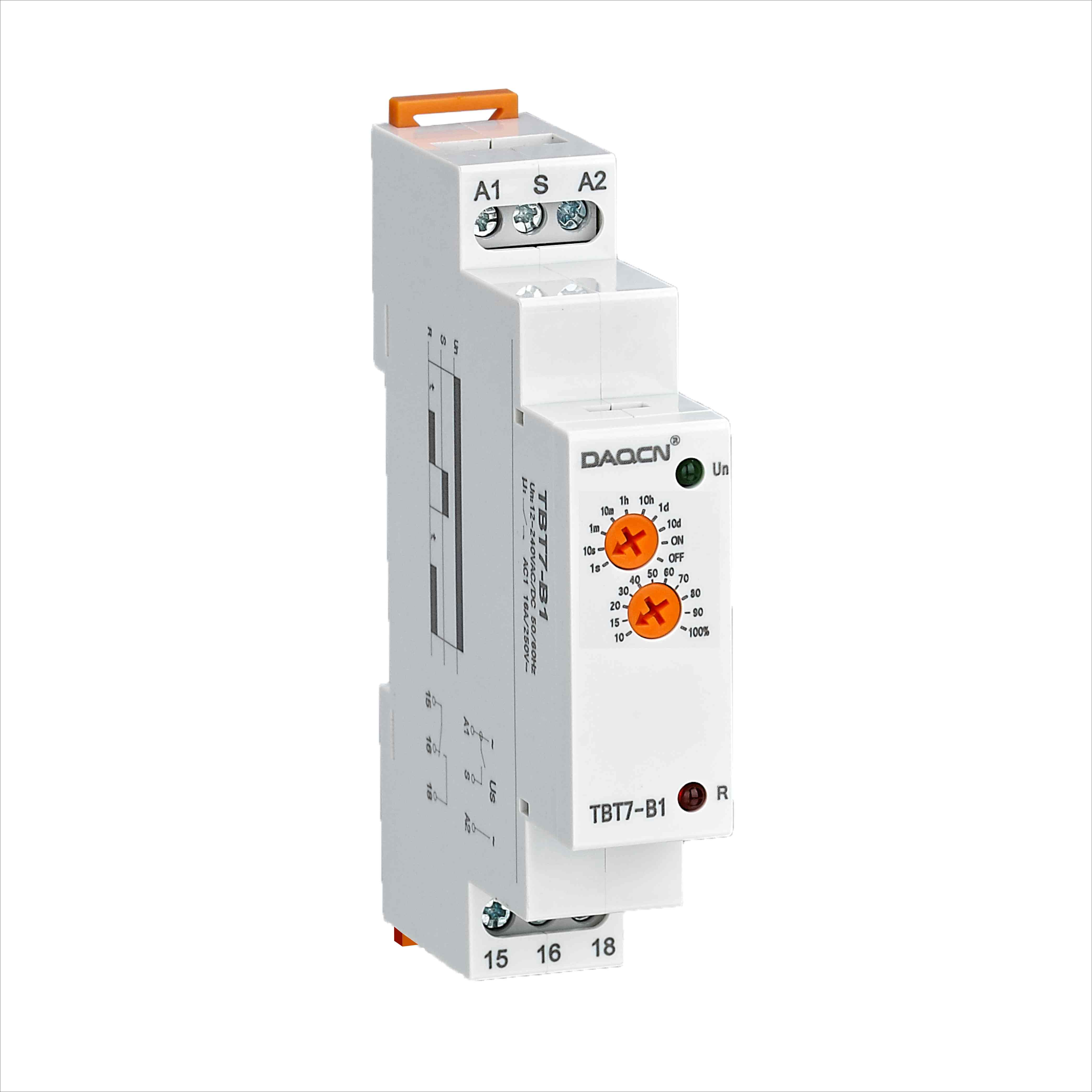
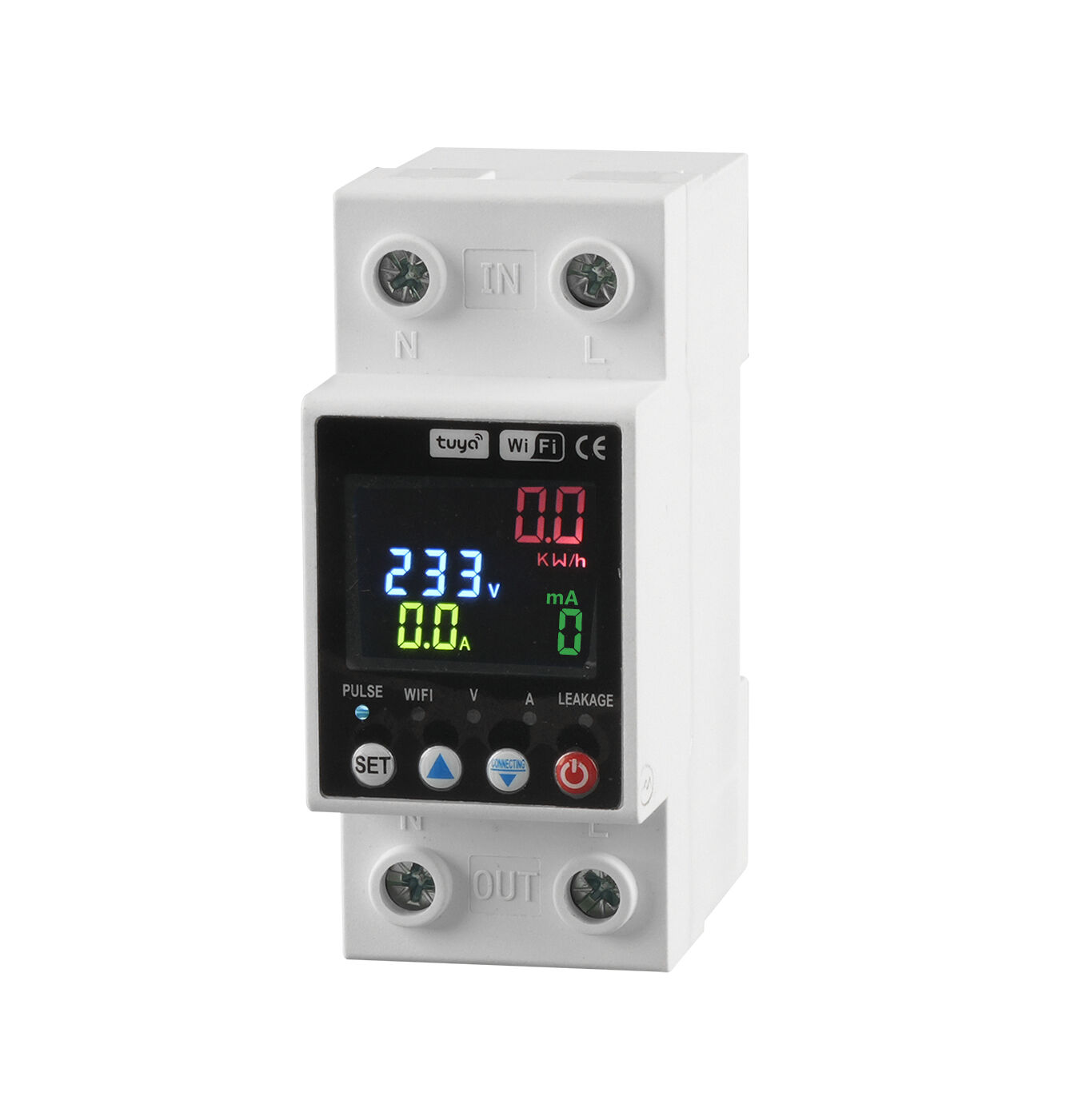
The wifi automatic recloser represents a revolutionary advancement in electrical power distribution technology, combining traditional circuit protection with cutting-edge wireless connectivity. This sophisticated device serves as an intelligent switching mechanism designed to automatically restore electrical service after temporary faults while maintaining comprehensive system monitoring capabilities. The wifi automatic recloser incorporates advanced microprocessor-based control systems that enable precise fault detection, analysis, and automated response protocols. Its primary function involves detecting electrical faults such as short circuits, ground faults, and overcurrent conditions, then automatically opening to isolate the problematic section of the power network. After a predetermined time interval, the wifi automatic recloser attempts to restore service by closing the circuit, effectively eliminating temporary faults without requiring manual intervention from utility personnel. The technological framework of this device integrates sophisticated sensors, communication modules, and control algorithms that work seamlessly together. The wireless connectivity feature enables real-time data transmission to centralized control systems, allowing operators to monitor network performance, receive instant fault notifications, and execute remote control commands. This connectivity extends beyond basic communication, encompassing comprehensive data analytics, predictive maintenance capabilities, and integration with smart grid infrastructure. Applications for the wifi automatic recloser span across various sectors including municipal power distribution, industrial facilities, renewable energy installations, and rural electrification projects. In urban environments, these devices enhance grid reliability by minimizing outage duration and reducing the need for manual fault location procedures. Industrial applications benefit from improved power quality and reduced downtime costs. Rural deployment scenarios particularly value the remote monitoring capabilities, as these areas often lack immediate access to maintenance personnel. The device supports multiple communication protocols and can integrate with existing supervisory control and data acquisition systems, making it adaptable to diverse operational environments and utility management frameworks.

Popular Products

The wifi automatic recloser delivers exceptional operational benefits that transform how electrical utilities manage power distribution networks. The primary advantage lies in its ability to dramatically reduce outage duration through automated fault clearance and service restoration. Traditional manual restoration processes often require hours of troubleshooting and travel time for maintenance crews, whereas the wifi automatic recloser can restore service within seconds or minutes after temporary faults clear naturally. This rapid response capability translates directly into improved customer satisfaction and reduced revenue losses for utility companies. The wireless communication functionality provides unprecedented visibility into network operations, enabling proactive maintenance strategies that prevent failures before they occur. Operators can monitor real-time electrical parameters, track equipment performance trends, and receive immediate alerts about abnormal conditions. This enhanced monitoring capability reduces maintenance costs by eliminating unnecessary routine inspections and enabling condition-based maintenance scheduling. The device significantly improves operational efficiency by reducing the number of service calls required for fault investigation and restoration activities. Remote control capabilities allow operators to perform switching operations from centralized locations, eliminating travel time and reducing labor costs. The wifi automatic recloser also enhances safety for utility personnel by minimizing exposure to hazardous electrical equipment during fault conditions. Workers can assess situations remotely and make informed decisions about field activities before dispatching crews to potentially dangerous locations. From a reliability perspective, the device provides multiple protection schemes and backup communication paths, ensuring continued operation even when primary systems experience difficulties. The intelligent coordination features prevent cascading failures by communicating with neighboring devices to optimize protection settings and minimize the impact of electrical disturbances. Cost savings extend beyond operational improvements to include reduced equipment replacement expenses, lower insurance premiums due to improved safety records, and decreased regulatory penalties associated with extended outages. The scalable architecture supports future expansion and technology upgrades, protecting investment value over extended service life. Integration capabilities with smart grid technologies position utilities for future modernization initiatives while providing immediate operational benefits. These combined advantages make the wifi automatic recloser an essential component for utilities seeking to modernize their distribution networks and improve service quality.

Latest News

What makes relay switching faster than manual controls?

25

Dec

What makes relay switching faster than manual controls?

Modern industrial automation demands precision, speed, and reliability that manual control systems simply cannot match. The evolution from manual switching to automated relay systems represents one of the most significant advances in electrical contr...
View More
Why choose analog vs digital timer relay systems?

06

Jan

Why choose analog vs digital timer relay systems?

Industrial automation demands precise timing control, and selecting the right timer relay system can significantly impact operational efficiency and maintenance costs. The choice between analog and digital timer relay technologies represents a fundam...
View More
Which relay type offers the best durability for my needs?

06

Jan

Which relay type offers the best durability for my needs?

Selecting the right relay for your application requires understanding the various types available and their durability characteristics. Industrial professionals face numerous options when choosing between electromagnetic relays, solid-state relays, a...
View More
How to select the right timer relay for your project?

06

Jan

How to select the right timer relay for your project?

Selecting the appropriate timer relay for industrial applications requires careful consideration of various technical specifications and operational requirements. A timer relay serves as a critical component in automation systems, controlling time-de...
View More

Get a Free Quote

Our representative will contact you soon.
Email
Name
Company Name
Mobile/WhatsApp
Message
0/1000

wifi automatic recloser

Advanced Remote Monitoring and Control Capabilities

Advanced Remote Monitoring and Control Capabilities

The wifi automatic recloser revolutionizes power system management through its comprehensive remote monitoring and control capabilities that provide unprecedented visibility into electrical network operations. This sophisticated feature set transforms traditional reactive maintenance approaches into proactive, data-driven strategies that enhance system reliability and reduce operational costs. The wireless communication system continuously transmits real-time electrical parameters including voltage, current, power factor, and frequency measurements to centralized control centers, enabling operators to monitor network health and performance from any location. The advanced monitoring capabilities extend beyond basic electrical measurements to include environmental conditions, equipment temperature, and operational status indicators that provide complete situational awareness. The remote control functionality allows operators to perform critical switching operations without dispatching field personnel, significantly reducing response times during emergency situations and planned maintenance activities. This capability proves particularly valuable during severe weather events when travel to remote locations becomes dangerous or impossible for maintenance crews. The wifi automatic recloser supports bidirectional communication protocols that enable both data transmission and command reception, creating a truly interactive management experience. Operators can adjust protection settings, modify operating sequences, and update firmware remotely, ensuring optimal performance without requiring physical access to equipment. The system maintains detailed event logs and historical data that support forensic analysis after fault events, enabling continuous improvement of protection schemes and operational procedures. Integration with geographic information systems provides visual representation of network topology and real-time status updates, enhancing operator understanding of system conditions and facilitating rapid decision-making during emergency response situations. The monitoring capabilities support predictive maintenance strategies by identifying gradual equipment degradation before catastrophic failures occur, extending equipment life and reducing replacement costs. Advanced analytics algorithms process collected data to identify patterns and trends that indicate potential problems, enabling proactive intervention that prevents service interruptions. The secure communication protocols protect sensitive operational data while ensuring reliable connectivity across diverse network environments, maintaining system integrity and preventing unauthorized access to critical infrastructure controls.
Intelligent Fault Detection and Automated Response Systems

Intelligent Fault Detection and Automated Response Systems

The wifi automatic recloser incorporates state-of-the-art fault detection algorithms and automated response mechanisms that provide superior protection for electrical distribution networks while minimizing service interruptions for end customers. The intelligent detection system utilizes advanced signal processing techniques to distinguish between temporary and permanent faults with exceptional accuracy, reducing unnecessary outages caused by transient events such as lightning strikes or brief contact with vegetation. The sophisticated microprocessor-based control system analyzes electrical waveforms in real-time, identifying fault characteristics and determining appropriate response strategies within milliseconds of fault occurrence. This rapid analysis capability enables the device to implement coordinated protection schemes that isolate faulted sections while maintaining service to unaffected areas of the network. The automated response system operates through programmable logic sequences that can be customized for specific operating conditions and utility requirements. The wifi automatic recloser can execute multiple reclosing attempts with variable timing intervals, allowing temporary faults to clear naturally while preventing sustained arcing that could cause equipment damage. The intelligent coordination features communicate with upstream and downstream protection devices to optimize protection settings and prevent conflicts that could lead to unnecessary outages or equipment damage. The fault detection capabilities extend to various fault types including phase-to-phase faults, phase-to-ground faults, and overcurrent conditions, with sensitivity adjustments that accommodate different load conditions and network configurations. The system maintains detailed fault records including pre-fault conditions, fault characteristics, and post-fault system status, providing valuable data for system analysis and improvement initiatives. The automated response mechanisms include voltage and frequency monitoring that ensures power quality standards are maintained throughout the restoration process, protecting sensitive customer equipment from damage due to poor power quality. The device supports multiple protection curves and can switch between different settings based on time of day, seasonal variations, or special operating conditions, providing optimal protection for varying load patterns. The intelligent systems continuously self-monitor for proper operation and can alert operators to potential issues before they impact protection performance, ensuring reliable operation throughout the equipment service life. This comprehensive fault management approach reduces customer outage time by up to 80 percent compared to traditional protection schemes while improving overall system reliability and reducing maintenance costs for utility operators.
Seamless Smart Grid Integration and Future-Ready Technology

Seamless Smart Grid Integration and Future-Ready Technology

The wifi automatic recloser serves as a cornerstone technology for smart grid implementation, offering seamless integration capabilities that enable utilities to modernize their distribution networks while maintaining compatibility with existing infrastructure. The device incorporates open communication standards and flexible interface options that support integration with diverse supervisory control and data acquisition systems, advanced distribution management systems, and emerging smart grid technologies. The future-ready architecture ensures long-term investment protection by supporting software upgrades and feature enhancements that can be deployed remotely without requiring equipment replacement. The interoperability features enable coordination with distributed energy resources including solar installations, wind generation, and energy storage systems, supporting the transition to renewable energy sources while maintaining system stability and reliability. The wifi automatic recloser contributes to grid modernization efforts by providing the communication infrastructure and intelligent control capabilities necessary for implementing advanced applications such as fault location isolation and service restoration, volt-var optimization, and demand response programs. The device supports multiple communication protocols simultaneously, enabling integration with legacy systems while providing pathways for future technology adoption. The cyber security features incorporate industry-standard encryption and authentication protocols that protect against unauthorized access while ensuring reliable communication with authorized systems. The scalable architecture allows utilities to implement smart grid capabilities incrementally, starting with basic remote monitoring and expanding to advanced applications as operational requirements evolve. The wifi automatic recloser supports distributed intelligence concepts by enabling local decision-making that reduces dependence on centralized control systems while maintaining coordination with overall grid management strategies. The device contributes to grid resilience by providing automated response capabilities that can operate independently during communication failures while restoring full functionality when connectivity is reestablished. The integration capabilities extend to customer information systems, enabling enhanced outage communication and improved customer service during system disturbances. The technology platform supports third-party applications through standardized interfaces, enabling utilities to leverage specialized software solutions for specific operational requirements. The forward-compatible design ensures that investments in wifi automatic recloser technology will continue to provide value as smart grid technologies mature and evolve, making it an essential component for utilities preparing for the future of electrical power distribution.

Get a Free Quote

Our representative will contact you soon.
Email
Name
Company Name
Mobile/WhatsApp
Message
0/1000