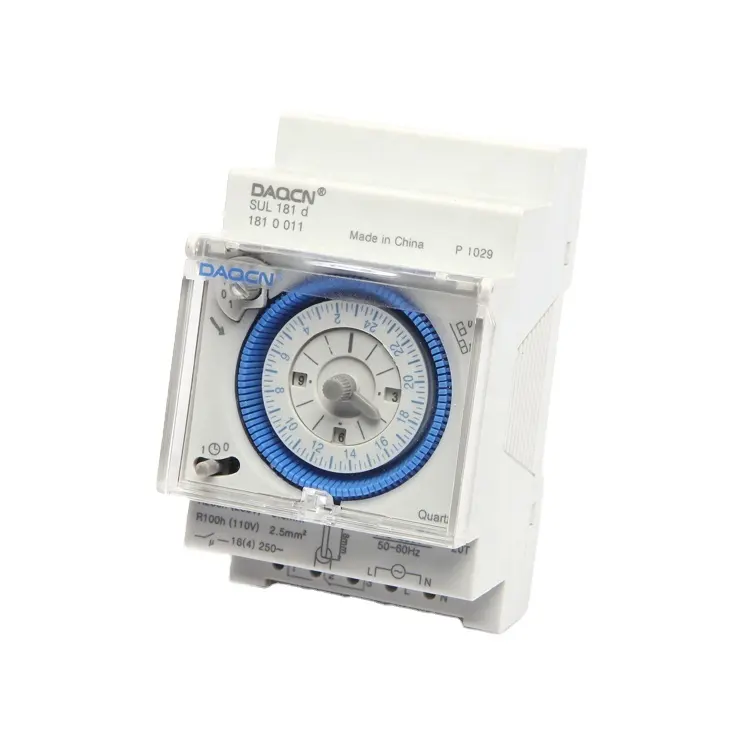
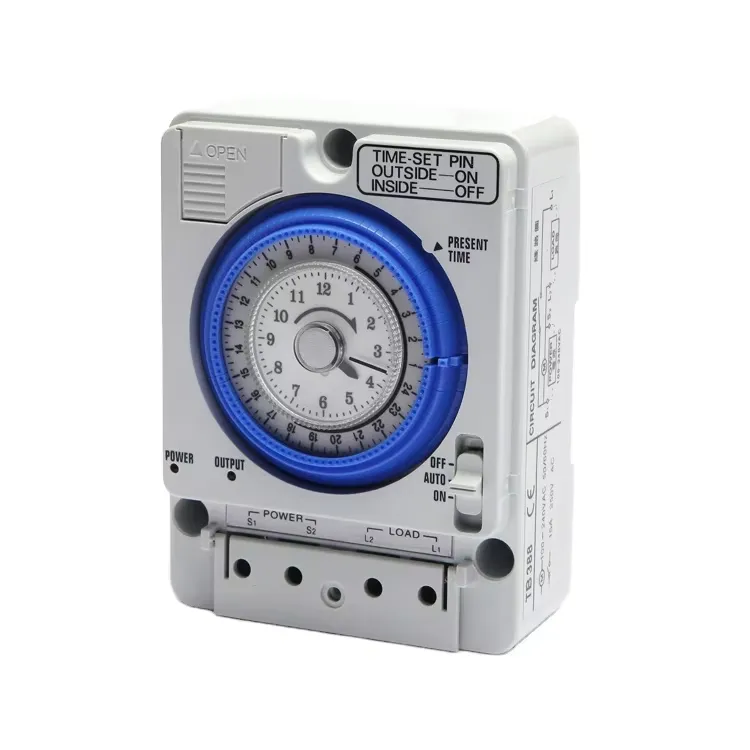
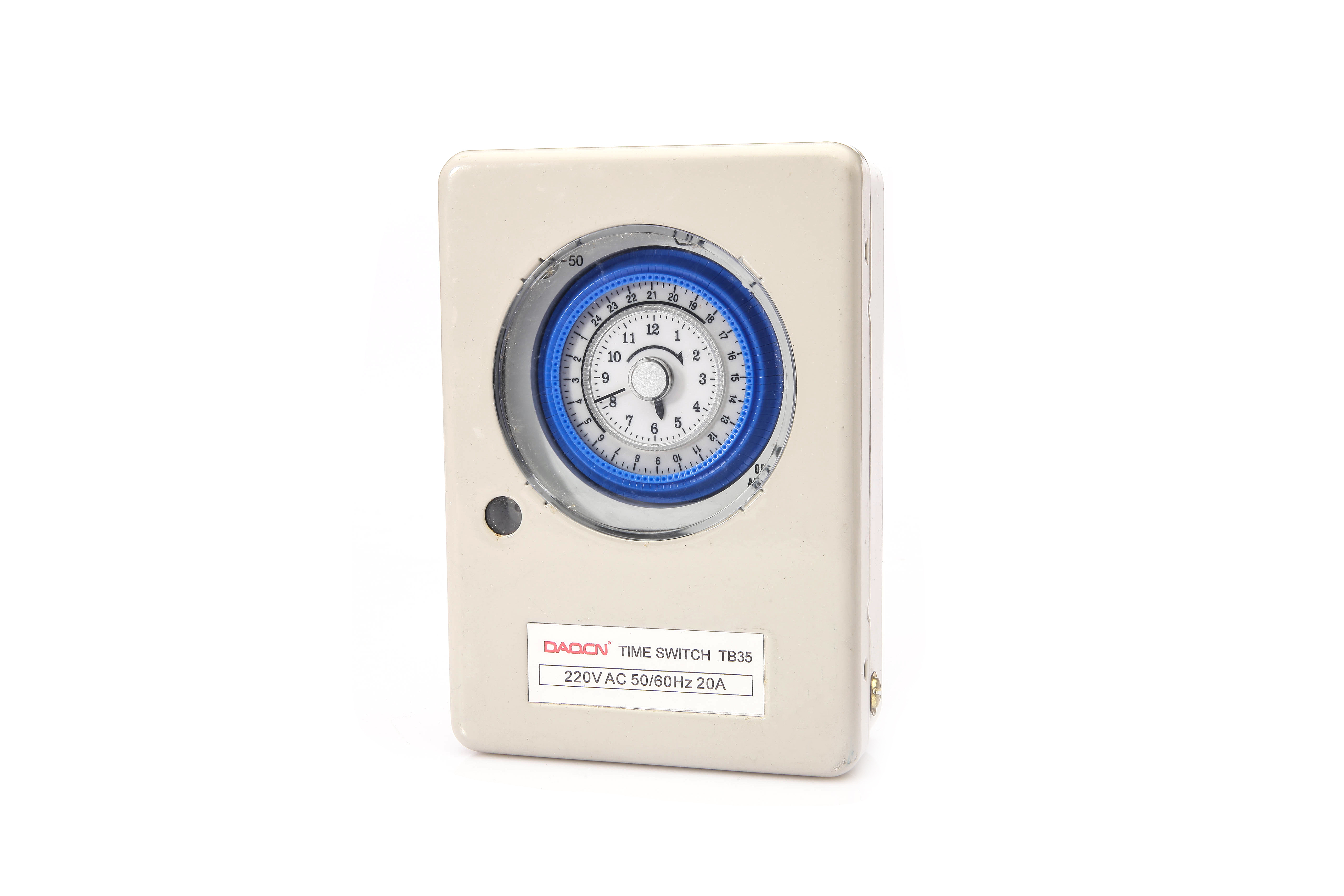
12 hour timer switch
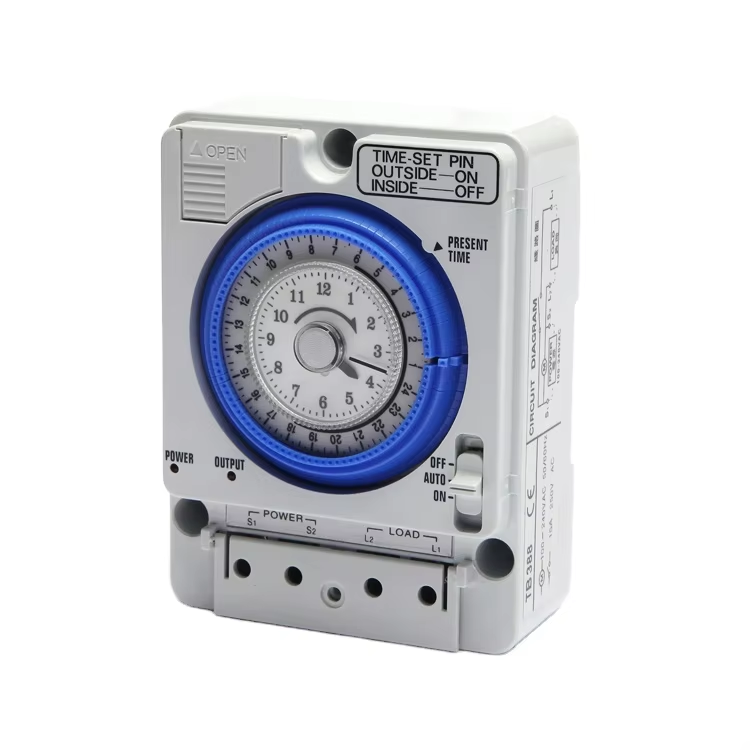
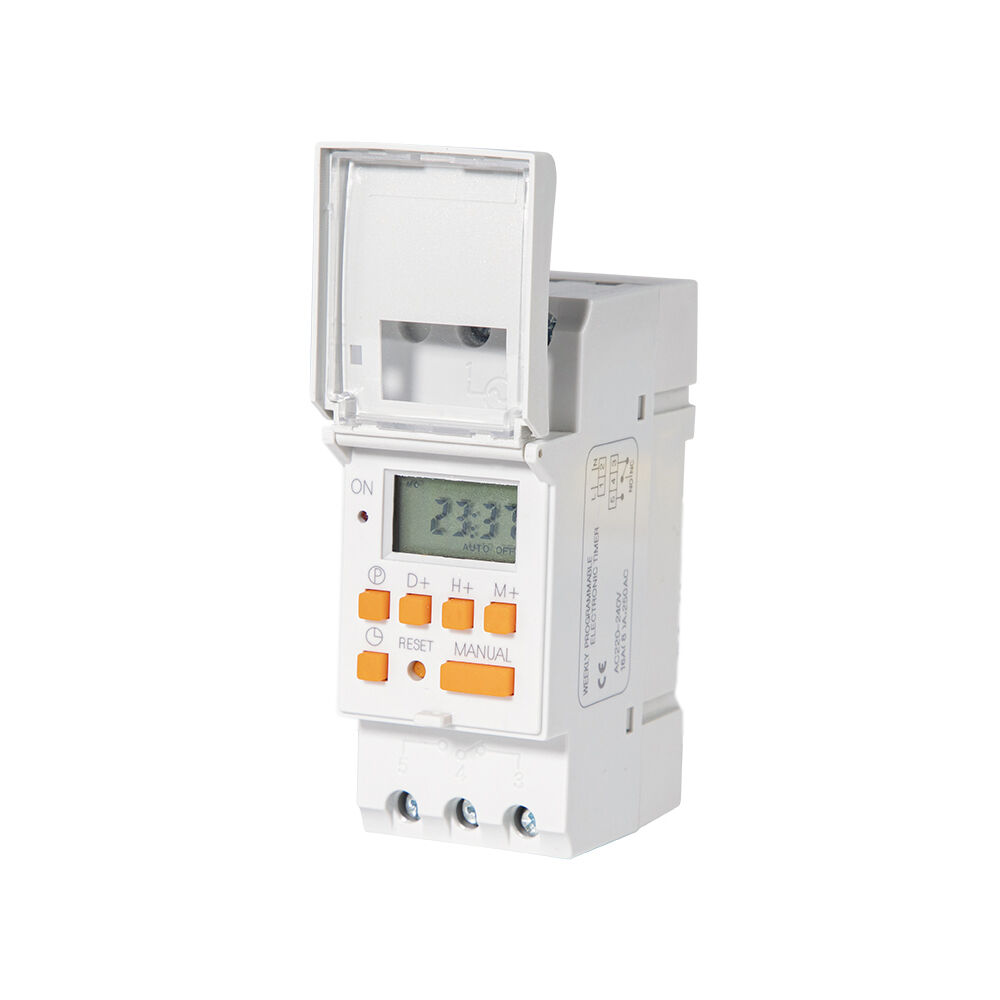
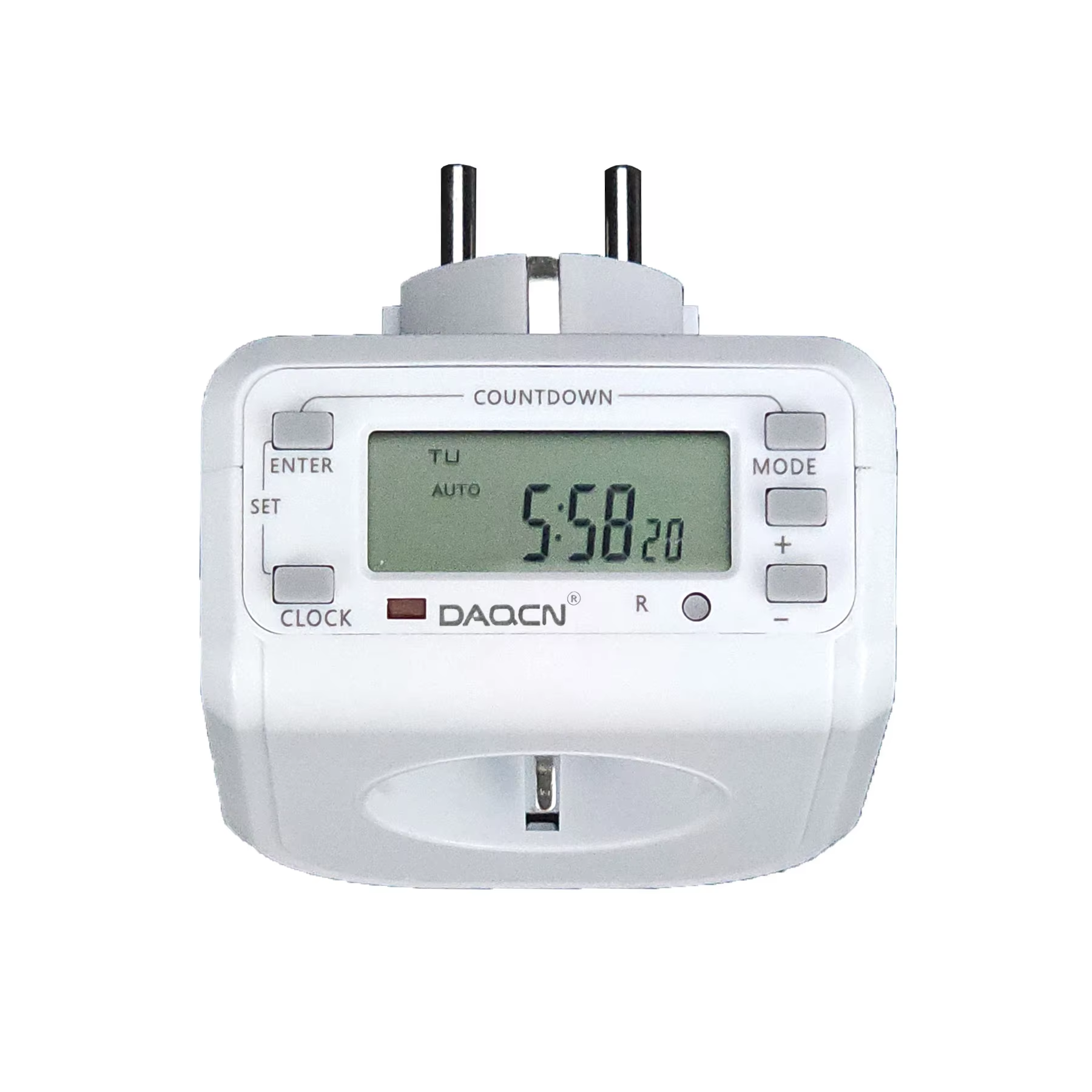
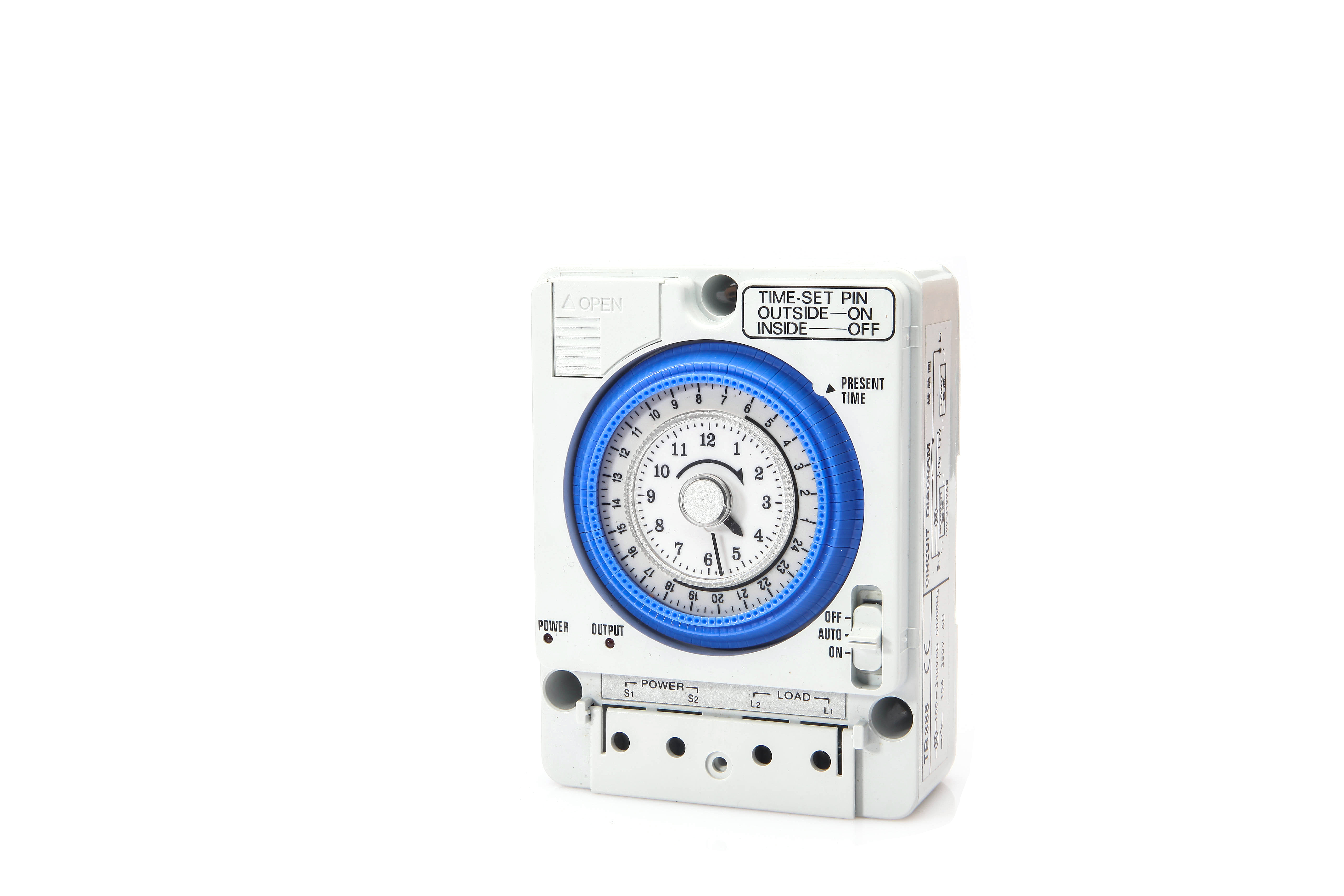
A 12 hour timer switch represents an essential electrical control device designed to automate power management across residential, commercial, and industrial applications. This sophisticated timing mechanism operates on a dual-cycle system that divides each day into two distinct 12-hour periods, providing users with precise control over electrical circuits and connected devices. The fundamental purpose of a 12 hour timer switch centers on energy efficiency, convenience, and automated scheduling capabilities that eliminate manual intervention while ensuring optimal power distribution. Modern 12 hour timer switches incorporate advanced digital technology, featuring LCD displays, multiple programming options, and reliable switching mechanisms that handle various electrical loads safely. These devices typically support both mechanical and electronic configurations, with electronic versions offering superior accuracy and extended programming flexibility. The core functionality revolves around preset timing sequences that automatically engage and disengage electrical circuits according to user-defined schedules. Installation procedures remain straightforward, requiring basic electrical knowledge and standard mounting hardware. Most 12 hour timer switches accommodate standard voltage ranges from 110V to 240V, making them compatible with diverse electrical systems worldwide. Safety features include overload protection, surge resistance, and fail-safe mechanisms that prevent equipment damage during power fluctuations. The programming interface allows users to establish multiple on-off cycles within each 12-hour period, supporting complex scheduling requirements for various applications. Memory backup systems ensure programmed settings remain intact during brief power outages, maintaining consistent operation without reprogramming. Temperature compensation technology helps maintain timing accuracy across different environmental conditions, while robust construction materials provide long-lasting durability in challenging installations. Professional-grade models often include remote control capabilities, smartphone integration, and advanced diagnostic features that enhance operational monitoring and maintenance efficiency.
 EN
EN