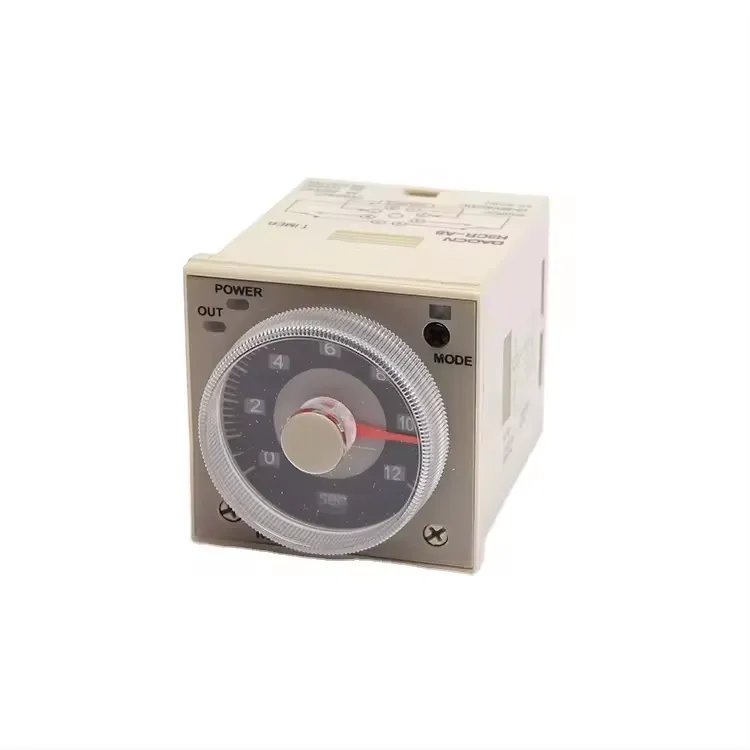
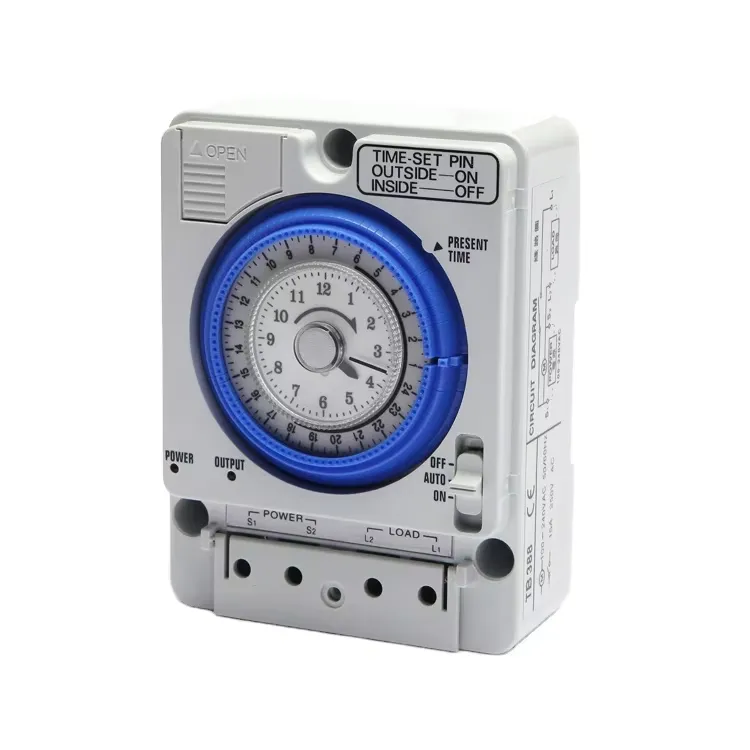
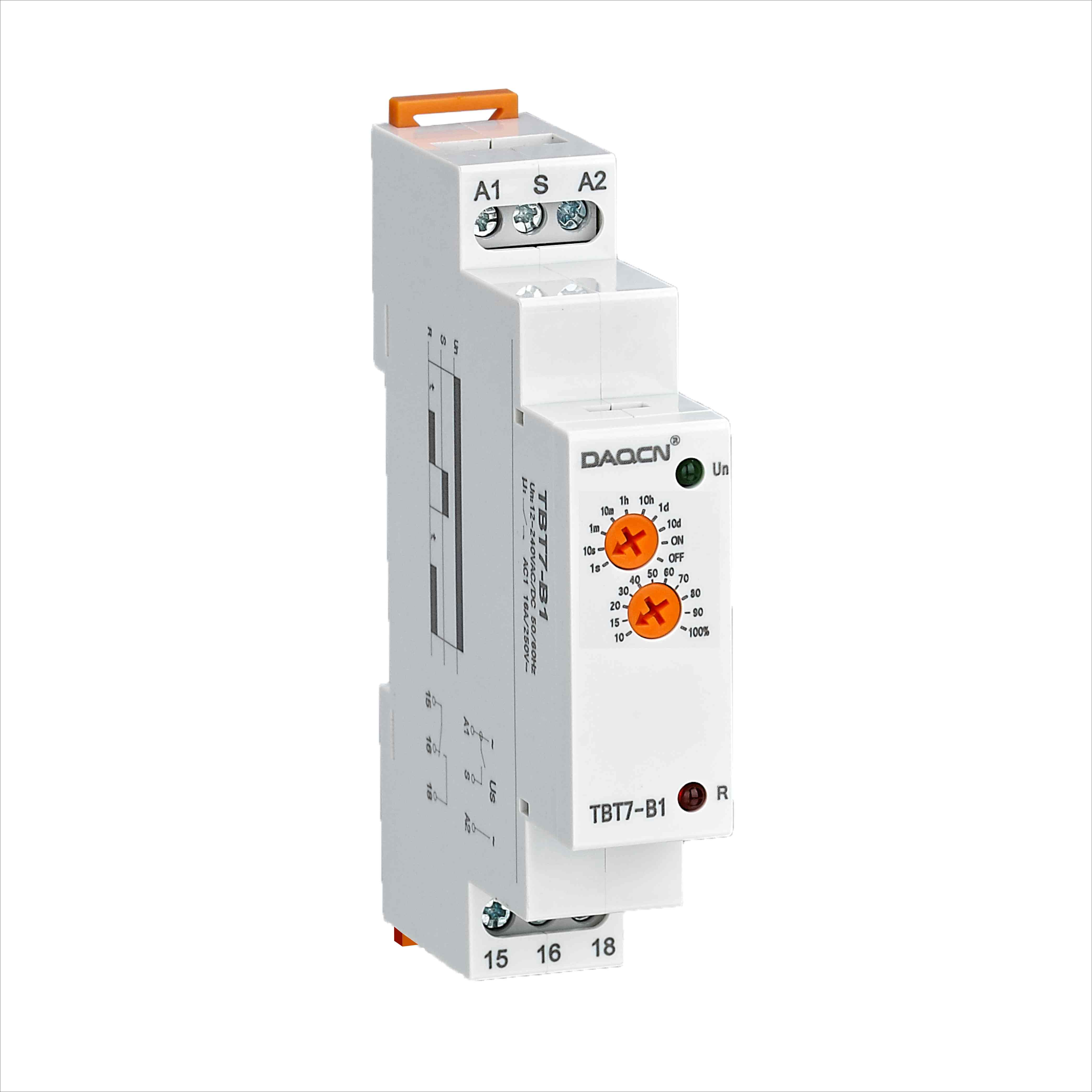
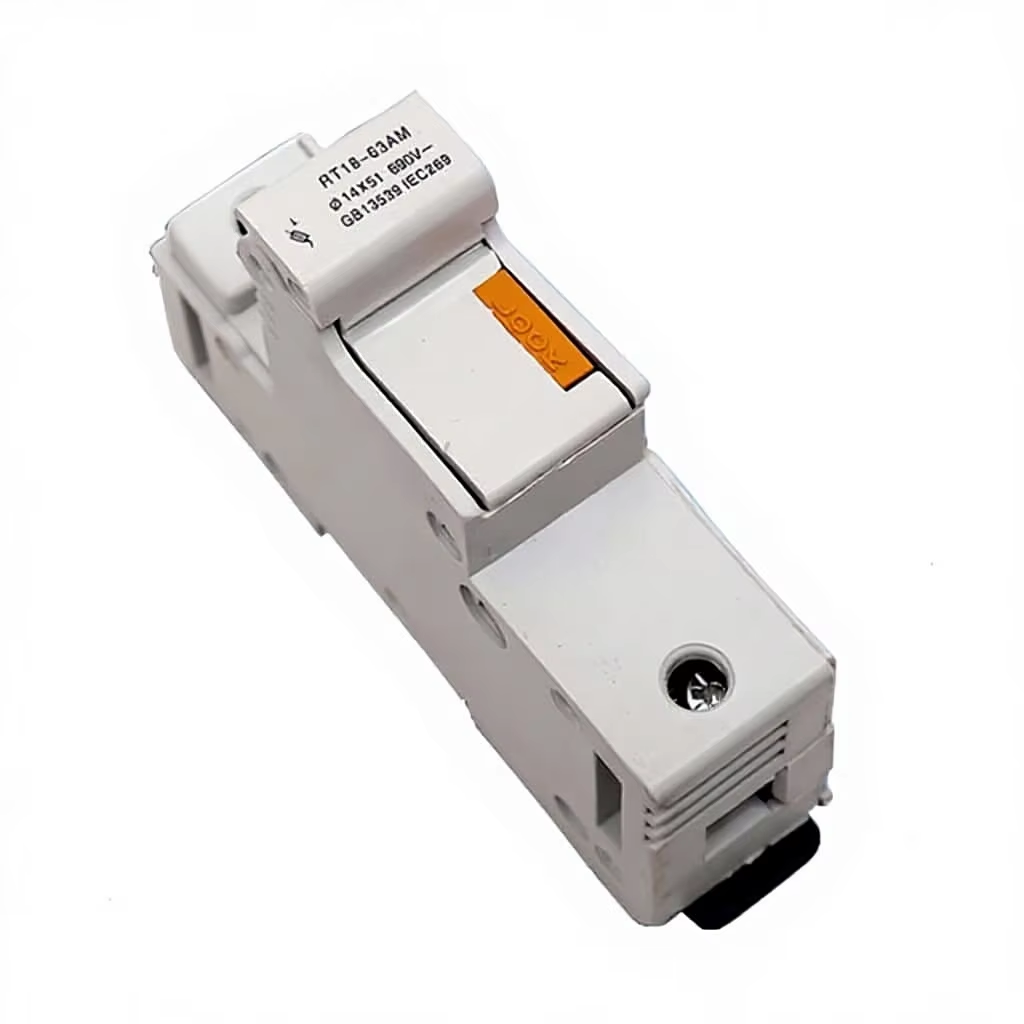
3 Phase Fuse: Advanced Three-Phase Electrical Protection Solutions for Industrial and Commercial Applications

All Categories

Get a Free Quote

Our representative will contact you soon.
Email
Name
Company Name
Mobile/WhatsApp
Message
0/1000

3 phase fuse

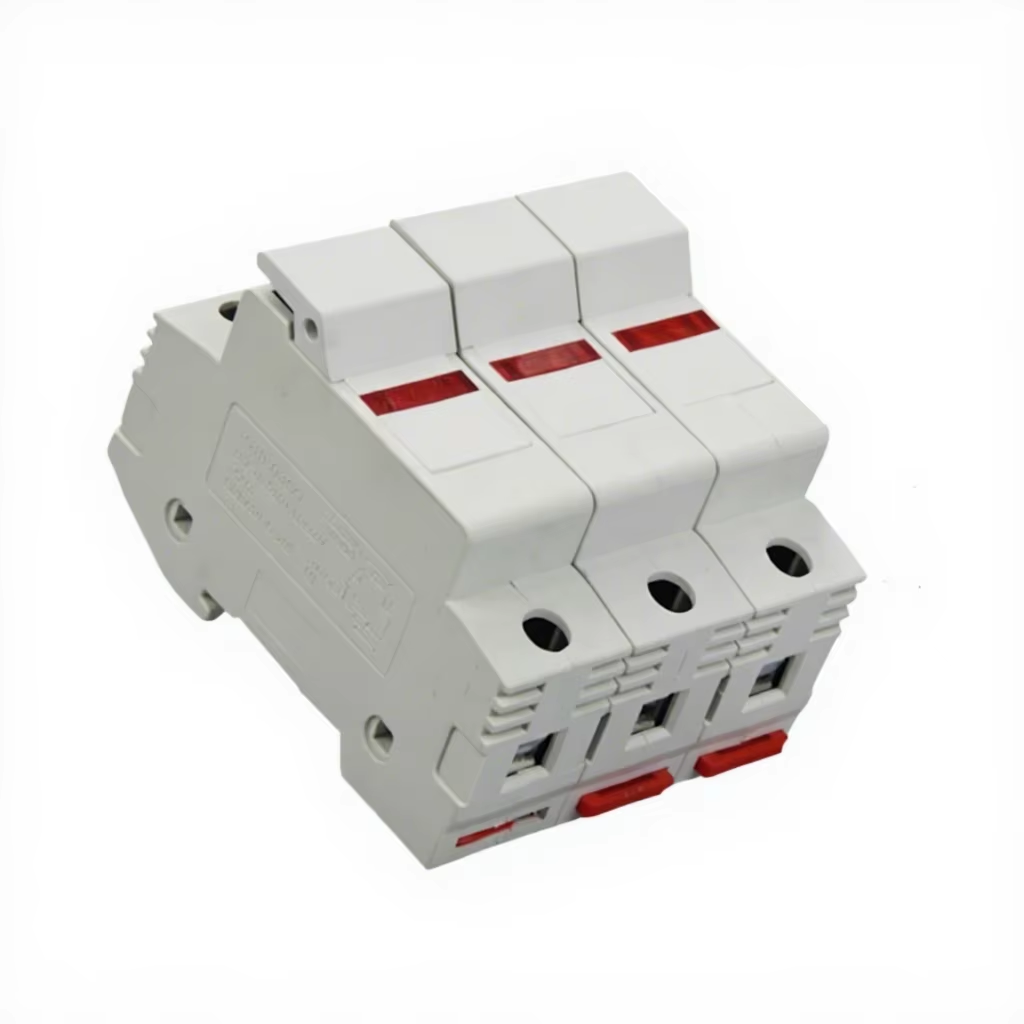
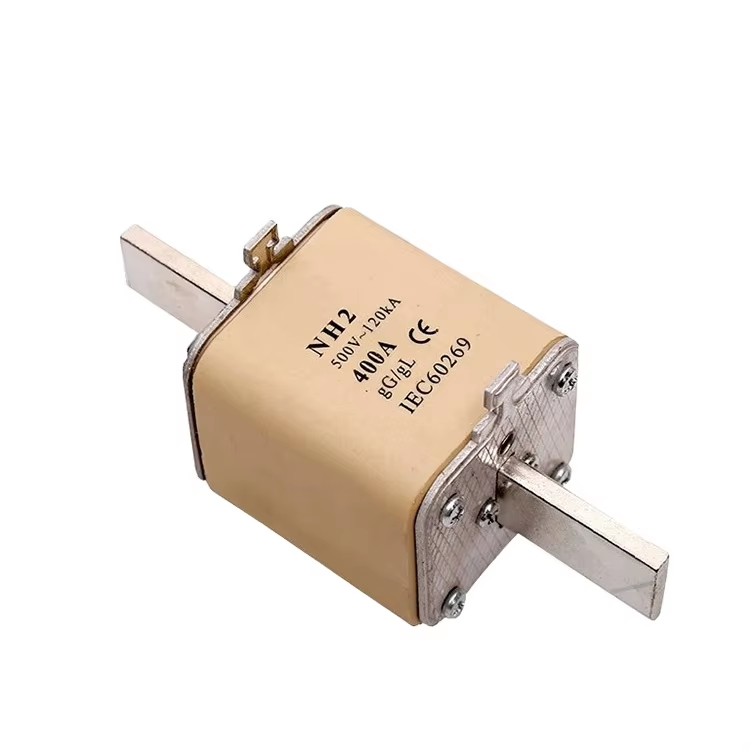
A 3 phase fuse represents a critical electrical protection component designed specifically for three-phase power systems, which are commonly used in industrial, commercial, and large residential applications. This specialized protective device operates by interrupting electrical current flow when dangerous overcurrent conditions occur, safeguarding expensive equipment and preventing potential fire hazards. Unlike single-phase fuses that protect individual circuits, a 3 phase fuse system simultaneously monitors and protects all three electrical phases, ensuring comprehensive circuit protection across the entire power distribution network. The fundamental operation principle involves a fusible element that melts when exposed to excessive current, effectively breaking the circuit and stopping power flow to downstream equipment. Modern 3 phase fuse designs incorporate advanced materials and engineering techniques that provide precise current ratings, fast response times, and reliable performance under various environmental conditions. These protective devices feature robust construction with ceramic or glass bodies that contain the arc generated during fuse operation, preventing external damage and maintaining safety standards. The technological specifications typically include current ratings ranging from a few amperes to several thousand amperes, voltage ratings suitable for low and medium voltage applications, and interrupting capacities that can handle substantial fault currents. Installation flexibility allows mounting in various configurations including panel boards, switchgear, and motor control centers. The 3 phase fuse technology incorporates time-current characteristics that provide selective coordination with other protective devices, ensuring that only the fuse closest to the fault operates while maintaining power to unaffected circuits. Advanced designs may include indicating mechanisms that visually show when a fuse has operated, facilitating quick identification and replacement. Applications span across manufacturing facilities, data centers, hospitals, commercial buildings, and infrastructure projects where reliable three-phase power protection is essential for operational continuity and equipment longevity.

New Product Recommendations

The 3 phase fuse delivers exceptional reliability that surpasses many alternative protection methods, providing users with consistent performance that minimizes unexpected downtime and costly equipment failures. This reliability stems from the simple yet effective design that contains no moving parts, reducing the likelihood of mechanical failure and ensuring dependable operation even in harsh industrial environments. Users benefit from significantly lower maintenance requirements compared to circuit breakers, as 3 phase fuse systems operate maintenance-free for years without requiring periodic testing or calibration. The cost-effectiveness becomes immediately apparent through reduced initial investment costs and minimal ongoing operational expenses, making the 3 phase fuse an economical choice for budget-conscious facilities. Installation simplicity allows electrical technicians to quickly mount and connect these devices without specialized tools or extensive training, reducing project timelines and labor costs. The compact design footprint enables efficient use of panel space, particularly valuable in crowded electrical installations where space optimization is crucial. Superior current limiting capabilities provide exceptional equipment protection by reducing the magnitude of fault currents that reach downstream components, thereby extending equipment life and reducing replacement costs. The 3 phase fuse responds faster than most circuit breakers during fault conditions, minimizing the duration of harmful overcurrent exposure to sensitive equipment. Energy efficiency remains high because these devices introduce minimal resistance to normal current flow, reducing power losses and operating costs. Selective coordination features ensure that only the affected circuit loses power during fault conditions, maintaining continuity of service to critical operations. Environmental resilience allows reliable operation across wide temperature ranges and in challenging conditions including dust, moisture, and vibration. The 3 phase fuse technology accommodates various voltage levels and current ratings, providing flexible solutions for diverse applications. Replacement procedures are straightforward and quick, minimizing service interruption time when maintenance is required. Safety features include clear visual indication of fuse status and secure containment of arc energy during operation, protecting personnel and adjacent equipment from potential hazards.

Tips And Tricks

When should you use a timer relay for automation?

25

Dec

When should you use a timer relay for automation?

Industrial automation systems require precise timing control to ensure optimal performance, safety, and efficiency across manufacturing processes. A timer relay serves as a crucial component in these systems, providing accurate time-based switching c...
View More
Why choose analog vs digital timer relay systems?

06

Jan

Why choose analog vs digital timer relay systems?

Industrial automation demands precise timing control, and selecting the right timer relay system can significantly impact operational efficiency and maintenance costs. The choice between analog and digital timer relay technologies represents a fundam...
View More
How to choose the right relay for industrial automation?

06

Jan

How to choose the right relay for industrial automation?

Industrial automation systems rely heavily on precise electrical control components, with the relay serving as one of the most fundamental switching devices. Understanding how to select the appropriate relay for your automation application can signif...
View More
How to select the right timer relay for your project?

06

Jan

How to select the right timer relay for your project?

Selecting the appropriate timer relay for industrial applications requires careful consideration of various technical specifications and operational requirements. A timer relay serves as a critical component in automation systems, controlling time-de...
View More

Get a Free Quote

Our representative will contact you soon.
Email
Name
Company Name
Mobile/WhatsApp
Message
0/1000

3 phase fuse

Advanced Current Limiting Technology for Superior Equipment Protection

Advanced Current Limiting Technology for Superior Equipment Protection

The 3 phase fuse incorporates sophisticated current limiting technology that represents a significant advancement in electrical protection systems, delivering unparalleled equipment safeguarding capabilities that extend far beyond basic overcurrent protection. This innovative feature works by rapidly interrupting fault currents before they can reach their potential peak values, effectively reducing the mechanical and thermal stresses imposed on electrical equipment during fault conditions. The current limiting action occurs within the first few milliseconds of a fault, demonstrating the exceptional speed and precision of modern 3 phase fuse design. This rapid response capability prevents the devastating effects of high fault currents that can cause catastrophic damage to transformers, motors, switchgear, and other expensive electrical components. The technology utilizes specially engineered fusible elements that create high resistance when melting, forcing the fault current to decrease rapidly rather than allowing it to continue building to dangerous levels. This protection mechanism significantly reduces the replacement costs associated with equipment damage, as components experience much lower stress levels during fault conditions. Manufacturing facilities particularly benefit from this feature because production equipment investments are protected from the severe electromagnetic forces and heating effects that accompany high fault currents. The current limiting characteristics of a 3 phase fuse also reduce the required interrupting capacity ratings of downstream protective devices, allowing the use of less expensive equipment while maintaining adequate protection levels. Additionally, this technology minimizes arc flash incidents, enhancing worker safety during maintenance operations and reducing the severity of electrical accidents. The precise engineering behind current limiting ensures consistent performance across various fault scenarios, providing reliable protection regardless of the fault magnitude or system configuration. Users experience reduced insurance premiums and lower total cost of ownership due to the enhanced protection provided by this advanced current limiting technology, making the 3 phase fuse an intelligent investment for any electrical system requiring robust protection capabilities.
Exceptional Reliability and Maintenance-Free Operation

Exceptional Reliability and Maintenance-Free Operation

The 3 phase fuse delivers outstanding reliability through its fundamentally simple yet highly effective design philosophy that eliminates common failure points found in more complex protective devices, resulting in decades of trouble-free operation that significantly reduces maintenance burdens and operational costs. This remarkable reliability stems from the absence of moving parts, electronic components, or mechanical mechanisms that typically require regular maintenance, adjustment, or replacement in other protection systems. The fusible element design represents proven technology that has protected electrical systems for over a century, continuously refined through materials science advances and manufacturing improvements that enhance performance while maintaining inherent simplicity. Users benefit from predictable operation characteristics that remain consistent throughout the device's service life, eliminating the uncertainty associated with aging electronic components or mechanical wear that can compromise protection reliability. The 3 phase fuse construction utilizes high-quality materials including silver-sand fill, ceramic bodies, and precision-manufactured fusible elements that withstand environmental stresses including temperature cycling, humidity, vibration, and chemical exposure without degradation. This robust construction ensures reliable operation in challenging industrial environments where other protective devices might fail or require frequent maintenance. The maintenance-free nature of 3 phase fuse technology translates to substantial cost savings over the system lifetime, as facility managers can allocate maintenance resources to other critical tasks rather than routine protective device servicing. Testing requirements are minimal compared to circuit breakers that need periodic operation verification, reducing safety risks associated with energized equipment testing and minimizing service disruptions. The simple replacement procedure when maintenance is eventually required involves straightforward component substitution that trained electrical personnel can accomplish quickly without specialized equipment or extensive downtime. Long-term reliability data demonstrates exceptional service life measured in decades rather than years, providing users with confidence in their electrical protection investment and reducing lifecycle costs through extended replacement intervals and minimal maintenance requirements.
Comprehensive Three-Phase Protection with Selective Coordination

Comprehensive Three-Phase Protection with Selective Coordination

The 3 phase fuse provides comprehensive protection across all three electrical phases simultaneously while incorporating selective coordination capabilities that ensure optimal system performance and minimal service disruption during fault conditions, representing a sophisticated approach to electrical system protection that balances safety with operational continuity. This comprehensive protection strategy monitors current flow in each phase independently while coordinating responses to ensure that protective actions occur in the proper sequence, isolating faults at the lowest possible level to maintain power to unaffected circuits. The selective coordination feature works through carefully engineered time-current characteristics that create distinct operating zones for different protection levels, ensuring that upstream devices remain stable while downstream 3 phase fuse units respond to local faults. This intelligent coordination prevents nuisance tripping of main protective devices that would unnecessarily interrupt power to entire facilities or large sections of electrical systems. Industrial facilities particularly benefit from this capability because production processes can continue operating even when isolated equipment faults occur, minimizing economic losses associated with unexpected shutdowns. The three-phase monitoring ensures balanced protection across all electrical phases, detecting fault conditions including overcurrent, short circuits, and phase imbalances that could damage sensitive equipment or create safety hazards. Advanced 3 phase fuse designs incorporate precise calibration that maintains coordination even under varying load conditions and system configurations, providing consistent protection performance regardless of operational changes. The coordination capabilities extend to integration with other protective devices including circuit breakers, relays, and motor starters, creating a comprehensive protection scheme that optimizes both safety and reliability. Users experience improved system availability because selective coordination minimizes the scope of outages, reducing the number of affected circuits and enabling faster restoration of normal operations. The comprehensive protection approach also simplifies system design and commissioning because protection engineers can rely on well-established coordination principles rather than complex programming or setup procedures required by some alternative protection methods. This results in reduced engineering costs and faster project completion while ensuring robust protection that meets or exceeds industry safety standards and regulatory requirements.

Get a Free Quote

Our representative will contact you soon.
Email
Name
Company Name
Mobile/WhatsApp
Message
0/1000