Control Fuse Systems: Advanced Electrical Protection with Smart Monitoring Technology

All Categories

Get a Free Quote

Our representative will contact you soon.
Email
Name
Company Name
Mobile/WhatsApp
Message
0/1000

control fuse

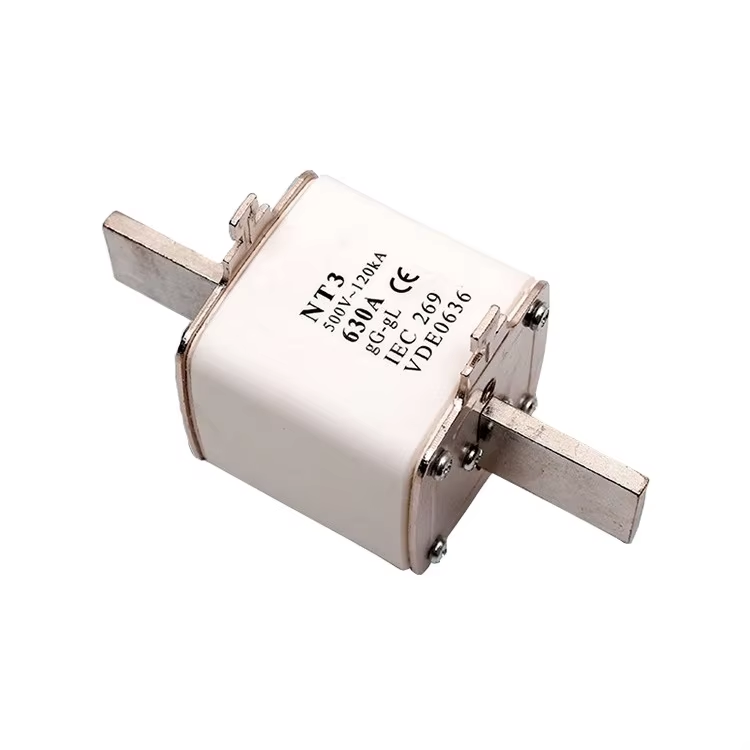
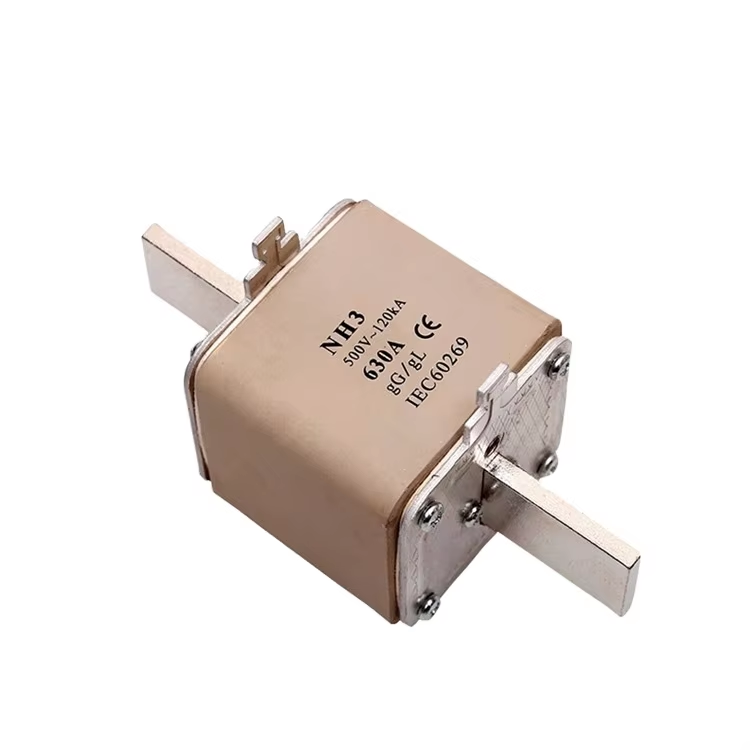
A control fuse represents a critical safety component in electrical systems, designed to protect circuits from overcurrent conditions while maintaining precise operational parameters. Unlike standard fuses, a control fuse incorporates advanced monitoring and protective capabilities that make it essential for sophisticated electrical installations. These specialized devices combine traditional fusing technology with intelligent control mechanisms, creating a comprehensive protection solution for modern electrical applications. The primary function of a control fuse involves detecting abnormal current conditions and interrupting the circuit before damage occurs to connected equipment. This protective action prevents costly equipment failures, reduces fire hazards, and maintains system reliability across various operational scenarios. The control fuse operates through a precisely engineered fusible element that melts under predetermined current levels, effectively breaking the circuit connection. However, what distinguishes a control fuse from conventional alternatives is its integration with monitoring systems that provide real-time feedback about circuit conditions. Technological features of the control fuse include temperature compensation mechanisms that ensure consistent performance across varying environmental conditions. Advanced control fuse designs incorporate arc-quenching technology that safely extinguishes electrical arcs during interruption events, preventing damage to surrounding components. Many control fuse systems feature indicator mechanisms that provide visual confirmation of fuse status, enabling quick identification of blown fuses during maintenance procedures. Modern control fuse applications span numerous industries including manufacturing, power distribution, telecommunications, and renewable energy systems. These devices prove particularly valuable in critical infrastructure where unexpected power interruptions could result in significant operational disruptions or safety hazards. The control fuse serves as the first line of defense in protecting sensitive electronic equipment from power surges, short circuits, and other electrical anomalies that commonly occur in complex electrical networks.

New Product Recommendations

The control fuse offers numerous practical benefits that make it an intelligent investment for businesses seeking reliable electrical protection. First and foremost, this advanced protection device significantly reduces equipment downtime by preventing electrical faults from escalating into major system failures. When electrical problems occur, the control fuse responds immediately, isolating affected circuits before damage spreads to expensive machinery or sensitive electronics. This rapid response capability translates directly into cost savings by avoiding costly equipment repairs and replacement expenses. The enhanced monitoring capabilities built into modern control fuse systems provide facility managers with valuable insights into electrical system performance. These monitoring features enable predictive maintenance strategies that help identify potential problems before they cause system disruptions. By tracking current flows and detecting gradual changes in electrical patterns, the control fuse system alerts maintenance teams to developing issues that might otherwise go unnoticed until catastrophic failure occurs. Installation simplicity represents another major advantage of the control fuse system. These devices integrate seamlessly into existing electrical panels without requiring extensive modifications or specialized installation procedures. The straightforward installation process minimizes labor costs and reduces system downtime during implementation. Additionally, the control fuse maintains compatibility with standard electrical components, ensuring smooth integration into diverse electrical environments. Operational reliability stands as perhaps the most compelling advantage of the control fuse technology. These devices undergo rigorous testing to ensure consistent performance under extreme conditions including temperature fluctuations, humidity variations, and electrical stress situations. The robust construction methods used in control fuse manufacturing result in extended service life that reduces replacement frequency and associated maintenance costs. Safety enhancement represents a critical advantage that cannot be overlooked when evaluating control fuse benefits. These protective devices reduce fire risks by quickly interrupting dangerous electrical conditions before they generate excessive heat. The advanced arc-quenching technology incorporated into quality control fuse designs ensures safe circuit interruption even under high-energy conditions. This safety enhancement protects both personnel and property from electrical hazards that could result in serious injuries or property damage. Cost-effectiveness emerges as a natural result of the multiple benefits provided by control fuse technology. While the initial investment may exceed basic fuse alternatives, the long-term savings generated through reduced downtime, lower maintenance requirements, and extended equipment life create substantial value propositions for forward-thinking organizations.

Practical Tips

What makes relay switching faster than manual controls?

25

Dec

What makes relay switching faster than manual controls?

Modern industrial automation demands precision, speed, and reliability that manual control systems simply cannot match. The evolution from manual switching to automated relay systems represents one of the most significant advances in electrical contr...
View More
When should you use a timer relay for automation?

25

Dec

When should you use a timer relay for automation?

Industrial automation systems require precise timing control to ensure optimal performance, safety, and efficiency across manufacturing processes. A timer relay serves as a crucial component in these systems, providing accurate time-based switching c...
View More
How to choose the right relay for industrial automation?

06

Jan

How to choose the right relay for industrial automation?

Industrial automation systems rely heavily on precise electrical control components, with the relay serving as one of the most fundamental switching devices. Understanding how to select the appropriate relay for your automation application can signif...
View More
How to select the right timer relay for your project?

06

Jan

How to select the right timer relay for your project?

Selecting the appropriate timer relay for industrial applications requires careful consideration of various technical specifications and operational requirements. A timer relay serves as a critical component in automation systems, controlling time-de...
View More

Get a Free Quote

Our representative will contact you soon.
Email
Name
Company Name
Mobile/WhatsApp
Message
0/1000

control fuse

Advanced Current Monitoring and Real-Time Protection

Advanced Current Monitoring and Real-Time Protection

The sophisticated current monitoring capability represents the cornerstone feature that sets the control fuse apart from traditional protective devices. This advanced monitoring system continuously tracks electrical current flow through protected circuits, providing real-time analysis of electrical conditions that enables proactive system management. The control fuse incorporates precision current sensors that detect even minor fluctuations in electrical patterns, allowing facility managers to identify developing problems long before they escalate into costly failures. This monitoring capability extends beyond simple overcurrent detection to include comprehensive analysis of current waveforms, power quality metrics, and electrical harmonics that can indicate equipment degradation or system inefficiencies. The real-time protection aspect of the control fuse system provides immediate response to dangerous electrical conditions. When the monitoring system detects current levels exceeding predetermined thresholds, the protection mechanism activates within milliseconds to interrupt the circuit safely. This rapid response time prevents electrical energy from building to levels that could damage connected equipment or create safety hazards. The control fuse system maintains detailed logs of electrical events, creating valuable historical data that supports maintenance planning and system optimization efforts. These comprehensive records enable facility managers to identify recurring problems, track equipment performance trends, and make informed decisions about system upgrades or modifications. The monitoring data also supports regulatory compliance requirements by providing documented evidence of electrical system performance and safety measures. The integration of smart communication protocols allows the control fuse system to interface with building management systems and remote monitoring platforms. This connectivity enables automated alerts when electrical anomalies occur, ensuring rapid response to potential problems even when maintenance personnel are not immediately available. The remote monitoring capability proves particularly valuable for facilities operating around-the-clock or in remote locations where immediate physical inspection may not be practical. The precision monitoring capabilities of the control fuse system also support energy management initiatives by providing detailed consumption data that helps identify opportunities for efficiency improvements and cost reduction.
Superior Arc-Quenching Technology for Maximum Safety

Superior Arc-Quenching Technology for Maximum Safety

The advanced arc-quenching technology integrated into modern control fuse designs represents a critical safety feature that protects both equipment and personnel from the dangerous effects of electrical arcs. When electrical circuits interrupt under load conditions, dangerous arcs can form between contact points, creating intense heat and potentially explosive conditions that pose serious safety risks. The control fuse incorporates specially designed arc-quenching chambers that rapidly cool and extinguish these electrical arcs, preventing them from causing damage or creating hazardous conditions. This sophisticated arc management system utilizes multiple techniques including magnetic blow-out mechanisms that force arcs into cooling chambers filled with arc-quenching materials. The control fuse arc-quenching system operates through precisely engineered contact arrangements that minimize arc formation while maximizing cooling efficiency. Special contact materials resist welding and erosion effects that commonly occur during arc events, ensuring consistent interruption performance throughout the device's service life. The arc-quenching chambers incorporate advanced cooling technologies that rapidly dissipate the intense heat generated during electrical interruption events. These cooling systems prevent arc energy from reaching levels that could damage surrounding equipment or create fire hazards. The superior arc-quenching capability of the control fuse enables safe interruption of high-energy electrical faults that might overwhelm lesser protective devices. This robust interruption capability makes the control fuse particularly suitable for industrial applications where high fault currents are common and safety requirements are stringent. The arc-quenching technology also contributes to extended device life by preventing contact degradation that typically occurs when electrical arcs are not properly managed. The comprehensive arc management system incorporated into the control fuse design ensures reliable operation even after hundreds of interruption cycles, reducing replacement frequency and associated maintenance costs. This durability advantage makes the control fuse an economical choice for applications where frequent switching or fault conditions are anticipated. The safety benefits of superior arc-quenching technology extend beyond immediate arc suppression to include reduced electromagnetic interference generation during switching events. The controlled arc extinction process minimizes electrical noise that could interfere with sensitive electronic equipment or communication systems operating in the vicinity of the control fuse installation.
Intelligent Status Indication and Diagnostic Capabilities

Intelligent Status Indication and Diagnostic Capabilities

The intelligent status indication system built into advanced control fuse designs provides facility managers with immediate visual confirmation of device status and comprehensive diagnostic information that supports effective maintenance planning. This sophisticated indication system goes far beyond simple blown fuse indicators to provide detailed information about electrical conditions, device health, and system performance metrics that enable proactive maintenance strategies. The control fuse status indication system typically incorporates multiple visual indicators including LED displays, color-coded status lights, and digital readouts that provide clear information about current operating conditions. These visual indicators allow maintenance personnel to quickly assess system status during routine inspections without requiring specialized test equipment or complex diagnostic procedures. The immediate visual feedback capability proves particularly valuable during emergency situations when rapid system assessment is critical for restoring normal operations. The diagnostic capabilities of modern control fuse systems extend to comprehensive health monitoring that tracks device performance parameters over time. These systems monitor contact resistance, insulation integrity, and mechanical operation parameters to identify gradual degradation that might indicate approaching end-of-life conditions. The predictive maintenance information generated by these diagnostic systems enables scheduled replacement of control fuse components before failure occurs, preventing unexpected downtime and associated operational disruptions. Advanced control fuse designs incorporate data logging capabilities that maintain detailed records of electrical events, switching operations, and environmental conditions. This historical data provides valuable insights into system performance trends and helps identify recurring problems that might require system modifications or operational changes. The comprehensive data collection capability also supports root cause analysis when electrical problems occur, enabling more effective solutions that address underlying causes rather than just symptoms. The intelligent diagnostic system can also detect installation problems such as loose connections, improper wiring, or inadequate ventilation that could affect control fuse performance. Early detection of these issues prevents gradual degradation that could lead to unexpected failures or safety hazards. The diagnostic information provided by the control fuse system supports compliance with electrical safety standards and regulatory requirements by documenting proper installation and operation procedures. The status indication and diagnostic capabilities of the control fuse system integrate seamlessly with modern facility management systems, enabling centralized monitoring of electrical protection devices throughout large facilities or multiple locations.

Get a Free Quote

Our representative will contact you soon.
Email
Name
Company Name
Mobile/WhatsApp
Message
0/1000