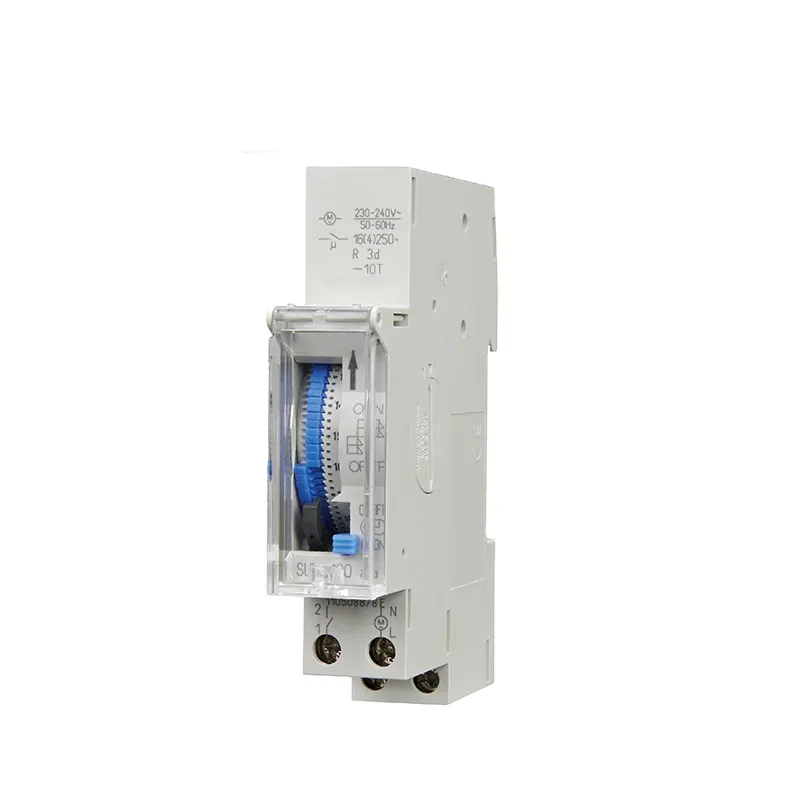
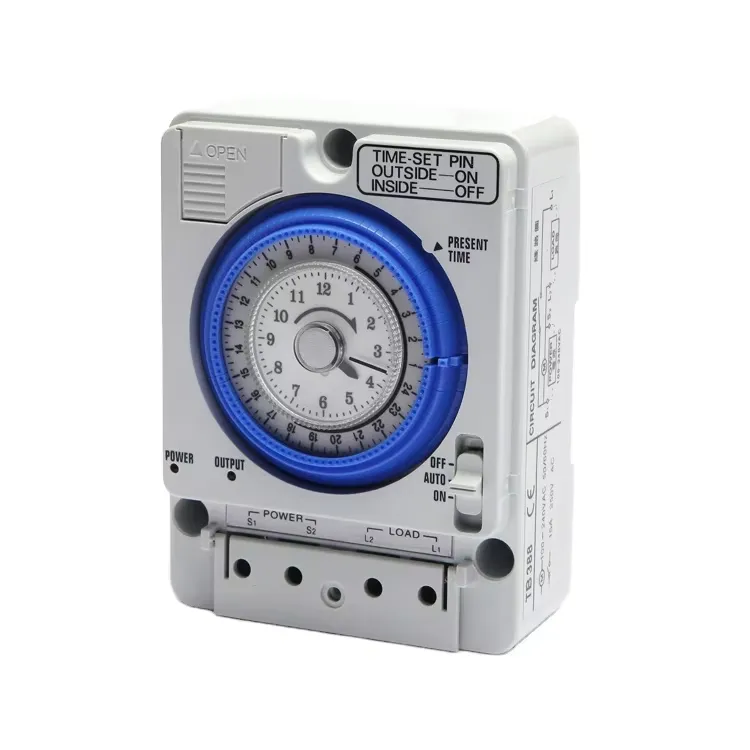
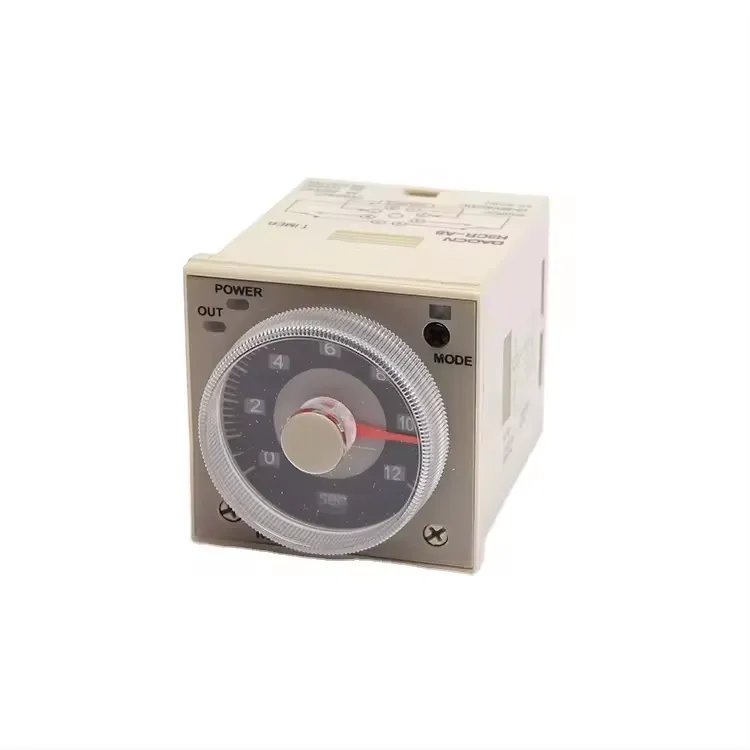
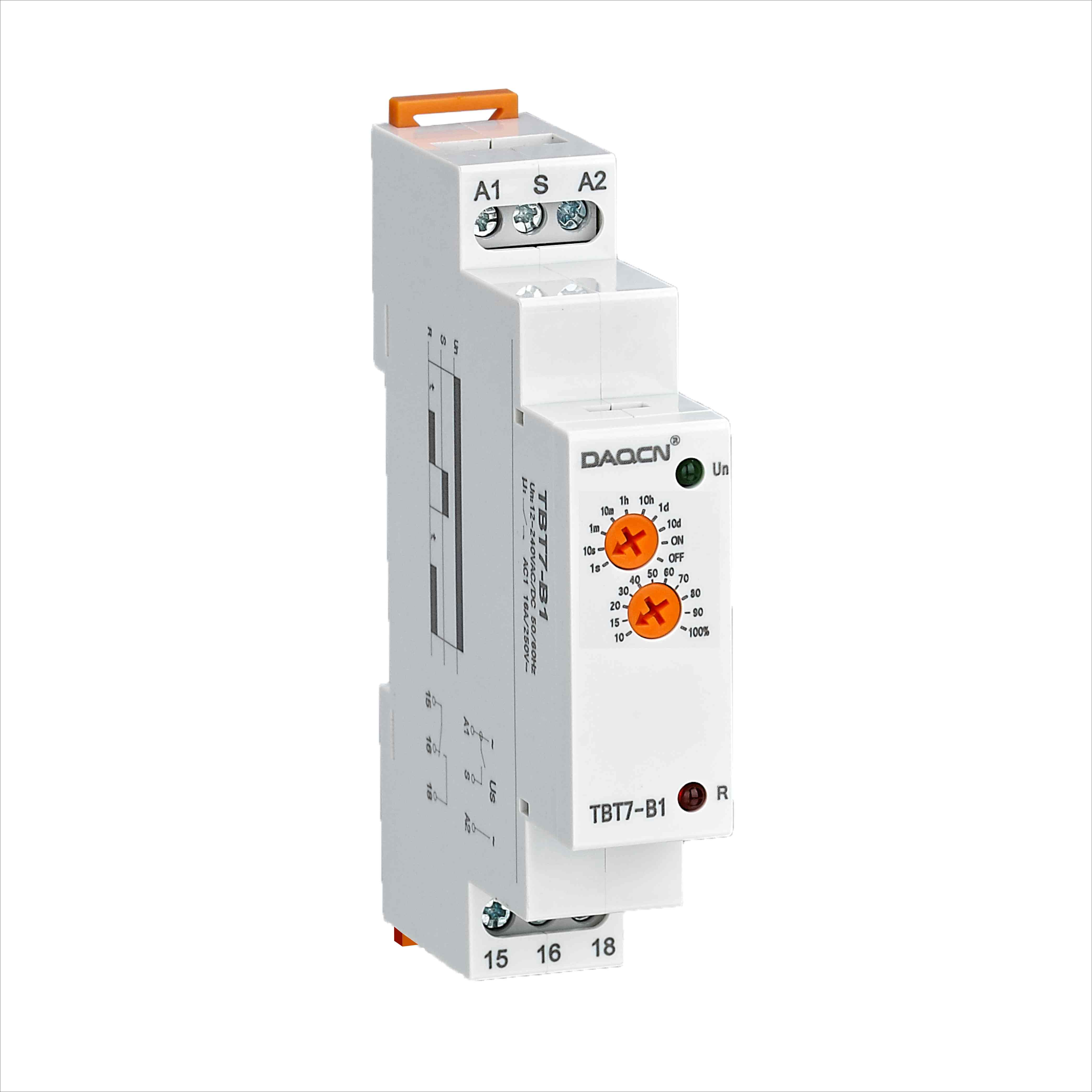
temperature controller exporter
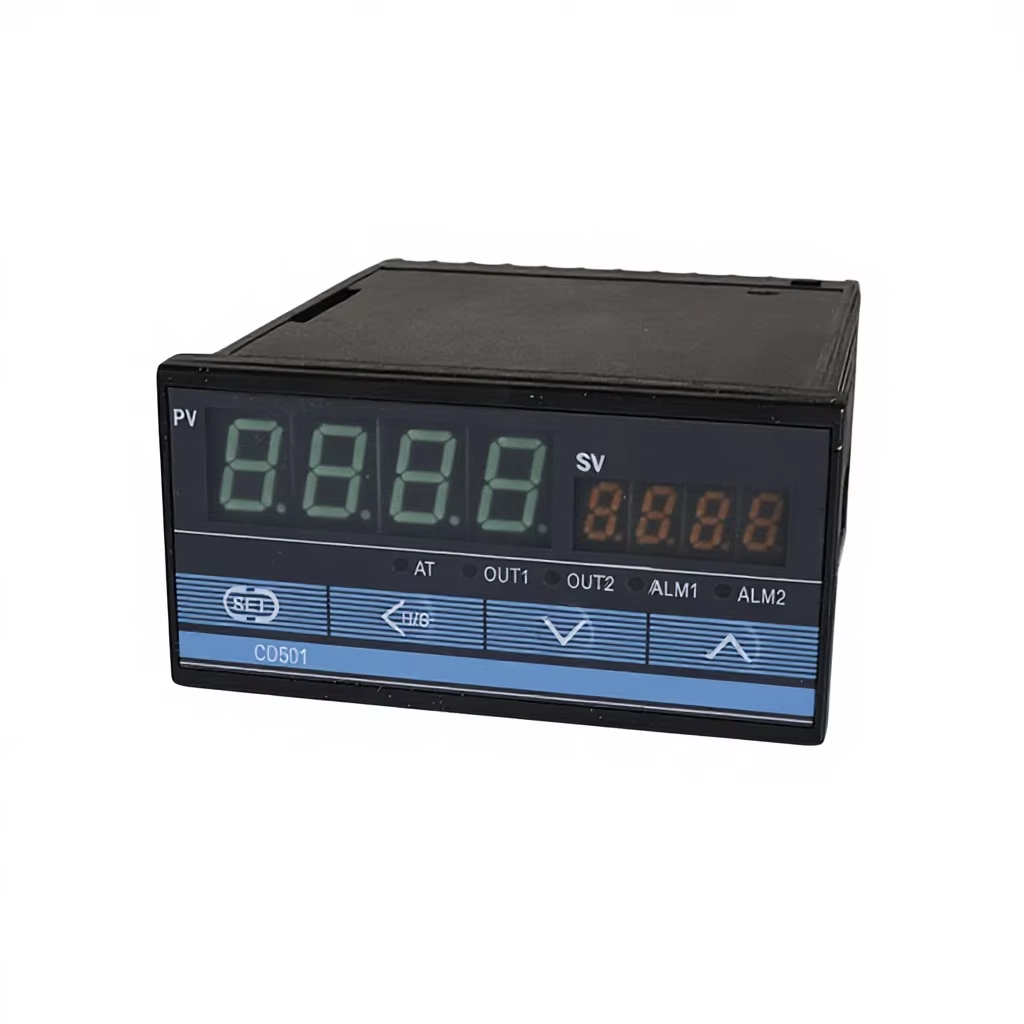
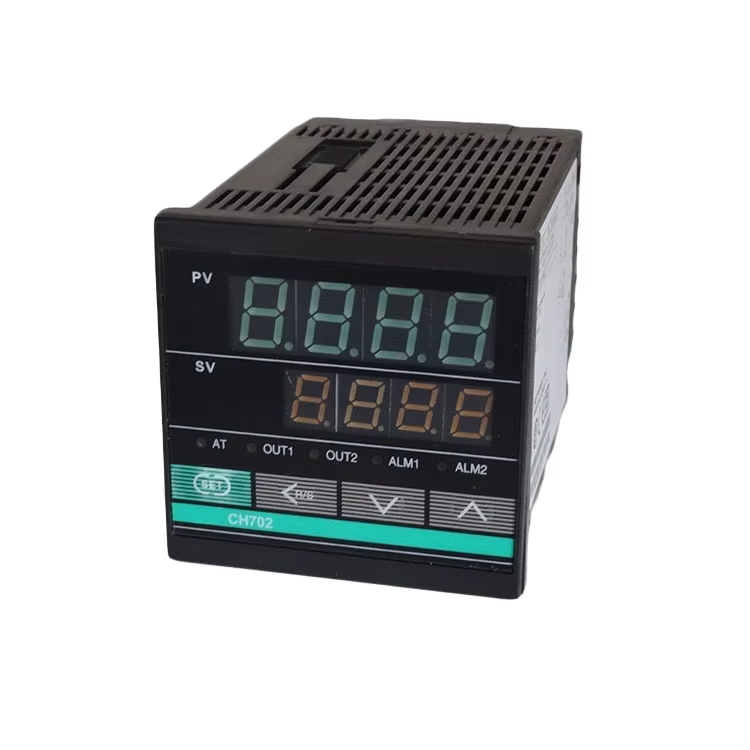
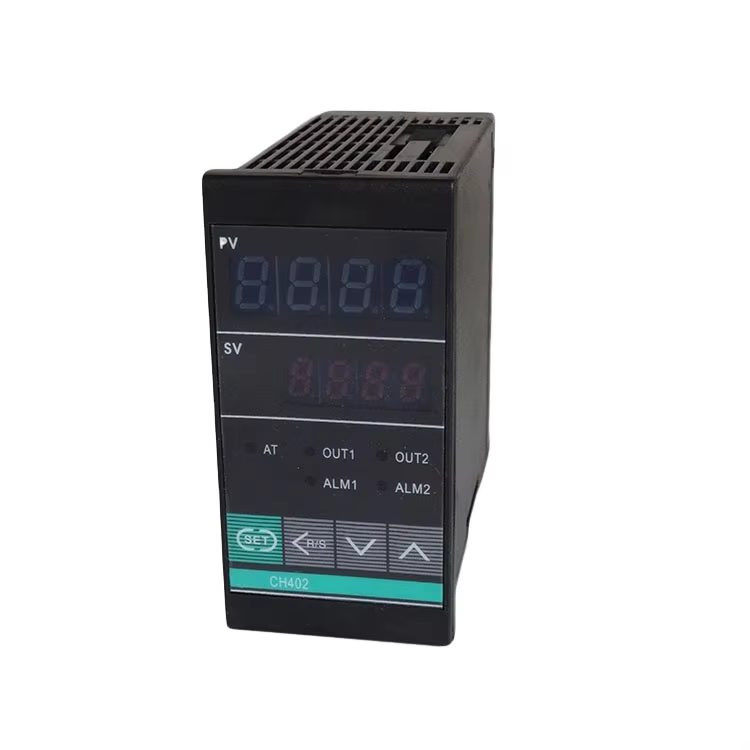
A temperature controller exporter serves as a vital intermediary in the global industrial automation market, specializing in the distribution and international trade of sophisticated temperature control systems. These exporters bridge the gap between manufacturers and end-users worldwide, ensuring that critical temperature monitoring and regulation equipment reaches diverse industries across multiple continents. The primary function of a temperature controller exporter involves sourcing high-quality temperature control devices from established manufacturers, managing comprehensive logistics networks, and delivering these essential components to international markets where precise thermal management is crucial. Modern temperature controller exporters utilize advanced digital platforms and automated systems to streamline their operations, enabling real-time inventory tracking, predictive analytics for demand forecasting, and seamless integration with global supply chains. These exporters typically handle a diverse portfolio of products including PID controllers, programmable logic controllers, digital thermostats, and specialized industrial temperature regulation systems. Their technological infrastructure incorporates cloud-based management systems, IoT connectivity for remote monitoring, and sophisticated data analytics platforms that optimize distribution efficiency. The applications for products handled by temperature controller exporters span numerous industries including pharmaceutical manufacturing, food processing, chemical production, HVAC systems, laboratory research, automotive manufacturing, and renewable energy sectors. Each application requires specific temperature control precision, and exporters must maintain extensive technical knowledge to match appropriate solutions with customer requirements. The exporter's role extends beyond simple product distribution to include comprehensive technical support, installation guidance, maintenance scheduling, and ongoing customer service relationships. Their operations typically involve managing complex documentation requirements for international shipping, ensuring compliance with various regulatory standards across different countries, and maintaining quality assurance protocols throughout the entire supply chain process.
 EN
EN