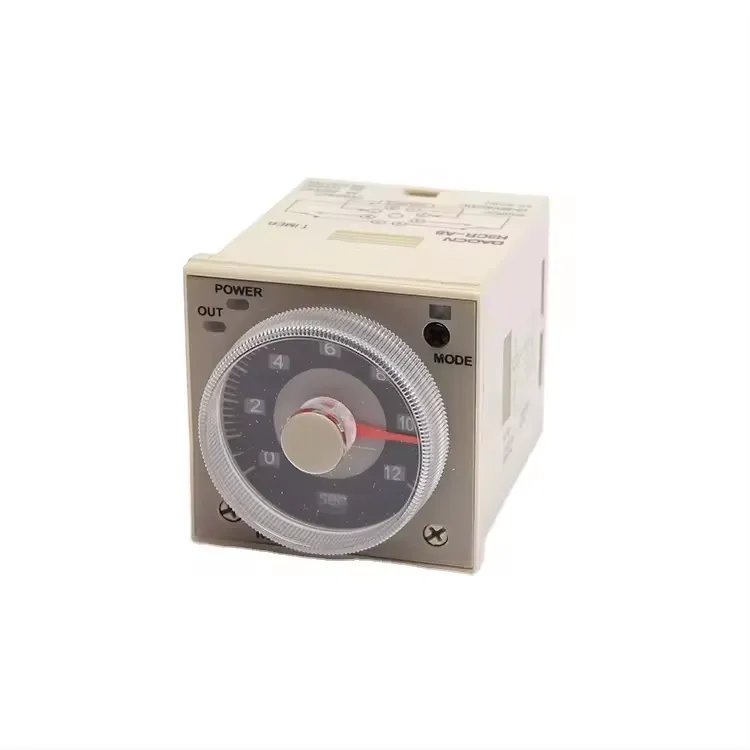
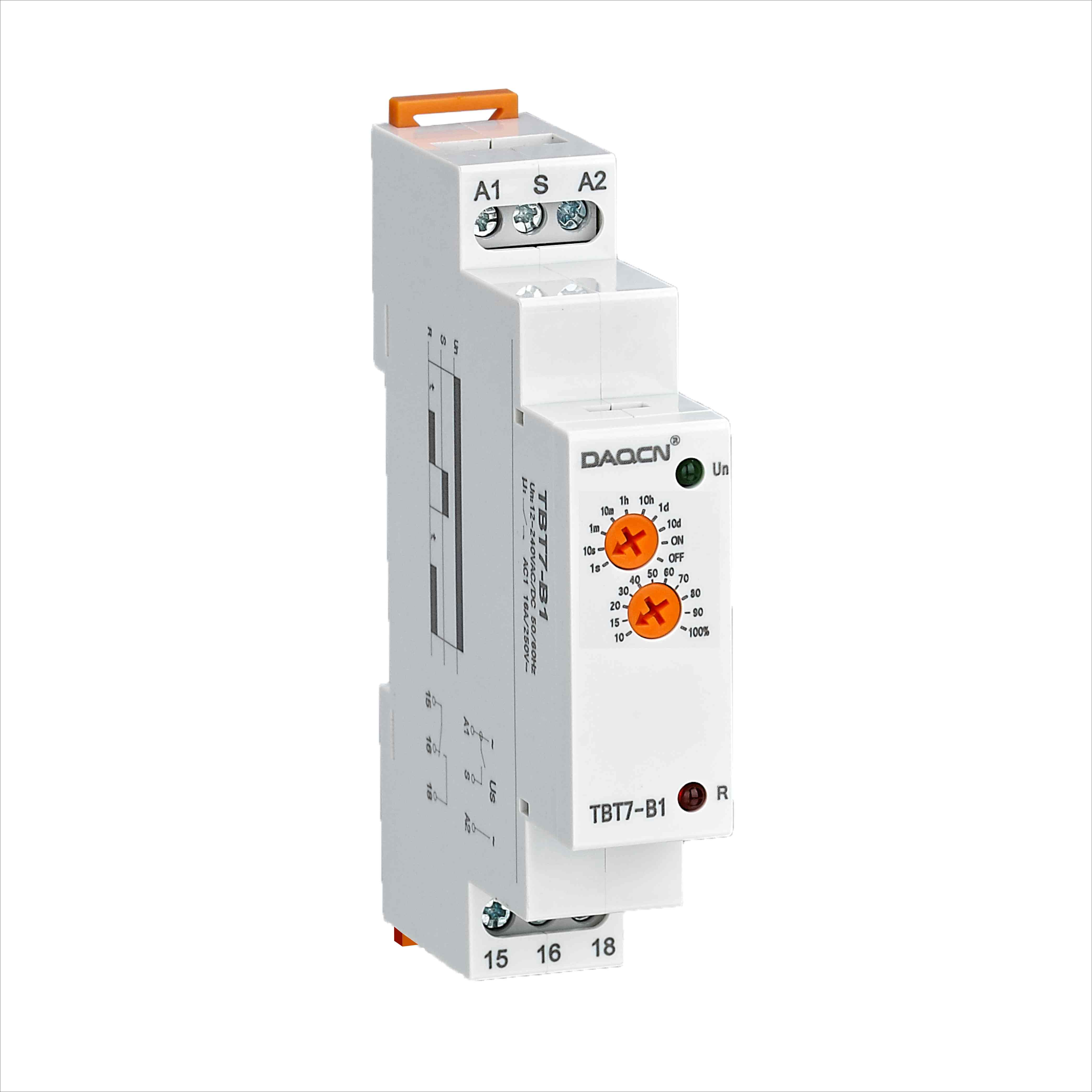
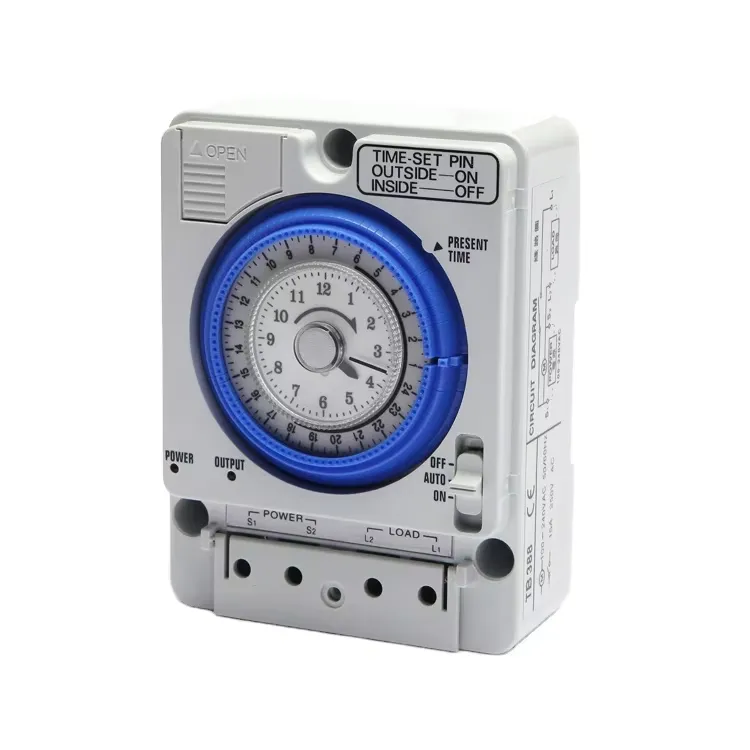
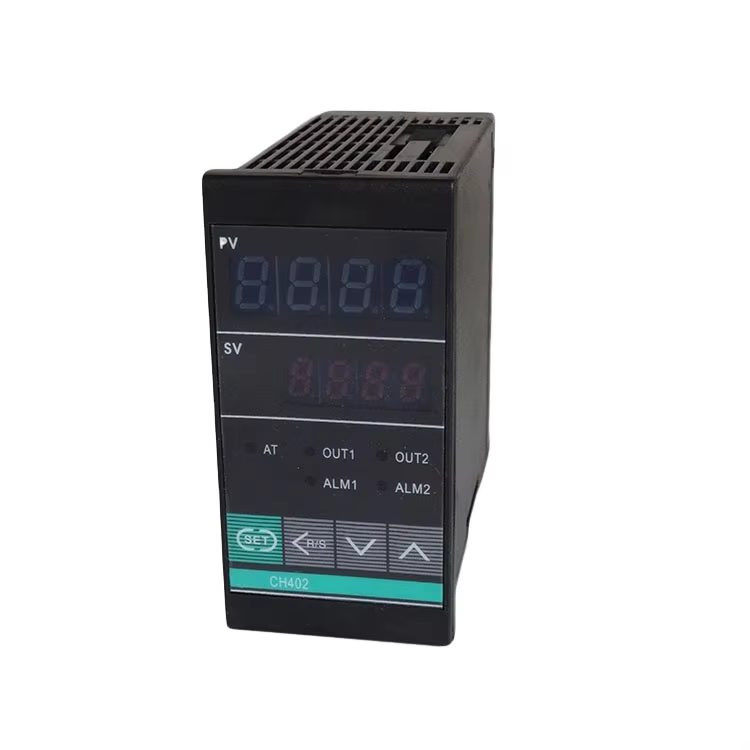
Leading Industrial Temperature Controller Supplier - Precision Control Solutions for Manufacturing Excellence

All Categories

Get a Free Quote

Our representative will contact you soon.
Email
Name
Company Name
Mobile/WhatsApp
Message
0/1000

industrial temperature controller supplier

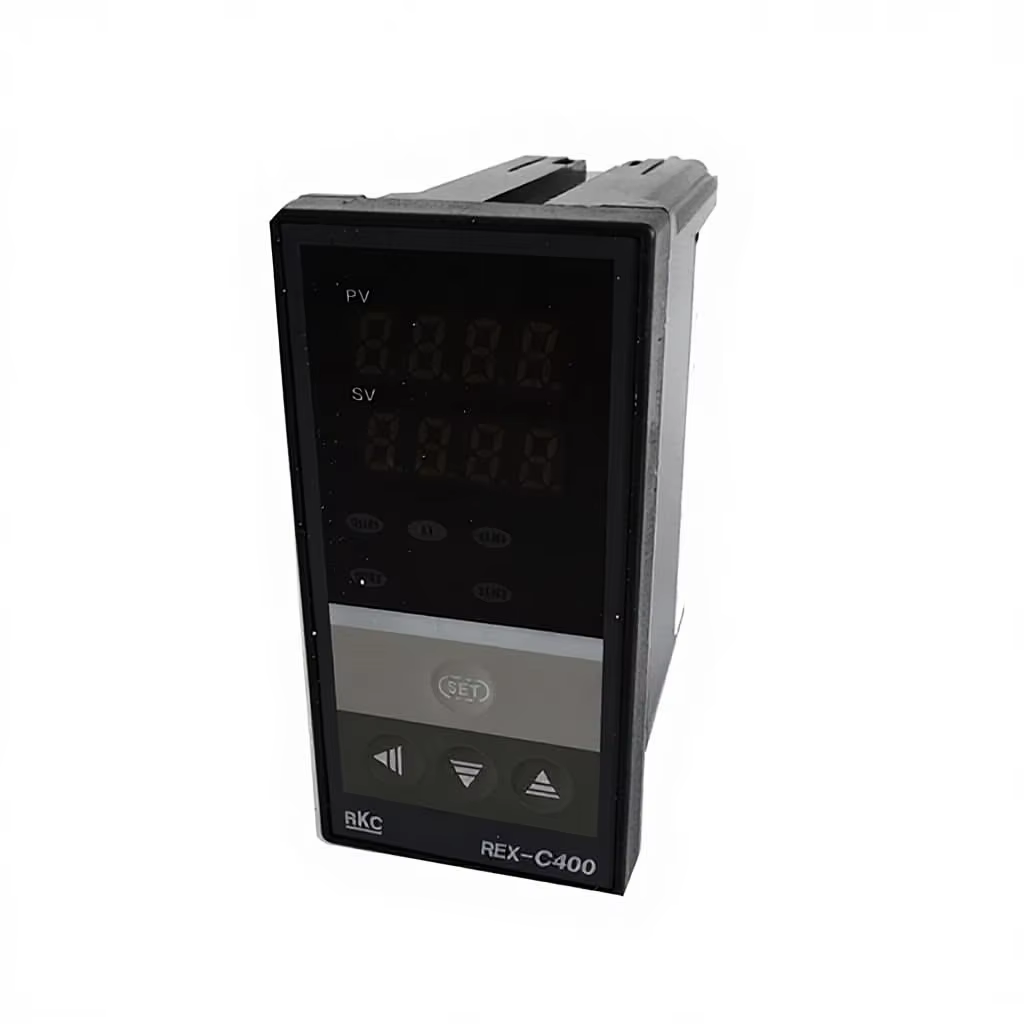
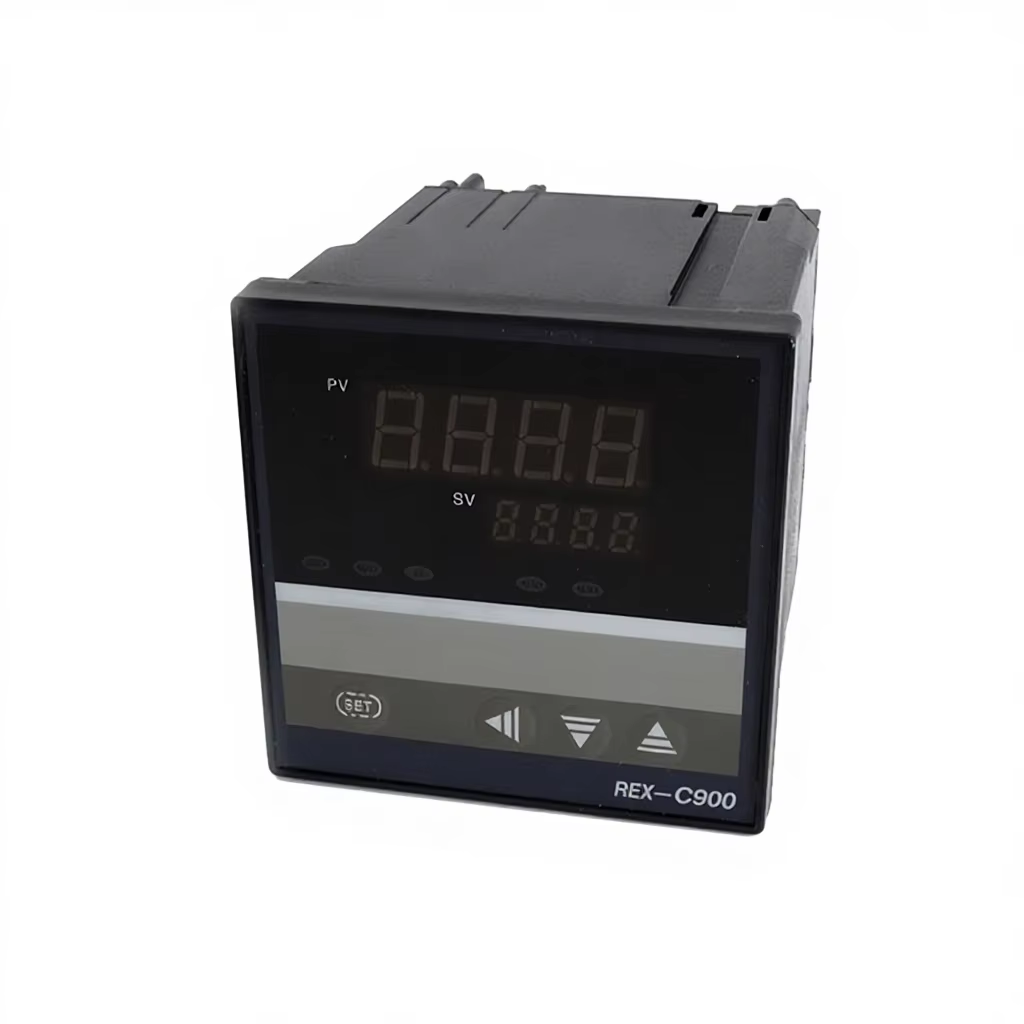
An industrial temperature controller supplier serves as a critical partner for manufacturing facilities, processing plants, and various industrial operations that require precise thermal management. These specialized companies provide comprehensive solutions for temperature regulation across diverse industrial applications, ensuring optimal performance and product quality. The primary function of an industrial temperature controller supplier encompasses the design, manufacturing, and distribution of sophisticated temperature control systems that maintain specific thermal conditions within industrial processes. These controllers integrate advanced sensor technology, microprocessor-based control algorithms, and robust output mechanisms to deliver accurate temperature regulation. The technological features of modern industrial temperature controller supplier offerings include digital displays for real-time monitoring, programmable setpoint capabilities, multiple input compatibility for various sensor types including thermocouples and RTDs, and communication protocols for seamless integration with existing automation systems. Many controllers feature PID control algorithms that automatically adjust heating and cooling outputs to minimize temperature fluctuations and maintain stability. The applications for industrial temperature controller supplier products span numerous industries including pharmaceuticals, food processing, chemical manufacturing, plastics production, and heat treating operations. In pharmaceutical manufacturing, these controllers ensure precise temperature conditions during drug synthesis and storage. Food processing facilities rely on industrial temperature controller supplier solutions to maintain safe cooking temperatures and proper refrigeration. Chemical plants utilize these systems to control reaction temperatures and prevent dangerous thermal runaway conditions. The reliability and accuracy of temperature control directly impacts product quality, energy efficiency, and operational safety. Industrial temperature controller supplier companies typically offer comprehensive support services including technical consultation, installation assistance, calibration services, and ongoing maintenance programs. This complete approach ensures customers receive optimal performance from their temperature control investments while minimizing downtime and operational disruptions.

New Products

Choosing the right industrial temperature controller supplier delivers significant practical benefits that directly impact your operational efficiency and bottom line. These specialized suppliers offer extensive expertise gained from years of working with diverse industrial applications, enabling them to recommend the most suitable temperature control solutions for your specific needs. This knowledge eliminates guesswork and prevents costly mistakes that can occur when selecting inappropriate equipment. Cost savings represent a major advantage when partnering with an established industrial temperature controller supplier. These companies leverage bulk purchasing power to offer competitive pricing on high-quality controllers and related components. Additionally, their technical expertise helps you select energy-efficient models that reduce ongoing operational costs through optimized heating and cooling cycles. The time-saving benefits cannot be overstated, as industrial temperature controller supplier professionals handle complex technical specifications, compatibility requirements, and integration challenges that would otherwise consume valuable internal resources. Quality assurance stands as another crucial advantage, with reputable suppliers offering rigorously tested products that meet industry standards and regulatory requirements. This reliability translates to reduced downtime, fewer maintenance issues, and consistent product quality in your manufacturing processes. Comprehensive support services provided by industrial temperature controller supplier companies include technical consultation, installation guidance, troubleshooting assistance, and ongoing maintenance support. This level of service ensures your temperature control systems operate at peak performance throughout their operational lifecycle. Customization capabilities allow suppliers to modify standard controllers or develop specialized solutions for unique applications, providing flexibility that off-the-shelf products cannot match. Access to the latest technological innovations gives you competitive advantages through improved accuracy, enhanced communication capabilities, and advanced diagnostic features. The convenience of single-source procurement simplifies your supply chain management, reducing administrative overhead and streamlining vendor relationships. Risk mitigation occurs through professional installation support, proper system commissioning, and comprehensive warranty coverage that protects your investment. Training and education programs offered by industrial temperature controller supplier companies ensure your staff can effectively operate and maintain the temperature control systems, maximizing return on investment while minimizing operational risks.

Practical Tips

When should you use a timer relay for automation?

25

Dec

When should you use a timer relay for automation?

Industrial automation systems require precise timing control to ensure optimal performance, safety, and efficiency across manufacturing processes. A timer relay serves as a crucial component in these systems, providing accurate time-based switching c...
View More
When should you replace a faulty relay in your system?

25

Dec

When should you replace a faulty relay in your system?

Industrial electrical systems depend heavily on reliable switching components, and understanding when to replace critical components can prevent costly downtime and equipment failure. A relay serves as an electromagnetic switch that controls high-pow...
View More
Why choose analog vs digital timer relay systems?

06

Jan

Why choose analog vs digital timer relay systems?

Industrial automation demands precise timing control, and selecting the right timer relay system can significantly impact operational efficiency and maintenance costs. The choice between analog and digital timer relay technologies represents a fundam...
View More
How to select the right timer relay for your project?

06

Jan

How to select the right timer relay for your project?

Selecting the appropriate timer relay for industrial applications requires careful consideration of various technical specifications and operational requirements. A timer relay serves as a critical component in automation systems, controlling time-de...
View More

Get a Free Quote

Our representative will contact you soon.
Email
Name
Company Name
Mobile/WhatsApp
Message
0/1000

industrial temperature controller supplier

Advanced PID Control Technology for Superior Temperature Precision

Advanced PID Control Technology for Superior Temperature Precision

The implementation of advanced PID (Proportional, Integral, Derivative) control technology represents a cornerstone advantage offered by leading industrial temperature controller supplier companies. This sophisticated control methodology enables unprecedented temperature precision and stability across diverse industrial applications. PID controllers continuously monitor temperature variations and automatically adjust heating or cooling outputs to maintain setpoints with minimal deviation. The proportional component responds to current temperature errors, providing immediate corrective action when temperatures drift from desired levels. The integral component addresses accumulated errors over time, eliminating steady-state offset and ensuring long-term accuracy. The derivative component anticipates future temperature trends based on the rate of change, providing proactive control that prevents overshooting and oscillations. Modern industrial temperature controller supplier offerings feature auto-tuning capabilities that automatically optimize PID parameters for specific applications, eliminating manual tuning complexity and ensuring optimal performance. This technology proves particularly valuable in critical processes where temperature variations can compromise product quality, safety, or efficiency. Pharmaceutical manufacturing benefits from PID precision during drug synthesis, where temperature deviations can alter chemical reactions and affect therapeutic efficacy. Food processing operations rely on accurate temperature control to ensure food safety and maintain nutritional value. Chemical processing facilities use PID controllers to prevent dangerous temperature excursions that could trigger hazardous reactions. The adaptive nature of modern PID algorithms allows controllers to automatically adjust to changing process conditions, load variations, and environmental factors without manual intervention. This self-optimizing capability reduces the need for constant monitoring and adjustment, freeing operators to focus on other critical tasks. Energy efficiency improvements result from precise temperature control, as PID algorithms minimize unnecessary heating and cooling cycles while maintaining stable conditions. The reduced energy consumption translates to significant cost savings over the operational lifetime of industrial equipment. Reliability enhancements occur through the elimination of temperature-related stress on equipment components, extending service life and reducing maintenance requirements.
Comprehensive Multi-Sensor Compatibility and Integration Capabilities

Comprehensive Multi-Sensor Compatibility and Integration Capabilities

A distinguishing feature of premium industrial temperature controller supplier solutions is their comprehensive multi-sensor compatibility and advanced integration capabilities that accommodate diverse measurement requirements across industrial applications. These versatile controllers accept inputs from various sensor types including thermocouples (Types J, K, T, E, R, S, B), resistance temperature detectors (RTDs), thermistors, and linear voltage or current signals. This flexibility eliminates the need for multiple controller types and simplifies inventory management while providing optimal sensor selection for specific applications. Thermocouple compatibility enables temperature measurement across extreme ranges, from cryogenic applications to high-temperature furnace operations. RTD inputs provide superior accuracy and stability for precision applications where measurement uncertainty must be minimized. The ability to configure input types through software programming allows users to adapt controllers to changing requirements without hardware modifications. Advanced signal conditioning circuitry within these controllers compensates for sensor nonlinearities, provides cold junction compensation for thermocouples, and filters electrical noise that could compromise measurement accuracy. Multiple communication protocols including Modbus RTU, Ethernet IP, Profibus, and DeviceNet enable seamless integration with existing automation systems, SCADA networks, and manufacturing execution systems. This connectivity facilitates centralized monitoring, data logging, alarm management, and remote control capabilities that enhance operational efficiency. The industrial temperature controller supplier expertise in system integration ensures proper network configuration, addressing assignment, and communication parameter setup. Data acquisition capabilities allow controllers to log temperature trends, alarm events, and operational statistics for quality assurance, regulatory compliance, and process optimization purposes. Remote monitoring capabilities enable operators to supervise multiple temperature control points from centralized control rooms, improving response times to process deviations and reducing the need for field personnel. Alarm and notification systems can alert operators to temperature excursions, sensor failures, or communication problems through various channels including email, text messages, and audible alarms. The scalability of these integration capabilities allows systems to expand as facility requirements grow, protecting initial investments while accommodating future needs.

Complete Lifecycle Support and Technical Expertise Services

Complete Lifecycle Support and Technical Expertise Services

The comprehensive lifecycle support and technical expertise provided by professional industrial temperature controller supplier companies represents a critical value proposition that extends far beyond simple product procurement. These specialized suppliers offer end-to-end services that begin with application consultation and continue throughout the entire operational lifetime of temperature control systems. Initial consultation services involve detailed analysis of process requirements, environmental conditions, regulatory compliance needs, and integration challenges to ensure optimal controller selection. Technical experts evaluate factors such as temperature ranges, accuracy requirements, response times, communication needs, and safety considerations to recommend the most appropriate solutions. Engineering support includes system design assistance, control panel layout recommendations, wiring diagrams, and integration specifications that ensure proper installation and commissioning. Installation support services provide on-site technical assistance to ensure controllers are properly configured, calibrated, and integrated with existing systems. Commissioning services include parameter setup, alarm configuration, communication testing, and performance verification to guarantee optimal operation from startup. Training programs educate operators and maintenance personnel on proper system operation, troubleshooting procedures, and routine maintenance tasks. These educational services ensure maximum return on investment by enabling in-house staff to effectively manage temperature control systems. Ongoing technical support provides expert assistance for troubleshooting, performance optimization, and system modifications as operational requirements evolve. Preventive maintenance programs help identify potential issues before they cause system failures, minimizing unplanned downtime and extending equipment life. Calibration services ensure continued accuracy and compliance with quality standards and regulatory requirements. Many industrial temperature controller supplier companies offer calibration certificates traceable to national standards, supporting ISO certification and regulatory audits. Spare parts availability and rapid replacement services minimize downtime when components require replacement. Technical documentation including user manuals, programming guides, and troubleshooting references support effective system management. Software updates and firmware enhancements ensure controllers remain current with latest features and security protocols. Emergency support services provide rapid response to critical system failures, minimizing production losses and safety risks. The combination of technical expertise, responsive support, and comprehensive services creates partnerships that drive long-term operational success and competitive advantage.

Get a Free Quote

Our representative will contact you soon.
Email
Name
Company Name
Mobile/WhatsApp
Message
0/1000