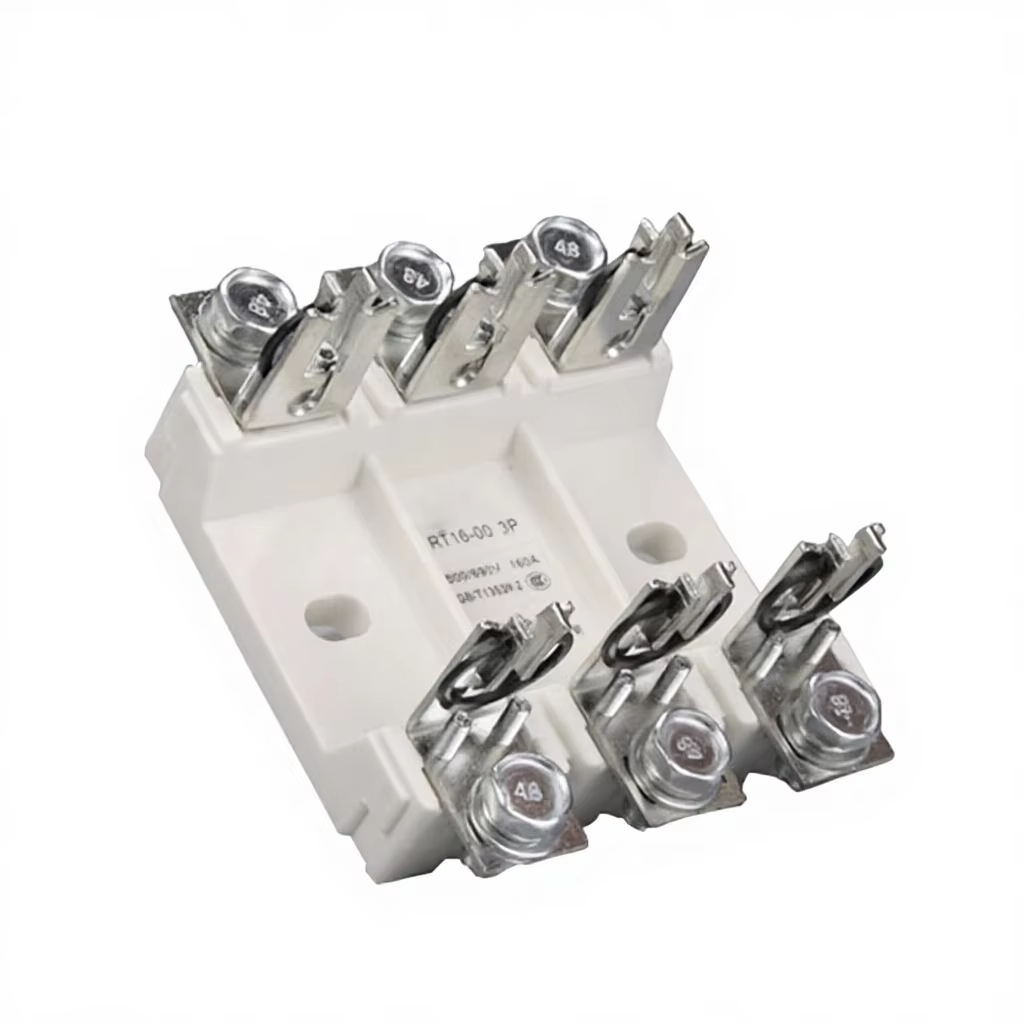
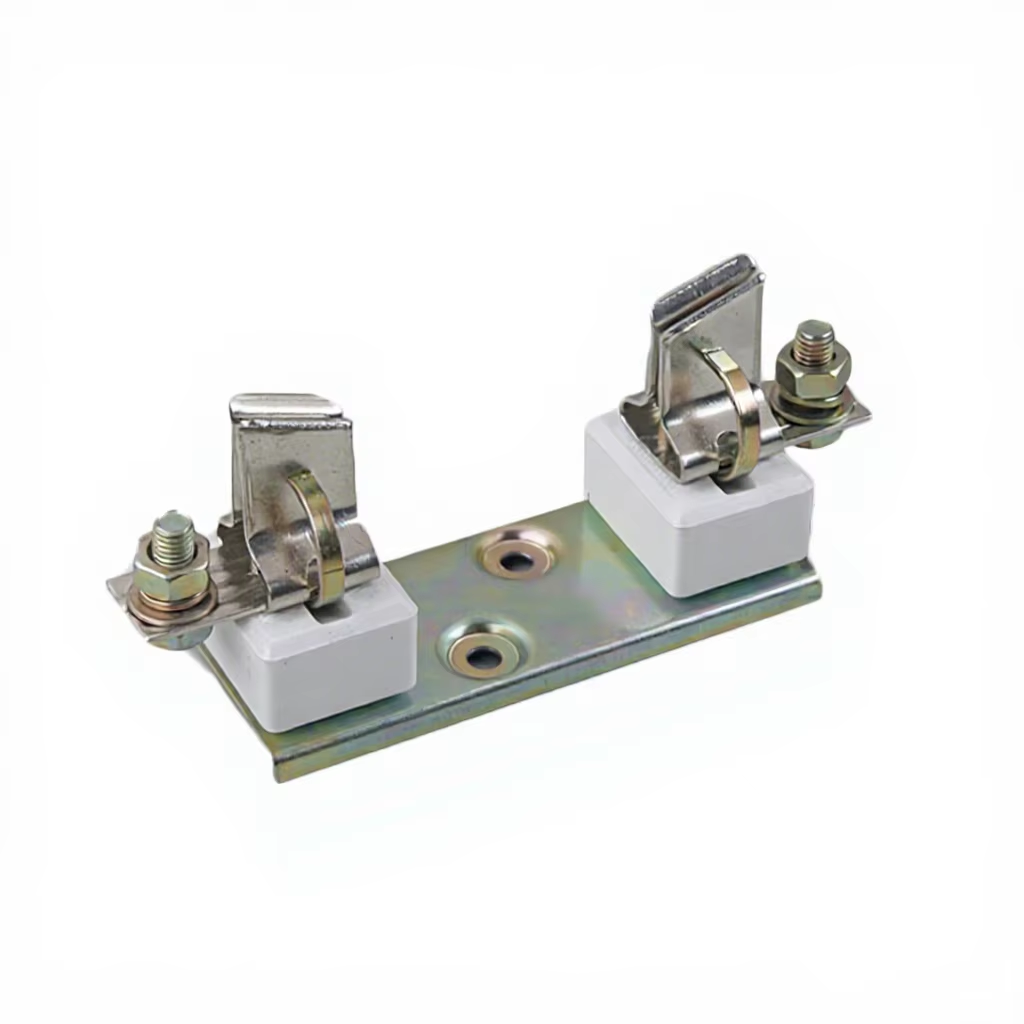
blade type fuse
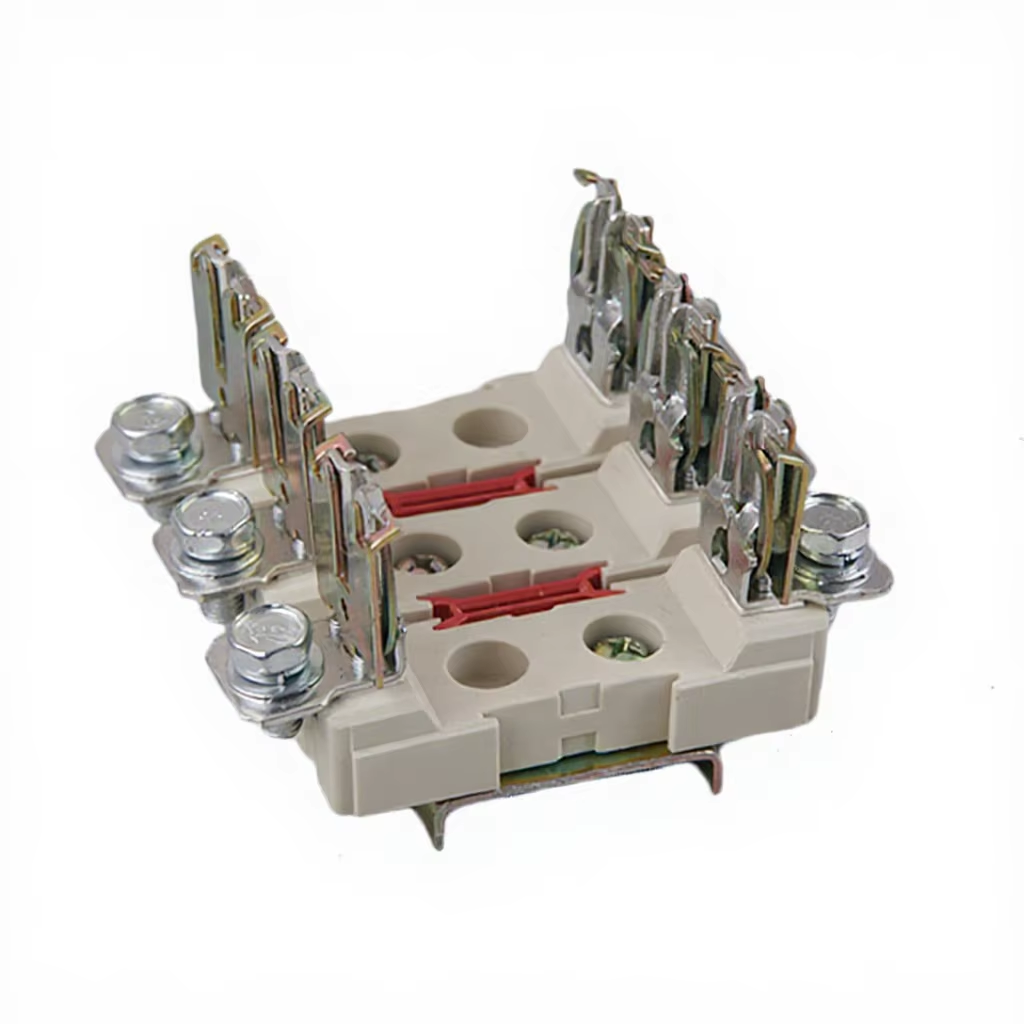
A blade type fuse represents a modern and efficient circuit protection solution designed to safeguard electrical systems from overcurrent conditions. This innovative fuse design features a compact, blade-shaped configuration that allows for easy installation and replacement in automotive, industrial, and residential applications. The blade type fuse operates on the fundamental principle of thermal protection, where an internal fusible element melts when excessive current flows through the circuit, effectively interrupting the electrical path to prevent damage to connected equipment. The main functions of a blade type fuse include overcurrent protection, short circuit prevention, and system isolation during fault conditions. These fuses maintain circuit integrity by responding rapidly to dangerous current levels, typically within milliseconds of detecting an overload situation. The technological features of blade type fuse systems include precise current ratings, reliable thermal characteristics, and standardized dimensions that ensure compatibility across various applications. Modern blade type fuse designs incorporate advanced metallurgical techniques to create fusible elements that provide consistent performance under diverse operating conditions. The construction typically involves a plastic housing that contains the fusible element, with metal blade terminals that facilitate secure electrical connections. Temperature stability remains a crucial technological aspect, as blade type fuse units must function reliably across wide temperature ranges without premature failure or delayed response times. Applications for blade type fuse protection span numerous industries, including automotive electrical systems, industrial control panels, power distribution equipment, and consumer electronics. In automotive applications, blade type fuse units protect critical systems such as lighting circuits, engine control modules, and entertainment systems. Industrial installations rely on these fuses for motor protection, control circuit safety, and equipment isolation during maintenance procedures.
 EN
EN