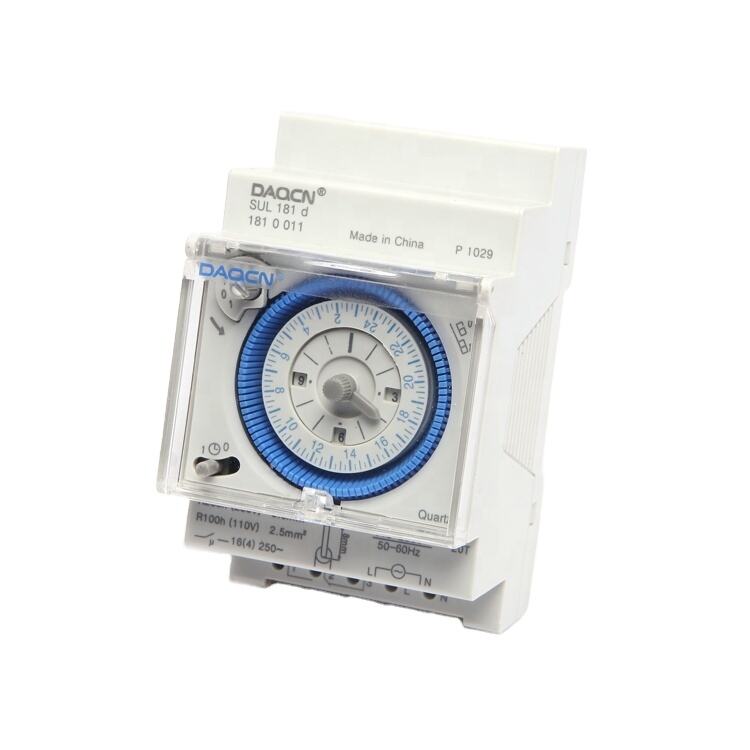
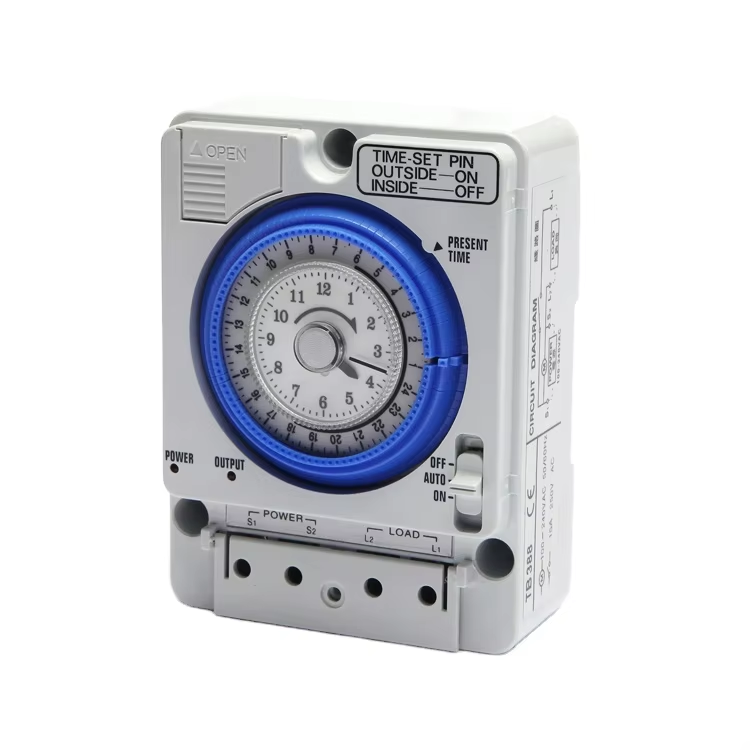
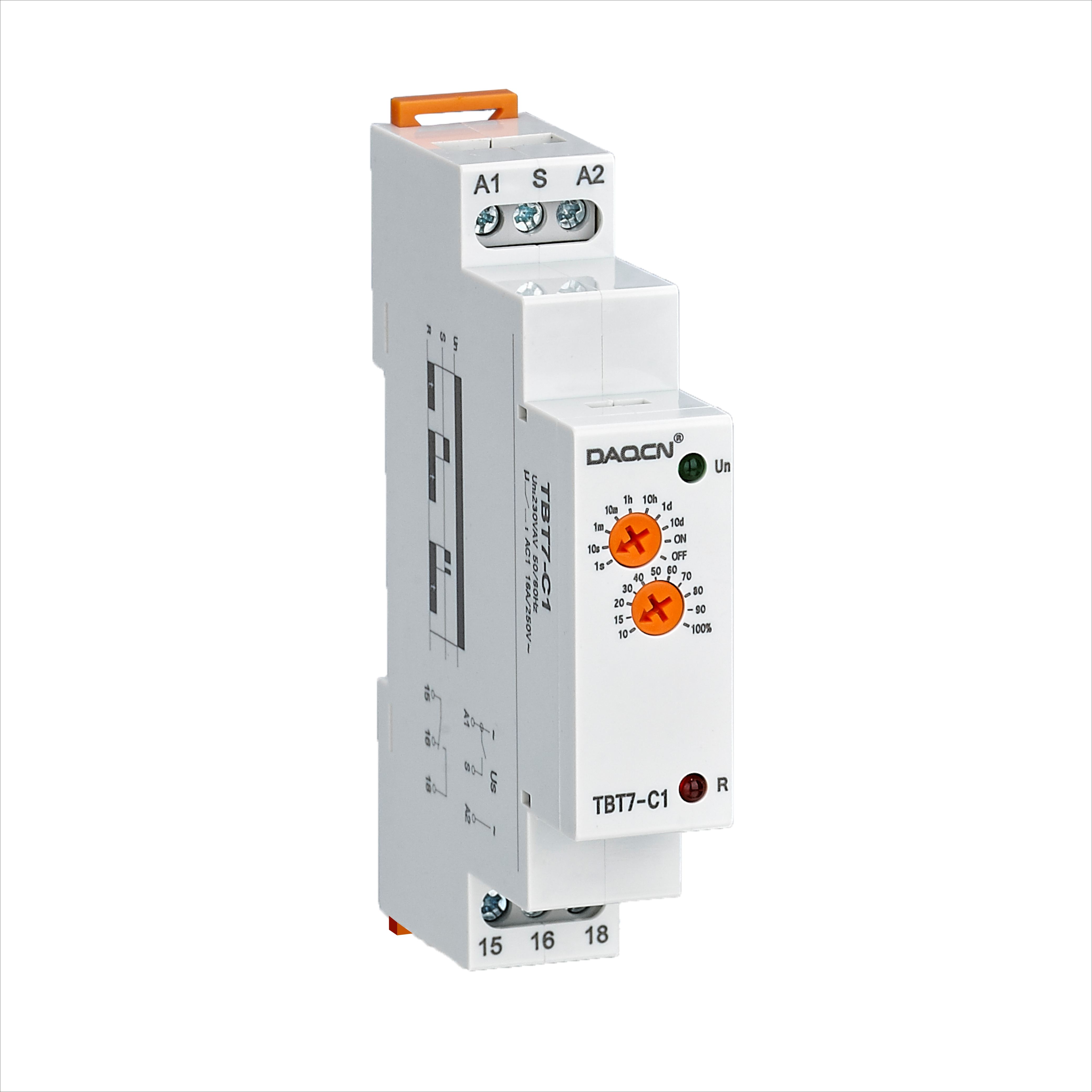
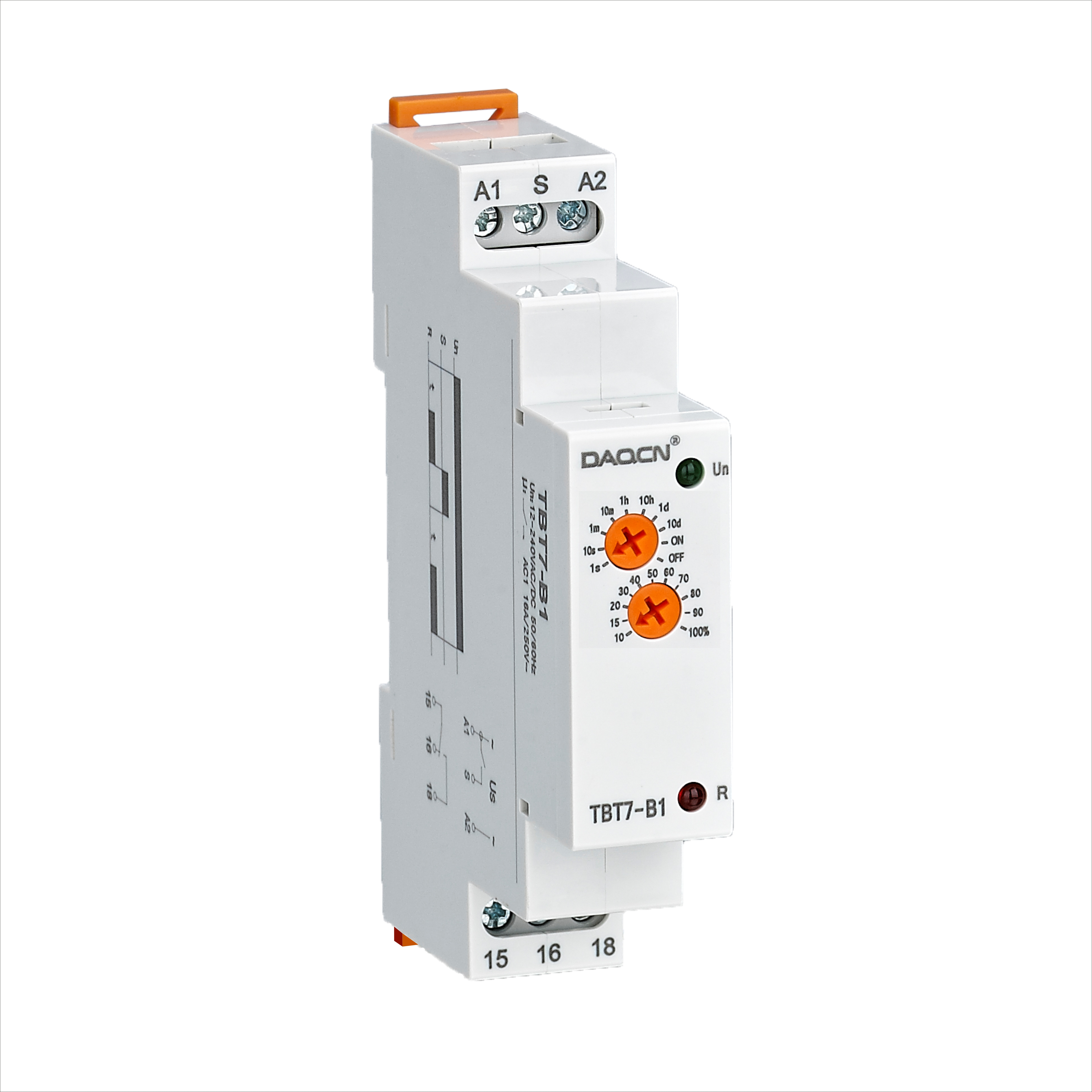
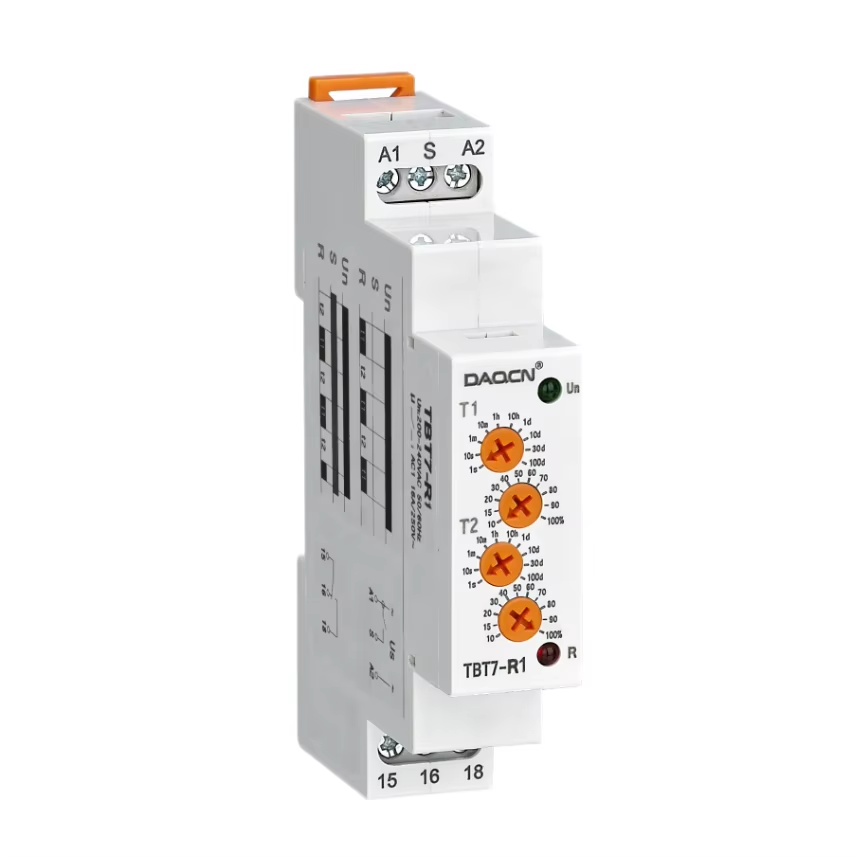
Weekly Timer Relay - Advanced 7-Day Programmable Control Solutions for Energy Management

All Categories

Get a Free Quote

Our representative will contact you soon.
Email
Name
Company Name
Mobile/WhatsApp
Message
0/1000

weekly timer relay

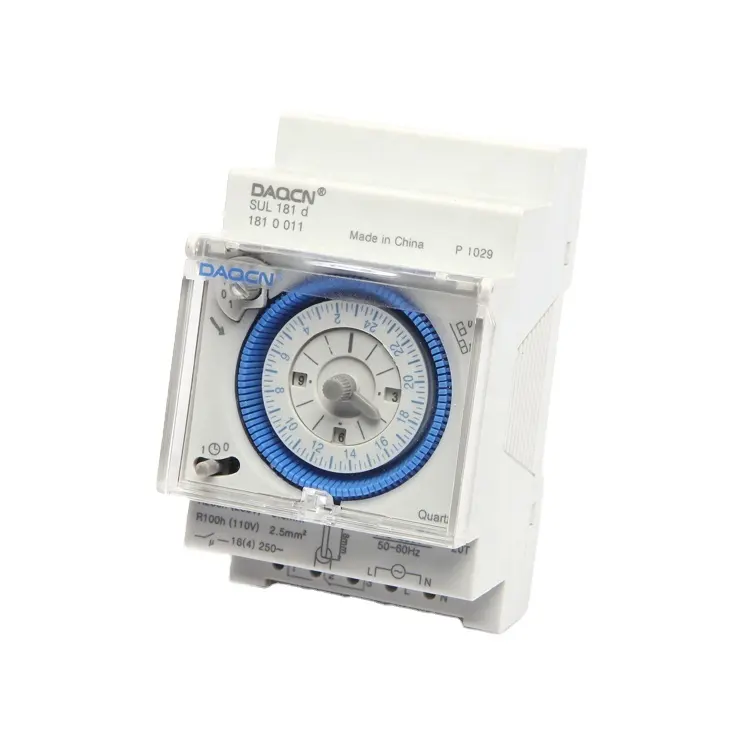
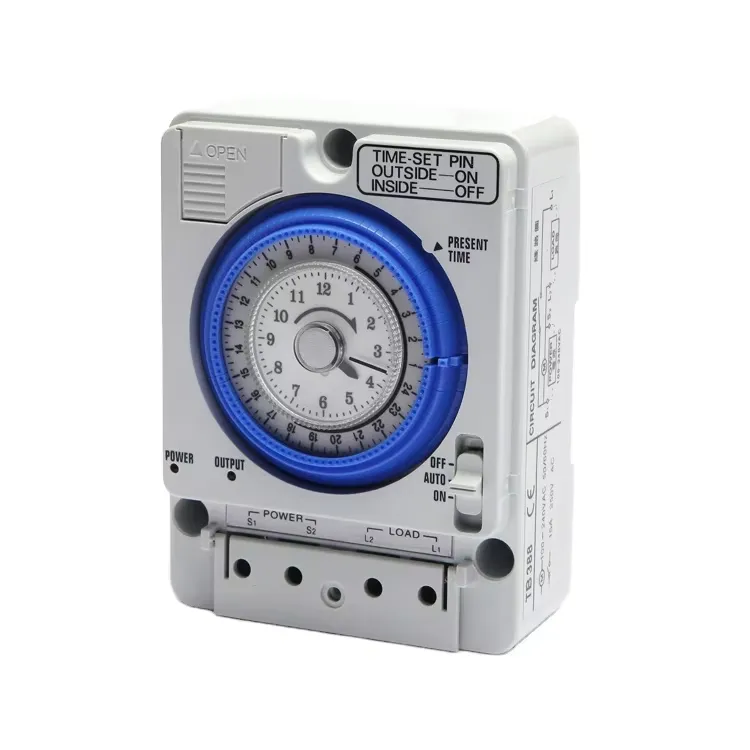
A weekly timer relay represents a sophisticated electronic control device that manages electrical circuits based on pre-programmed weekly schedules. This intelligent timing solution operates by automatically switching electrical loads on and off according to specific days of the week and designated time periods. The weekly timer relay incorporates advanced microprocessor technology that enables precise scheduling control across seven-day cycles, making it an essential component for modern automation systems. These devices feature digital displays that show current time, programmed schedules, and operational status, providing users with clear visibility into system operations. The weekly timer relay supports multiple switching programs, allowing different schedules for weekdays versus weekends, or unique timing patterns for each individual day. Most models include battery backup systems that maintain programmed settings during power outages, ensuring continuous operation without schedule disruption. The device connects directly to electrical panels and can control various loads including lighting systems, heating and cooling equipment, pumps, motors, and other electrical appliances. Weekly timer relays offer exceptional flexibility through their programming interfaces, which may include push-button controls, rotary switches, or digital keypads depending on the specific model. These timing devices typically support both normally open and normally closed contact configurations, providing versatility for different wiring applications. The weekly timer relay construction emphasizes durability with robust housing materials that withstand industrial environments while maintaining reliable performance. Many units feature LED indicators that display operational status, power presence, and relay contact positions for easy troubleshooting and monitoring. Advanced models may include astronomical clock functions that automatically adjust switching times based on sunrise and sunset calculations for specific geographical locations. The weekly timer relay serves critical roles in energy management systems by optimizing equipment operation schedules to reduce consumption during peak demand periods.

New Product Recommendations

Weekly timer relays deliver substantial energy savings by automatically controlling electrical equipment according to optimized schedules. Users can program these devices to operate lighting, HVAC systems, and other electrical loads only when needed, eliminating wasteful energy consumption during unoccupied periods. This intelligent scheduling capability typically reduces energy bills by 20-40 percent compared to manual control methods. The weekly timer relay enhances operational efficiency by eliminating the need for manual switching operations. Staff members no longer need to remember to turn equipment on or off at specific times, reducing human error and ensuring consistent operation. This automation improves productivity while freeing personnel to focus on more critical tasks. Security benefits emerge from the weekly timer relay's ability to create occupancy simulation patterns. By programming lights and other visible equipment to operate on varied schedules, these devices deter potential intruders who might otherwise identify vacant periods. The random scheduling features available in many models further enhance security effectiveness. Maintenance advantages include extended equipment lifespan through controlled operation cycles. The weekly timer relay prevents unnecessary equipment runtime, reducing wear and tear while maintaining optimal performance levels. This controlled operation translates to lower maintenance costs and fewer unexpected equipment failures. Installation simplicity makes weekly timer relays accessible to both professional electricians and skilled maintenance personnel. Most models feature standard DIN rail mounting and clearly labeled terminals for straightforward wiring connections. The plug-and-play design minimizes installation time and reduces labor costs. Programming flexibility allows users to create complex scheduling patterns that match specific operational requirements. The weekly timer relay accommodates multiple daily switching events, different weekend schedules, and holiday override functions. This adaptability ensures the device meets diverse application needs across various industries. Reliability stands as a cornerstone advantage, with many weekly timer relay models offering decades of trouble-free operation. Quality components and robust construction ensure consistent performance even in challenging environmental conditions. The digital technology eliminates mechanical wear issues common in older mechanical timer systems. Remote monitoring capabilities in advanced models provide real-time status information and programming adjustments without physical access to the device. This feature proves particularly valuable for installations in remote or difficult-to-access locations, reducing service call requirements and operational costs.

Practical Tips

What makes relay switching faster than manual controls?

25

Dec

What makes relay switching faster than manual controls?

Modern industrial automation demands precision, speed, and reliability that manual control systems simply cannot match. The evolution from manual switching to automated relay systems represents one of the most significant advances in electrical contr...
View More
How does a timer relay control electrical circuits?

25

Dec

How does a timer relay control electrical circuits?

A timer relay serves as a critical component in electrical circuit control systems, providing precise timing functions that enable automated switching operations across numerous industrial and commercial applications. These sophisticated devices comb...
View More
When should you use a timer relay for automation?

25

Dec

When should you use a timer relay for automation?

Industrial automation systems require precise timing control to ensure optimal performance, safety, and efficiency across manufacturing processes. A timer relay serves as a crucial component in these systems, providing accurate time-based switching c...
View More
Why choose analog vs digital timer relay systems?

06

Jan

Why choose analog vs digital timer relay systems?

Industrial automation demands precise timing control, and selecting the right timer relay system can significantly impact operational efficiency and maintenance costs. The choice between analog and digital timer relay technologies represents a fundam...
View More

Get a Free Quote

Our representative will contact you soon.
Email
Name
Company Name
Mobile/WhatsApp
Message
0/1000

weekly timer relay

Advanced 7-Day Programming Flexibility

Advanced 7-Day Programming Flexibility

The weekly timer relay excels in providing unmatched scheduling flexibility through its comprehensive seven-day programming capabilities. This sophisticated feature allows users to create distinct timing patterns for each day of the week, accommodating the varying operational needs of different applications. Unlike basic timer systems that offer limited scheduling options, the weekly timer relay enables multiple switching events per day, with some models supporting up to 56 switching operations across the weekly cycle. This extensive programming capacity proves invaluable for businesses and facilities that require different operational schedules for weekdays versus weekends, or unique timing requirements for specific days. The programming interface typically includes intuitive controls that simplify the setup process, allowing users to easily input switching times, select active days, and modify schedules as operational needs change. Many weekly timer relay models feature copy functions that enable users to duplicate successful programming patterns across multiple days, significantly reducing setup time for repetitive schedules. The device memory retains all programmed information even during power outages, thanks to integrated backup battery systems that preserve settings for extended periods. Advanced models incorporate holiday scheduling functions that can override normal weekly patterns on designated dates, ensuring appropriate operational adjustments for special circumstances. The weekly timer relay also supports seasonal adjustments, automatically compensating for daylight saving time changes without manual intervention. This intelligent time management eliminates the confusion and potential errors associated with twice-yearly time changes. The programming flexibility extends to astronomical clock functions in premium models, which calculate sunrise and sunset times based on geographical location settings. This feature enables automatic adjustment of switching times throughout the year, maintaining optimal lighting schedules that align with natural light conditions. The user-friendly display systems in modern weekly timer relays show programmed schedules in clear, easy-to-read formats, allowing quick verification and modification of timing settings. Error prevention features include programming validation that alerts users to potential scheduling conflicts or invalid time entries, ensuring reliable operation once the device is activated.
Energy Efficiency and Cost Reduction Benefits

Energy Efficiency and Cost Reduction Benefits

The weekly timer relay delivers exceptional energy efficiency benefits that translate directly into significant cost savings for users across all application sectors. By precisely controlling electrical equipment operation according to predetermined schedules, these intelligent devices eliminate wasteful energy consumption that occurs when equipment operates unnecessarily during unoccupied periods. Studies consistently demonstrate that proper implementation of weekly timer relay systems can reduce energy consumption by 25-45 percent in typical commercial and industrial applications. The energy savings mechanism works by automatically switching off lighting systems, HVAC equipment, pumps, and other electrical loads during predetermined off-hours, weekends, or other non-operational periods. This automated control eliminates the common problem of equipment running continuously due to oversight or convenience, which represents a major source of energy waste in many facilities. The weekly timer relay optimizes energy usage patterns by enabling demand management strategies that shift electrical loads away from peak consumption periods when utility rates are highest. Smart scheduling can program equipment to operate during off-peak hours whenever possible, taking advantage of lower electricity rates and reducing demand charges that can represent substantial portions of monthly utility bills. The cumulative effect of these energy management strategies often results in return on investment periods of less than two years for weekly timer relay installations. Beyond direct energy savings, the weekly timer relay contributes to reduced maintenance costs by preventing unnecessary equipment runtime that accelerates wear and component degradation. Controlled operation cycles extend equipment lifespan while maintaining optimal performance levels, reducing replacement costs and minimizing unexpected failure incidents that can disrupt operations. The environmental benefits of weekly timer relay implementation align with corporate sustainability goals and regulatory compliance requirements. Reduced energy consumption directly correlates to lower carbon emissions and decreased environmental impact, supporting green building certifications and environmental stewardship initiatives. Many organizations report that weekly timer relay systems help achieve energy efficiency targets and sustainability benchmarks. The monitoring capabilities in advanced weekly timer relay models provide detailed runtime data that enables facility managers to identify additional energy saving opportunities and optimize equipment schedules based on actual usage patterns. This analytical capability transforms the device from a simple switching controller into a comprehensive energy management tool that continuously improves operational efficiency.
Industrial-Grade Reliability and Durability

Industrial-Grade Reliability and Durability

The weekly timer relay demonstrates exceptional reliability and durability characteristics that make it ideally suited for demanding industrial and commercial applications. These robust devices undergo rigorous testing and quality assurance processes to ensure consistent performance under challenging environmental conditions including temperature extremes, humidity variations, electromagnetic interference, and mechanical vibrations. The industrial-grade construction utilizes high-quality components selected for their long-term stability and resistance to degradation over extended operational periods. Most weekly timer relay models feature solid-state switching technology that eliminates mechanical wear points common in traditional electromechanical timers, resulting in significantly longer service life and reduced maintenance requirements. The electronic components typically carry ratings for millions of switching cycles, ensuring reliable operation for decades under normal usage conditions. Environmental protection features include sealed housings that prevent moisture ingress and contamination from dust or other airborne particles that could compromise internal circuitry. The weekly timer relay housing materials resist corrosion, UV degradation, and chemical exposure, maintaining structural integrity and aesthetic appearance throughout the device lifespan. Temperature compensation circuitry ensures accurate timekeeping across wide operating temperature ranges, preventing schedule drift that could occur in less sophisticated timing devices. Power supply reliability receives special attention in weekly timer relay design, with wide input voltage ranges that accommodate power system variations and surges without affecting operation. Built-in surge protection circuits safeguard internal components from transient voltage spikes that commonly occur in industrial electrical systems. The backup battery systems not only preserve programmed settings during power outages but also maintain accurate timekeeping, ensuring schedules remain synchronized when power returns. Quality control standards for weekly timer relay manufacturing typically include extensive burn-in testing periods that identify potential component failures before devices reach end users. This proactive approach significantly reduces field failure rates and warranty claims. The modular design philosophy enables easy replacement of individual components when service is required, minimizing downtime and repair costs. Diagnostic features in modern weekly timer relays include self-monitoring functions that detect internal faults and alert users to potential issues before they cause operational problems. LED status indicators provide immediate visual confirmation of power status, relay contact positions, and fault conditions, enabling rapid troubleshooting and problem resolution. The combination of robust construction, quality components, and intelligent monitoring creates a reliable automation solution that delivers consistent performance with minimal maintenance requirements throughout its operational life.

Get a Free Quote

Our representative will contact you soon.
Email
Name
Company Name
Mobile/WhatsApp
Message
0/1000