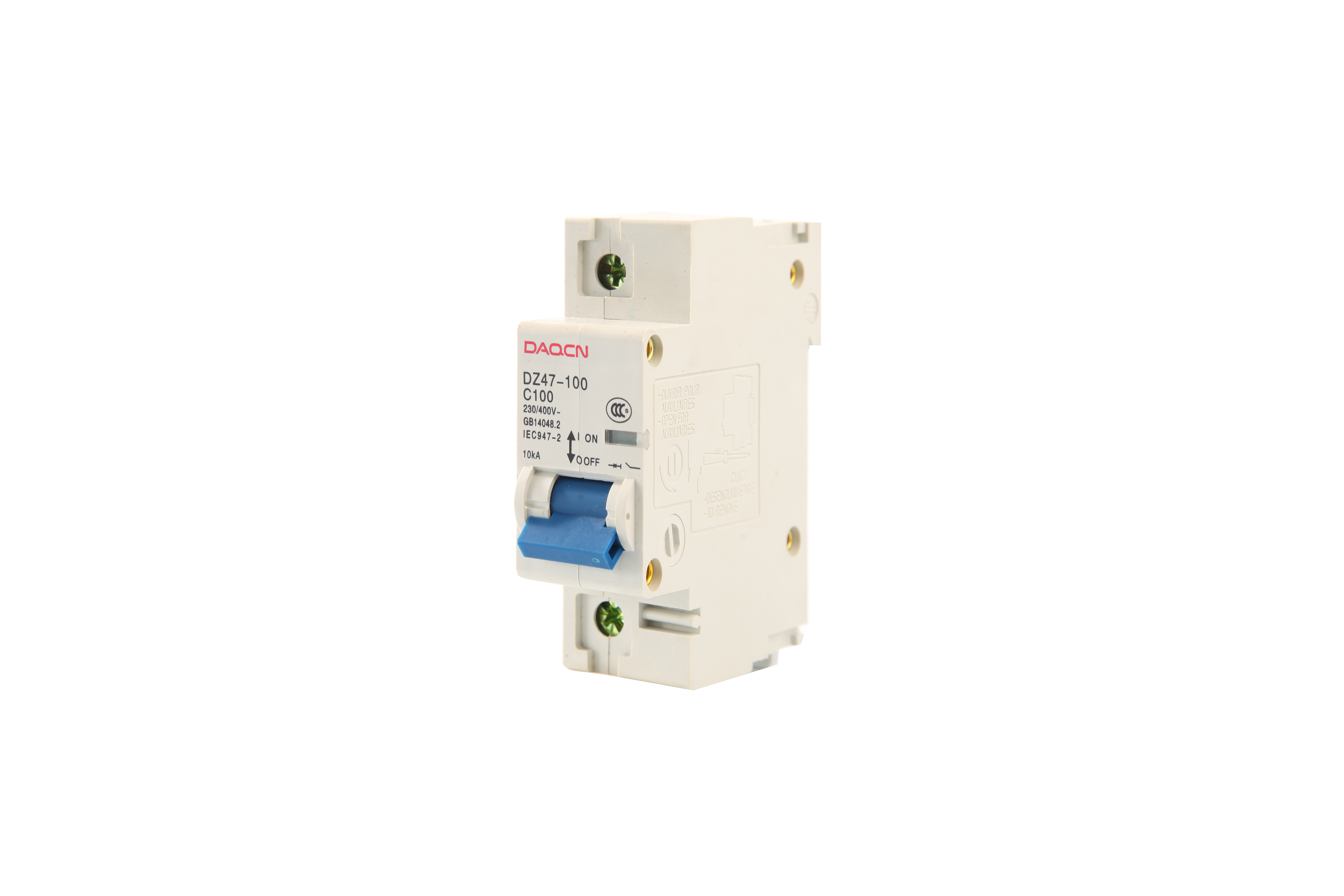
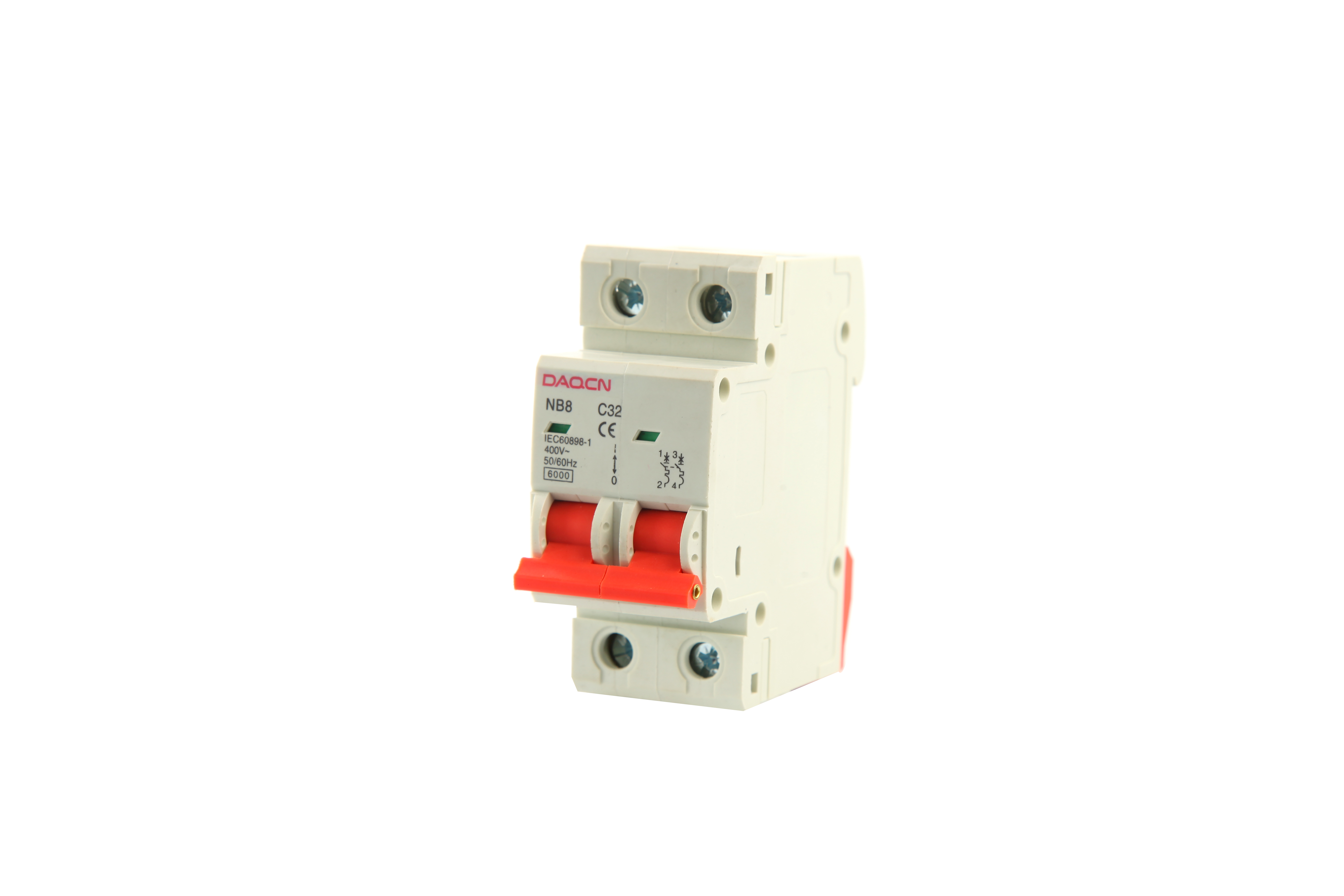
circuit breaker for industrial equipment
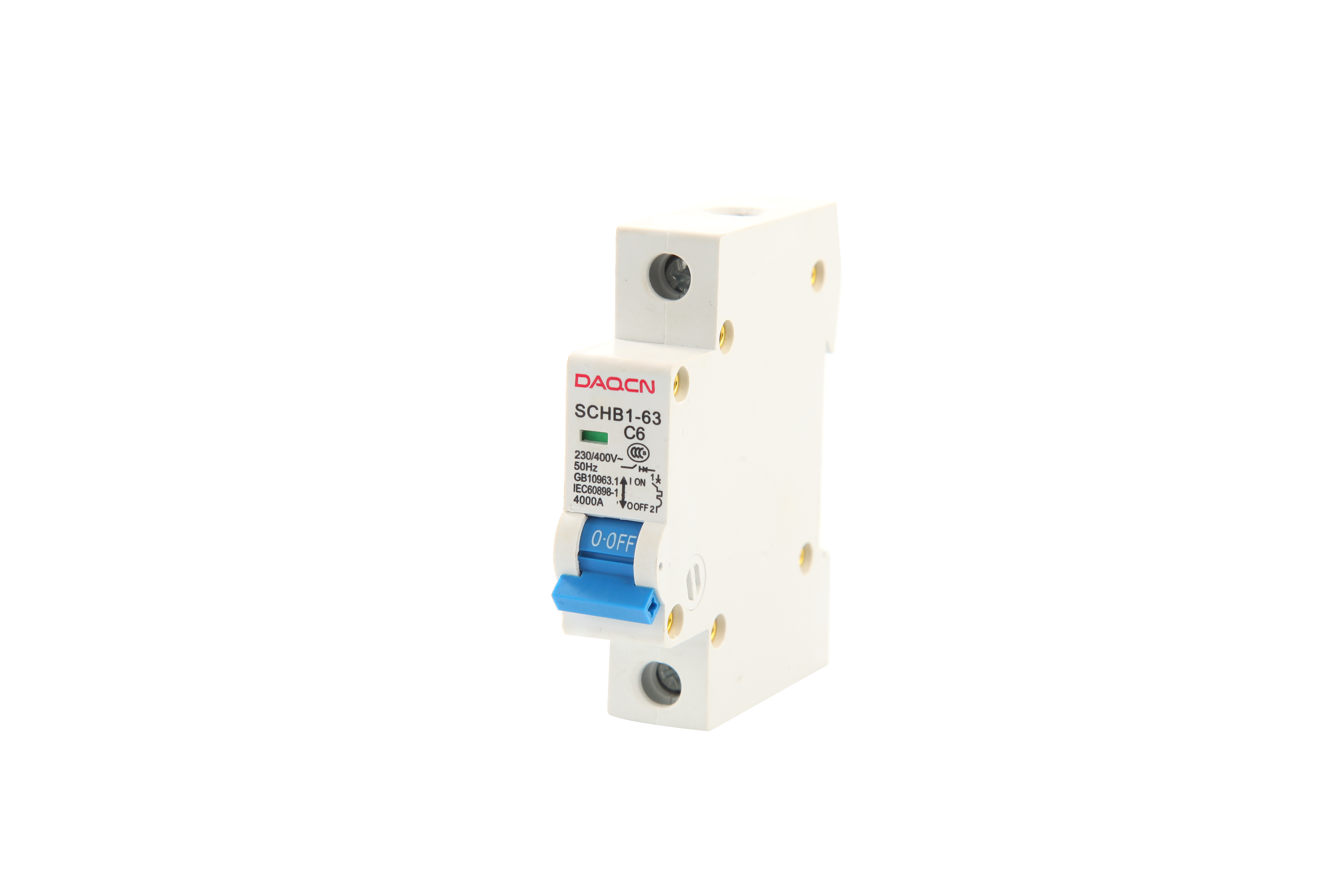
A circuit breaker for industrial equipment serves as a critical protective device designed to safeguard electrical systems from overloads, short circuits, and electrical faults in demanding industrial environments. This essential component automatically interrupts electrical current flow when dangerous conditions are detected, preventing equipment damage and ensuring worker safety. Industrial circuit breakers operate through sophisticated mechanisms that monitor current levels continuously and respond instantly to abnormal conditions. The primary function involves detecting excessive current flow and mechanically opening electrical contacts to stop power transmission. Modern circuit breakers for industrial equipment incorporate advanced trip units that utilize electronic sensors and microprocessors to provide precise protection parameters. These devices feature adjustable settings that allow maintenance personnel to customize protection levels based on specific equipment requirements and operational conditions. The technological features include magnetic and thermal trip mechanisms that respond to different types of electrical faults. Magnetic trips activate during short circuit conditions when current levels exceed predetermined thresholds, while thermal trips respond to sustained overload conditions that could damage equipment over time. Industrial applications span across manufacturing facilities, power distribution systems, motor control centers, and heavy machinery installations. Circuit breakers for industrial equipment are commonly found in steel mills, chemical processing plants, automotive manufacturing facilities, and food processing operations where reliable electrical protection is paramount. These devices accommodate various voltage ratings from low voltage applications up to medium voltage industrial systems. The construction typically features robust metal enclosures designed to withstand harsh industrial environments including temperature extremes, vibration, dust, and moisture. Advanced models incorporate communication capabilities that enable remote monitoring and integration with industrial automation systems, providing real-time status information and diagnostic data to maintenance personnel for predictive maintenance programs.
 EN
EN