Environmental Durability and Weather Resistance
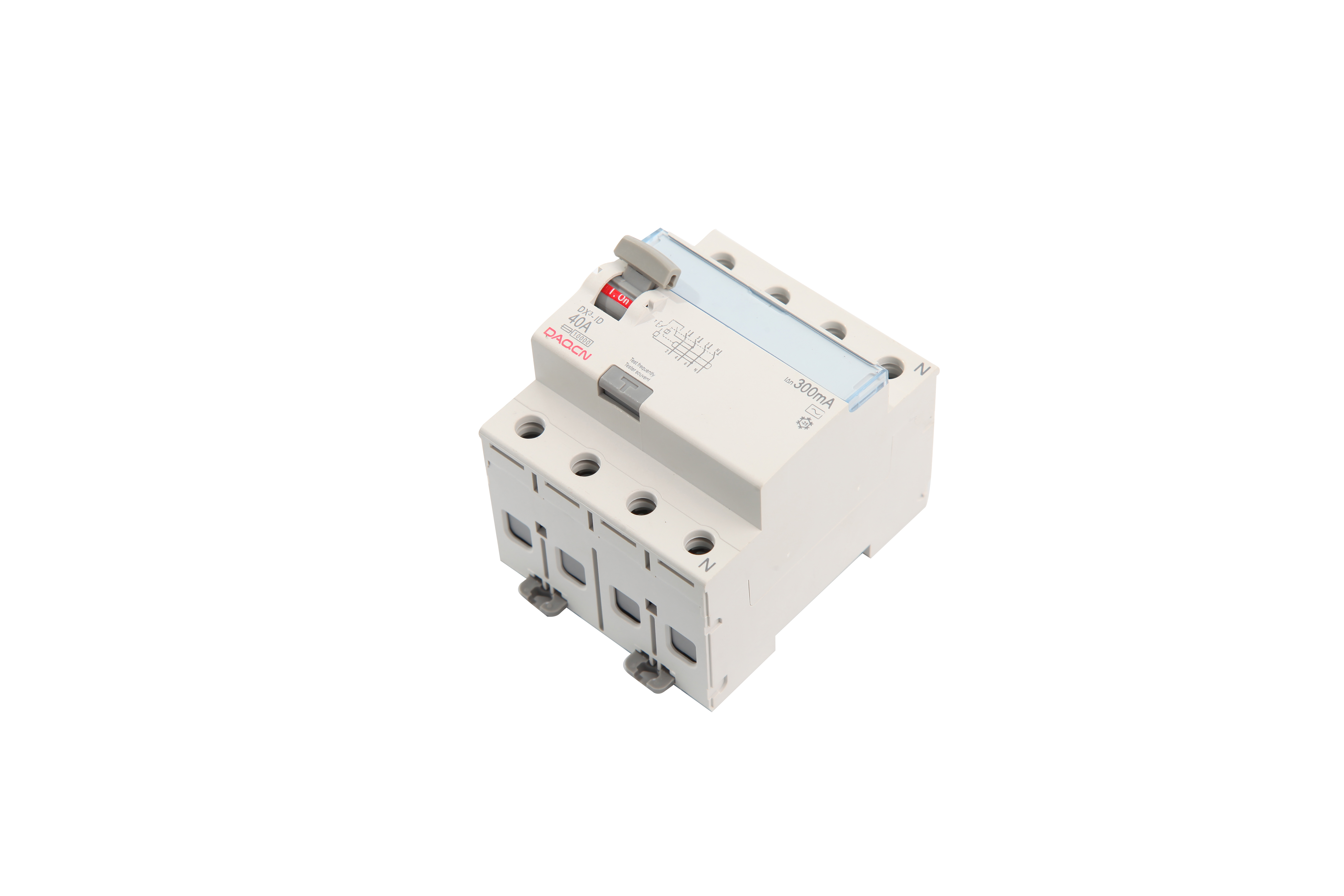
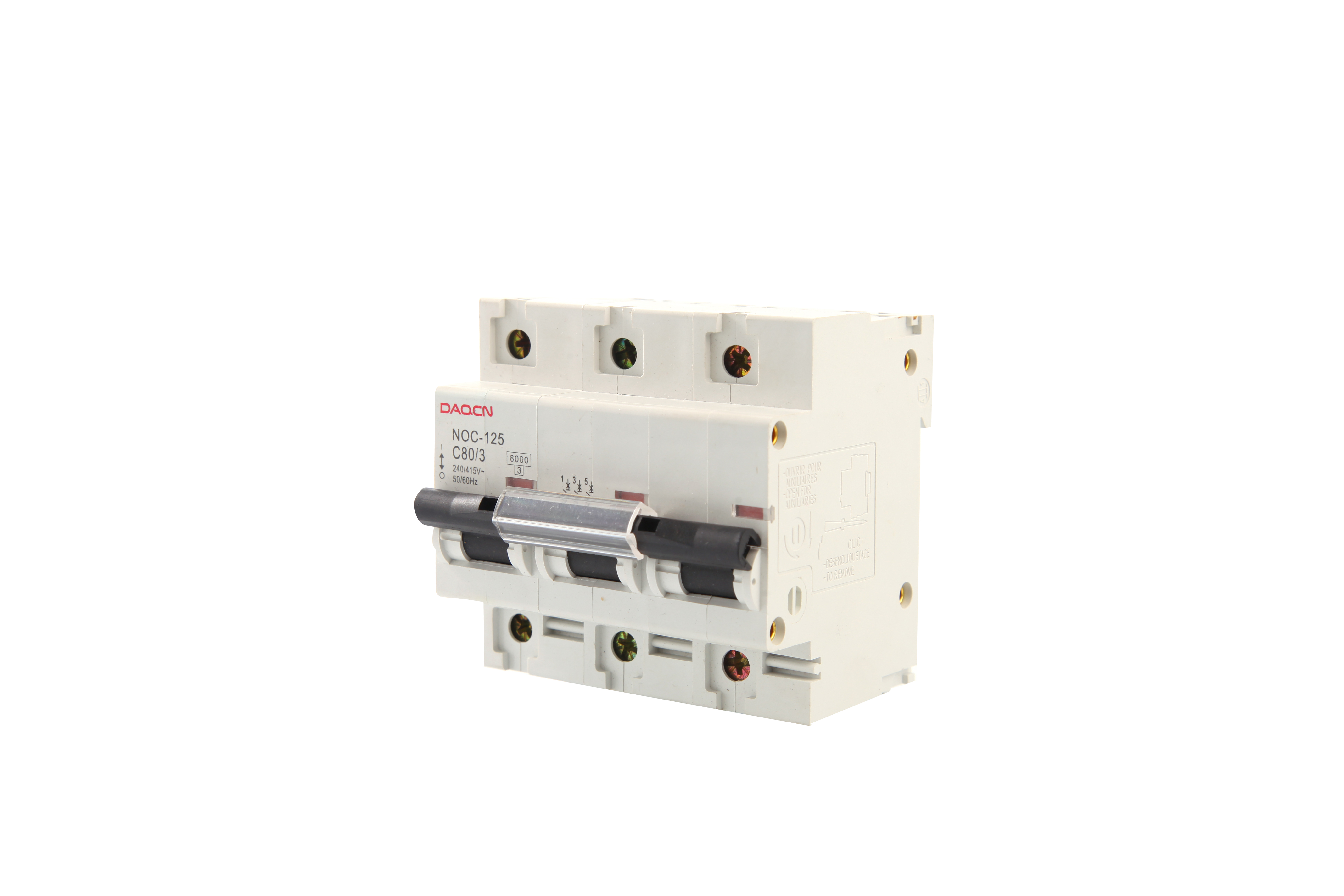
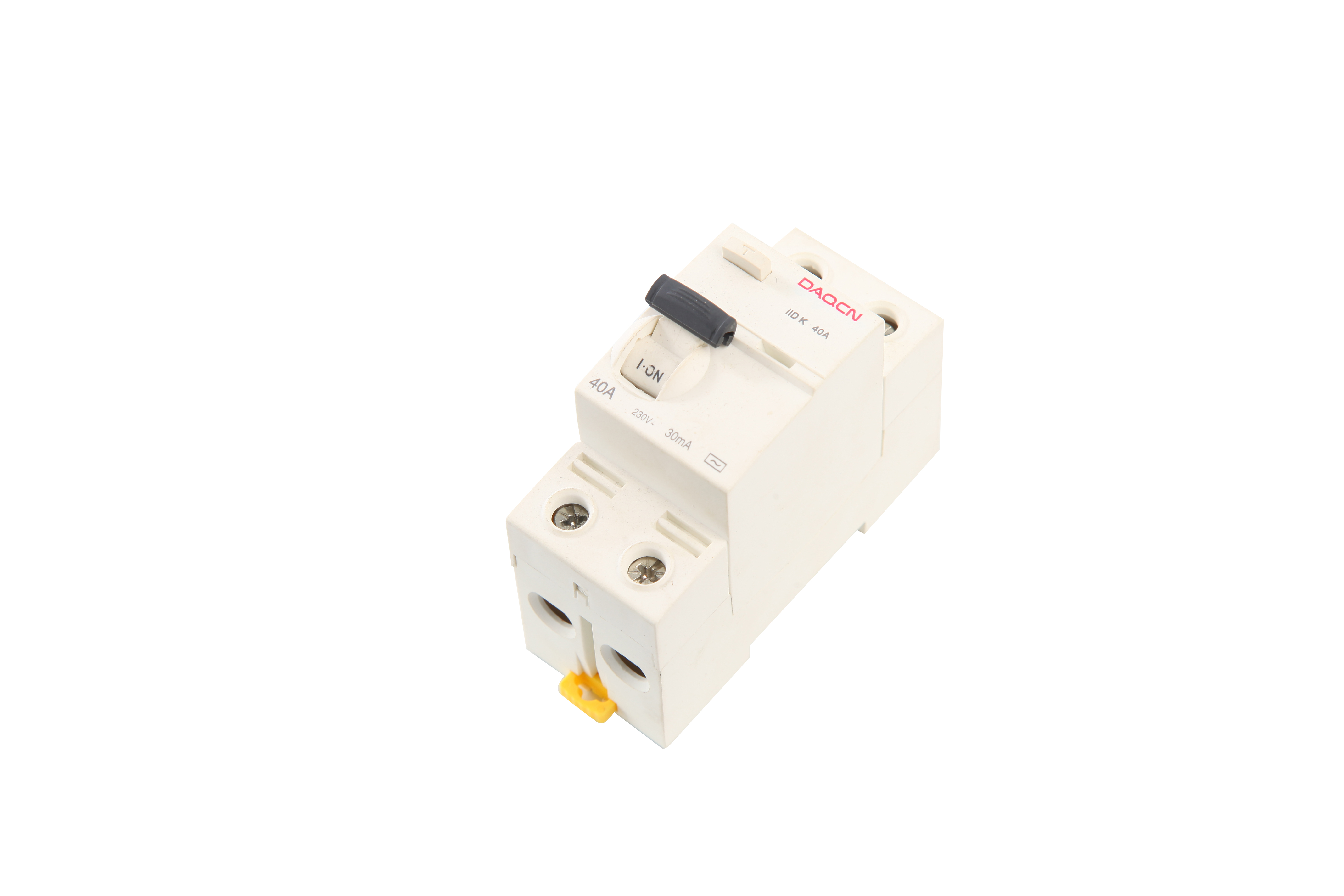
The circuit breaker for solar system must withstand harsh environmental conditions throughout its operational lifetime, typically spanning 25 years or more to match solar panel warranties. Specialized environmental protection features ensure reliable operation despite exposure to temperature extremes, moisture, UV radiation, salt spray, and atmospheric pollutants common in outdoor solar installations. Advanced housing materials including UV-stabilized polymers, stainless steel, and corrosion-resistant alloys maintain structural integrity and electrical performance under severe weather conditions. The circuit breaker for solar system incorporates multiple sealing systems including gaskets, O-rings, and weatherstripping that prevent moisture ingress while allowing thermal expansion and contraction. IP65 or higher ingress protection ratings ensure that internal components remain dry and functional despite direct exposure to rain, snow, and high-pressure water cleaning. Temperature compensation mechanisms maintain accurate trip characteristics across operating temperature ranges from -40°C to +85°C, ensuring consistent protection regardless of seasonal variations or geographic location. The circuit breaker for solar system features specialized contact materials and lubrication systems that resist degradation from thermal cycling, humidity, and ozone exposure. Conformal coatings on electronic components provide additional protection against moisture and contamination while maintaining electrical insulation properties. Ventilation systems in larger circuit breakers prevent internal condensation while excluding dust and debris that could interfere with mechanical operation. The environmental testing protocols for circuit breaker for solar system include accelerated aging tests, salt spray exposure, thermal shock cycling, and UV radiation exposure equivalent to decades of real-world operation. These rigorous testing standards ensure that circuit breakers maintain their protective functions and mechanical integrity throughout the expected system lifetime. Specialized mounting hardware and connection systems resist galvanic corrosion when installed with aluminum busbars and copper conductors commonly found in solar applications. The circuit breaker for solar system also incorporates features like drain channels and condensation management systems that handle moisture accumulation without compromising electrical safety or performance reliability.
 EN
EN