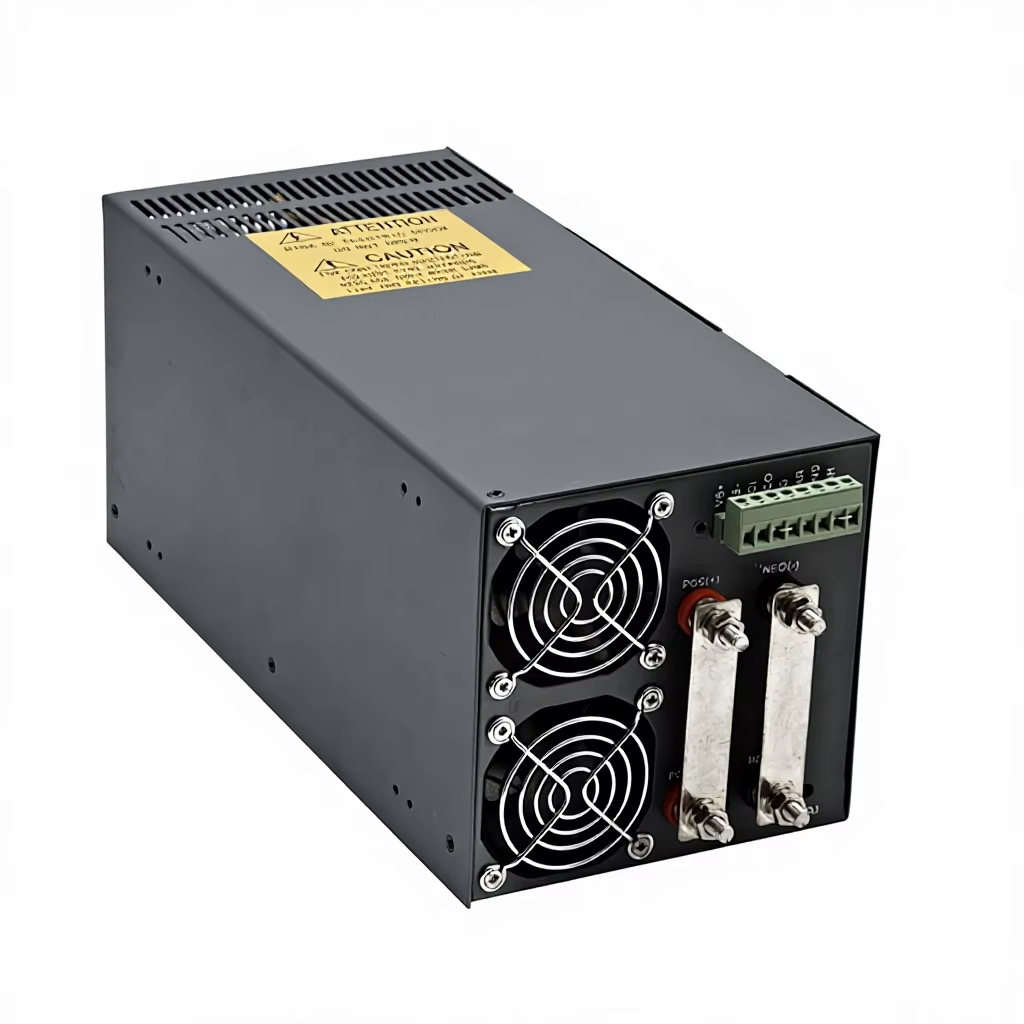
industrial switching power supply
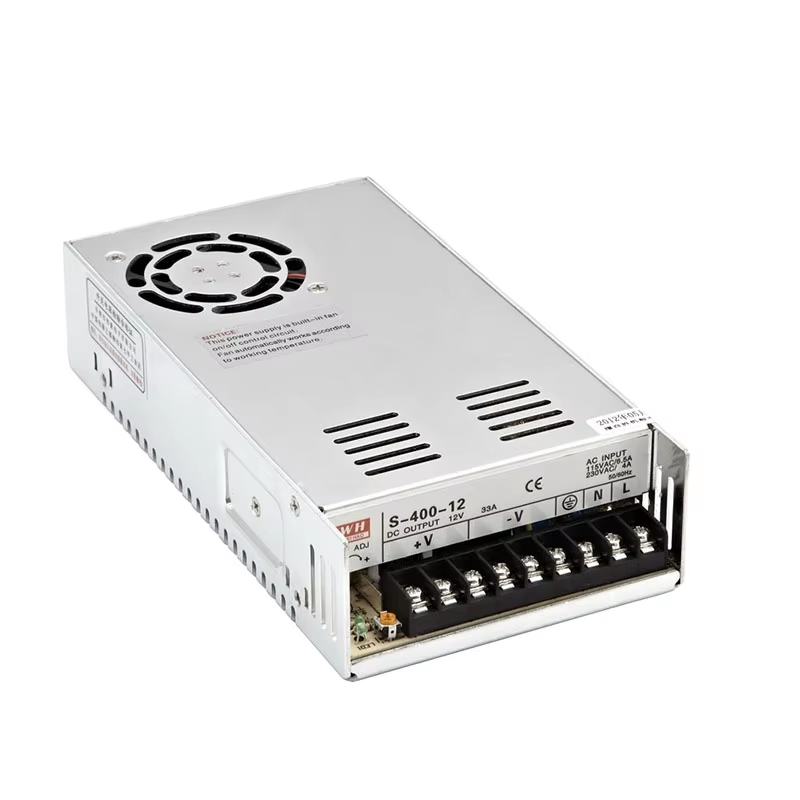
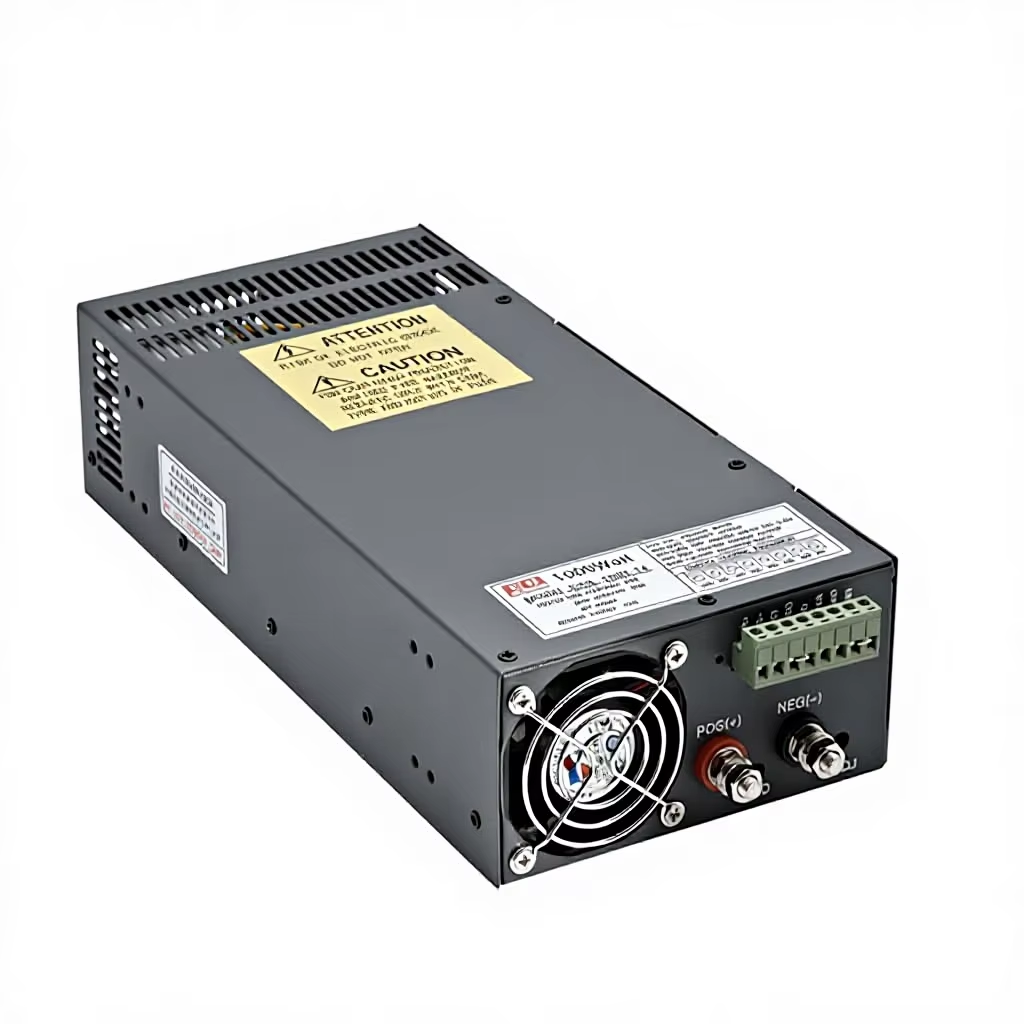
An industrial switching power supply represents a sophisticated electronic device that converts electrical energy from one form to another with exceptional efficiency and precision. This critical component transforms alternating current (AC) input into regulated direct current (DC) output, serving as the backbone of countless industrial applications. The industrial switching power supply operates through rapid switching mechanisms that control power flow, delivering stable voltage and current to sensitive equipment. Unlike traditional linear power supplies, these units employ high-frequency switching techniques that significantly reduce size, weight, and heat generation while maximizing energy conversion efficiency. The core functionality revolves around pulse-width modulation (PWM) control systems that regulate output parameters with remarkable accuracy. Modern industrial switching power supply units incorporate advanced protection mechanisms including overvoltage, overcurrent, and thermal protection to safeguard connected equipment. These power supplies feature robust construction designed to withstand harsh industrial environments, including extreme temperatures, humidity, vibration, and electromagnetic interference. The technological architecture includes input filtering stages, power factor correction circuits, switching converters, and sophisticated feedback control systems. Wide input voltage ranges accommodate various global power standards, while multiple output configurations support diverse load requirements. Galvanic isolation between input and output circuits ensures safety and reduces electrical noise transmission. The industrial switching power supply typically offers excellent load regulation, maintaining stable output even under varying load conditions. Temperature compensation features ensure consistent performance across operational temperature ranges. Many units provide remote sensing capabilities for precise voltage regulation at load terminals, compensating for voltage drops in distribution wiring. Advanced models incorporate communication interfaces enabling remote monitoring and control integration with industrial automation systems. The modular design philosophy allows for easy maintenance and replacement, minimizing system downtime in critical applications.
 EN
EN