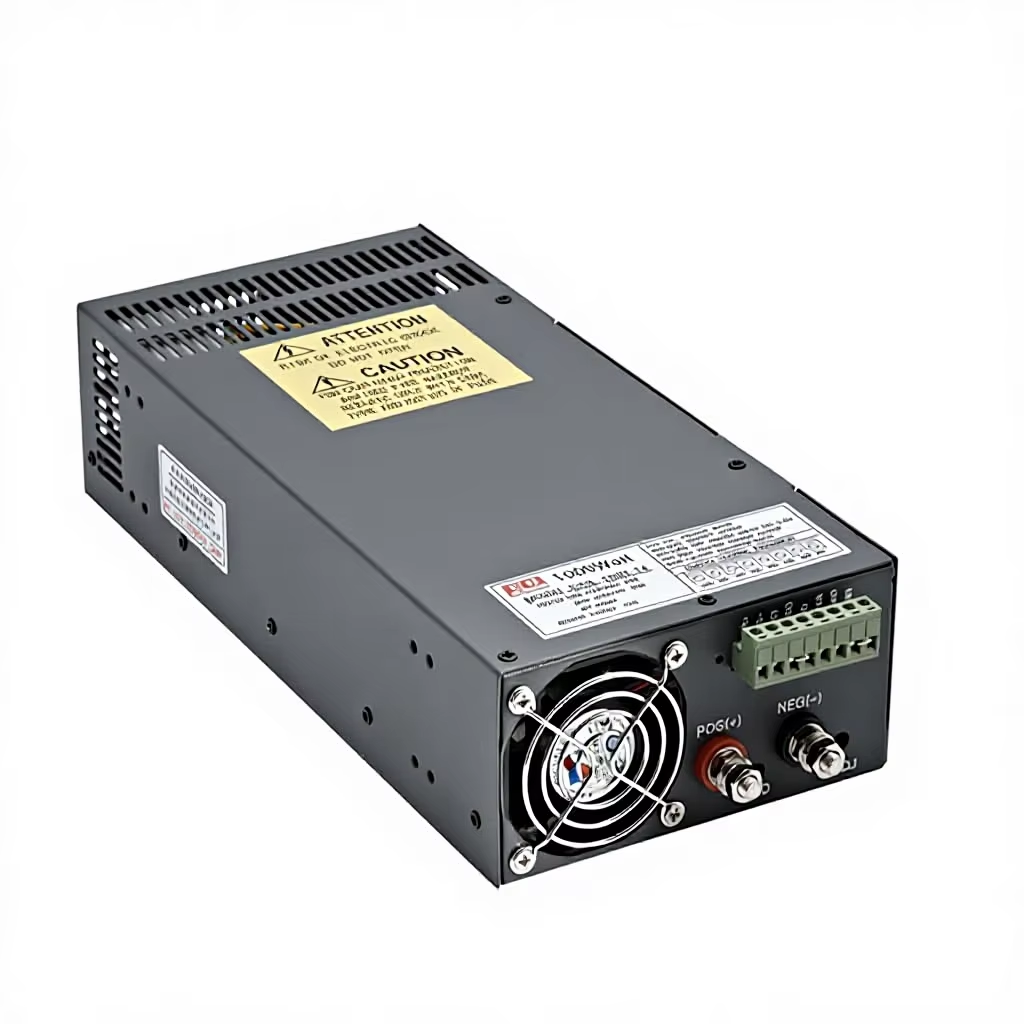
Advanced Short Circuit Protection Power Supply Systems - Complete Safety Solutions

All Categories

Get a Free Quote

Our representative will contact you soon.
Email
Name
Company Name
Mobile/WhatsApp
Message
0/1000

short circuit protection power supply

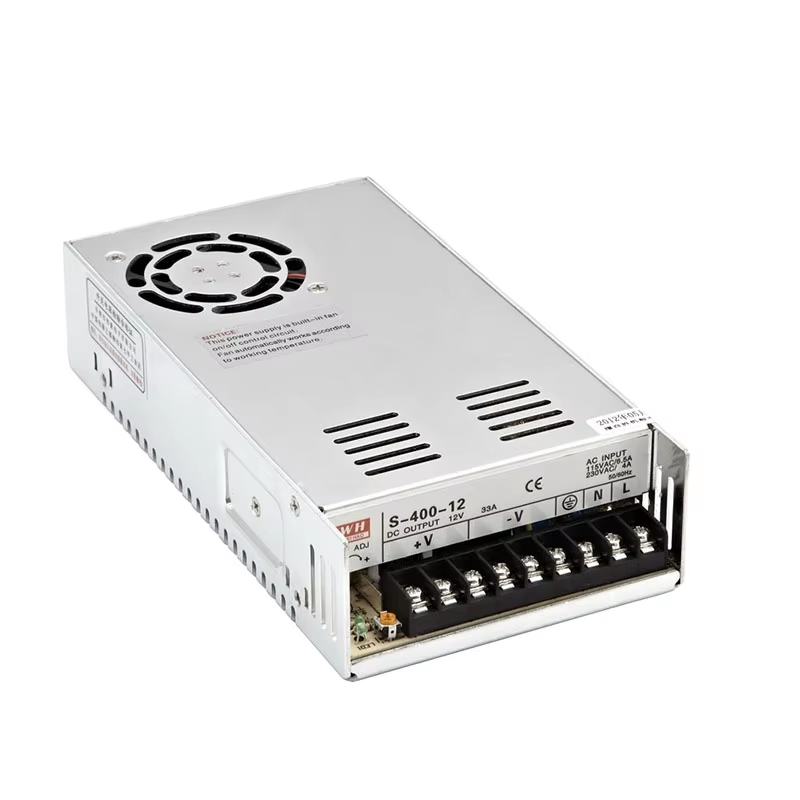
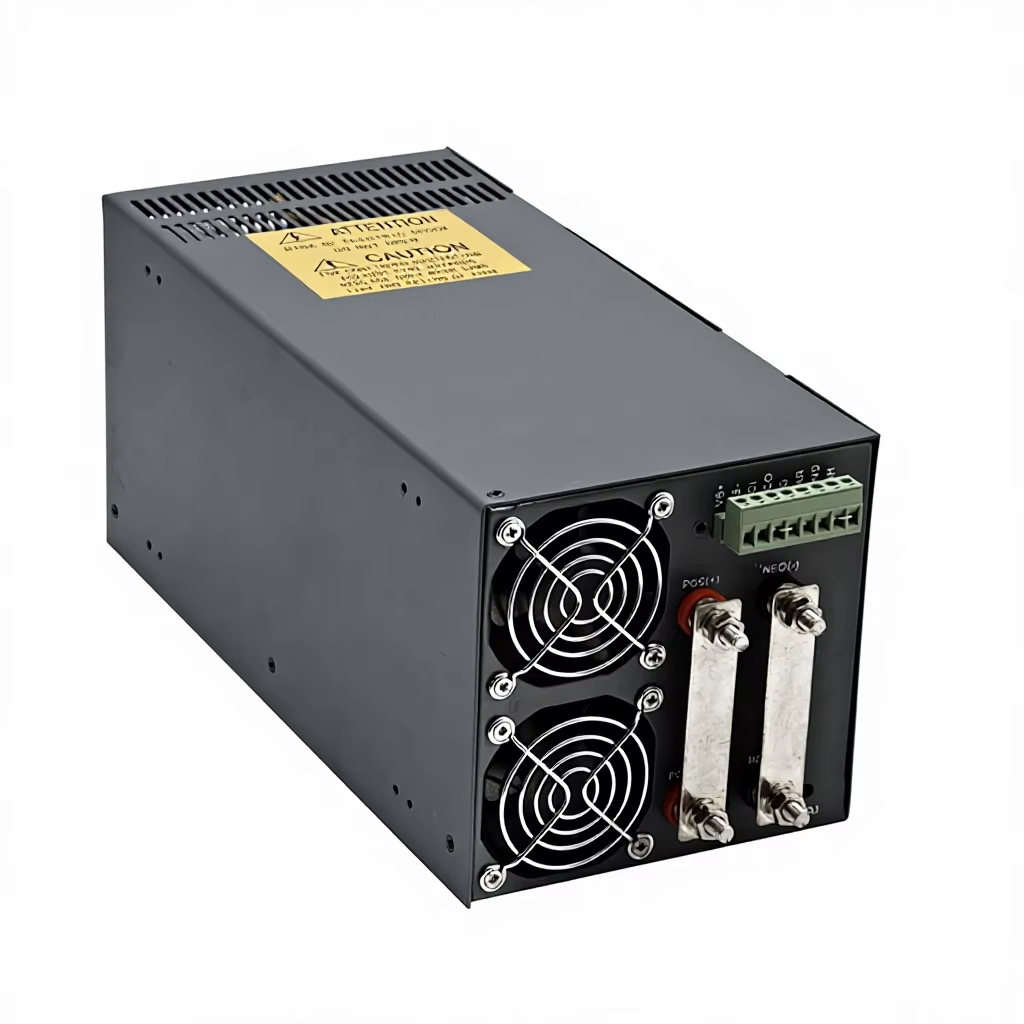
A short circuit protection power supply is an advanced electrical device designed to safeguard electronic systems from potentially damaging overcurrent conditions. This sophisticated power management solution incorporates intelligent monitoring circuits that continuously assess electrical flow and immediately respond to abnormal current spikes. When a short circuit occurs, the protection mechanism activates within microseconds, preventing catastrophic damage to connected equipment and reducing fire hazards. The short circuit protection power supply utilizes multiple detection methods, including current sensing resistors, Hall effect sensors, and magnetic circuit breakers, to identify fault conditions accurately. These systems feature adjustable trip thresholds, allowing users to customize protection levels based on specific application requirements. Modern short circuit protection power supply units incorporate microprocessor-controlled logic that can distinguish between temporary inrush currents and genuine fault conditions, minimizing false triggering. The technology employs various protection strategies, including current limiting, thermal shutdown, and voltage regulation, creating a comprehensive safety framework. These power supplies often include visual and audible alarm systems that alert operators to fault conditions, enabling rapid response and system recovery. The short circuit protection power supply typically features automatic reset capabilities after fault clearance, reducing downtime and maintenance requirements. Advanced models incorporate communication interfaces such as RS485 or Ethernet, allowing remote monitoring and control integration with building management systems. The robust construction of these units ensures reliable operation in harsh industrial environments, with sealed enclosures protecting against dust, moisture, and electromagnetic interference. Many short circuit protection power supply systems include energy storage capabilities, providing temporary power during brief outages while maintaining protection functions. The technology continues evolving with smart grid integration, IoT connectivity, and predictive maintenance features that analyze usage patterns to prevent failures before they occur.

New Products

The short circuit protection power supply delivers exceptional value through multiple practical benefits that directly impact operational efficiency and safety. First, these systems dramatically reduce equipment damage costs by instantly interrupting dangerous current flows before they can harm sensitive electronics. This proactive protection saves thousands of dollars in replacement equipment and reduces insurance premiums for businesses. The immediate response capability prevents cascading failures that could affect entire production lines or building electrical systems. Second, enhanced safety features protect personnel from electrical hazards, reducing workplace accidents and liability concerns. The short circuit protection power supply eliminates the risk of electrical fires caused by overloaded circuits, protecting both property and human life. This safety enhancement becomes particularly valuable in high-risk environments such as manufacturing facilities, data centers, and medical institutions. Third, improved system reliability ensures consistent operation with minimal downtime. The intelligent monitoring capabilities detect potential problems before they become critical, allowing for scheduled maintenance rather than emergency repairs. This predictive approach reduces operational disruptions and maintains productivity levels. Fourth, energy efficiency improvements result from precise current control and regulation, leading to lower electricity bills and reduced environmental impact. The short circuit protection power supply optimizes power distribution, eliminating waste and improving overall system performance. Fifth, simplified maintenance requirements reduce ongoing operational costs. The self-diagnostic features automatically identify issues and provide clear error codes, enabling faster troubleshooting and repair. This automation reduces the need for specialized technical personnel and minimizes service calls. Sixth, regulatory compliance becomes easier with built-in safety features that meet international electrical standards. The short circuit protection power supply helps businesses satisfy insurance requirements and pass safety inspections without additional modifications. Seventh, scalability advantages allow systems to grow with business needs. Modular designs enable easy expansion while maintaining comprehensive protection across all connected devices. Finally, remote monitoring capabilities provide real-time system status information, enabling proactive management and reducing on-site inspection requirements.

Tips And Tricks

What makes relay switching faster than manual controls?

25

Dec

What makes relay switching faster than manual controls?

Modern industrial automation demands precision, speed, and reliability that manual control systems simply cannot match. The evolution from manual switching to automated relay systems represents one of the most significant advances in electrical contr...
View More
How does a timer relay control electrical circuits?

25

Dec

How does a timer relay control electrical circuits?

A timer relay serves as a critical component in electrical circuit control systems, providing precise timing functions that enable automated switching operations across numerous industrial and commercial applications. These sophisticated devices comb...
View More
Why choose analog vs digital timer relay systems?

06

Jan

Why choose analog vs digital timer relay systems?

Industrial automation demands precise timing control, and selecting the right timer relay system can significantly impact operational efficiency and maintenance costs. The choice between analog and digital timer relay technologies represents a fundam...
View More
How to select the right timer relay for your project?

06

Jan

How to select the right timer relay for your project?

Selecting the appropriate timer relay for industrial applications requires careful consideration of various technical specifications and operational requirements. A timer relay serves as a critical component in automation systems, controlling time-de...
View More

Get a Free Quote

Our representative will contact you soon.
Email
Name
Company Name
Mobile/WhatsApp
Message
0/1000

short circuit protection power supply

Advanced Current Sensing Technology

Advanced Current Sensing Technology

The advanced current sensing technology integrated within the short circuit protection power supply represents a breakthrough in electrical safety and monitoring precision. This sophisticated system employs multiple sensing methodologies working in parallel to ensure comprehensive fault detection across all operational conditions. The primary sensing mechanism utilizes high-precision current transformers that provide accurate measurements with minimal power loss, enabling continuous monitoring without affecting system efficiency. These transformers operate on electromagnetic induction principles, generating proportional secondary currents that reflect primary circuit conditions with exceptional accuracy. The secondary sensing layer incorporates Hall effect sensors that detect magnetic fields generated by current flow, providing additional verification and enabling detection of both AC and DC fault conditions. This dual-sensor approach creates redundancy that prevents false alarms while ensuring no genuine fault condition goes undetected. The short circuit protection power supply further enhances reliability through integrated temperature compensation circuits that automatically adjust sensitivity based on ambient conditions. This compensation prevents environmental factors from triggering false alarms during seasonal temperature variations. The sensing technology includes programmable threshold settings that allow customization for different load types and operating conditions. Users can configure multiple protection zones with varying sensitivity levels, accommodating both sensitive electronics and robust industrial equipment within the same system. The intelligent processing unit analyzes sensor data using advanced algorithms that distinguish between normal startup currents, temporary overloads, and genuine fault conditions. This discrimination capability prevents unnecessary interruptions during equipment startup while maintaining full protection during actual emergencies. The sensing system provides real-time data logging capabilities, storing current measurements, fault events, and system status information for analysis and compliance reporting. This historical data enables predictive maintenance scheduling and helps identify recurring issues before they become critical. The technology includes self-testing features that automatically verify sensor accuracy and system functionality, alerting operators to any degradation in protection capabilities. Integration capabilities allow the sensing data to be shared with building management systems, SCADA networks, and mobile monitoring applications, providing comprehensive visibility into electrical system health and performance.
Intelligent Fault Discrimination

Intelligent Fault Discrimination

The intelligent fault discrimination capability of the short circuit protection power supply revolutionizes electrical safety by accurately distinguishing between harmless temporary conditions and dangerous fault situations. This advanced feature utilizes sophisticated microprocessor-based algorithms that analyze current waveforms, duration patterns, and rate-of-change characteristics to make precise determinations about electrical conditions. The system continuously monitors electrical signatures, learning normal operational patterns for connected equipment and building baseline profiles for each protected circuit. When anomalous conditions occur, the discrimination logic compares detected patterns against stored profiles, determining whether intervention is necessary. This intelligent analysis prevents nuisance tripping that can disrupt operations while ensuring genuine hazards receive immediate attention. The short circuit protection power supply incorporates time-delay functions that allow temporary overcurrent conditions, such as motor starting currents or capacitor charging surges, to occur without triggering protection mechanisms. These delays are automatically adjusted based on load characteristics and historical performance data, optimizing protection sensitivity for each specific application. The fault discrimination technology includes harmonic analysis capabilities that identify power quality issues affecting connected equipment. By analyzing frequency components beyond the fundamental frequency, the system can detect conditions such as harmonic distortion, which may indicate equipment problems or power quality concerns requiring attention. The intelligent system maintains detailed event logs that record all electrical anomalies, even those that do not trigger protection actions. This comprehensive logging enables trend analysis and helps identify gradual degradation in electrical systems before they result in failures. Machine learning algorithms continuously refine discrimination accuracy by analyzing historical fault data and outcomes, improving performance over time. The system learns to recognize site-specific electrical patterns, reducing false alarms while maintaining full protection effectiveness. Communication protocols enable the discrimination system to coordinate with other protection devices, creating hierarchical protection schemes that ensure selective operation during fault conditions. This coordination prevents unnecessary widespread outages by limiting protection actions to affected circuits only. The intelligent discrimination includes predictive capabilities that identify conditions likely to develop into faults, enabling proactive maintenance scheduling and preventing unexpected failures. Remote diagnostic capabilities allow technical personnel to analyze discrimination decisions and adjust parameters without on-site visits, reducing maintenance costs and improving system optimization.
Comprehensive System Integration

Comprehensive System Integration

The comprehensive system integration capabilities of the short circuit protection power supply enable seamless connectivity with existing electrical infrastructure and modern digital management systems. This integration approach transforms traditional standalone protection devices into intelligent network nodes that contribute to overall facility management and optimization. The communication architecture supports multiple industry-standard protocols, including Modbus RTU, Modbus TCP, BACnet, and SNMP, ensuring compatibility with diverse building automation and industrial control systems. These protocols enable real-time data exchange, allowing facility managers to monitor protection system status alongside other critical infrastructure components through unified dashboards. The short circuit protection power supply includes Ethernet connectivity with built-in web servers that provide browser-based access to system configuration, monitoring, and diagnostic functions. This web interface eliminates the need for specialized software installations, enabling authorized personnel to access system information from any networked device. Mobile application support extends monitoring capabilities to smartphones and tablets, providing instant notifications and remote system visibility for maintenance teams and facility managers. The integration platform includes API support that enables custom software applications to access protection system data, facilitating integration with enterprise resource planning systems and maintenance management platforms. Database connectivity options allow automatic logging of protection events, energy consumption data, and system performance metrics to SQL databases for analysis and reporting. The system supports MQTT publishing for IoT applications, enabling integration with cloud-based analytics platforms and artificial intelligence systems that can provide advanced predictive maintenance insights. Email and SMS notification systems ensure critical alerts reach appropriate personnel immediately, regardless of their location or the time of day. Integration with fire alarm systems enables coordinated responses during emergency conditions, automatically shutting down non-essential electrical loads while maintaining power to critical safety systems. The short circuit protection power supply can interface with emergency generator systems, providing seamless protection during power transfer operations and ensuring continuous monitoring during backup power operation. Load management integration enables automatic load shedding during peak demand periods, helping reduce energy costs while maintaining protection for critical circuits. The system includes synchronization capabilities that coordinate with other protection devices to implement selective coordination schemes, minimizing outage scope during fault conditions. Data export functions support various formats including CSV, XML, and JSON, enabling integration with third-party analysis tools and regulatory reporting systems.

Get a Free Quote

Our representative will contact you soon.
Email
Name
Company Name
Mobile/WhatsApp
Message
0/1000