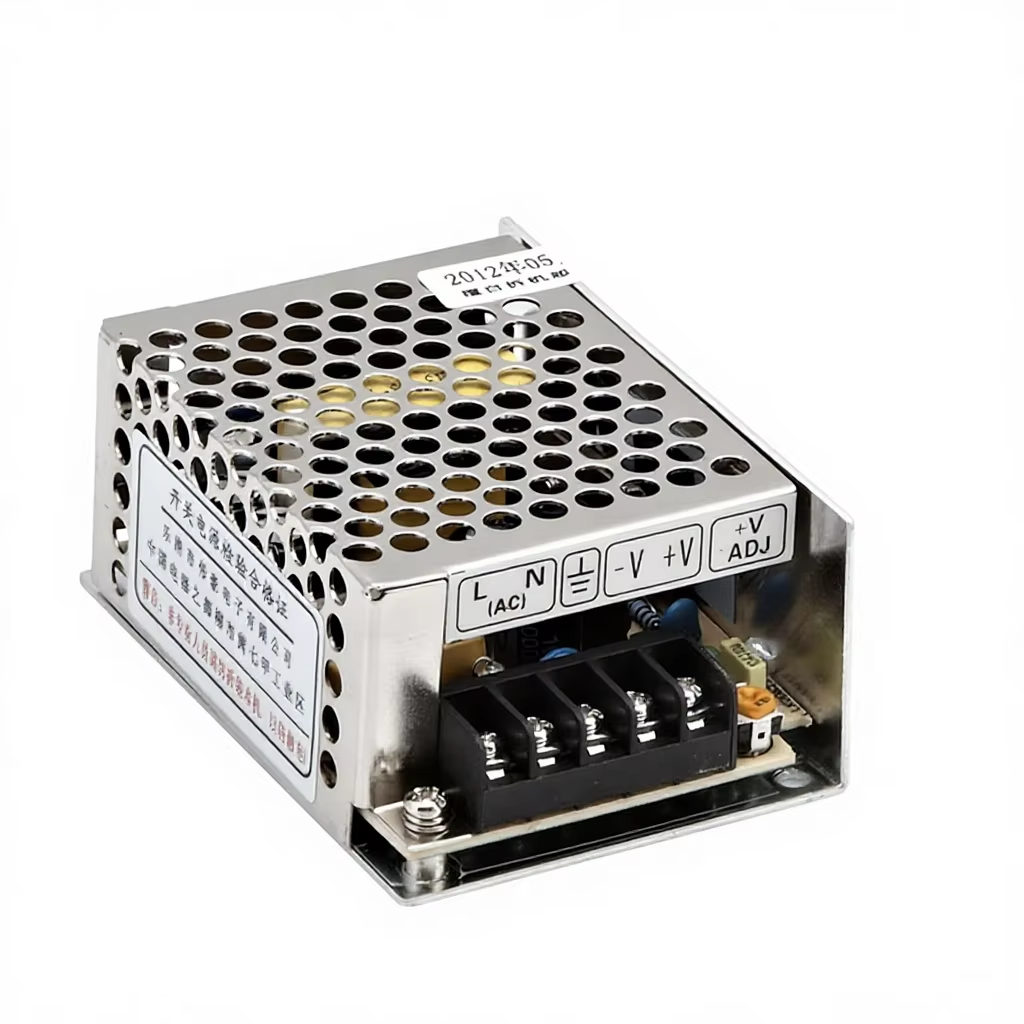
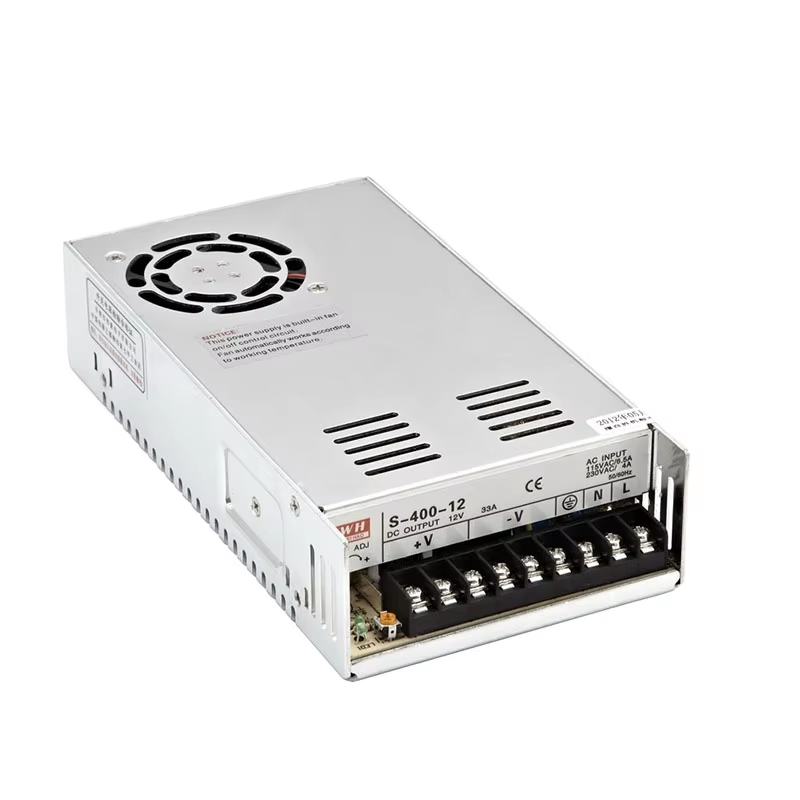
Premium Overload Protection Power Supply Solutions - Advanced Circuit Protection Technology

All Categories

Get a Free Quote

Our representative will contact you soon.
Email
Name
Company Name
Mobile/WhatsApp
Message
0/1000

overload protection power supply

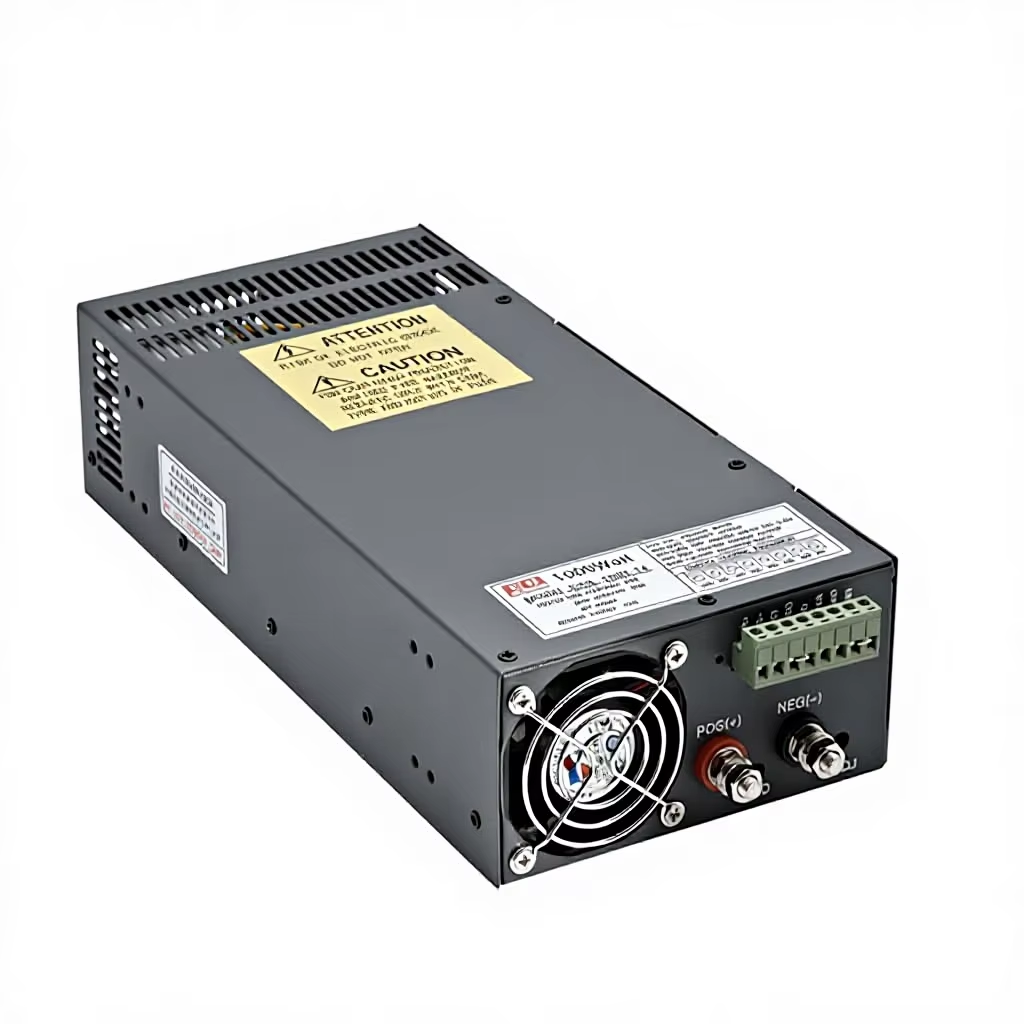
An overload protection power supply represents a critical electrical component designed to safeguard electronic devices and systems from excessive current draw that could cause permanent damage. This sophisticated power management solution incorporates advanced circuitry that continuously monitors electrical load conditions and automatically responds when current levels exceed predetermined safe thresholds. The overload protection power supply serves as the first line of defense against electrical failures, preventing costly equipment damage and ensuring operational continuity across various applications. The core functionality of an overload protection power supply centers on its ability to detect abnormal current conditions in real-time. When the connected load attempts to draw more current than the supply is rated to handle, the protection mechanism immediately activates, either limiting the current flow or completely shutting down the output to prevent damage. This protective action occurs within milliseconds, far faster than traditional fuses or circuit breakers can respond. The technological framework incorporates current sensing circuits, control logic, and output switching mechanisms that work in harmony to provide reliable protection. Modern overload protection power supply units utilize both hardware and software-based protection algorithms, offering multiple layers of security for connected equipment. These systems often feature adjustable threshold settings, allowing users to customize protection levels based on specific application requirements. The applications for overload protection power supply systems span numerous industries and environments. In industrial automation, these units protect expensive machinery and control systems from electrical surges. Data centers rely on overload protection power supply solutions to maintain server uptime and prevent data loss. Laboratory equipment, medical devices, telecommunications infrastructure, and consumer electronics all benefit from this essential protection technology. The versatility of overload protection power supply units makes them indispensable in any environment where electrical reliability and equipment protection are paramount concerns.

New Product Recommendations

The overload protection power supply delivers substantial cost savings by preventing expensive equipment replacement and repair expenses. When electrical systems experience overload conditions without proper protection, the resulting damage often requires complete component replacement, lengthy downtime, and professional repair services. By implementing an overload protection power supply, organizations eliminate these unexpected costs while maintaining continuous operations. The financial benefits extend beyond immediate repair savings, as protected equipment maintains its full operational lifespan and performance characteristics. Enhanced safety represents another crucial advantage of the overload protection power supply system. Electrical overloads can create dangerous conditions including excessive heat generation, component failure, and potential fire hazards. The overload protection power supply eliminates these risks by immediately responding to dangerous current levels before they can cause harm to equipment or personnel. This safety enhancement is particularly important in environments where people work closely with electrical equipment or where unattended systems operate continuously. The overload protection power supply also provides superior reliability compared to traditional protection methods. Unlike fuses that require replacement after activation or circuit breakers that may fail to trip consistently, modern overload protection power supply units offer automatic recovery capabilities. Once the overload condition clears, the system can automatically restore power without manual intervention, minimizing downtime and maintenance requirements. This self-resetting capability ensures continuous protection without the need for immediate human response. Operational efficiency improves significantly with overload protection power supply implementation. These systems provide detailed monitoring and diagnostic information, allowing operators to identify potential problems before they become critical failures. The real-time feedback enables proactive maintenance scheduling and system optimization, reducing unexpected outages and improving overall system performance. Many overload protection power supply units include remote monitoring capabilities, enabling centralized management of multiple protection points throughout a facility. The versatility of overload protection power supply systems allows for easy integration into existing electrical infrastructure. These units can be configured to match specific load requirements and protection parameters, ensuring optimal performance across diverse applications. The flexibility extends to communication protocols, mounting options, and control interfaces, making implementation straightforward regardless of system complexity. This adaptability reduces installation costs and simplifies long-term maintenance procedures.

Latest News

What makes relay switching faster than manual controls?

25

Dec

What makes relay switching faster than manual controls?

Modern industrial automation demands precision, speed, and reliability that manual control systems simply cannot match. The evolution from manual switching to automated relay systems represents one of the most significant advances in electrical contr...
View More
When should you replace a faulty relay in your system?

25

Dec

When should you replace a faulty relay in your system?

Industrial electrical systems depend heavily on reliable switching components, and understanding when to replace critical components can prevent costly downtime and equipment failure. A relay serves as an electromagnetic switch that controls high-pow...
View More
How to select the right timer relay for your project?

06

Jan

How to select the right timer relay for your project?

Selecting the appropriate timer relay for industrial applications requires careful consideration of various technical specifications and operational requirements. A timer relay serves as a critical component in automation systems, controlling time-de...
View More
What is an energy meter and how does it work in 2025?

06

Jan

What is an energy meter and how does it work in 2025?

In today's increasingly connected world, understanding energy consumption has become essential for both residential and commercial applications. An energy meter serves as the fundamental device that measures electrical energy consumption in buildings...
View More

Get a Free Quote

Our representative will contact you soon.
Email
Name
Company Name
Mobile/WhatsApp
Message
0/1000

overload protection power supply

Intelligent Current Monitoring and Response Technology

Intelligent Current Monitoring and Response Technology

The overload protection power supply incorporates sophisticated current monitoring technology that provides unparalleled accuracy and response speed compared to conventional protection methods. This intelligent system continuously analyzes current flow patterns using high-precision sensing circuits that can detect even minor variations in electrical load conditions. The monitoring capability extends beyond simple current measurement, incorporating advanced algorithms that can distinguish between normal load fluctuations and potentially dangerous overload conditions. This discrimination ability prevents false triggering while ensuring genuine threats are addressed immediately. The response mechanism of the overload protection power supply operates through multiple protection stages, providing graduated responses based on the severity of the overload condition. Minor overloads trigger current limiting functions that reduce output while maintaining partial operation, allowing temporary load spikes to pass without complete shutdown. Severe overload conditions activate complete output disconnection, providing maximum protection for connected equipment. The system maintains detailed event logging, recording all protection activations with precise timestamps and current measurements for later analysis. This data proves invaluable for troubleshooting recurring issues and optimizing system performance. The intelligent monitoring extends to temperature sensing, voltage regulation, and power quality analysis, creating a comprehensive protection environment. Many overload protection power supply units feature predictive analysis capabilities that identify developing problems before they reach critical thresholds. This proactive approach enables preventive maintenance scheduling and system optimization, reducing unexpected failures and extending equipment lifespan. The monitoring system communicates with external management platforms through various protocols, enabling centralized oversight of multiple protection points throughout large facilities. Remote monitoring capabilities allow operators to track system performance, adjust protection parameters, and receive immediate notification of any protection events, ensuring rapid response to potential issues.
Automatic Recovery and Self-Diagnostic Capabilities

Automatic Recovery and Self-Diagnostic Capabilities

The overload protection power supply features advanced automatic recovery functionality that distinguishes it from traditional protection devices requiring manual reset procedures. This self-resetting capability continuously monitors load conditions after a protection event, automatically restoring power once the overload condition clears and normal operating parameters return. The recovery process incorporates intelligent timing algorithms that prevent rapid cycling between protection and recovery states, ensuring system stability while minimizing downtime. The automatic recovery sequence includes comprehensive system checks that verify all parameters are within acceptable ranges before power restoration occurs. This thorough validation process prevents premature recovery that could lead to repeated protection events or equipment damage. The overload protection power supply maintains detailed recovery logs, documenting the duration of protection events, recovery attempts, and final restoration success, providing valuable maintenance and performance data. The self-diagnostic capabilities of the overload protection power supply provide continuous health monitoring for the protection system itself. Internal diagnostic routines regularly test all protection circuits, sensors, and control mechanisms to ensure proper operation. These diagnostics can identify potential component degradation before it affects protection performance, enabling proactive replacement and maintenance scheduling. The diagnostic system generates detailed status reports that include component health indicators, calibration status, and performance metrics. Many overload protection power supply units feature built-in testing modes that allow operators to verify protection functionality without creating actual overload conditions. This testing capability ensures the protection system will respond correctly when needed while avoiding unnecessary stress on protected equipment. The diagnostic information integrates with maintenance management systems, automatically scheduling calibration procedures and component replacement based on actual usage patterns and performance data. The comprehensive diagnostic capabilities extend to communication systems, power quality monitoring, and environmental sensors, providing complete visibility into protection system status and performance characteristics.
Customizable Protection Parameters and Integration Flexibility

Customizable Protection Parameters and Integration Flexibility

The overload protection power supply offers extensive customization options that allow precise tailoring of protection parameters to match specific application requirements and equipment characteristics. Users can adjust current thresholds, response times, recovery delays, and protection sensitivity to optimize protection for diverse load types and operating conditions. This flexibility ensures the overload protection power supply provides appropriate protection without unnecessarily restricting normal operation or causing nuisance trips. The customization extends to communication protocols, allowing seamless integration with existing control systems and monitoring infrastructure. The parameter customization process utilizes intuitive software interfaces that guide users through protection setup procedures while providing real-time feedback on configuration changes. Advanced users can access detailed programming options that enable complex protection profiles incorporating time-based variations, load-dependent thresholds, and conditional responses. The overload protection power supply stores multiple protection profiles, allowing rapid switching between different operating modes based on system requirements or time schedules. This profile capability proves particularly valuable in applications where load characteristics change throughout operational cycles. The integration flexibility of the overload protection power supply accommodates various mounting configurations, connection methods, and control interfaces to suit diverse installation requirements. Standard DIN rail mounting, panel mounting, and standalone enclosure options provide mechanical compatibility with existing installations. Electrical connections support various terminal types, connector systems, and cable entry methods to simplify integration and reduce installation costs. The communication capabilities include multiple protocol options such as Modbus, Ethernet, and discrete I/O signals, ensuring compatibility with diverse control systems and monitoring platforms. The overload protection power supply supports both centralized and distributed control architectures, adapting to existing system designs without requiring significant infrastructure changes. Configuration backup and restoration capabilities enable rapid deployment of standardized protection settings across multiple units, reducing commissioning time and ensuring consistent protection levels. The system documentation includes detailed integration guides, example configurations, and troubleshooting procedures that simplify installation and ongoing maintenance activities.

Get a Free Quote

Our representative will contact you soon.
Email
Name
Company Name
Mobile/WhatsApp
Message
0/1000