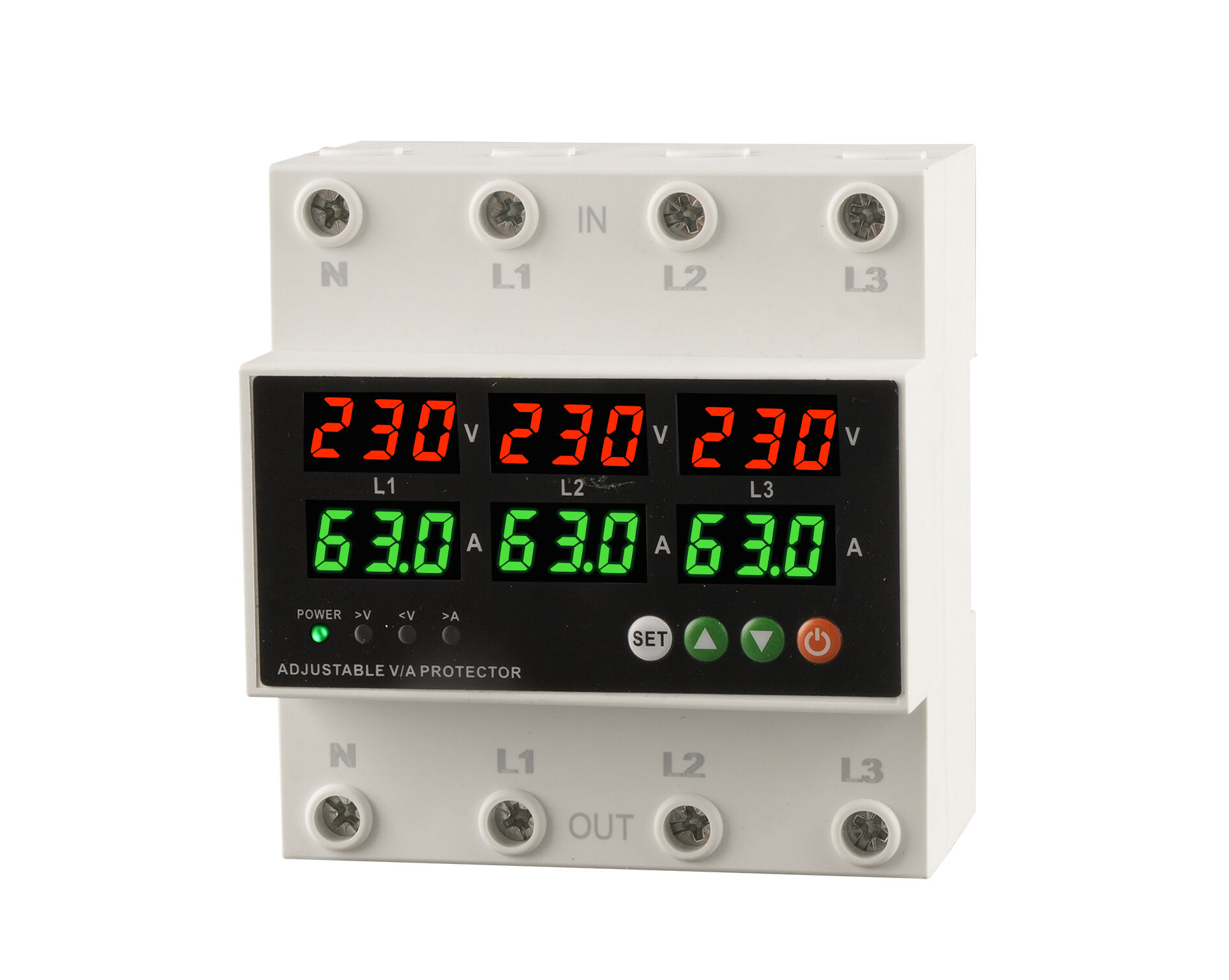
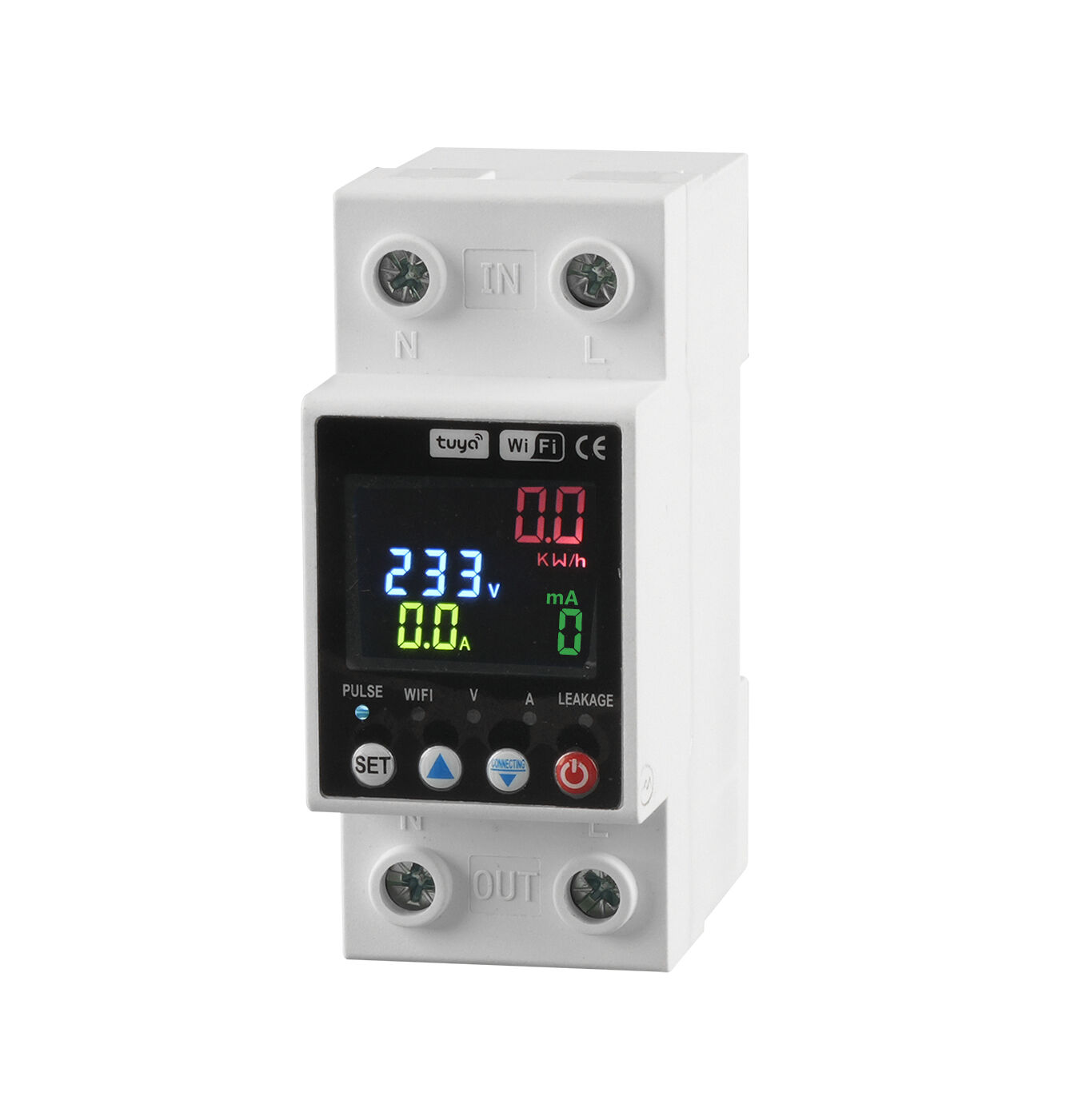
under over voltage protection circuit
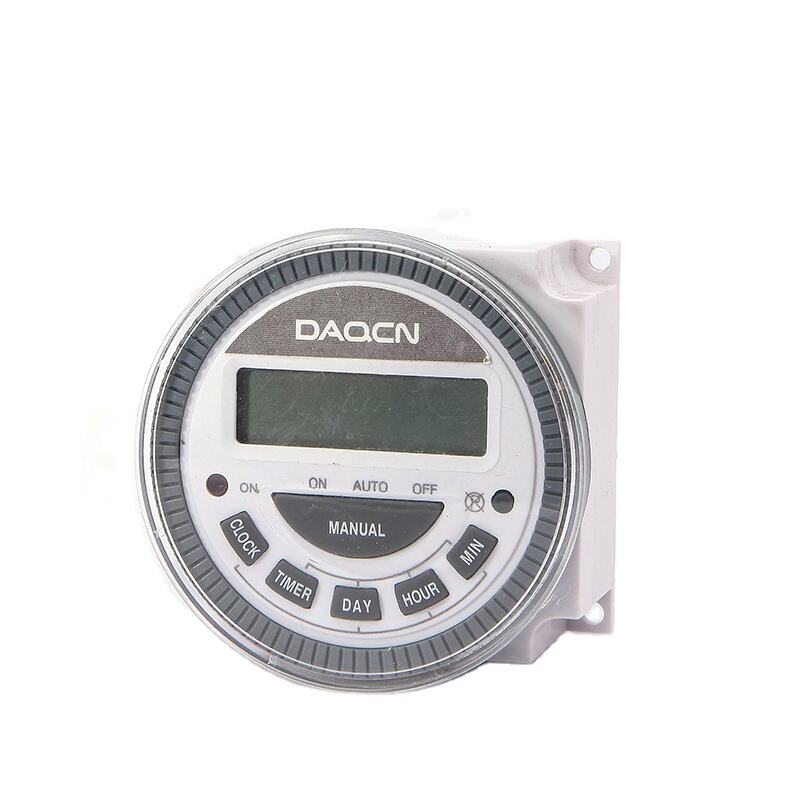
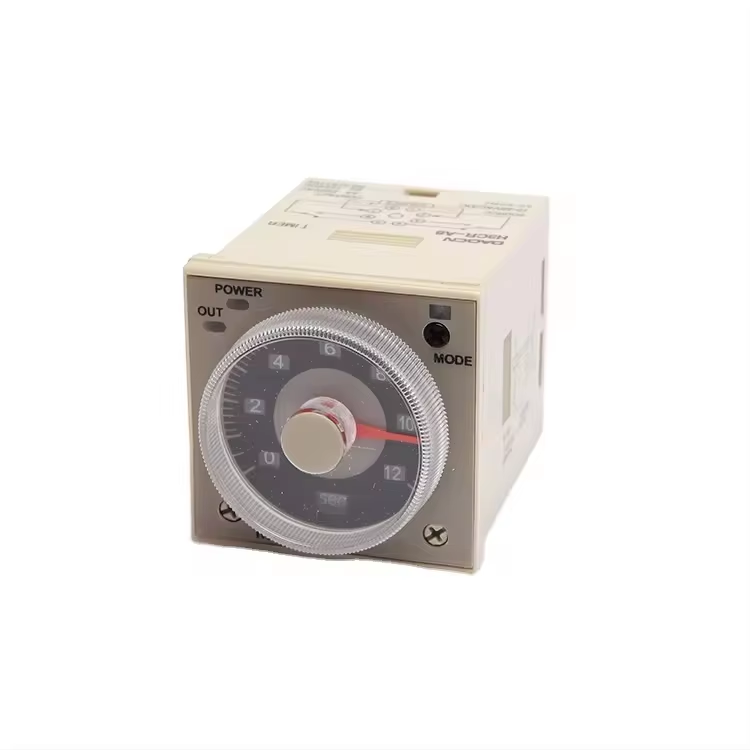
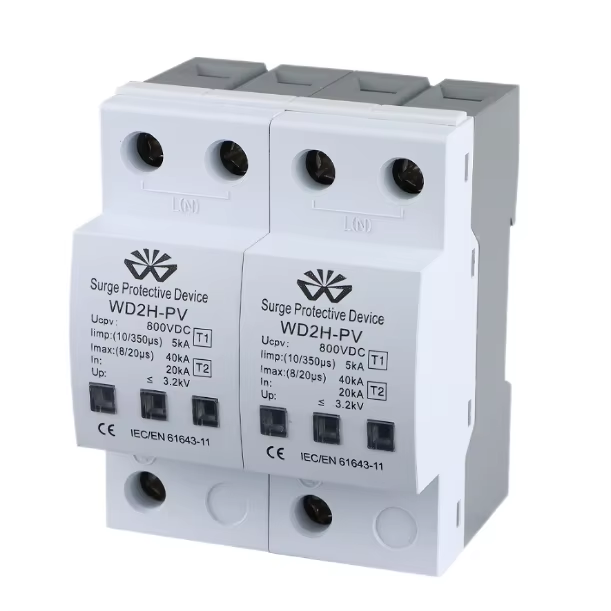
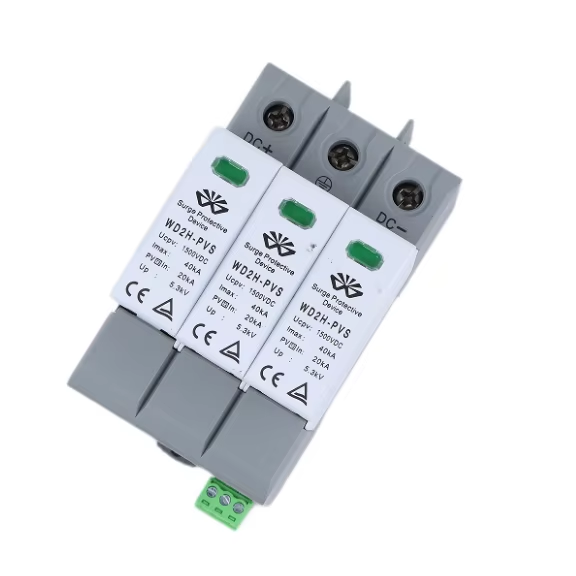
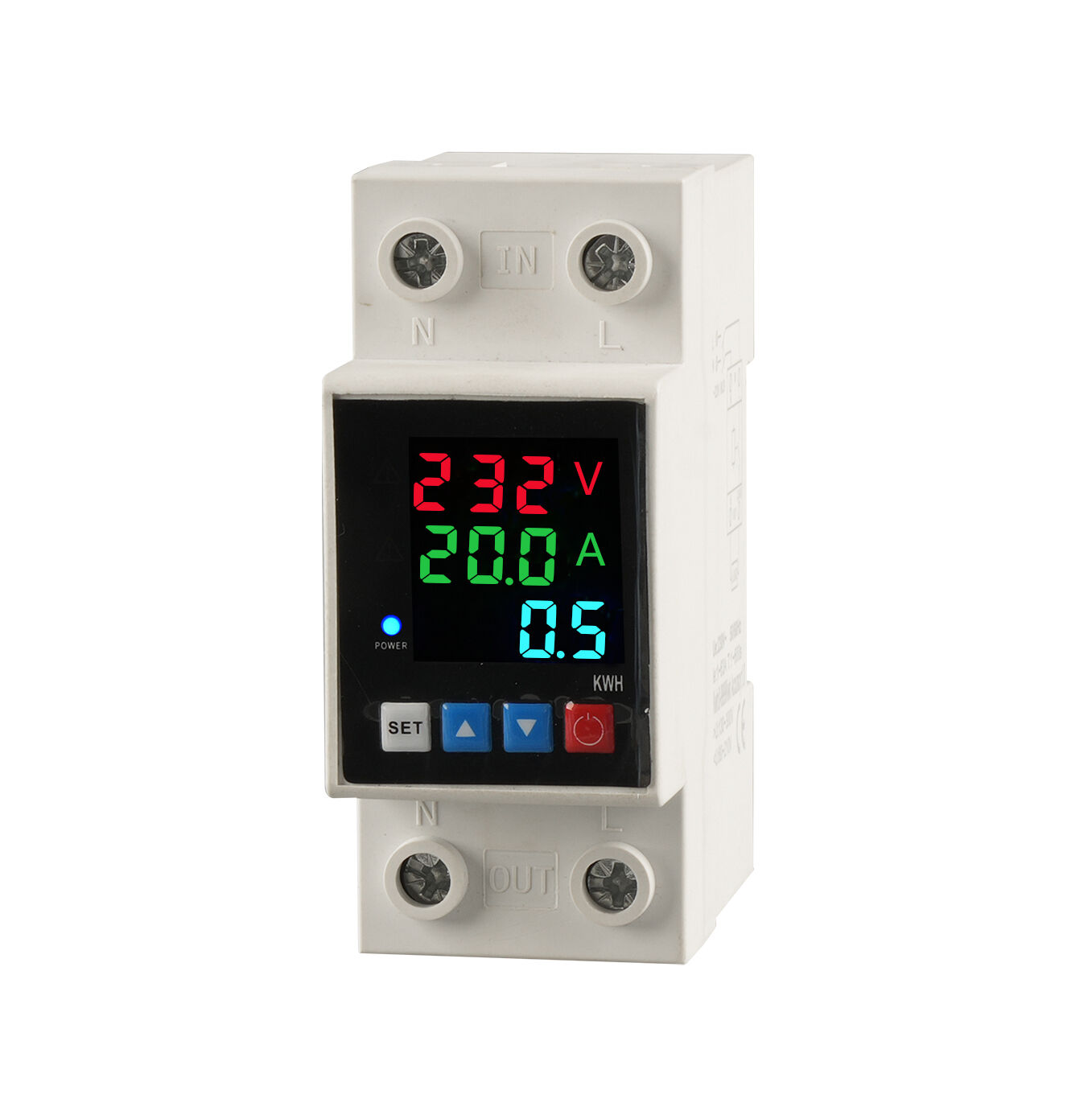
An under over voltage protection circuit serves as a critical safeguard mechanism designed to monitor electrical systems and protect connected equipment from potentially damaging voltage fluctuations. This sophisticated electronic protection system automatically detects when voltage levels fall below or exceed predetermined safe operating parameters, immediately disconnecting power to prevent equipment damage, fire hazards, or personal injury. The under over voltage protection circuit operates through precise voltage monitoring sensors that continuously analyze incoming electrical supply, comparing real-time measurements against preset threshold values. When voltage deviates beyond acceptable ranges, the circuit triggers protective relays or contactors to isolate the load from the power source. Modern under over voltage protection circuits incorporate advanced microprocessor-based controllers that offer enhanced accuracy, faster response times, and programmable settings for different applications. These circuits typically feature adjustable voltage thresholds, time delays, and reset functions to accommodate various equipment requirements and operational conditions. The protection system includes both instantaneous and time-delayed responses, allowing temporary voltage fluctuations to pass while blocking sustained dangerous conditions. Key technological features include digital displays for real-time voltage monitoring, LED indicators for system status, manual reset capabilities, and communication interfaces for remote monitoring and control. The under over voltage protection circuit integrates seamlessly with existing electrical infrastructure, requiring minimal installation effort while providing comprehensive protection. Applications span across residential, commercial, and industrial sectors, protecting sensitive electronics, motors, heating systems, lighting networks, and critical machinery from voltage-related failures that could result in expensive repairs or dangerous situations.
 EN
EN