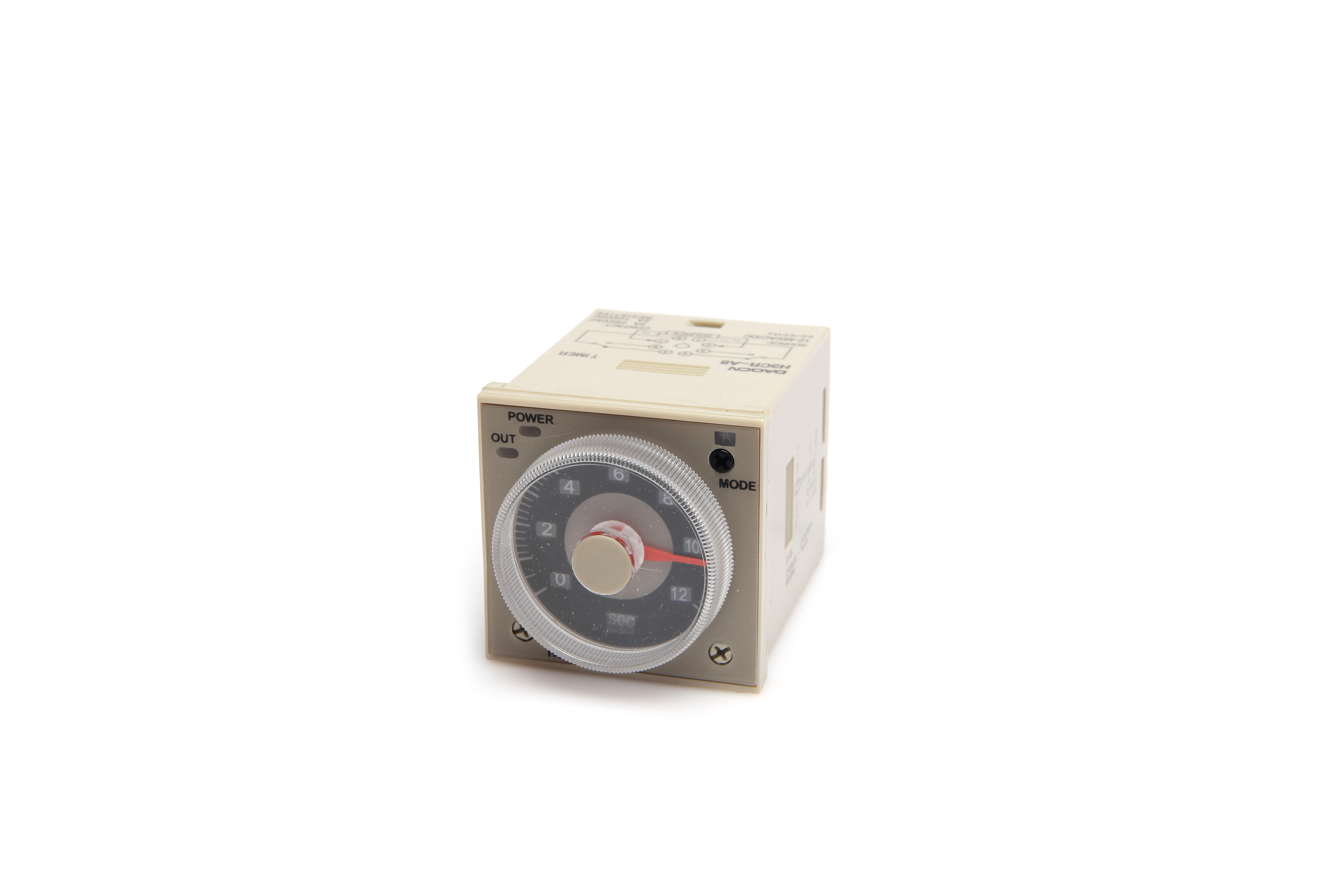
digital time delay
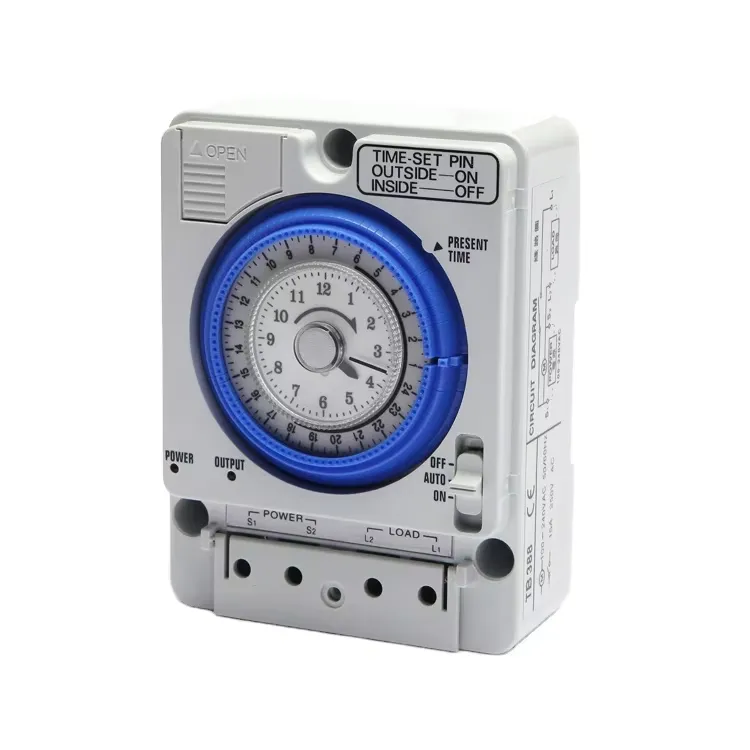
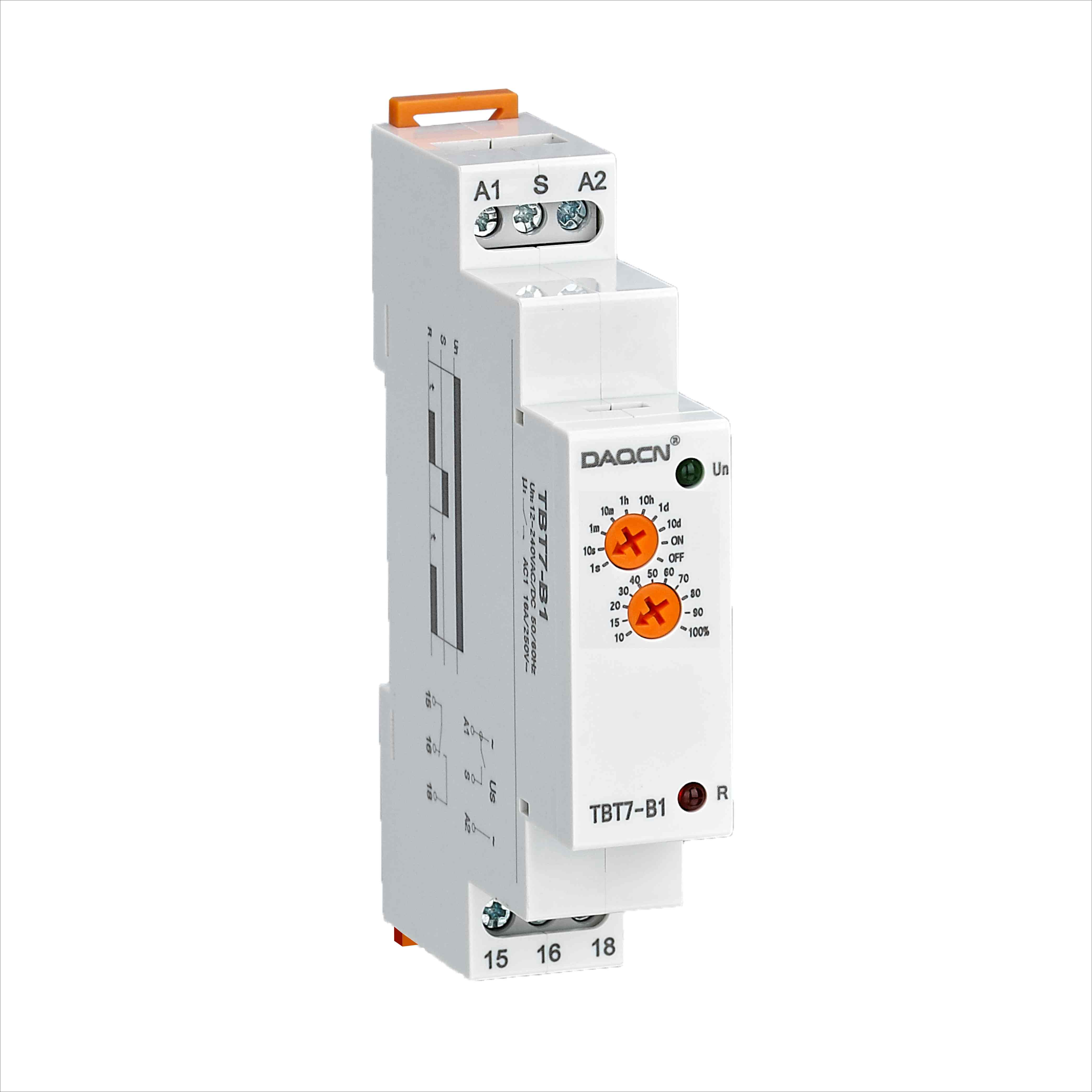
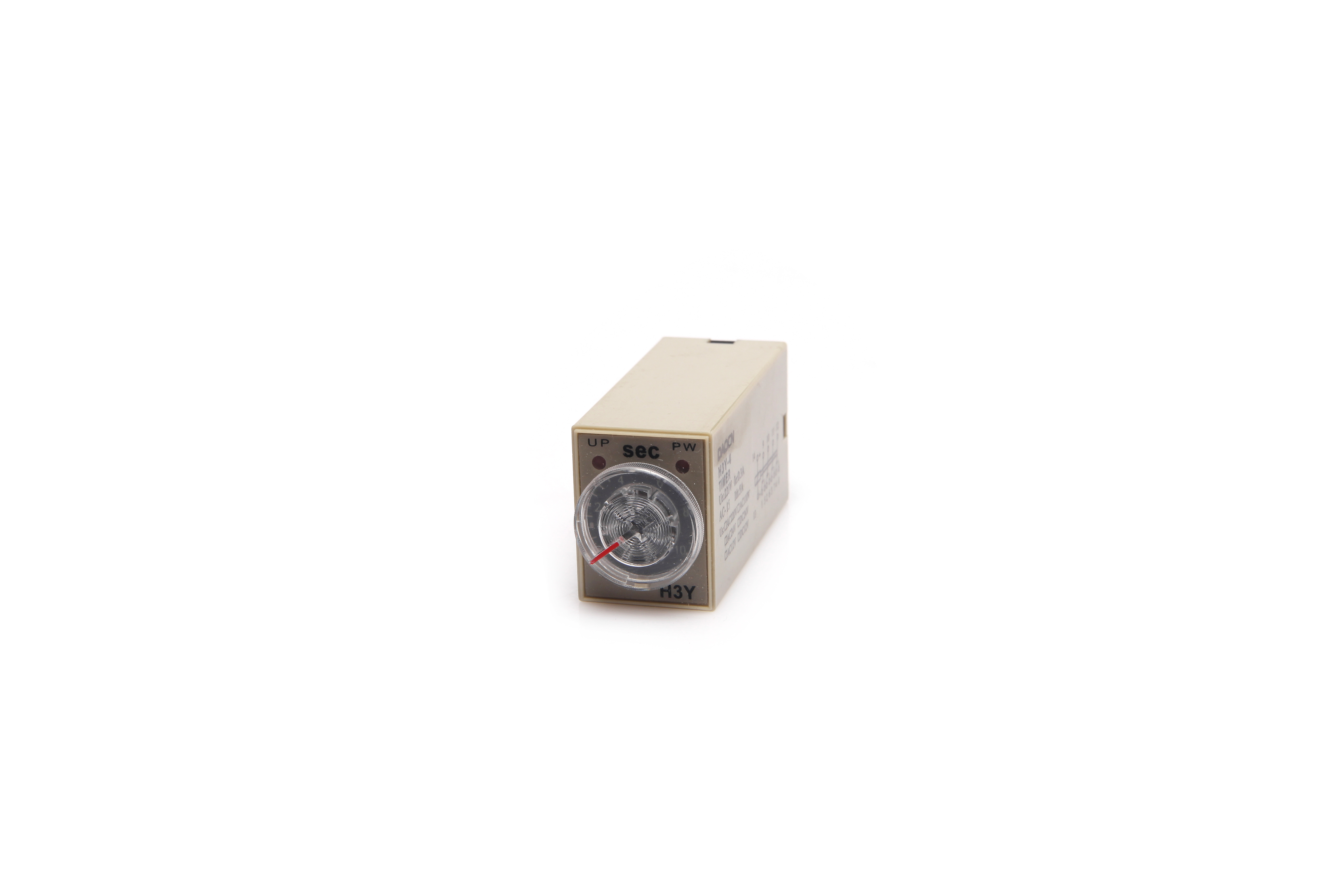
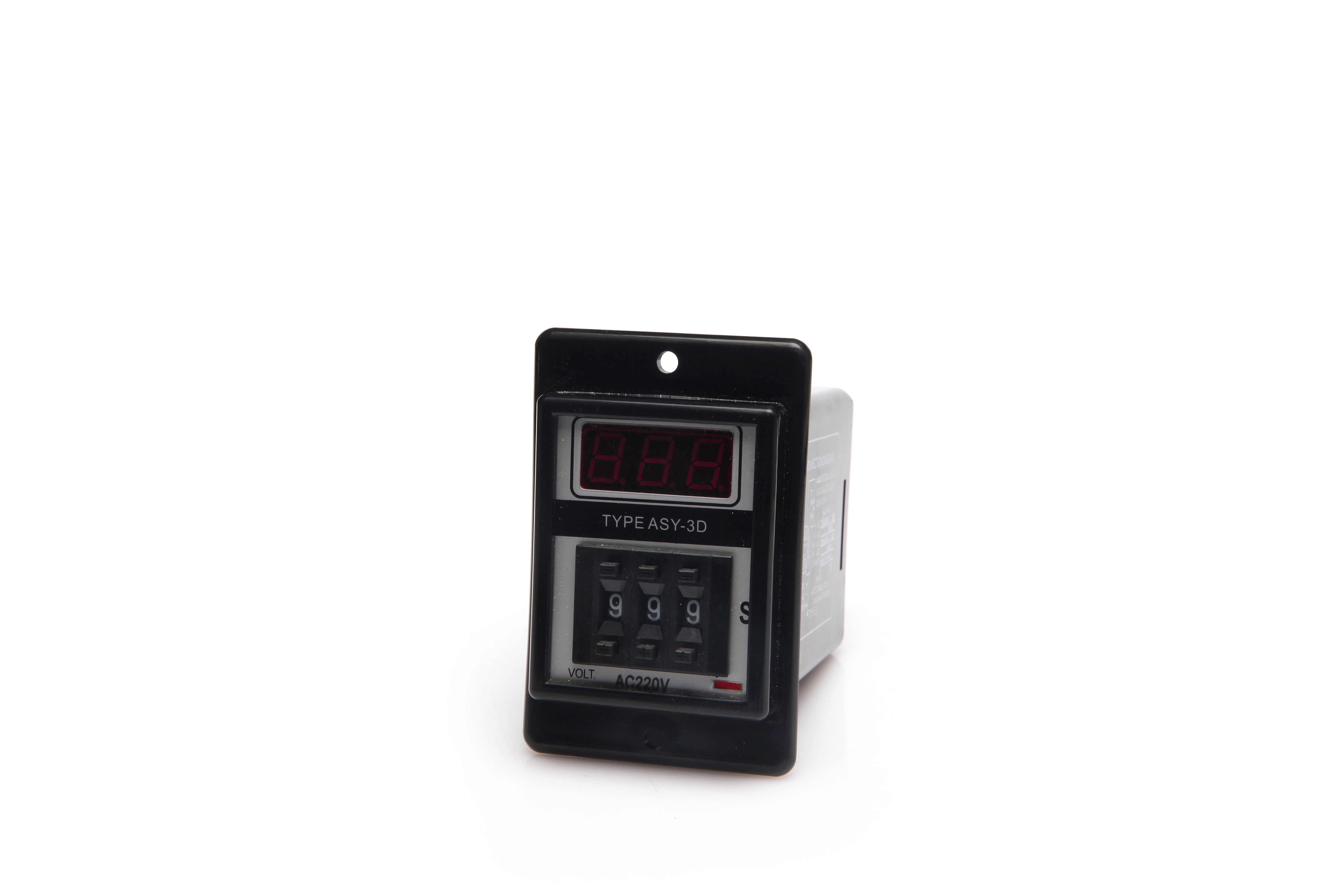
Digital time delay systems represent a sophisticated technological solution designed to control and manage timing sequences in various electronic applications. These advanced devices operate by introducing precise, programmable delays between input signals and corresponding output responses, enabling users to orchestrate complex timing operations with exceptional accuracy. The core functionality revolves around receiving an electrical signal or trigger, processing it through digital circuitry, and then delivering the output after a predetermined time interval. Modern digital time delay units incorporate microprocessor-based technology, featuring user-friendly interfaces that allow for easy configuration and real-time monitoring. The technological architecture typically includes high-resolution timing circuits, multiple input and output channels, and comprehensive programmability options that support both simple and complex timing scenarios. Key technological features encompass millisecond to hour-long delay ranges, multiple operating modes including single-shot and continuous cycling, external trigger capabilities, and robust environmental protection ratings suitable for industrial environments. These systems excel in applications requiring precise temporal control, such as industrial automation processes, lighting systems, security installations, HVAC controls, and laboratory equipment. The digital nature of these devices ensures superior accuracy compared to analog alternatives, with minimal drift over time and temperature variations. Advanced models offer network connectivity, allowing for remote configuration and monitoring through standard communication protocols. The compact design and modular construction facilitate easy installation in control panels and equipment racks. Many digital time delay systems also provide diagnostic capabilities, including status indicators and fault detection features that enhance system reliability and maintenance efficiency. The versatility of these devices makes them indispensable in manufacturing environments where sequential operations must occur with precise timing intervals, ensuring optimal production efficiency and product quality consistency throughout various industrial processes.
 EN
EN